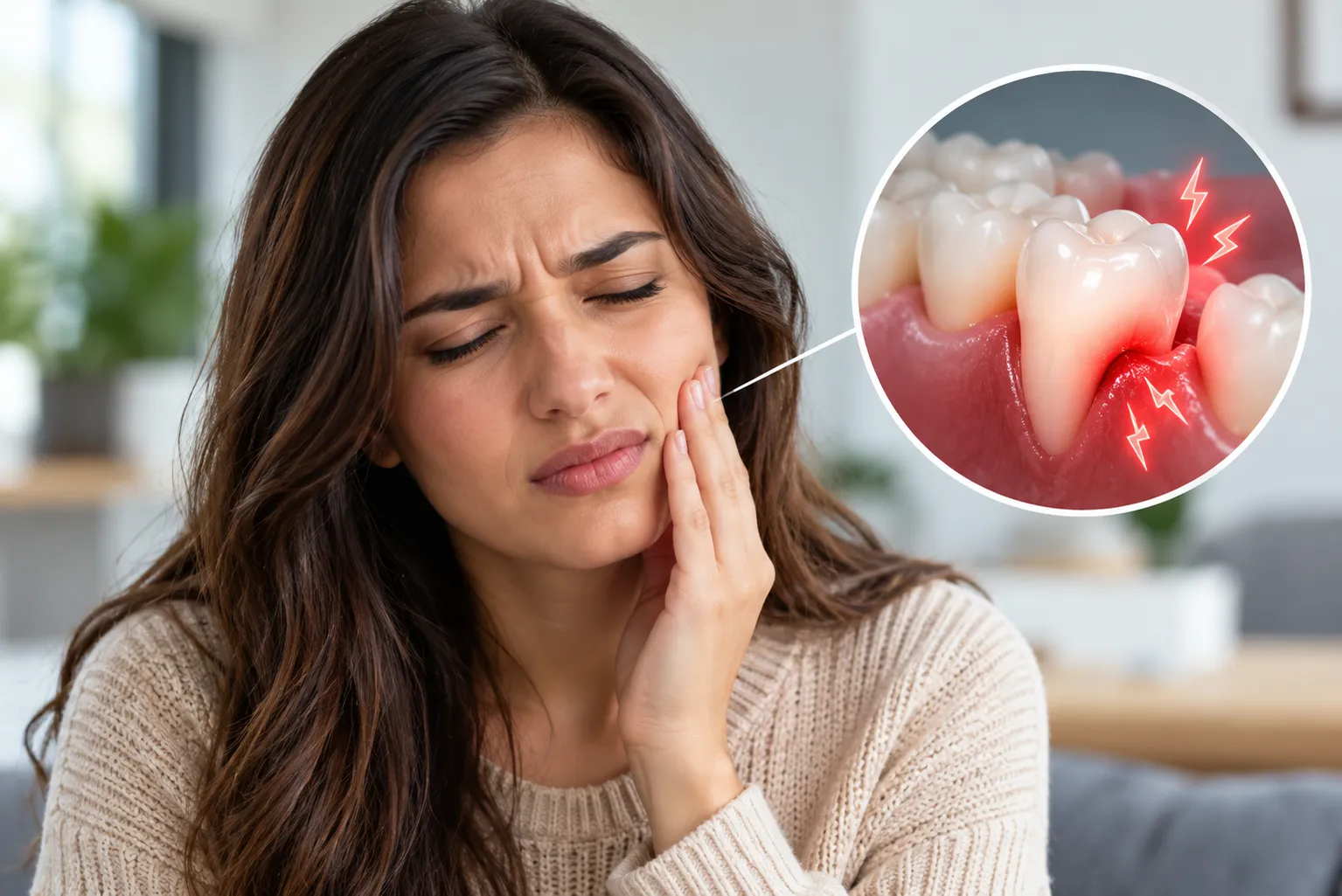
A sudden, sharp tooth pain can catch you off guard, whether you are eating lunch, drinking a cold beverage or simply going about your day. Sometimes, the discomfort disappears within seconds. In other cases, the pain keeps returning or becomes difficult to ignore.
While occasional tooth sensitivity may have a simple explanation, sudden tooth pain can also indicate tooth decay, a crack, damage to the tooth's inner tissue or an infection.
Understanding what might be causing the pain can help you decide when to seek dental care and what steps to take in the meantime.
What Causes Sharp Tooth Pain Without Warning?
There is no single reason for sudden tooth pain. The cause often depends on when the pain occurs, how long it lasts and whether you have other symptoms.
1. Tooth Decay or a Hidden Cavity
Tooth decay can develop gradually without causing noticeable discomfort in its early stages. As the decay progresses deeper into the tooth, you may begin to experience sharp pain when eating sweets, drinking cold water or chewing food.
Sometimes, the cavity is difficult to see without a dental examination. Even if your tooth looks normal from the outside, decay may still be present.
If the pain keeps returning in the same tooth, arrange a dental appointment rather than waiting for it to become more severe.
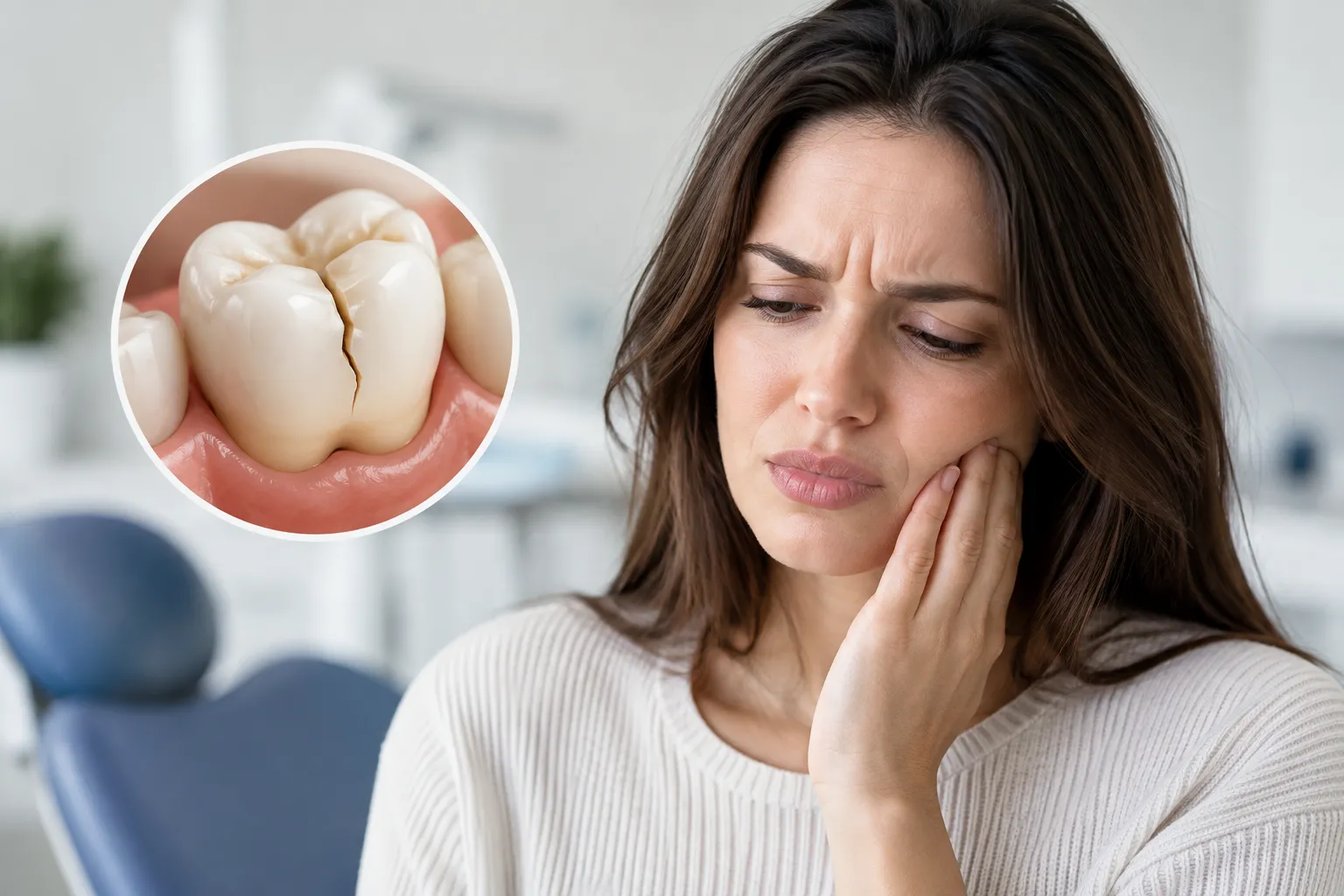
2. A Cracked or Damaged Tooth
A small crack in a tooth can cause a sudden, sharp sensation when you bite down or release your bite. You might not notice the crack when looking in the mirror, particularly if it is very fine.
Cracks can develop after biting something hard, grinding your teeth or experiencing an injury. Existing fillings and other dental restorations may also affect the strength of a tooth.
Do not continue chewing on the painful side to test whether the pain returns. A dentist can assess the tooth and recommend suitable treatment.
3. Tooth Sensitivity to Hot and Cold
Does your tooth hurt when you drink iced water, eat ice cream or sip a hot coffee?
Tooth sensitivity can occur when the protective enamel wears down or the gums recede, exposing the more sensitive areas of a tooth. Acidic foods, aggressive brushing and gum recession can contribute to this problem.
The discomfort usually lasts briefly after contact with the trigger. However, pain that continues after the hot or cold food has been removed, becomes spontaneous or worsens over time may indicate a deeper problem.
A desensitising toothpaste may help some cases, but persistent or localised sensitivity should be assessed by a dental professional.
4. Inflammation Inside the Tooth
Inside every tooth is a soft tissue called the pulp, which contains nerves and blood vessels. Deep decay, a crack or dental trauma can inflame this tissue.
When the pulp becomes irritated, the pain may feel sharp, throbbing or difficult to pinpoint. You may also notice that the discomfort gets worse at night or continues after eating or drinking.
Inflammation inside the tooth does not always settle on its own. Depending on the cause and severity, treatment may involve a filling, root canal treatment or another procedure recommended after examination.
5. A Dental Abscess or Infection
A dental abscess is a collection of pus caused by a bacterial infection. It can develop around the root of a tooth or in the surrounding gum tissue.
Possible warning signs include:
- Severe or persistent toothache.
- Swelling in the gums, cheek or jaw.
- A bad taste in the mouth.
- Pain when biting or chewing.
- Fever or feeling generally unwell.
An abscess requires prompt professional assessment. Do not attempt to squeeze or drain the swelling yourself, and do not rely on pain relief alone to manage a suspected infection.
6. Gum Recession or Gum Disease
Tooth pain does not always originate from the tooth itself. Receding gums can expose the root surface, making a tooth more sensitive to cold, touch and brushing.
Gum disease may also cause swollen, tender or bleeding gums. If the discomfort occurs alongside gum changes, persistent bad breath or a feeling that a tooth is becoming loose, arrange a dental assessment.
7. Teeth Grinding or Jaw Clenching
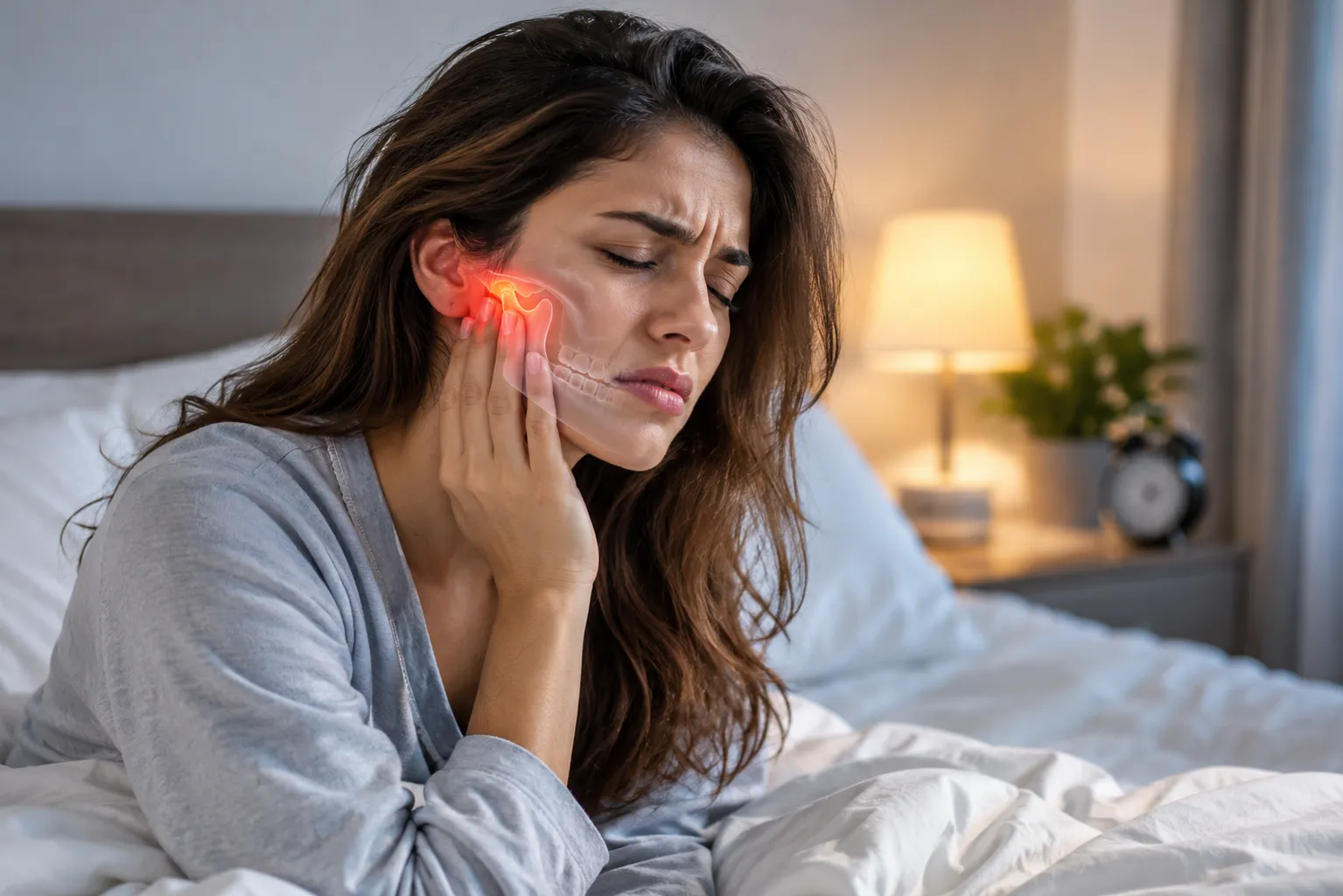
Grinding or clenching your teeth, particularly during sleep, can put repeated pressure on your teeth and jaw muscles. You might wake up with tooth discomfort, jaw soreness or a headache.
Over time, grinding can wear down enamel, aggravate existing cracks and increase sensitivity.
If you suspect that you grind your teeth, a dentist can check for signs of wear and discuss ways to protect your teeth.
Why Does Tooth Pain Come and Go?
Tooth pain that disappears after a few seconds may seem harmless, but the length of the pain alone cannot establish whether a problem is minor.
Brief discomfort triggered by cold drinks may be related to sensitivity. Pain that lingers after the trigger has gone, occurs without an obvious reason or repeatedly affects the same tooth can suggest a more significant issue.
Pain may also temporarily improve even when the underlying problem remains.
Pay attention to what triggers the discomfort, how long it lasts and whether it is becoming more frequent. These details can help your dentist identify the likely cause.
When Should You See a Dentist for Sharp Tooth Pain?
You should arrange a dental appointment promptly if you experience repeated sharp tooth pain, pain when biting, sensitivity that persists or discomfort that interferes with eating or sleeping.
Seek urgent dental assessment if you have severe or worsening pain, facial or gum swelling, fever, pus or a bad taste that may indicate infection. Toothache lasting more than two days should also be assessed, even if pain relief provides temporary comfort.
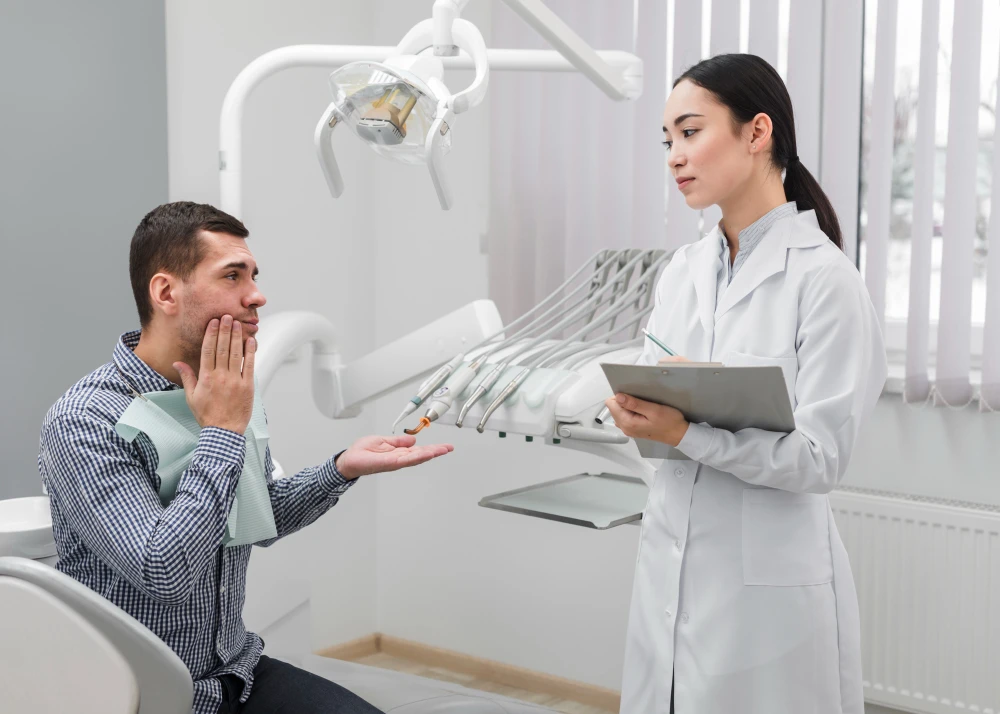
If you need prompt care, contact an emergency dentist to discuss your symptoms and the appropriate next step.
Seek emergency medical care immediately if you have difficulty breathing or swallowing, or swelling around the eye or neck. In Australia, call Triple Zero (000) if the situation is life-threatening.
What Can You Do at Home Until Your Appointment?
While waiting to have your tooth assessed, a few simple measures may help reduce discomfort.
- Avoid temperature triggers: Choose lukewarm drinks and avoid foods that are very hot, cold or sugary if they make the pain worse.
- Eat softer foods: Chew on the unaffected side and avoid hard, crunchy or sticky foods.
- Keep your mouth clean: Brush gently with a soft toothbrush and fluoride toothpaste. Carefully clean between your teeth if you can do so without worsening the pain.
- Try a cold compress: If your cheek is swollen, apply a cold pack wrapped in a cloth to the outside of your face.
- Ask about suitable pain relief: A pharmacist can advise whether an over-the-counter medicine is appropriate for you. Follow the packet instructions and any medical advice you have received.
Do not place aspirin directly on your tooth or gums, as it can damage the tissue. Avoid using leftover antibiotics or attempting to treat an infection without professional advice.
Home care may help manage symptoms temporarily, but it cannot repair a cavity, fix a cracked tooth or reliably resolve an abscess.
How Can You Reduce the Risk of Sudden Tooth Pain?
Although not every dental problem can be prevented, consistent oral care can reduce the risk of many common causes of toothache.
- Brush twice daily using fluoride toothpaste.
- Clean between your teeth every day.
- Limit frequent sugary snacks and drinks.
- Wear a properly fitted mouthguard during contact sports.
- Avoid chewing ice or using your teeth to open packaging.
- If you grind your teeth, ask your dentist about suitable protection.
- Attend regular dental check-ups so potential problems can be identified early.
If you already have a sensitive tooth, a broken filling or discomfort when chewing, do not wait for your next routine check-up to mention it.
Get the Cause of Your Tooth Pain Checked
Sharp tooth pain can result from something relatively straightforward, such as sensitivity, or a problem that needs prompt treatment, such as a cracked tooth or dental infection. The symptoms may provide clues, but a dental examination is the best way to determine what is happening.
If the pain is new, keeps returning or is becoming more intense, arrange an assessment instead of hoping it will disappear.
For advice about your symptoms or to arrange an appointment, contact your dentist and explain when the pain started, what triggers it and whether you have noticed any swelling or other changes.
Frequently Asked Questions
1. Why does my tooth suddenly hurt when I am not eating?
Sudden tooth pain without eating can be associated with tooth decay, inflammation of the pulp, a crack or an infection. Grinding and clenching may also contribute. If the pain recurs or is severe, arrange a dental assessment.
2. Can sharp tooth pain go away on its own?
The pain may settle temporarily, but that does not necessarily mean the cause has resolved. A cavity, crack or infection may continue to develop even when symptoms become less noticeable.
3. Why does my tooth hurt when I drink cold water?
Cold sensitivity can occur when enamel is worn, gums have receded or a tooth has developed decay or a crack. If the pain is persistent, localised to one tooth or lingers after drinking, have it checked.
4. Is sharp tooth pain a sign of an infection?
Not always. Sensitivity, tooth decay, cracks and other dental problems can also cause sharp pain. Swelling, fever, pus, a bad taste or worsening pain may suggest an infection and require prompt assessment.
5. Should I wait two days before seeing a dentist?
No. Two days is not a waiting period for every toothache. Seek care sooner if the pain is severe, worsening, recurring or accompanied by swelling or fever. Difficulty breathing or swallowing requires emergency medical care.
6. Can stress cause sudden tooth pain?
Stress may contribute indirectly by increasing teeth grinding or jaw clenching. This can place pressure on teeth and cause soreness or sensitivity. A dental assessment can help identify whether grinding or another issue is responsible.
7. What will a dentist do to find the cause of sharp tooth pain?
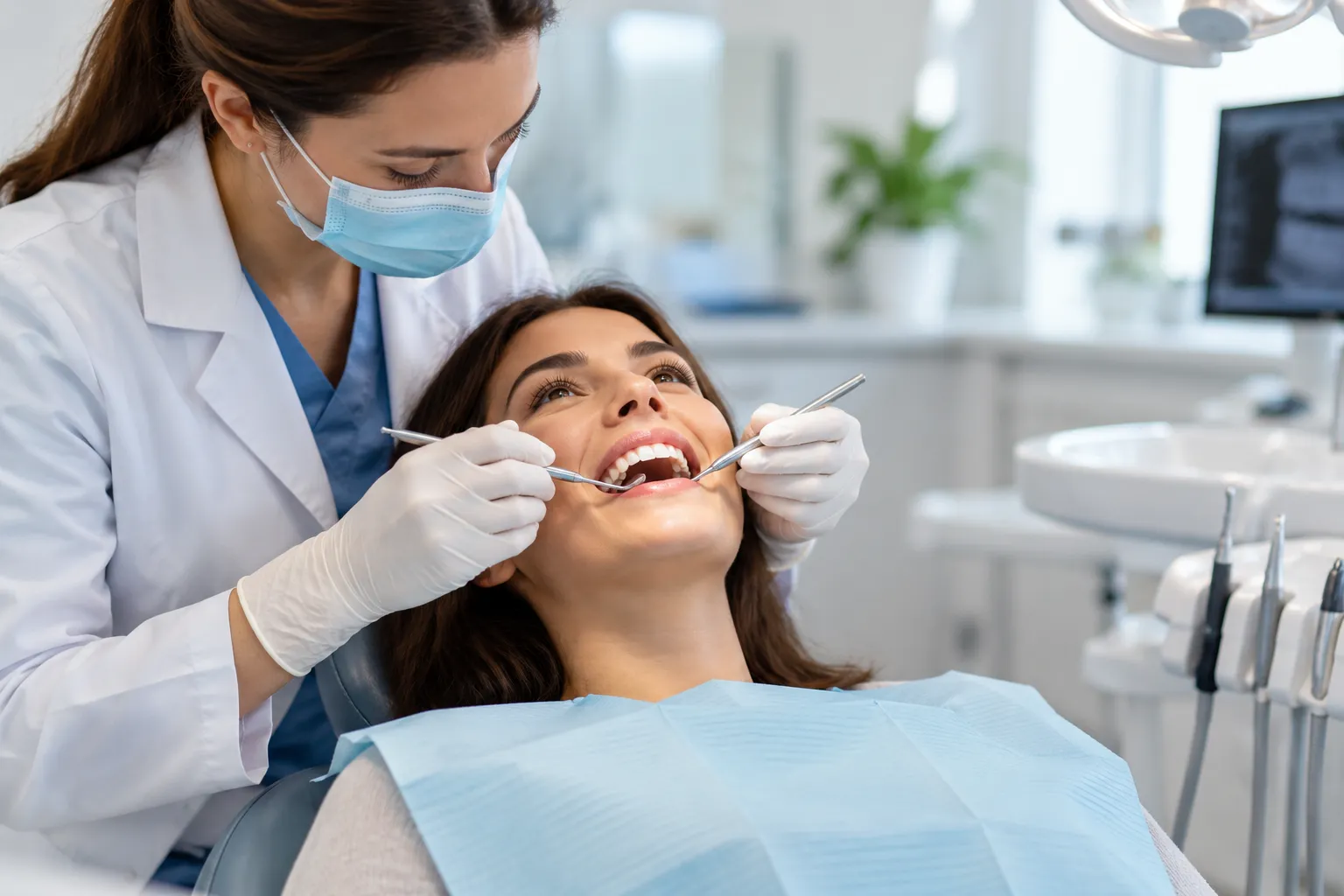
Your dentist will ask about your symptoms, examine your teeth and gums, and may use dental X-rays or other tests if needed. Treatment will depend on the findings and may include a filling, a crown, root canal treatment or management of gum problems.

















Sign in to leave a comment.