

Having a tooth filled should help protect it from further decay and restore its function. However, you might notice some sensitivity or discomfort after the appointment, even if the treatment went smoothly.
A cold drink might cause a brief twinge, chewing may feel slightly uncomfortable, or the tooth might feel different from the way it did before treatment. These symptoms can occur while the tooth settles after a filling.
The important thing is to recognise the difference between temporary sensitivity and pain that needs further attention. Mild symptoms should generally improve over time. Pain that becomes stronger, lasts longer than expected or interferes with everyday activities should not be ignored.
This guide explains what you can expect after a dental filling, how to care for your tooth and when to contact your dentist.
Is Tooth Pain Normal After a Dental Filling?
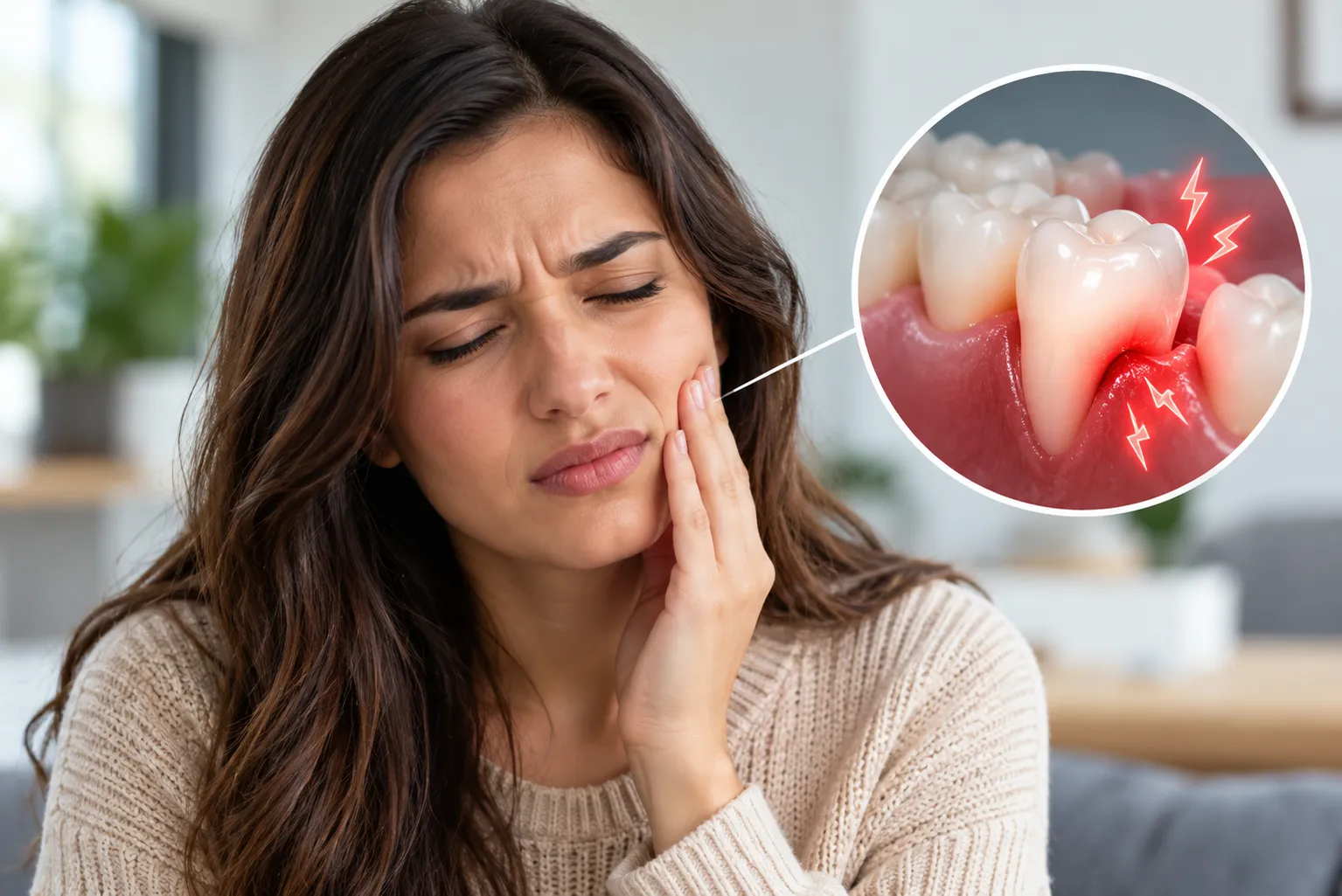
Yes, mild sensitivity or discomfort can occur after a dental filling. The procedure involves removing decay or preparing the damaged part of the tooth before placing the filling material. This process can temporarily irritate the sensitive tissues inside the tooth.
You might notice discomfort when eating or drinking something hot, cold or sweet. The tooth may also feel sensitive when you bite down.
The size and depth of the cavity can affect how the tooth responds. A deeper cavity that was close to the dental pulp, the soft tissue containing nerves and blood vessels inside the tooth, may take longer to settle.
However, not every type of pain should be considered normal. If the discomfort is severe, gets worse or does not begin to improve, arrange a dental review.
What Symptoms Are Normal After a Filling?
Some symptoms are common during the first few days following treatment.
1. Brief Sensitivity to Hot and Cold
You may feel a short, sharp sensation when drinking cold water, having hot tea or eating ice cream. Sensitivity to sweet foods can also occur.
This discomfort should generally settle soon after the trigger is removed. It should gradually become less noticeable as the tooth recovers.
If the pain lingers after the hot or cold stimulus has gone, or becomes more intense over time, contact your dentist.
2. Mild Discomfort When Chewing
Some tenderness when biting or chewing can occur after a filling, particularly when the cavity was deep.
However, your teeth should meet comfortably when you close your mouth. If the filled tooth feels as though it touches first, or biting causes a sharp pain, the filling may be slightly too high.
Your dentist can check your bite and adjust the filling if necessary. Do not try to file or adjust it yourself.
3. Tenderness Around the Gum
The gum near the treated tooth may feel tender, especially if the area was irritated during the procedure or an injection was used.
This should gradually improve. Persistent gum swelling, increasing pain or a visible lump near the tooth needs professional assessment.
4. Temporary Jaw Soreness
Keeping your mouth open during dental treatment can leave your jaw feeling tired or uncomfortable. This usually settles with time.
If the soreness is severe, persists or makes it difficult to open your mouth, contact your dentist for advice.
How Long Should Tooth Pain Last After a Filling?
There is no single recovery time that applies to every filling. The expected duration depends on the depth of the cavity, the condition of the tooth before treatment and the type of symptoms you experience.
In general:
- First few days: Mild sensitivity to temperature or pressure can occur.
- Around one to two weeks: Some sensitivity may continue, particularly after a deeper filling, but it should be improving.
- Beyond two weeks: Persistent sensitivity or pain deserves a dental review, especially if there has been little improvement.
- At any time: Severe, worsening or spontaneous pain should be assessed promptly rather than waiting for a particular number of days to pass.
These timeframes are general guidance, not a guarantee. If your dentist has given you specific aftercare instructions, follow that advice and contact the clinic if your symptoms concern you.
What Tooth Pain After a Filling Is Not Normal?
Pay attention to changes in the type, intensity and duration of your symptoms. The following signs may indicate that the tooth needs further assessment.
1. Severe or Increasing Toothache
Pain that becomes more intense instead of gradually settling is a reason to contact your dentist.
You should also seek advice if the tooth begins to ache without eating or drinking, or if the discomfort affects your sleep.
2. Pain That Lingers After Hot or Cold Food
A quick sensitivity response can occur after treatment. Pain that continues for a noticeable period after the hot or cold stimulus has been removed may indicate irritation or inflammation of the dental pulp.
This does not automatically mean you need root canal treatment. Your dentist needs to examine the tooth to determine the cause.
3. Sharp Pain When Biting Down
If the filled tooth hurts every time you bite, the filling may be affecting the way your teeth meet. Other possible causes include a crack in the tooth or inflammation inside it.
Arrange a dental appointment rather than avoiding the problem indefinitely.
4. Swelling or a Bad Taste in Your Mouth
Swelling around the tooth, a gum lump, pus or an unpleasant taste can be signs of infection.
Contact a dentist promptly, particularly if you also have a fever or facial swelling.
If you have difficulty breathing or swallowing, or swelling that spreads towards your neck or eye, seek emergency medical care immediately.
5. Pain That Does Not Improve
Mild sensitivity should generally become less noticeable over time. If it remains unchanged, keeps returning or becomes worse, your dentist should check the tooth.
Waiting too long can delay the diagnosis of problems that may need treatment.
Why Does a Tooth Hurt After a Filling?
Several factors can explain discomfort following a filling. An examination is needed to identify which one applies to your tooth.
Temporary Irritation of the Dental Pulp
The dental pulp contains nerves and blood vessels. Removing decay and preparing the tooth can irritate this tissue, particularly when the cavity is deep.
The pulp may recover, but if inflammation is severe or does not resolve, additional treatment may be necessary.
A Filling That Is Too High
A new filling that sits slightly too high can make the treated tooth contact its opposing tooth before the others do.
This can create pressure or pain when chewing. A dentist can assess your bite and adjust the filling if needed.
Deep Tooth Decay
When decay extends close to the pulp, the tooth may already be inflamed before treatment begins. Even after the decay has been treated and a filling placed, symptoms may continue.
In some cases, the pulp cannot recover and further treatment, such as root canal therapy, may be needed.
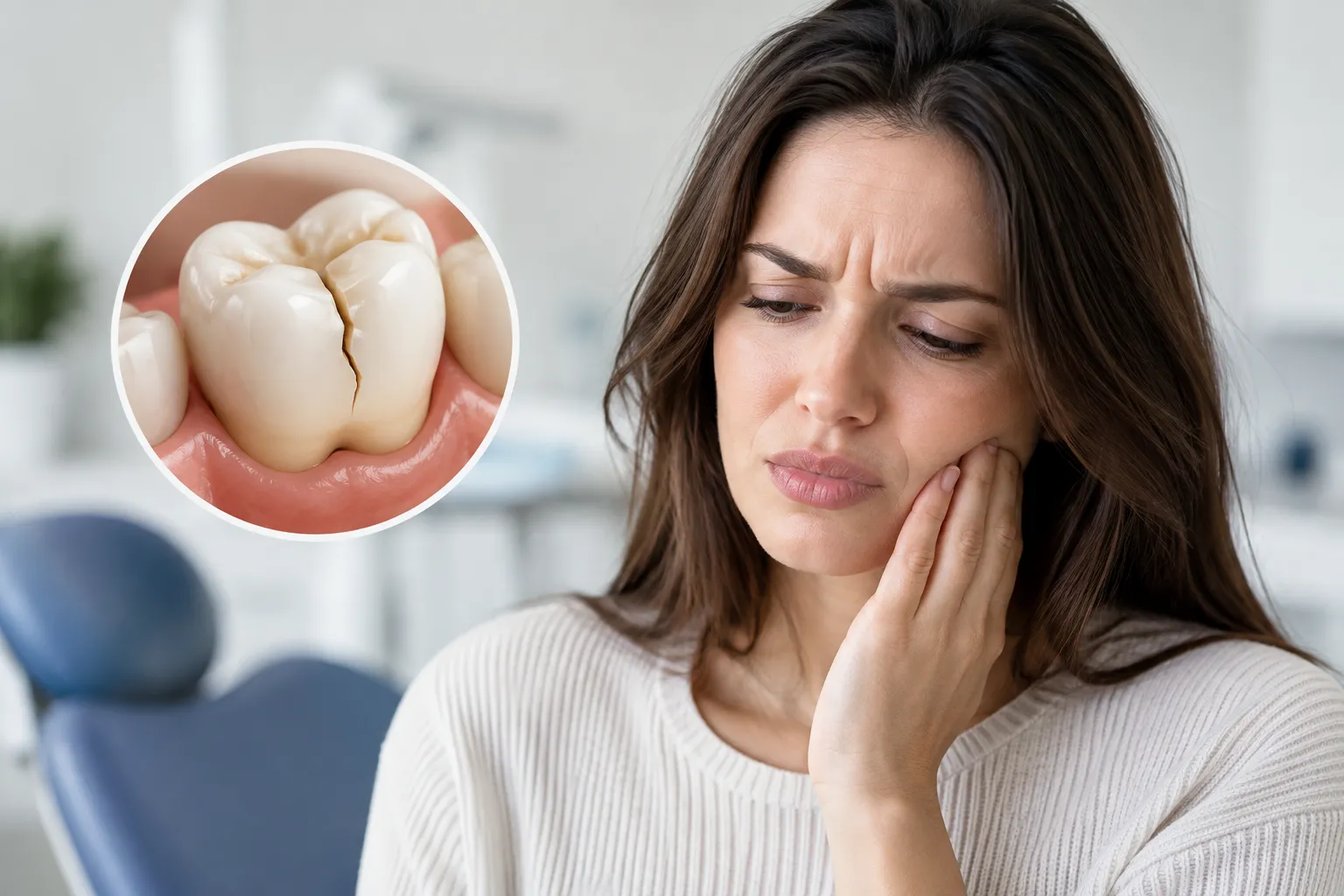
A Cracked Tooth
A crack can cause sharp pain when biting or when releasing pressure. Some cracks are difficult to see without a dental examination.
If your tooth hurts during chewing or the pain persists despite the filling, ask your dentist to check for a crack or another underlying problem.
A Problem With the Filling
A damaged, loose or poorly fitting filling can allow food and bacteria to collect around the treated area. Your dentist can assess whether the restoration needs adjustment or replacement.
What Can You Do to Relieve Tooth Pain After a Filling?
If your symptoms are mild and improving, a few simple steps may help you stay comfortable while the tooth settles.
- Choose comfortable food temperatures: Avoid very hot or cold food and drinks if they trigger sensitivity.
- Eat softer foods if chewing hurts: Try foods that require less pressure and chew on the opposite side temporarily if that feels more comfortable.
- Keep your teeth clean: Brush gently twice a day with fluoride toothpaste and clean between your teeth daily, taking care around any tender area.
- Consider sensitive toothpaste: A desensitising toothpaste may help with some types of tooth sensitivity, although it will not fix a damaged filling, tooth decay or an infected tooth.
- Use pain relief appropriately: Ask your pharmacist or dentist whether a suitable pain-relief medicine is appropriate for you. Follow the packet instructions and consider any medical conditions, allergies, pregnancy or other medicines you take.
- Avoid self-treatment: Do not place aspirin directly on the tooth or gum, and do not attempt to reshape the filling yourself.
These measures may help manage mild symptoms, but they are not a substitute for dental assessment when pain persists or worsens.
When Should You Contact a Dentist?
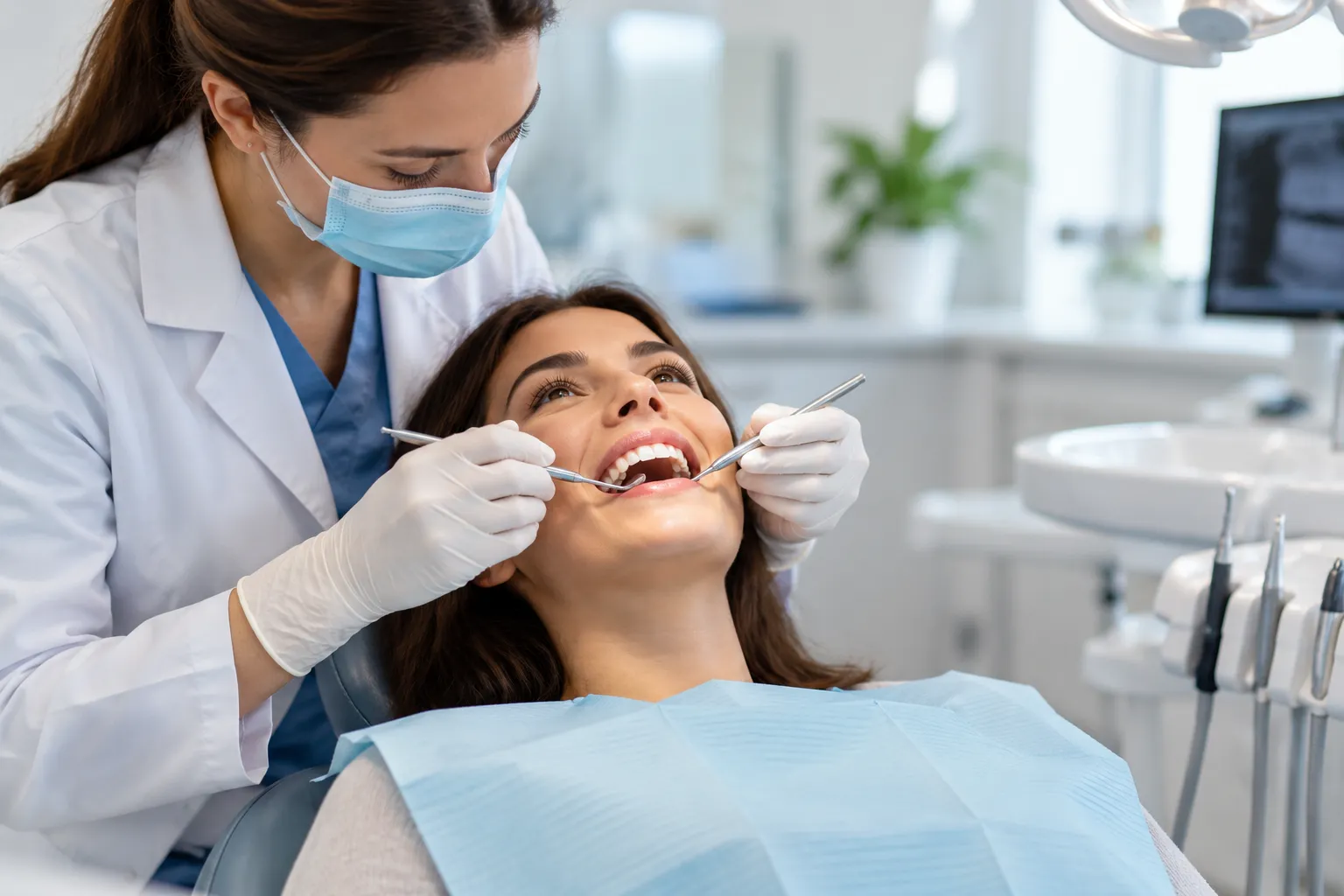
Contact your dentist if your tooth pain is not improving, your bite feels uneven, temperature sensitivity lingers, or the tooth hurts when you chew.
Seek prompt dental assessment for severe or spontaneous pain, a damaged or loose filling, gum swelling, pus or a bad taste.
If the dental clinic is closed and you need urgent care, contact an emergency dentist for advice about the next available appointment.
Do not wait for a routine appointment if symptoms are severe or rapidly worsening. Difficulty breathing or swallowing, or spreading swelling around the eye or neck, requires emergency medical care.
How Can You Prevent Problems After a Dental Filling?
Not every complication can be prevented, but good oral care and timely follow-up can help protect your teeth.
- Brush twice daily with fluoride toothpaste.
- Clean between your teeth every day.
- Limit frequent sugary snacks and drinks.
- Attend regular dental check-ups as recommended.
- Contact your dentist if a filling feels loose, rough or uncomfortable.
- Follow the aftercare advice provided by your dental team.
If you need to understand the treatment or restoration options available for a damaged tooth, learn more about a dental filling.
Frequently Asked Questions
Is it normal for a tooth to hurt two days after a filling?
Mild sensitivity two days after a filling can be normal, especially when eating or drinking something hot or cold. It should generally improve over time. Contact your dentist if the pain is severe, worsening or affecting your ability to chew.
Why does my tooth hurt when I bite after a filling?
One possible reason is that the filling is slightly too high and needs adjustment. A crack or inflammation inside the tooth can also cause pain when biting. Your dentist can examine the tooth to identify the cause.
How long does sensitivity last after a filling?
Sensitivity often settles within a few days, although it can last one to two weeks and sometimes longer after a deep filling. It should generally improve rather than become more intense. Persistent symptoms should be checked.
Can a filling damage the nerve in my tooth?
Dental treatment can irritate the pulp, particularly when decay was close to it. Sometimes the pulp recovers; in other cases, existing inflammation may persist and require further treatment. Pain alone cannot confirm whether the nerve is permanently damaged.
Does tooth pain after a filling mean I need a root canal?
No. Mild, temporary sensitivity does not automatically mean you need a root canal. If the pulp is irreversibly inflamed or infected, root canal treatment may be recommended after your dentist assesses the tooth.
Should I wait for tooth pain to go away on its own?
You can monitor mild, improving sensitivity for a short time, following your dentist's aftercare advice. Do not wait if the pain worsens, lingers after temperature changes, occurs spontaneously or is accompanied by swelling or fever.
Can I eat normally after a dental filling?
This depends on the filling material, the procedure and whether your mouth is still numb. Avoid chewing while numb to prevent accidentally biting your cheek, tongue or lips. Follow your dentist's instructions about eating and drinking after treatment.
What should I do if my face swells after a filling?
Contact a dentist urgently if you develop facial swelling after treatment, as it may indicate infection or another complication. If the swelling spreads towards your eye or neck, or you have difficulty breathing or swallowing, seek emergency medical care immediately.
Final Thoughts
Mild tooth sensitivity after a filling is common and usually improves as the tooth settles. However, severe pain, lingering sensitivity, pain when biting or symptoms that are getting worse should not be dismissed as part of normal recovery.
If your tooth does not feel right after treatment, contact your dentist for an assessment. Finding the cause early can help you understand the available treatment options and prevent an underlying problem from being overlooked.
This article is for general educational purposes and does not replace personalised dental advice or an examination by a qualified dental professional.























Sign in to leave a comment.