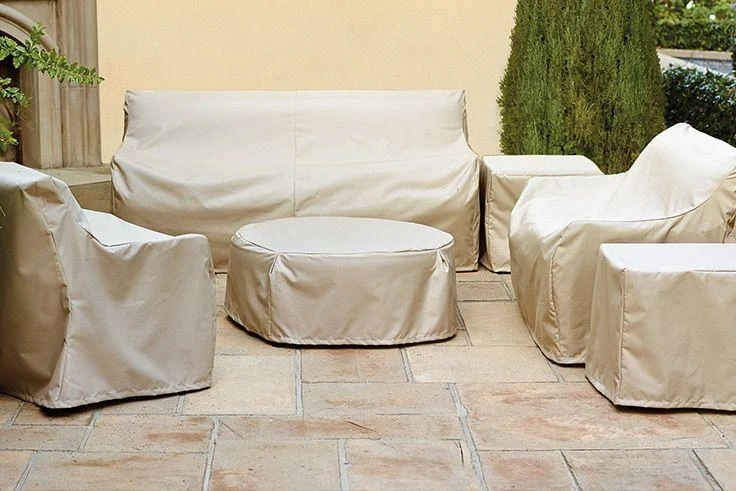

Outdoor furniture adds a distinct charm and functionality to any patio, garden, or balcony. It invites you to unwind in nature, entertain guests under the stars, and enjoy moments of peace surrounded by fresh air. However, these cherished pieces are constantly exposed to harsh elements sun, rain, snow, and wind that can diminish their beauty and functionality over time. To protect your investment and ensure longevity, outdoor furniture covers have become an indispensable solution. This guide delves into the importance, selection, and maintenance of these protective covers.
Why Outdoor Furniture Covers Matter
The main purpose of outdoor furniture covers is to shield your furniture from weather-related damage. UV rays from the sun can fade colors and weaken materials, especially fabrics and wood. Rain and snow contribute to rusting, warping, and mold growth. Even dust and bird droppings can stain and degrade surfaces. Without proper protection, outdoor furniture that could have lasted for years might begin to deteriorate in just one season.
Outdoor furniture covers act as a barrier, preserving not only the appearance but also the structural integrity of your tables, chairs, lounges, and cushions. They minimize the need for frequent cleaning, repairs, or replacements. In essence, they offer both protection and peace of mind, allowing homeowners to enjoy their outdoor spaces without constantly worrying about damage.
Choosing the Right Material
The material of the cover plays a significant role in its effectiveness. Vinyl is a common choice for its water-resistant properties, making it suitable for areas with heavy rainfall. Polyester covers, often coated with PVC or PU, provide a balance between durability, water resistance, and flexibility. Canvas, especially when treated, is another excellent option known for its breathability and toughness.
Breathability is important because it prevents moisture buildup beneath the cover, reducing the risk of mold and mildew. Some high-end covers feature vents or mesh linings to enhance airflow. Additionally, UV-resistant coatings help protect both the cover and the furniture beneath from the sun’s harmful rays. When selecting a cover, consider the climate of your area and the materials of your furniture for the best fit.
Tailored Fit vs. Universal Covers
Outdoor furniture covers and garden furniture covers come in a variety of shapes and sizes. Universal covers offer flexibility and are often more affordable, but they may not provide a snug fit. This can lead to wind lifting the covers or water pooling in certain areas. On the other hand, tailored or custom-fit covers are designed to match the exact dimensions of your furniture, offering superior protection and a cleaner look.
For larger setups, like sectional sofas or dining sets, sectional covers or modular sets might be more appropriate. These allow individual pieces to be covered more precisely. Some homeowners also opt for custom-made covers to ensure a seamless fit that blends into the aesthetic of their outdoor area.
Features That Enhance Protection
When shopping for outdoor furniture covers, a few thoughtful features can make a big difference in performance. Look for covers with adjustable drawstrings or elastic hems to keep them securely in place during windy conditions. Buckles, straps, or Velcro fastenings add another layer of security and help prevent movement.
Handles stitched into the sides of the cover make installation and removal easier, while padded lining can help prevent scratches on sensitive surfaces. Some covers are designed with zippered compartments or pouches for storing small accessories like cushions or covers when not in use. These added details might seem minor but contribute significantly to the ease of use and longevity of the cover.
Maintenance and Storage Tips
Caring for your outdoor furniture covers ensures they last just as long as the furniture they protect. Regularly remove any accumulated debris like leaves, bird droppings, or dirt. For deeper cleans, most covers can be wiped down with mild soap and water. Avoid harsh chemicals or power washing, as these can degrade protective coatings.
When not in use, it’s best to store covers in a dry, shaded area. Folding them neatly and placing them in a breathable storage bag prevents mold and extends their life. During the off-season, thoroughly clean and dry them before storing to avoid unpleasant surprises when spring arrives.
Conclusion: A Small Investment for Long-Term Gains
Outdoor furniture covers may seem like a simple accessory, but they provide a crucial service. They protect against the relentless forces of nature, reduce maintenance time, and preserve the aesthetics and usability of your outdoor living space. With thoughtful selection and care, these covers can extend the life of your furniture by years, making them a wise and valuable investment for any homeowner. Whether your patio is a seasonal retreat or a year-round haven, the right cover ensures that your outdoor furniture stays beautiful, functional, and ready to enjoy.




























Sign in to leave a comment.