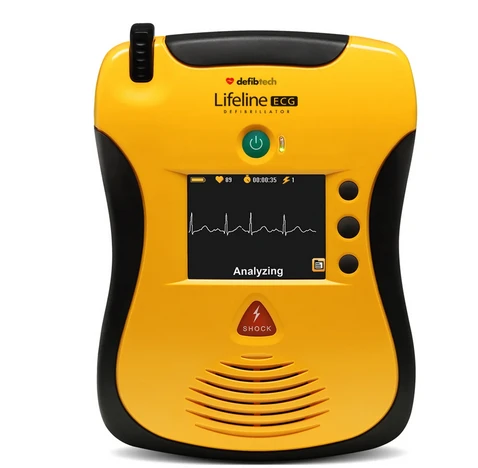

In the high-stakes world of emergency medical care, the use of defibrillators has become a critical tool in saving lives. These devices, designed to deliver a controlled electric shock to the heart, play a vital role in resuscitating individuals who have experienced sudden cardiac arrest. However, not all defibrillators are created equal, and the differences between monophasic and biphasic defibrillators can have significant implications for patient outcomes.
The Basics of Defibrillation
Defibrillation is a procedure that delivers a controlled electric shock to the heart, with the goal of restoring a normal, rhythmic heartbeat. This process is crucial in cases of sudden cardiac arrest, where the heart has stopped pumping effectively and immediate intervention is required to save the patient\'s life.
The electric shock delivered by a defibrillator works by depolarizing the heart muscle, effectively resetting the electrical activity and allowing the heart to regain its normal rhythm. This process is typically carried out using paddles or electrode pads placed on the patient\'s bare chest, with the defibrillator delivering the shock through these contact points.
Understanding Monophasic Defibrillators
Monophasic defibrillators are the traditional and more widely known type of defibrillator. These devices deliver a single, unidirectional electric pulse to the heart, with the current flowing in a single direction.
The main advantage of monophasic defibrillators is their simplicity and cost-effectiveness, making them a common choice for many healthcare facilities and emergency response teams. These devices have been in use for decades and are well-understood by medical professionals, with a long track record of successful resuscitations.
However, monophasic defibrillators also have some limitations. Studies have shown that they may require higher energy levels to effectively terminate certain types of cardiac arrhythmias, such as ventricular fibrillation. This increased energy requirement can potentially lead to a higher risk of myocardial damage and other adverse effects.
The Rise of Biphasic Defibrillators
In contrast to their monophasic counterparts, biphasic defibrillators deliver a more sophisticated electric pulse. These devices produce a waveform that changes direction midway through the shock, creating a biphasic pattern.
The primary advantage of biphasic defibrillators is their increased effectiveness in terminating cardiac arrhythmias. The bidirectional nature of the electric pulse allows for more efficient depolarization of the heart muscle, leading to higher success rates in restoring a normal heart rhythm.
Furthermore, biphasic defibrillators typically require lower energy levels to achieve the same level of effectiveness as monophasic devices. This reduced energy requirement can translate to a lower risk of myocardial damage and other complications, potentially improving patient outcomes.
The Debate: Monophasic vs. Biphasic
The ongoing debate between the merits of monophasic and biphasic defibrillators has been a topic of intense discussion within the medical community. Both types of devices have their proponents, and the choice often comes down to a combination of factors, including cost, availability, and clinical evidence.
Proponents of monophasic defibrillators argue that these devices have a proven track record of effectiveness and are relatively straightforward to operate, making them a practical choice for many healthcare settings. They also point to the lower upfront costs associated with monophasic devices, which can be a significant consideration for budget-constrained organizations.
On the other hand, advocates of biphasic defibrillators highlight the superior performance of these devices in terminating cardiac arrhythmias, as well as the potential for reduced risk of complications due to their lower energy requirements. They argue that the increased effectiveness and improved patient outcomes outweigh the higher initial costs of biphasic defibrillators.
The Evolving Landscape of Defibrillation
As technology continues to advance, the landscape of defibrillation is evolving. Newer generations of both monophasic and biphasic defibrillators are incorporating additional features and refinements, further blurring the lines between the two approaches.
For example, some modern monophasic defibrillators have incorporated enhanced algorithms and waveform analyses to improve their effectiveness, narrowing the gap with biphasic devices. Conversely, biphasic defibrillators are becoming more user-friendly and cost-effective, making them more accessible to a broader range of healthcare providers.
Conclusion
The differences between monophasic and biphasic defibrillators are not merely technical; they have significant implications for patient care and outcomes. While monophasic defibrillators have been the traditional choice, the rise of biphasic devices has introduced a more effective and potentially safer alternative for resuscitating individuals experiencing sudden cardiac arrest.
As the medical community continues to evaluate the pros and cons of each approach, it is clear that the choice between monophasic and biphasic defibrillators is not a simple one. Factors such as cost, availability, user familiarity, and clinical evidence must all be weighed to ensure that healthcare providers can deliver the best possible care to their patients.
Ultimately, the ongoing evolution of defibrillation technology and the ongoing debate between monophasic and biphasic devices underscores the importance of staying informed and keeping up with the latest advancements in emergency medical care. By understanding the differences between these two approaches, healthcare professionals can make more informed decisions and maximize the chances of successful resuscitation and patient survival.



























Sign in to leave a comment.