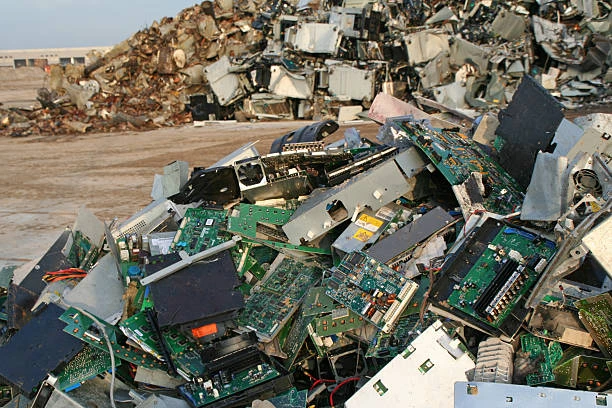

The global electronic waste management market is estimated to be valued at US$3.916 billion in 2020.
E-waste has existed since the widespread use of electricity and the invention of the first appliances, radios, and televisions. Historically, e-waste was a component of municipal solid garbage, readily and cheaply disposed of by landfill burial. Today, there are an expanding variety of solutions for managing e-waste. Electrical and electronic equipment that has served its intended first use can now be processed in a closed loop for reuse, recycling, and/or end-of-life management. Two characteristics of e-waste identify its global management challenges. The first is the quantity and range of harmful compounds found in electrical and electronic equipment enclosures and components. The second factor is the value and volume of reclaimable materials (metals, plastics, and glass) that are available for use in new goods, reducing the amount of virgin, non-renewable raw resources mined to meet ever-increasing consumer demand. There are numerous major stakeholders in the e-waste process, each having multiple interactions. The e-waste segment includes original equipment manufacturers (OEMs), consumers, e-waste management firms, logistics companies, non-government/non-profit organizations (NGOs), and government agencies. The shorter lifespan of electrical, electronic, and consumer electronics goods is the key driver of industry growth. Another aspect driving industry growth is the need to adopt cutting-edge technologies. The most significant impediment is that many parts of the world lack adequate e-waste management systems.
Low-cost of recovered raw materials is to boost the growth of the electronics waste management market.
According to the Global E-waste Monitor, the global production of e-waste in 2020 was 53.6 million tonnes. India ranks third on the list with 3.2 million tonnes, trailing China and the United States of America. Rare and expensive metals like silver, gold, palladium, platinum, indium, and gallium can be found in e-waste. These rare components are used in the production of consumer electronics, IT, and communication equipment. The products manufactured from these metals are expensive because of their rarity. As a result, there is a greater demand for the recycling, maintenance, and reuse of technology made of metal. Consumers and large producers in India are returning their unwanted electronic goods to e-waste disposal organizations like Namo E-waste through their collecting locations. Additionally, producers of electronic goods, including well-known companies like LG, Xiaomi, and Dell, have started several take-back programs for their used electronic products following the EPR (extended producer responsibility) rules. For instance, LG has built a network of 40 e-waste recyclers to help India's electronic take-back initiatives. With the aid of an internal workforce and in more than 75 countries, Dell provides e-waste management services to its customers directly in another outstanding EPR initiative by a hardware giant. Dell has 23 drop-off locations in India where customers can dispose of their formal e-waste. Xiaomi has Mi Homes in 500 large and small cities, as well as 1150 collecting counters at its service facilities. At these collection kiosks, customers are welcome to leave their outdated mobile phones, expired batteries, and other unwanted electrical devices. In developing countries with tight regulatory frameworks and activity by electronic device manufacturers, more prospects for controlling e-waste are anticipated to drive growth.
The government intends to control e-waste by imposing strict regulations.
Governments have worked hard to collect and recycle electronic waste that is bad for the environment and humans. For instance, an updated version of the 2016 E-Waste (Management) Rules was unveiled by the Indian Ministry of Environment, Forests, and Climate Change on May 20, 2022. The target items now include large and small electrical equipment, electrical tools, and medical equipment in addition to information technology, telecommunication, and consumer electrical equipment. Additionally, in March 2022, the commissioner of the New York State Department of Environmental Conservation announced the completion of two regulations that will lessen the amount of waste dumped in landfills. Implementation of standards to limit electronic waste (e-waste) will encourage recycling. Furthermore, for the correct collection and disposal of e-waste, the government and numerous organizations with ties to the government have published several strict rules and instructions. In January 2022, the UK's Environment Minister outlined new plans to regulate the garbage industry, including a crackdown on waste criminals. With the help of the historic Environment Act's authority to restructure current waste record keeping, new plans will also see the implementation of mandatory digital trash monitoring. A UK-wide digital trash tracking service is being developed by the Government and Devolved Governments in close collaboration with those that handle garbage. Businesses will be better able to manage their trash responsibly and will be able to make more informed decisions as a result of this.
Innovations, investments, and acquisitions in the sector will boost its growth
Numerous advancements in the industry ought to be praised because they will eventually stimulate market expansion. For instance, A strategic alliance between Sortera Alloys, Inc., a cutting-edge industrial waste metal sorting and recycling business, and Novelis Inc., a leading producer of sustainable aluminum solutions and a global leader in aluminum rolling and recycling, was announced in July 2022. With the use of Cortera's cutting-edge sorting technologies, such as data analytics and sophisticated sensors, Novelis will be able to recycle and reuse more automotive post-production and post-consumer scrap. Therefore, Virgin Media, O2, and Hubbub create a £500,000 fund in October 2022 to address the growing e-waste epidemic. The Time after Time e-waste fund will provide grants of between £10,000 and £75,000 for UK projects that reduce e-waste, promote the recycling of electronic products, or support the reuse of gadgets over the next six months. The potential for recycling e-waste into the circular economy is enormous, urgent investment and innovation are required for the E-waste management market to grow. Technology might also assist in tidying up its messes. The Internet of Things (IoT) and cloud advances, according to the Forum and e-waste specialists, may help "dematerialize" the electronics sector. For instance, At the ISRI Convention in March 2022, AMCS announced the AMCS platform for metal recycling. The cloud-based AMCS platform for metal recycling was created in collaboration with scrap recyclers to automate every aspect of their business, including scales, compliance, pricing and contract management, transport, supplier portals, hauler portals, inventory valuation and management, production, brokerage, sales, and outbound logistics and finance.



























Sign in to leave a comment.