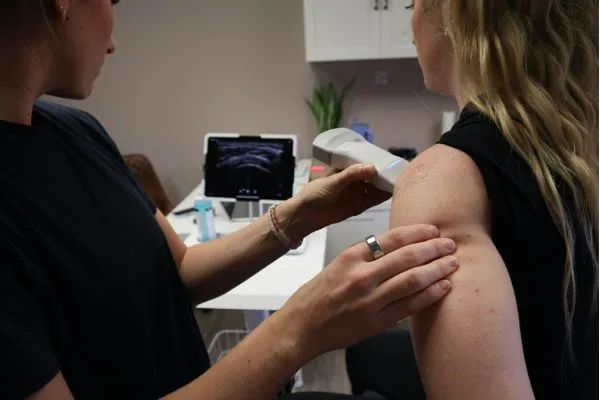

A shoulder dislocation is one of the most common joint injuries, especially among athletes and individuals involved in physically demanding activities. The shoulder joint has the greatest range of motion in the human body, making it more prone to instability and dislocation. Seeking timely shoulder dislocation treatment, Singapore can help reduce pain, restore movement, and prevent repeated injuries.
Whether the injury occurs due to a sports accident, a fall, or trauma, early diagnosis and proper treatment are essential for a successful recovery. In some cases, conservative treatment is enough, while others may require shoulder dislocation surgery Singapore to restore long-term stability.
What Is a Shoulder Dislocation?
A shoulder dislocation occurs when the upper arm bone (humerus) slips out of the shoulder socket (glenoid). Most dislocations are anterior, meaning the humerus moves forward out of the joint. This injury often damages surrounding ligaments, tendons, cartilage, and muscles, increasing the risk of future instability.
People who experience repeated shoulder dislocations often develop chronic shoulder instability, making everyday movements more difficult and increasing the likelihood of further joint damage.
Common Causes of Shoulder Dislocation
Several factors can contribute to a shoulder dislocation, including:
Sports injuries from football, rugby, basketball, swimming, or tennis
Falls onto an outstretched arm
Road traffic accidents
Heavy impact or direct trauma to the shoulder
Previous shoulder dislocations
Naturally loose ligaments or joint hypermobility
Individuals with a history of shoulder instability are more likely to experience recurring dislocations if appropriate treatment is delayed.
Symptoms of a Shoulder Dislocation
A dislocated shoulder typically produces immediate and severe symptoms, such as:
Sudden, intense shoulder pain
Visible deformity of the shoulder
Inability to move the arm normally
Swelling and bruising
Muscle spasms around the shoulder
Weakness or numbness in the arm or fingers
A feeling that the shoulder may "pop out" again
If these symptoms occur after an injury, prompt medical evaluation is important.
Diagnosing a Shoulder Dislocation
An orthopaedic specialist begins with a physical examination to assess the injury. Imaging tests help determine the severity and identify associated damage.
Diagnostic methods may include:
X-rays to confirm the dislocation and detect fractures
MRI scans to evaluate ligament, tendon, and cartilage injuries
CT scans for complex bone injuries
Clinical assessment of shoulder stability and range of motion
A detailed diagnosis allows doctors to recommend the most suitable shoulder dislocation treatment Singapore for each patient.
Shoulder Dislocation Treatment Singapore
Treatment depends on the severity of the injury, the patient's age, activity level, and whether it is the first or a recurrent dislocation.
Closed Reduction
For many first-time dislocations, the shoulder is gently guided back into its normal position through a procedure called closed reduction. This is usually performed under pain relief or sedation.
After reduction, the arm is supported with a sling while healing begins.
Medication
Pain-relieving and anti-inflammatory medications help reduce discomfort and swelling during the early recovery period.
Physiotherapy
Rehabilitation is a vital part of recovery. A structured physiotherapy programme focuses on:
Restoring shoulder mobility
Strengthening shoulder muscles
Improving joint stability
Preventing future dislocations
Returning safely to sports and daily activities
Many patients recover well with physiotherapy when the injury is treated promptly.
When Is Shoulder Dislocation Surgery Singapore Recommended?
While conservative treatment works for some patients, surgery may be necessary in specific situations.
Shoulder dislocation surgery Singapore is commonly recommended if:
The shoulder repeatedly dislocates
There is significant ligament or labrum damage
Bone loss affects shoulder stability
The patient participates in competitive sports
Conservative treatment has failed
There are associated fractures requiring repair
Early surgical intervention can reduce the risk of future instability and long-term joint damage.
Types of Shoulder Dislocation Surgery Singapore
Several surgical techniques may be used depending on the nature of the injury.
Arthroscopic Bankart Repair
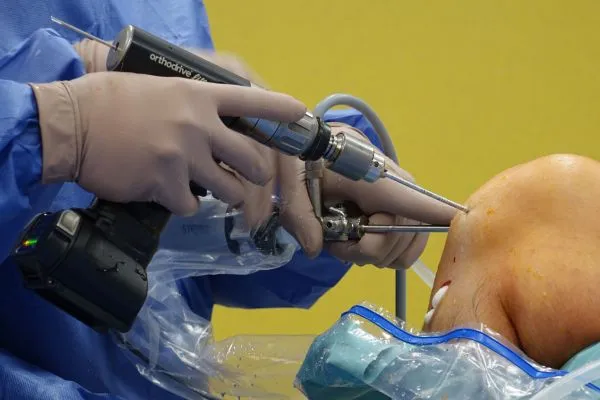
This minimally invasive procedure repairs the torn labrum and ligaments using small incisions and specialised instruments. It restores shoulder stability while minimising tissue damage.
Latarjet Procedure
For patients with significant bone loss or repeated dislocations, the Latarjet procedure transfers a small section of bone to the front of the shoulder socket, providing greater stability.
Rotator Cuff Repair
If the rotator cuff tendons are damaged during the dislocation, they may be repaired at the same time as shoulder stabilisation surgery.
Fracture Fixation
If the dislocation is accompanied by fractures, surgeons may stabilise the broken bones using plates, screws, or other fixation devices.
Benefits of Shoulder Dislocation Surgery Singapore
Surgical treatment offers several long-term advantages, including:
Reduced risk of recurrent dislocations
Improved shoulder stability
Better shoulder strength and function
Relief from chronic pain
Protection against further cartilage damage
Faster return to sports and active lifestyles
Improved confidence in shoulder movement
Many patients regain excellent shoulder function with proper rehabilitation following surgery.
Recovery After Shoulder Dislocation Surgery
Recovery varies depending on the surgical procedure and the extent of the injury.
Most rehabilitation programmes include:
First Few Weeks
Wearing a shoulder sling
Managing pain and swelling
Gentle passive exercises
4–8 Weeks
Gradual improvement in shoulder movement
Supervised physiotherapy
Light daily activities
2–4 Months
Strengthening exercises
Improved shoulder control
Progressive return to work
4–6 Months
Return to sports and demanding physical activities after medical clearance
Following rehabilitation instructions carefully is essential for achieving the best outcome.
Tips to Prevent Future Shoulder Dislocations
Although not every injury can be prevented, the following measures reduce the risk:
Strengthen the shoulder and upper back muscles
Warm up properly before exercise
Practise correct sporting techniques
Avoid returning to sports too early after injury
Wear appropriate protective equipment
Continue shoulder strengthening exercises after recovery
Maintaining shoulder strength and stability helps minimize the chances of recurrent dislocations.
Conclusion
A shoulder dislocation can significantly affect daily activities, work, and sports participation if left untreated. Early diagnosis and appropriate shoulder dislocation treatment Singapore can relieve pain, restore mobility, and prevent long-term complications. For patients with recurrent instability or severe soft tissue damage, shoulder dislocation surgery Singapore provides a reliable solution for restoring joint stability and improving long-term shoulder function. With expert medical care, personalised rehabilitation, and proper preventive measures, most individuals can return safely to their normal activities with renewed confidence.






















Sign in to leave a comment.