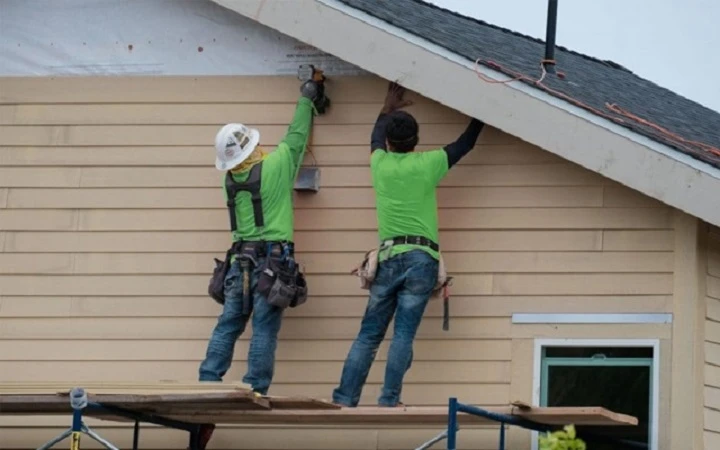

Engaging Introduction. For many homeowners, exterior siding plays a crucial role in protecting a property from weather, moisture, and long-term structural damage. While it is often viewed primarily as an aesthetic feature, siding is also a key component of a home's exterior envelope. Proper installation affects insulation, moisture control, durability, and overall building performance.
Siding installation services involve more than attaching panels to exterior walls. The process includes structural inspection, moisture barriers, insulation layers, fastening systems, and careful alignment of materials designed to withstand local weather conditions. In places like New Palestine, Indiana, where homes experience seasonal temperature changes, these installation details become especially important.
Understanding how siding installation works can help homeowners make informed decisions when maintaining or renovating their property. Many property owners are familiar with roofing repairs or painting projects, but may not realize that siding requires specialized installation practices and tools.
This guide explains how siding installation services function in real residential projects. It covers the materials used, the roles of professionals, common mistakes homeowners encounter, and best practices to help ensure a durable exterior.
Understanding the Purpose of Exterior Siding
Exterior siding acts as the protective shell of a home. Its primary purpose is to shield structural components such as framing and sheathing from weather exposure, including rain, snow, wind, and sunlight. Without properly installed siding, moisture can penetrate walls and cause rot, mold growth, or insulation damage.
Siding also contributes to a home's thermal efficiency. Many installation systems include house wrap, foam board insulation, or weather barriers placed beneath the siding panels. These layers help reduce air infiltration and maintain consistent indoor temperatures.
Several materials are commonly used for residential siding:
- Vinyl siding
- Fiber cement boards
- Engineered wood panels
- Aluminum siding
- Natural wood siding
Each material has unique installation requirements. Vinyl panels expand and contract with temperature changes, requiring flexible fastening techniques. Fiber cement boards require specialized cutting tools and dust protection during installation.
Professional installers evaluate wall surfaces, framing conditions, and moisture protection before beginning work. This preparation stage ensures the siding system performs correctly over the long term.
Key Steps in the Siding Installation Process
Siding installation follows a structured workflow designed to protect the building structure and ensure proper alignment of materials.
The process typically begins with a full exterior inspection. Contractors check for damaged sheathing, water intrusion, or structural irregularities that must be addressed before new siding can be installed.
Next, installers remove existing siding if necessary. Old nails, trim pieces, and flashing are carefully removed to avoid damaging underlying materials.
Once the wall surface is exposed, crews install a weather-resistant barrier, often called house wrap. This layer prevents moisture from entering the wall cavity while still allowing trapped vapor to escape.
After this step, installers place starter strips along the bottom edge of the wall. These strips establish the alignment for the first row of siding panels.
Panels are then installed sequentially from the bottom upward. Proper spacing and fastening allow materials to move slightly with temperature changes without warping.
Corner posts, window trim, and flashing systems are installed last to seal edges and prevent water intrusion around openings.
Tools and Equipment Used in Siding Work
Professional siding crews rely on a range of specialized tools designed for accuracy, safety, and efficiency.
Common tools include:
Siding nailers
Pneumatic nail guns allow installers to fasten panels quickly while maintaining consistent depth.
Tin snips and siding shears
These tools cut metal or vinyl siding without damaging edges.
Fiber cement saws
Specialized circular saws equipped with dust reduction systems are used when cutting fiber cement boards.
Chalk lines and levels
Accurate alignment ensures siding rows remain straight across long wall surfaces.
Utility knives and scoring tools
Vinyl siding panels are often scored and snapped rather than cut fully through.
Safety equipment is also essential. Installers typically use:
- Protective eyewear
- Gloves
- Respirators when cutting fiber cement
- Ladder stabilization systems
The combination of proper tools and experienced handling helps reduce installation errors and ensures panels remain secure during severe weather conditions.
Professional Roles in Residential Siding Projects
A siding installation project usually involves several professionals who handle different responsibilities throughout the process.
Project estimators or inspectors evaluate the property and determine material quantities, labor requirements, and structural conditions that may affect installation.
Installation crews perform the physical work of preparing wall surfaces, attaching weather barriers, and fastening siding panels. These workers must understand fastening patterns, expansion spacing, and flashing techniques.
Project supervisors coordinate the workflow and ensure the installation follows manufacturer guidelines and local building codes.
Roofing and exterior contractors sometimes manage siding projects as part of broader exterior renovation work. For example, companies involved in roofing and exterior construction, such as Guardian Exteriors, may also handle siding installation as part of full exterior system upgrades where roofing, gutters, and wall cladding interact.
Proper coordination among these professionals ensures siding integrates correctly with other exterior elements such as roof flashing, soffits, and drainage systems.
Weather, Safety, and Building Code Considerations
Exterior construction work requires careful attention to weather conditions and safety procedures. Siding installation can be affected by temperature, wind, and moisture.
Vinyl siding should not be installed during extremely cold conditions because the material becomes brittle and more prone to cracking. Fiber cement boards require careful dust management to protect workers from inhaling silica particles during cutting.
Ladder safety is another critical concern. Installers frequently work at heights along multi-story walls. Secure ladder placement and fall protection systems reduce the risk of accidents.
Local building codes also influence siding installation practices. Codes may specify:
- Fire resistance requirements
- Wind load resistance ratings
- Moisture barrier installation
- Insulation standards
In regions like Indiana, building codes often include guidelines for moisture control and weather resistance because seasonal storms and humidity fluctuations can affect exterior materials.
Following these regulations helps ensure the siding system performs reliably and protects the home's structure over time.
Real World Example of a Residential Siding Project
Consider a typical renovation scenario involving a two-story home built in the early 1990s. The homeowner notices warped siding panels and signs of moisture near window frames after several years of exposure to seasonal storms.
During the inspection, installers discovered that the original siding lacked a modern moisture barrier. Water had slowly seeped behind the panels, affecting sections of the wall sheathing.
The project begins with the removal of the damaged siding and the replacement of compromised sheathing boards. Crews then install house wrap and flashing around windows and doors before attaching new siding panels.
Because the home faces strong prevailing winds, installers also adjust fastening spacing to meet local wind resistance guidelines.
After the project is completed, the siding not only improves the home's appearance but also restores its weather protection and energy efficiency.
This example illustrates how siding installation often involves structural evaluation and moisture control rather than simply replacing exterior panels.
Common Mistakes and Misconceptions
Many homeowners misunderstand how siding systems function, which can lead to costly mistakes.
One common misconception is that siding alone prevents water from entering the wall. In reality, the siding layer works together with flashing and weather barriers to manage moisture.
Another mistake is improper fastening. Driving nails too tightly can prevent vinyl panels from expanding and contracting naturally. Over time, this may cause buckling or warped siding.
DIY repairs sometimes overlook alignment and spacing requirements. Even small deviations in the first row of panels can cause noticeable uneven lines across the entire wall.
Some homeowners also assume that new siding can always be installed directly over old materials. While this may work in certain cases, it can hide underlying structural issues or moisture damage.
Understanding these risks helps homeowners recognize why professional evaluation and careful installation practices are important.
Practical Advice for Homeowners
Homeowners considering siding installation services can benefit from several practical guidelines.
First, schedule a detailed exterior inspection before choosing materials. Wall condition, climate exposure, and insulation needs often influence which siding system performs best.
Second, ask about moisture management. Proper flashing, weather barriers, and drainage channels are essential parts of any siding system.
Third, review the manufacturer's installation guidelines. Many siding materials include specific fastening patterns and spacing rules that installers must follow.
It is also helpful to consider long-term maintenance. Some materials require periodic painting or sealing, while others are designed for minimal upkeep.
Finally, homeowners should understand how siding interacts with other exterior components such as roofing edges, gutters, and window trim. A coordinated approach ensures the entire building envelope functions properly rather than treating siding as an isolated upgrade.
Frequently Asked Questions
1. How long does siding installation typically take?
Most residential siding projects take between three and seven days, depending on home size, material type, and weather conditions.
2. Can siding improve energy efficiency?
Yes. Many installations include insulation boards or house wrap that reduce air leaks and improve temperature control.
3. Do installers need to remove old siding first?
In many cases, yes. Removing old siding allows professionals to inspect sheathing and install moisture barriers properly.
4. What siding material lasts the longest?
Fiber cement and engineered wood systems are known for durability when installed and maintained correctly.
5. How often should siding be inspected?
Homeowners should visually inspect siding once or twice per year and after severe storms.
Conclusion
Siding is an essential component of a home's exterior protection system. Beyond its visual appeal, it helps shield structural elements from moisture, wind, and temperature changes.
Siding installation services involve careful planning, proper materials, and specialized tools to ensure each panel functions as part of a larger weather-resistant system. From surface preparation to flashing and fastening, every step contributes to the durability of the finished exterior.
By understanding the installation process, common mistakes, and maintenance considerations, homeowners can better evaluate siding projects and make informed decisions about protecting their property for years to come.
























Sign in to leave a comment.