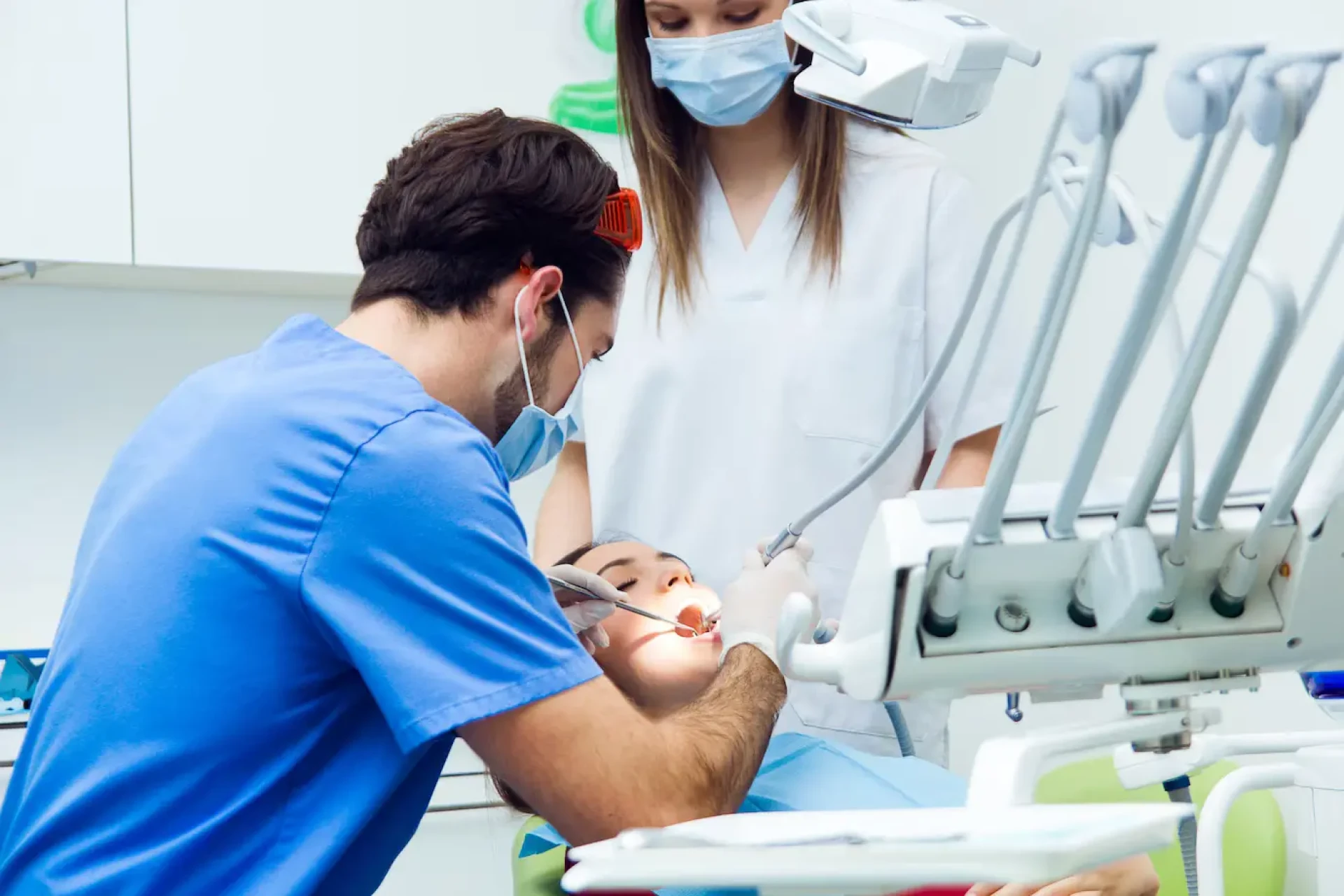

Many people postpone dental visits until discomfort becomes unbearable. Unfortunately, waiting too long can turn a minor dental issue into a painful and expensive problem. Your mouth often gives early warning signs when something isn’t right. Recognizing these symptoms early and seeking professional care can protect not just your smile, but your overall health.
Here are the most important signs that indicate you should visit a dentist immediately.
1. Persistent Tooth Pain
Tooth pain is one of the most obvious warning signs. While occasional mild sensitivity might not be urgent, continuous or severe tooth pain should never be ignored.
Toothaches can be caused by:
- Deep cavities
- Infections
- Cracked teeth
- Gum disease
- Dental abscesses
If the pain lasts more than a day, worsens when chewing, or radiates to your jaw or ear, it’s time to seek immediate dental care. Ignoring persistent pain may allow infection to spread deeper into the tooth or surrounding tissues.
2. Swollen or Bleeding Gums
Healthy gums should not bleed frequently. If you notice bleeding while brushing or flossing, especially along with redness and swelling, it could be an early sign of gum disease.
Untreated gum disease can lead to:
- Gum recession
- Bone loss
- Loose teeth
- Tooth loss
In advanced stages, it may even impact your general health. Addressing gum issues early can prevent long-term complications and costly treatments.
3. Sudden Sensitivity to Hot or Cold
A sudden increase in tooth sensitivity may signal enamel erosion, decay, exposed roots, or even a developing infection. If you experience sharp pain when consuming hot coffee or cold drinks, don’t dismiss it as minor.
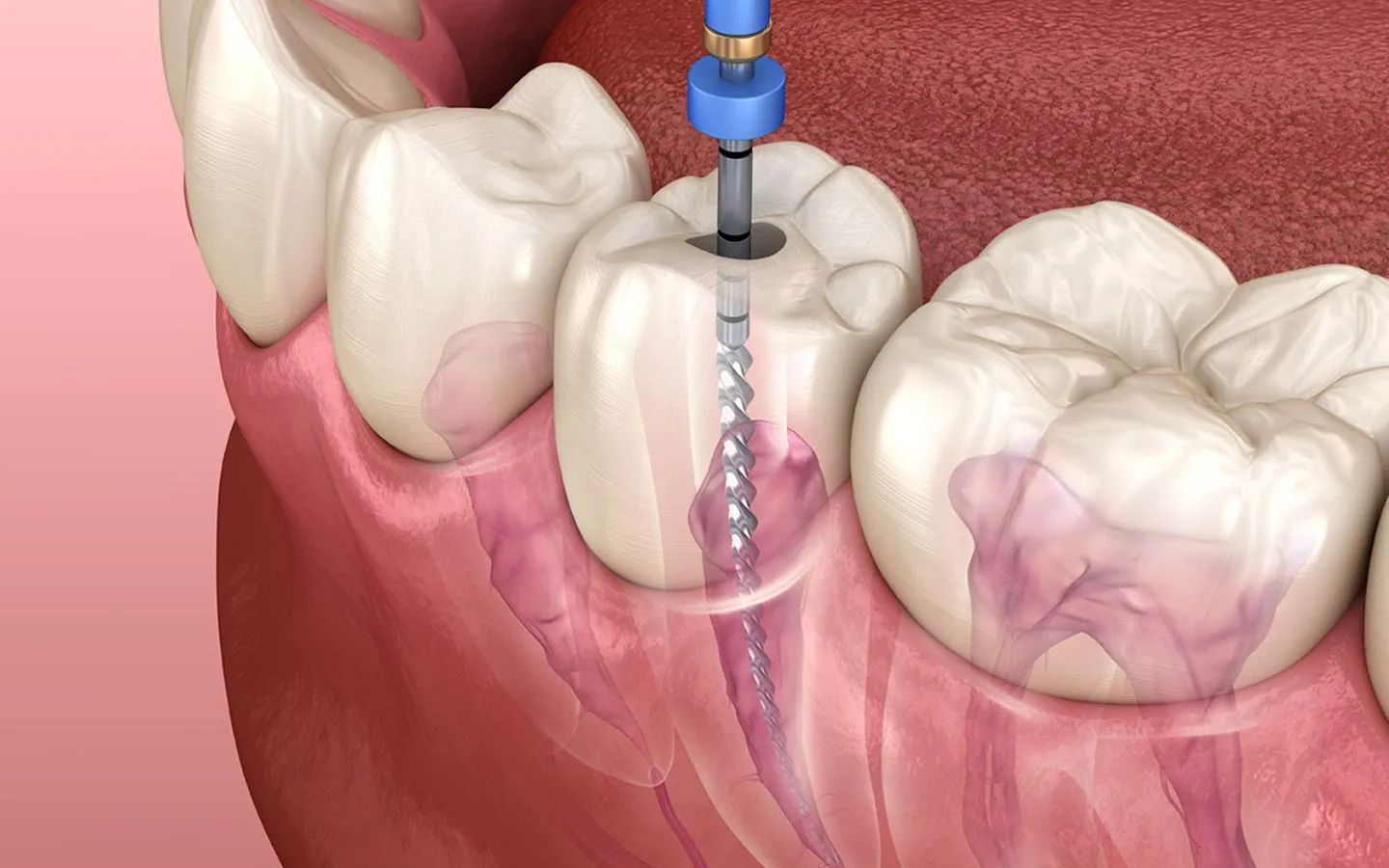
Early intervention can prevent the need for more complex treatments like root canal therapy. Sensitivity is often your tooth’s way of alerting you to an underlying problem.
4. Facial or Jaw Swelling
Swelling in your face, jaw, or around a tooth is a serious symptom. It may indicate a dental abscess — a pocket of infection caused by bacteria.
Signs of a dental abscess include:
- Severe throbbing pain
- Fever
- Swollen lymph nodes
- Bad taste in the mouth
- Difficulty swallowing
A dental abscess requires immediate attention. Left untreated, the infection can spread to other parts of the body and become life-threatening.
5. Loose or Shifting Teeth
Adult teeth should never feel loose. If you notice that a tooth is moving or your bite feels different, it may be a sign of advanced gum disease or bone loss.
At this stage, professional treatment is critical. Early management can sometimes save the tooth and stabilize your oral health.
If you’re experiencing any of these symptoms and are looking for a trusted dentist in Mysore, seeking timely care can make all the difference. At Murthy Dental Clinic, patients receive comprehensive evaluation and prompt treatment for dental emergencies and urgent oral health concerns. Early diagnosis not only relieves pain but also prevents more serious complications in the future.
6. Cracked, Chipped, or Broken Teeth
Even if there is no immediate pain, a cracked or broken tooth should be examined promptly. Damage can expose the inner pulp, increasing the risk of infection.
You should visit a dentist immediately if:
- A large piece of the tooth has broken off
- You feel pain when biting
- The tooth has sharp edges causing irritation
- There is bleeding around the damaged tooth
Quick treatment can often restore the tooth with bonding, crowns, or other restorative procedures.
7. Persistent Bad Breath
Occasional bad breath is common, especially after eating certain foods. However, chronic bad breath or a constant bad taste in the mouth may signal an underlying issue such as gum disease, tooth decay, or infection.
If brushing, flossing, and mouthwash do not improve the problem, it’s important to have a professional evaluation.
8. Mouth Sores That Don’t Heal
Minor mouth sores typically heal within 1–2 weeks. However, sores that persist longer should be examined by a dental professional.
Watch out for:
- White or red patches
- Unusual lumps
- Unexplained bleeding
- Pain while chewing or swallowing
In rare cases, these symptoms could indicate serious conditions such as oral cancer. Early detection significantly improves outcomes.
9. Dry Mouth
Saliva helps wash away bacteria and protect your teeth. Persistent dry mouth increases the risk of cavities and gum disease.
Dry mouth may be caused by medications, dehydration, or certain medical conditions. If the problem continues, a dentist can recommend treatments to protect your oral health.
10. Dental Trauma or Injury
Accidents, sports injuries, or falls can damage teeth and gums. Immediate care is essential if:
- A tooth is knocked out
- There is heavy bleeding
- The jaw feels misaligned
- You experience severe pain
If a tooth is knocked out, place it in milk or saline and seek emergency dental care immediately. Acting quickly can sometimes save the tooth.
Why Immediate Dental Attention Matters
Delaying treatment can lead to:
- Increased pain
- More complex procedures
- Higher treatment costs
- Permanent tooth loss
- Spread of infection
Most serious dental problems begin as small, manageable issues. Addressing symptoms early ensures simpler, less invasive solutions.
Listen to Your Body
Your mouth provides important clues about your health. Persistent pain, swelling, bleeding, or unusual changes should never be ignored. When in doubt, consult a dental professional rather than waiting for symptoms to worsen.
Protecting your smile starts with paying attention to warning signs and taking prompt action. Immediate dental care not only saves your teeth but also safeguards your overall well-being.
If you notice any of the signs mentioned above, schedule a dental appointment as soon as possible. Early care is always the best care.
Original Sources : - Signs You Should Visit a Dentist Immediately


























Sign in to leave a comment.