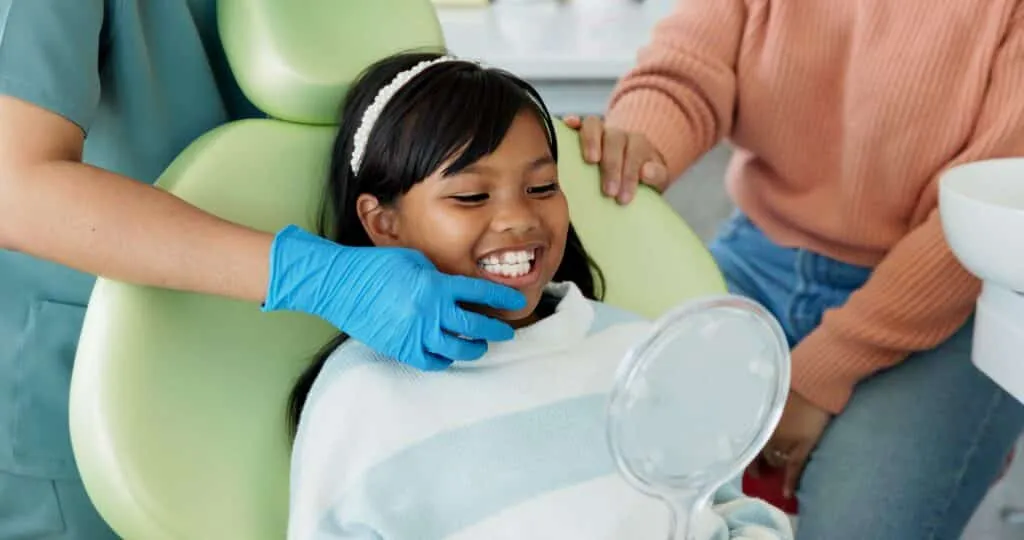

A child’s smile is precious, and maintaining good oral health from an early age plays a major role in their overall well-being. Many parents assume dental visits are only necessary when a child complains about tooth pain, but pediatric dental issues often develop silently.
Recognizing the early signs of dental problems can help prevent discomfort, expensive treatments, and long-term oral health complications.
Pediatric dentistry focuses on the dental care needs of infants, children, and teenagers. Pediatric dentists are specially trained to manage growing teeth, gums, and jaw development while creating a comfortable experience for young patients.
Understanding the warning signs that your child may need pediatric dental treatment can help parents take timely action and protect their child’s healthy smile.
Frequent Tooth Pain or Sensitivity
One of the most common signs your child may need dental treatment is persistent tooth pain or sensitivity. Children may complain about discomfort while eating hot, cold, or sweet foods. In some cases, they may avoid chewing on one side of the mouth or refuse certain foods altogether.
Tooth pain can indicate:
- Cavities
- Tooth decay
- Gum infection
- Cracked teeth
- Dental abscesses
Ignoring dental pain can lead to worsening infections and more complicated treatments. If your child repeatedly mentions tooth discomfort, scheduling a dental visit is important.
Bleeding or Swollen Gums
Healthy gums should not bleed during brushing or flossing. If your child experiences swollen, red, or bleeding gums, it could be an early sign of gum disease or poor oral hygiene.
Common causes include:
- Plaque buildup
- Gingivitis
- Improper brushing techniques
- Vitamin deficiencies
Early treatment can reverse mild gum issues before they become serious. Teaching children proper brushing habits and maintaining regular dental checkups can significantly improve gum health.
Persistent Bad Breath
Occasional bad breath is normal, especially after eating certain foods. However, chronic bad breath in children may indicate underlying dental problems.
Possible causes include:
- Tooth decay
- Gum infections
- Food particles trapped between teeth
- Dry mouth
- Poor oral hygiene
A pediatric dentist can identify the root cause and recommend proper treatment to restore fresh breath and oral health.
White Spots or Dark Stains on Teeth
Changes in tooth color should never be ignored. White spots may be an early sign of enamel weakening or cavity formation, while brown or black spots often indicate tooth decay.
Early detection is essential because cavities in children can spread quickly due to thinner enamel. Prompt treatment can prevent pain and protect developing teeth.
Parents should regularly inspect their child’s teeth for unusual discoloration and schedule routine dental exams.
Difficulty Chewing or Biting
If your child avoids crunchy foods, complains while chewing, or struggles to bite properly, it may signal a dental issue.
Potential causes include:
- Tooth decay
- Loose fillings
- Misaligned teeth
- Jaw problems
- Tooth sensitivity
Difficulty chewing can also affect nutrition and eating habits. Pediatric dental evaluation can identify the problem and provide appropriate treatment options.
Thumb Sucking Beyond Early Childhood
Thumb sucking is common among infants and toddlers. However, if the habit continues beyond age four or five, it can affect dental and jaw development.
Prolonged thumb sucking may cause:
- Misaligned teeth
- Bite problems
- Changes in jaw shape
- Speech difficulties
A pediatric dentist can guide parents on how to help children stop the habit and monitor any impact on oral development.
Delayed Tooth Eruption or Tooth Loss
Children typically follow a predictable pattern for baby teeth eruption and loss. Significant delays or early tooth loss may require professional attention.
Dental concerns related to abnormal tooth development include:
- Impacted teeth
- Nutritional deficiencies
- Genetic conditions
- Infection or trauma
Monitoring tooth eruption milestones is important to ensure proper oral development and alignment.
Teeth Grinding During Sleep
Teeth grinding, also known as bruxism, is fairly common in children. While occasional grinding may not be serious, frequent grinding can damage teeth and strain jaw muscles.
Signs of grinding include:
- Worn tooth surfaces
- Jaw pain
- Morning headaches
- Sleep disturbances
Stress, misaligned teeth, or sleep disorders may contribute to bruxism. Pediatric dentists can recommend protective measures and identify underlying causes.
Crooked or Crowded Teeth
Misaligned teeth are more than a cosmetic issue. Crowded or crooked teeth can make brushing and flossing difficult, increasing the risk of cavities and gum disease.
Early orthodontic evaluation helps identify:
- Bite problems
- Jaw alignment issues
- Overcrowding
- Spacing concerns
Timely intervention may reduce the need for extensive orthodontic treatment later in life.
Seeking treatment from a trusted pediatric dentistry in Mysore can help identify dental concerns early and ensure your child receives proper care in a comfortable environment. Clinics like Murthy Dental Clinic focus on preventive and child-friendly treatments that support healthy oral development from infancy through adolescence
Mouth Breathing
Consistent mouth breathing, especially during sleep, may indicate oral or airway issues. Children who breathe through their mouths often experience dry mouth, which increases the risk of tooth decay and gum problems.
Mouth breathing may also contribute to:
- Poor sleep quality
- Facial development issues
- Bad breath
- Snoring
A pediatric dentist can evaluate oral structures and collaborate with medical professionals if needed.
Dental Injuries or Trauma
Children are active and accidents are common. Falls, sports injuries, or rough play can result in chipped, cracked, or knocked-out teeth.
Even minor dental injuries should be examined because untreated trauma can affect:
- Tooth roots
- Permanent tooth development
- Jaw alignment
- Oral function
Immediate dental care improves the chances of saving damaged teeth and preventing complications.
Fear or Anxiety About Dental Care
If your child becomes extremely anxious about dental visits or oral care, it may indicate previous discomfort or untreated dental problems.
Pediatric dentists are trained to create child-friendly environments and help children feel comfortable during treatment. Addressing dental fears early can build positive oral health habits for life.
Importance of Regular Pediatric Dental Checkups
Routine dental visits are essential even if no visible problems exist. Preventive care allows pediatric dentists to detect issues early and provide guidance on:
- Proper brushing and flossing
- Nutrition for healthy teeth
- Fluoride treatments
- Dental sealants
- Oral habit correction
Experts generally recommend scheduling a child’s first dental visit by their first birthday or when the first tooth appears.
Tips for Maintaining Your Child’s Oral Health
Parents can help protect their child’s smile by following simple preventive practices:
- Encourage brushing twice daily with fluoride toothpaste
- Teach proper flossing habits
- Limit sugary snacks and drinks
- Schedule regular dental checkups
- Provide a balanced, tooth-friendly diet
- Replace toothbrushes every three months
- Use mouthguards during sports activities
Building healthy habits early creates a strong foundation for lifelong oral health.
Children may not always communicate dental discomfort clearly, which is why parents should pay close attention to warning signs. Tooth pain, gum issues, bad breath, discoloration, and chewing difficulties are all indicators that professional dental care may be needed.
Early diagnosis and treatment can prevent small problems from becoming serious complications. Pediatric dentists play a vital role in ensuring children develop healthy teeth, proper oral habits, and confidence in their smiles.
By staying proactive and scheduling regular dental visits, parents can help their children enjoy strong, healthy smiles for years to come.





























Sign in to leave a comment.