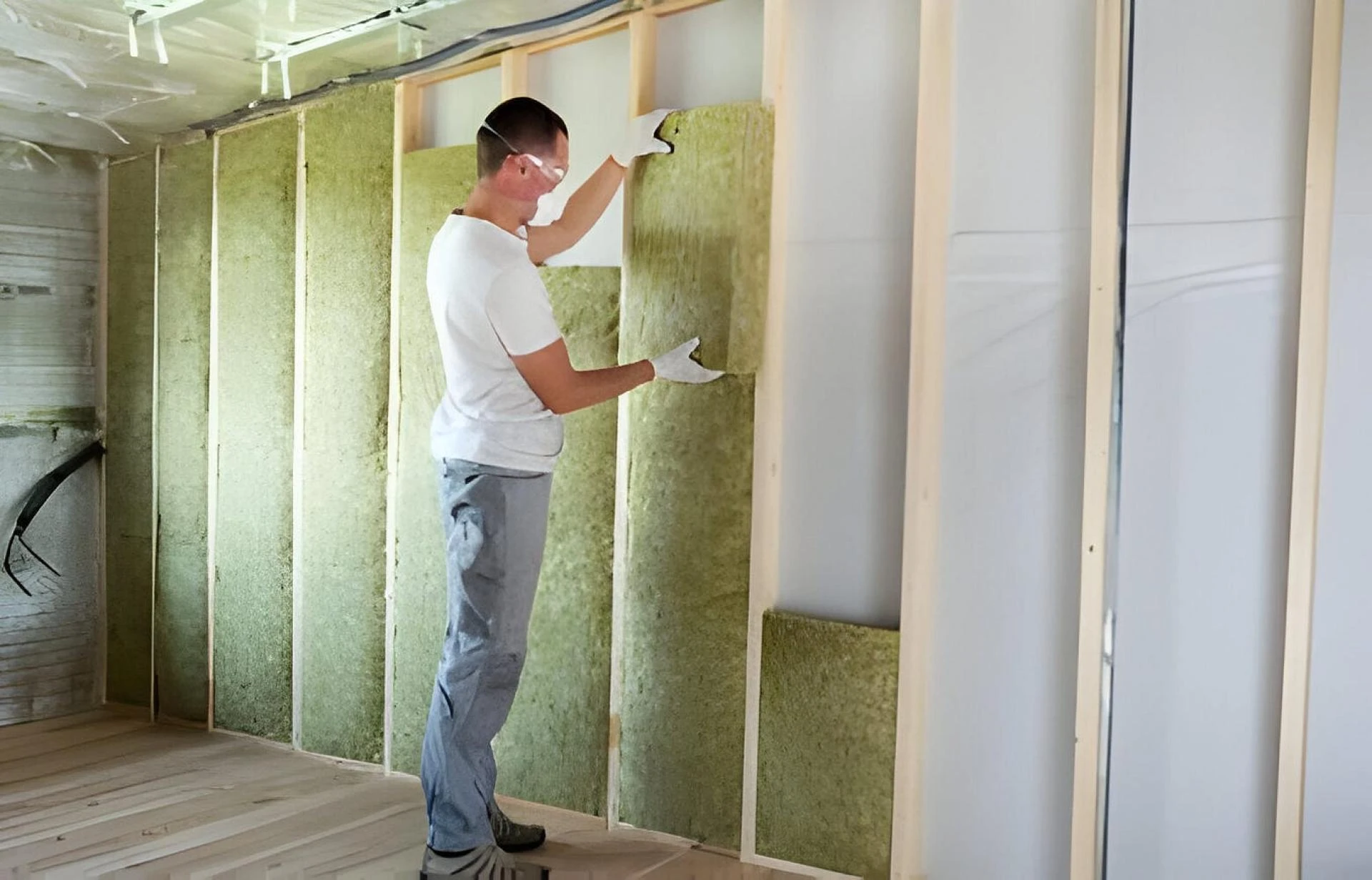

Homeowners often identify poor wall insulation through rapidly rising energy bills, noticeable drafts, and inconsistent room temperatures. When the barrier between the interior living space and the outside environment fails, the building loses conditioned air, forcing mechanical systems to work harder. These signs indicate that the current material has likely settled, degraded, or was never installed with a proper air seal in place.
Addressing these indicators early prevents long term structural damage and high utility costs. Property owners frequently find that upgrading to modern materials like spray foam provides a permanent solution to these common residential problems. This guide outlines the specific physical and financial warnings that suggest a home requires professional wall insulation attention to maintain comfort and efficiency.
Edith provides perspective from years of managing residential properties where energy performance directly impacts tenant satisfaction and building value. William Harris reviewed this information, bringing nearly a decade of technical knowledge from the spray foam field to ensure these recommendations meet high industry standards. Their shared expertise helps clarify why certain household issues are directly linked to the state of the wall cavities.
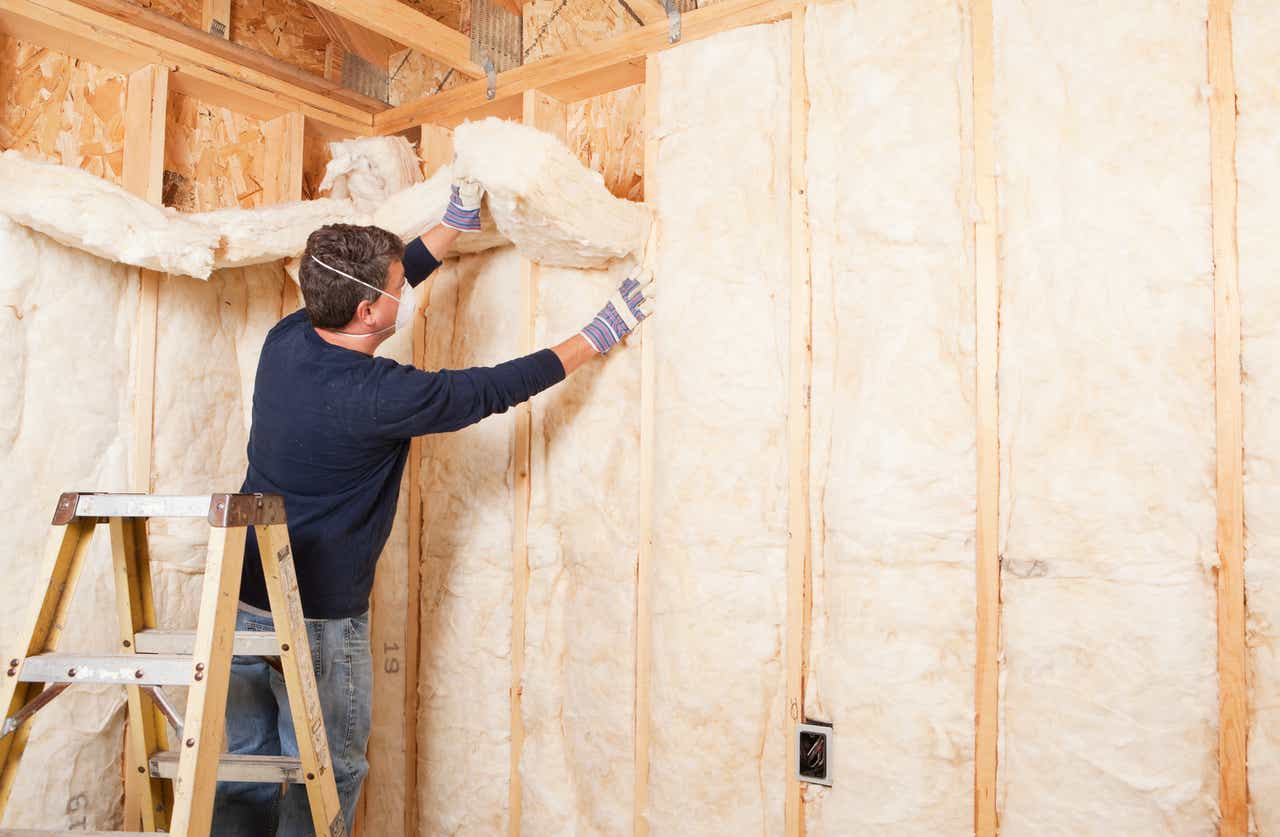
Primary Indicators of Thermal Failure
The most direct sign that walls lack proper protection is a building that cannot hold its temperature for long periods. If the furnace or air conditioner cycles on and off constantly, it means the thermal envelope is leaking air or allowing heat transfer. Many older properties rely on outdated materials that do not provide the airtight seal necessary for modern energy standards.
Drafts felt near electrical outlets or along baseboards are clear evidence of air infiltration through the wall system. These leaks allow outside humidity and pollutants to bypass the building’s defenses, leading to a less comfortable and less healthy indoor environment. Identifying these entry points is the first step toward reclaiming control over the home climate.
Unexplained Increases in Monthly Utility Bills
Monthly energy costs provide a measurable record of a building’s efficiency or lack thereof. Data shows that air leakage can account for up to 40 percent of the energy used for heating and cooling in a typical residence. When bills spike without a corresponding change in usage habits, the insulation is often the culprit.
Property owners should compare their current utility costs to the same months in previous years to track performance trends. A steady increase often points to insulation that has settled or shifted within the walls, leaving large gaps unprotected. Sealing these gaps is a practical way to stop financial waste and improve the building's bottom line.
Persistent Drafts and Temperature Imbalances
Inconsistent temperatures between rooms suggest that certain wall sections are not performing as well as others. If the living room stays cool while a bedroom feels sweltering, the insulation density is likely uneven. This imbalance forces residents to avoid certain parts of their home during extreme weather, reducing the total usable living space.
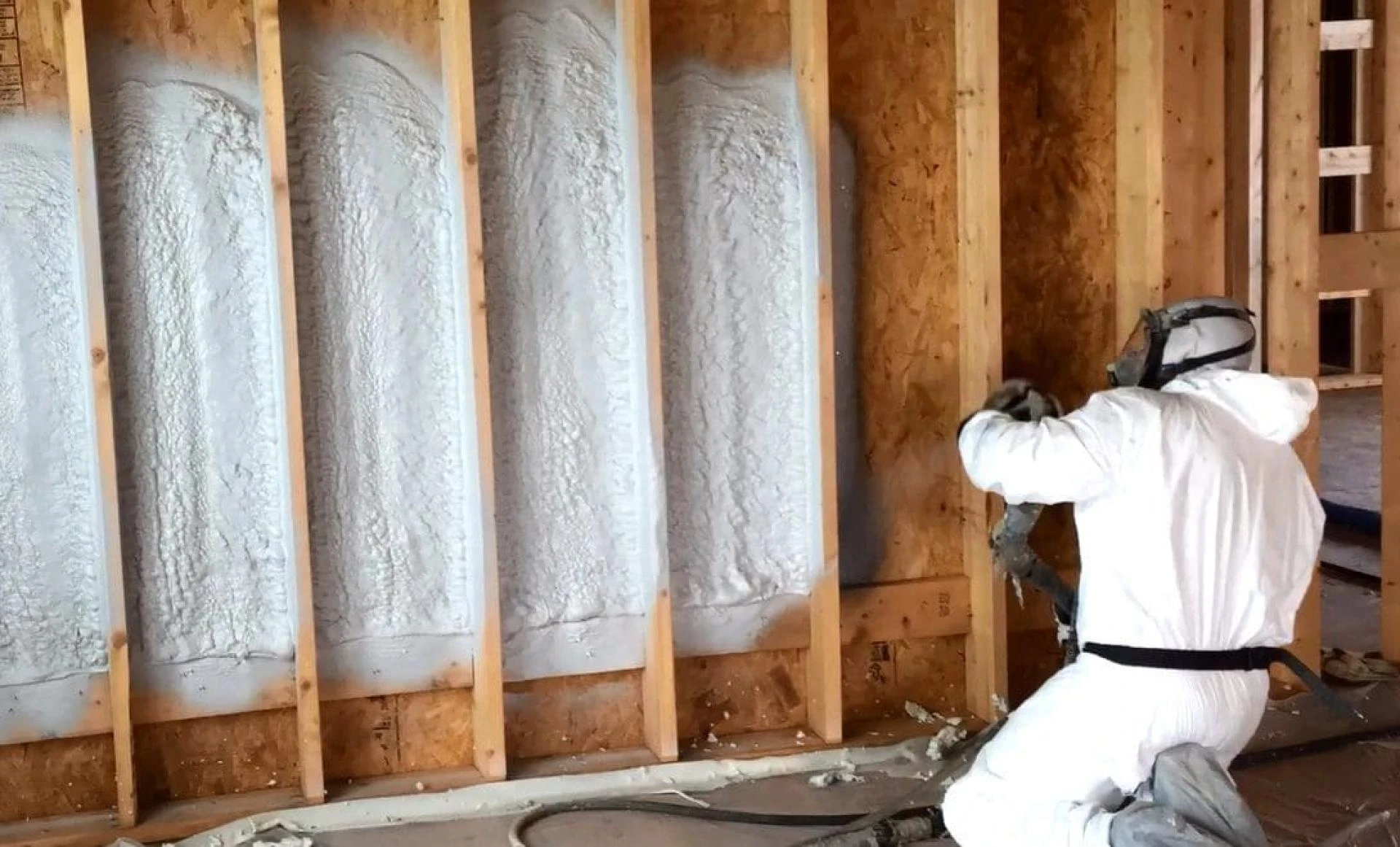
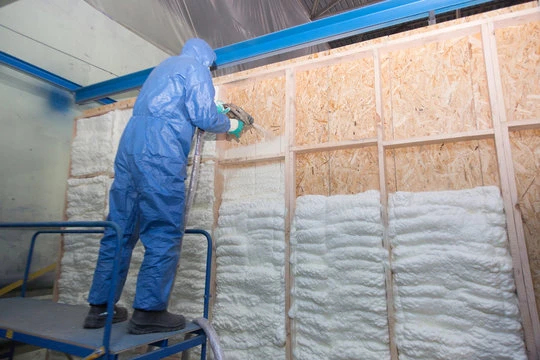
Convection currents can form inside hollow or poorly insulated wall cavities, moving heat from the warm side to the cold side. This process happens even if the walls look solid from the outside. Modern spray foam stops this movement by filling the entire cavity and bonding directly to the wooden studs.
Feeling Cold Surfaces During Winter
Interior wall surfaces should stay relatively close to the room temperature if they are well protected. If a wall feels icy to the touch during a cold snap, it indicates that the thermal barrier is insufficient. This lack of resistance allows heat to conduct through the building materials and escape into the outdoors.
This conduction makes the heater run longer and can lead to discomfort for anyone sitting near the exterior walls. Improving the R-value per inch of the wall material solves this problem by creating a more effective shield. This change makes the interior environment feel much more stable regardless of the season.
Bonus Tip Check Behind Furniture
Dust patterns or mold growth on the back of furniture pushed against exterior walls can signal air leaks. Cold air seeping through the wall meets warm indoor air, creating condensation that traps dust or encourages fungal growth. Moving a sofa and inspecting the wall behind it can reveal hidden insulation gaps.
Physical and Structural Warning Signs
Physical damage to walls often stems from moisture issues caused by poor insulation and air sealing. In humid regions like North Carolina, moist air can enter wall cavities and condense on the cooler interior surfaces. This leads to peeling paint, bubbling wallpaper, and staining that homeowners often mistake for roof leaks.
Mold growth is a serious sign that the wall system is failing to manage vapor and temperature. Materials like fiberglass often trap moisture and provide a breeding ground for allergens that can enter the air supply. Choosing a moisture resistant insulation material prevents these structural and health related complications.
Moisture Accumulation and Mold Growth
High humidity levels can cause significant damage when the building envelope is not airtight. When warm, moist air penetrates the walls, it reaches its dew point and turns into liquid water inside the structure. This hidden moisture causes wood rot and can weaken the entire frame of the house over time.
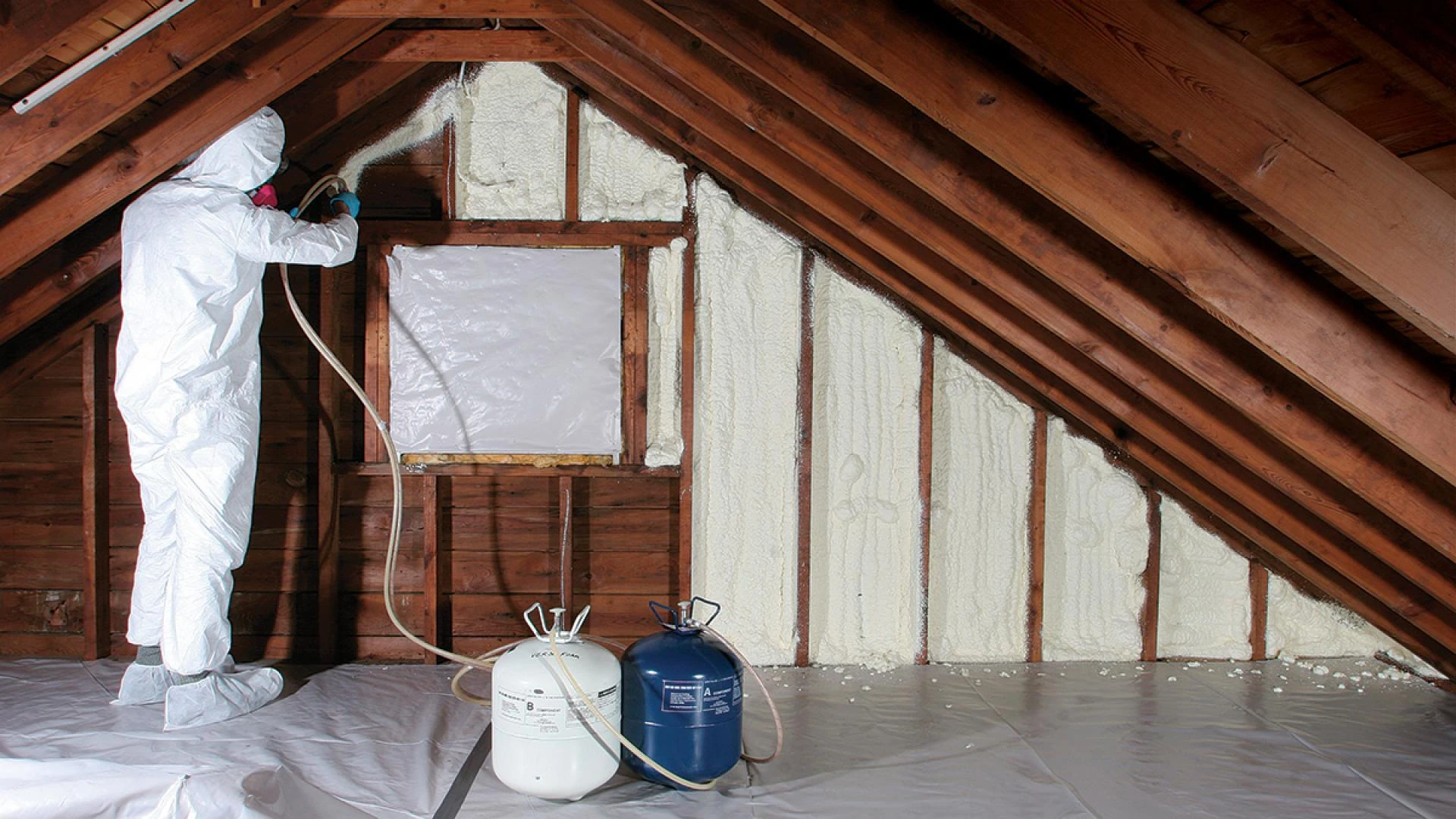
Spray foam acts as both an insulator and a vapor retarder, which stops this moisture cycle. By preventing condensation, it protects the wooden studs and prevents the growth of mold. This protection is a necessary part of maintaining a healthy and durable home in southern climates.
Pest Infiltration Through Wall Cavities
Insects and rodents often use small gaps in the building exterior to enter the wall cavities for nesting. Traditional insulation materials like cellulose or fiberglass can be easily moved or chewed by these intruders. Once pests are inside the walls, they can damage wiring and leave behind waste that ruins indoor air quality.
Closed cell spray foam hardens into a dense plastic that is much more difficult for pests to penetrate. It also seals the tiny holes and cracks that pests use as highways into the building. A solid barrier is a natural deterrent that keeps the home interior sanitary and safe from unwanted visitors.
Comparison of Common Insulation Materials
Selecting the right replacement material requires an understanding of how different products perform over time. While some options are cheaper upfront, they may not offer the long term benefits of an air seal. The following table highlights the differences between popular residential insulation choices.
| Feature | Spray Foam Insulation | Fiberglass Batts | Cellulose Blown In |
|---|---|---|---|
| Air Sealing Ability | Excellent | Poor | Moderate |
| R-Value per Inch | 3.5 to 7.0 | 2.2 to 2.9 | 3.2 to 3.8 |
| Life Expectancy | 80 plus years | 15 to 25 years | 20 to 30 years |
| Resistance to Pests | High | Low | Moderate |
| Moisture Resistance | High | Low | Low |
Things to Consider Before Making a Decision
Property owners must evaluate their specific goals and the current condition of their walls before choosing an upgrade. They should consider if they need noise reduction, moisture protection, or just lower energy bills. These factors help determine whether open cell or closed cell materials are the best fit for the project.
- Assess the age of the house and any previous history of wall repairs.
- Identify specific rooms that suffer from noise infiltration or temperature swings.
- Determine if the budget allows for a full wall upgrade or targeted areas.
- Check for local utility rebates that support energy efficiency improvements.
- Consult with professionals to see if injection foam is an option for finished walls.
Regional Climate Factors for North Carolina Homes
The Raleigh area experiences significant humidity and seasonal temperature fluctuations that test building materials. High vapor pressure during the summer can push moisture into the walls, while winter cold snaps can cause pipes to freeze. Reliable wall insulation protects against both extremes by managing how heat and air move through the house.
Local homes often struggle with dampness in the crawlspace that rises into the walls through the floor plates. Sealing these entry points with high performance materials stops the musty odors and humidity from entering the living space. This regional focus is important for maintaining a comfortable and dry home environment year round.
Bonus Tip Infrared Thermal Scans
Professionals can use infrared cameras to see exactly where heat is escaping through the walls. These scans reveal missing insulation or air leaks that are invisible to the naked eye. Asking for a thermal audit before starting a project ensures that the work targets the actual problem areas.
Questions People Ask About Wall Insulation
How do I know if my walls have any insulation?
Homeowners can check by removing an electrical outlet cover on an exterior wall and looking inside the cavity. They can also use a small drill bit to create a hole in an inconspicuous area like a closet to inspect the material. If the space is empty or the material is very thin, an upgrade is likely needed.
Can I add insulation to walls without tearing down the drywall?
Yes, injection foam is a common solution for finished walls. Technicians drill small holes in the siding or drywall and pump the foam into the cavities where it expands to fill the space. This process allows for a full upgrade without the mess and expense of a major renovation.
Does better insulation help with outside noise?
High density insulation like spray foam is an excellent sound barrier. It dampens the vibrations from traffic, sirens, and neighbors, creating a much quieter indoor environment. Many people choose to upgrade their wall insulation specifically for the acoustic benefits and privacy it provides.
How long does modern insulation last?
Spray foam is a permanent solution that stays in place for the entire life of the building. Unlike fiberglass, which can sag or settle over a decade, foam remains bonded to the structure. This durability makes it a one time investment for most property owners.
Will better insulation prevent frozen pipes?
By keeping the heat inside the house, better insulation prevents the temperature inside the walls from dropping to dangerous levels. This protection is essential for plumbing that runs through exterior walls. It provides a layer of safety that can save homeowners from expensive water damage repairs.
Final Steps for Building Improvement
Identifying the signs of poor insulation is the first step toward a more efficient and comfortable home. By paying attention to energy bills, drafts, and wall temperatures, property owners can make informed decisions about their maintenance needs. Upgrading to a modern air seal provides immediate physical results and long term financial savings.
The best approach is to view the home as a complete system where the walls, attic, and foundation work together. Addressing weaknesses in the wall cavities improves the performance of the entire building. Evaluating these signs carefully ensures that the property stays protected and valuable for decades to come.
Professional Consultation and Next Steps
Property owners ready to improve their home's efficiency can reach out to local experts for a detailed assessment. The team at Raleigh Excel Spray Foam Insulation helps residents identify insulation gaps and provides tailored solutions for the North Carolina climate. They can be reached by email at [email protected] or by calling (919) 301-9435 to discuss project details. Their technical knowledge ensures that every installation meets high standards for comfort and energy savings. Contacting them is an excellent way to start the process of creating a more efficient and pleasant living environment through professional wall sealing.
Author: Edith has extensive experience in residential and commercial property management and is dedicated to helping clients improve energy efficiency, comfort, and indoor air quality through advanced insulation solutions.
Reviewer: With nearly a decade in the spray foam insulation field, William Harris reviewed this post and provided guidance that reflects both technical understanding and real-world marketing experience.























Sign in to leave a comment.