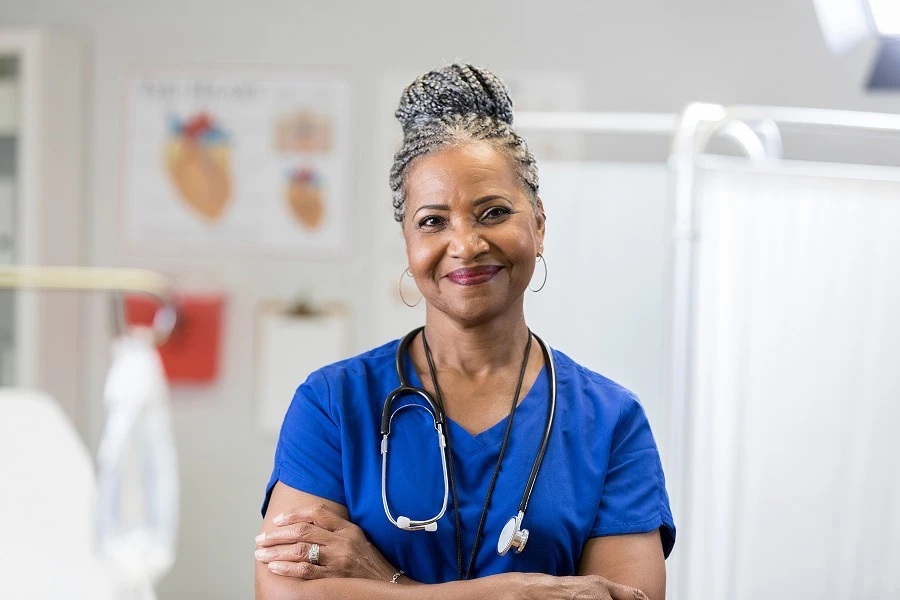

The medical field is vast, and many professions within that field have similar experiences, requirements, or needs. Two positions with similarities that might surprise you are nursing and social work. Both areas of expertise have many specialty studies, including medical social work or health care social work, which sees some crossover with the nursing field due to their places of employment and the needs of patients.
If you’re interested in pursuing nursing or medical social work, it’s essential to understand how these two professions work together and where they are similar. From coordinating care to malpractice insurance nurse practitioner and social work positions are vital to the medical field.
Coordinating Care for Patients
When you work with patients, you have to coordinate with other departments and staff in your workplace to ensure they receive the highest care. This entails reviewing admissions, handling unexpected situations, working with the nurses’ and doctors' schedules, relaying important information to the physician treating the patient, and assisting with a patient’s discharge.
In the case of a health care social worker, your area of care also covers helping patients understand the financial resources they can use to pay for their care. For nurses, coordinating care also means monitoring vitals, patient intake forms, and administering medication prescribed by the physician.
Spending Time in Health Care-Based Settings
Medical social workers and nurses can work in the same healthcare settings. They are both employed by hospitals, outpatient centers, hospice centers, nursing homes, and other locations where insurance for nursing is necessary. In these settings, they work side-by-side to tend to patients and provide the best care possible.
Social workers who specialize in areas outside of the medical field, such as child welfare and substance abuse social workers, may also work in healthcare settings. Yet, their work is not always based in a medical facility.
Receiving Higher Education Certificates and Diplomas
Just like doctors, nurses and social workers must continue their studies after a bachelor’s degree. Whether certificates, master’s degrees, or other forms of education, healthcare professionals need advanced knowledge of their area. This higher education allows them to tend to the needs of various patients who require individualized, specialized care plans. Due to the nature of medical plans, which may include surgery and rehabilitation, many variables could impact the results, making liability insurance for nurses and social workers beneficial to both students and professionals in these fields.
Purchasing Malpractice Insurance
Both social workers and nurse practitioners need to have malpractice insurance. Social worker malpractice insurance or malpractice insurance for nurses can help protect your reputation in the medical field as well as your job. While you want to limit risk and always work hard to support your patients, not everything goes according to plan. Liability insurance will help protect your assets.
Many hospitals and healthcare employers offer malpractice insurance upon hire. Still, supplemental malpractice insurance can be helpful. If an employer separates from a suit, if there is a conflict of interest in your defense, if it is covering work done outside of the scope of your employer, and if there are any gaps in your coverage, supplemental coverage is crucial.
There are many areas in the healthcare field where different roles will converge or cross over to offer the best care to patients. Medical social work is unique in that social workers are employed directly through hospitals, doctors’ offices, and other workplaces where nurses are another primary point of contact for patients. It’s important to know how your roles are similar and different.
Original Source: https://bit.ly/4cJawEN

























Sign in to leave a comment.