
If you have always had a dream to roll out brilliant tunes from a piano to an awestruck audience, then you should read this blog post. Ideally, learning how to become a pro pianist is by taking piano classes. Like all other things in life, if you don’t move forward, you simply may find yourself moving backwards. It may help you to take online piano classes from the comfort of your own home. Alternatively, LIVE adult piano classes in person could also be a helpful option.
It indeed helps to have a guide
The right educator can escort you towards that next step and, gradually, towards your larger goals. Whenever you’re stuck, they can help you switch gears and hone your piano playing skills.
From evaluating your interest and working towards your goals; whether it’s performing in front of an audience or being a master player for the joy of it; to identifying mistakes in technique and understanding. It helps to let a trained educator hold your hand every step of the journey.
Simple steps you can follow to hone your piano skills are as follows:
1. Opt-for slow & steady instead of fast and furious.
It might be a note, a chord, a scale, an arpeggio, or a song, no matter what you’re learning, ensure you master it well, and at a slow speed in the beginning. Before you learn to play fast, you should master the notes, and this has to be done at a slow speed first. You must not slide past or skip notes hurriedly to be done.
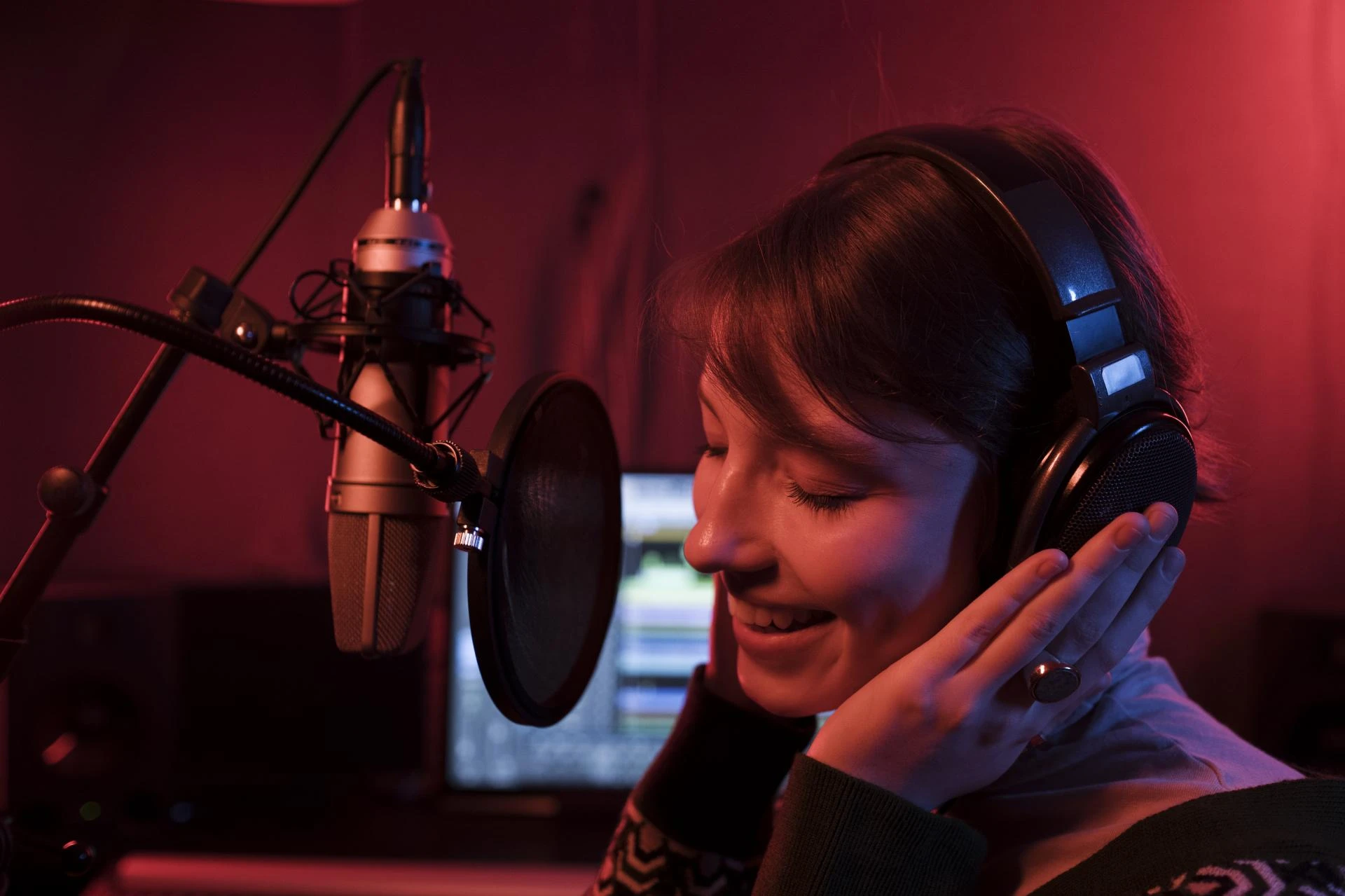
When you are learning with online adult piano classes or physical classes, your educator will notice any notes that you skipped or played in a hurry. When you practice at home, you will not have the right idea of how you sound. Hence, record your practice sessions and listen to yourself to discern whether you have played every note as it should be played.
2. Listen and learn.
Have you anytime listened to other people play pieces that you’re learning? It would be all the more beneficial to watch their finger movements, the transversing and gliding movements, the fluttering and unfurling; and the light wave-like dances those lithesome and magical fingers are capable of when trained. This will impact your own movements and give you an insight of what is possible with regards to sound and movement. Once more, to perceive how you actually sound you must record yourself and listen. This will give you a perception of both what is lacking and what is working.
The Final Words
A lot of pianists play with just their fingers. This creates pressure on the hand and wrist muscles, and you cannot play longer as you get fatigued more quickly. How can you navigate this? It is vital to know the correct way to use your upper body strength when you play the piano. Use your arm strength to produce sound instead of the fingers or wrists. The sound will also be fuller when you play from your arms.


























Sign in to leave a comment.