

Auto fraud is more common than you might think, and scammers are constantly coming up with new ways to take advantage of unsuspecting buyers. Whether you're purchasing a car from a dealership or a private seller, it's important to stay alert and informed. The good news? With a few simple tricks, you can protect yourself from scams and make a confident purchase.
1. Verify the Vehicle Identification Number (VIN)
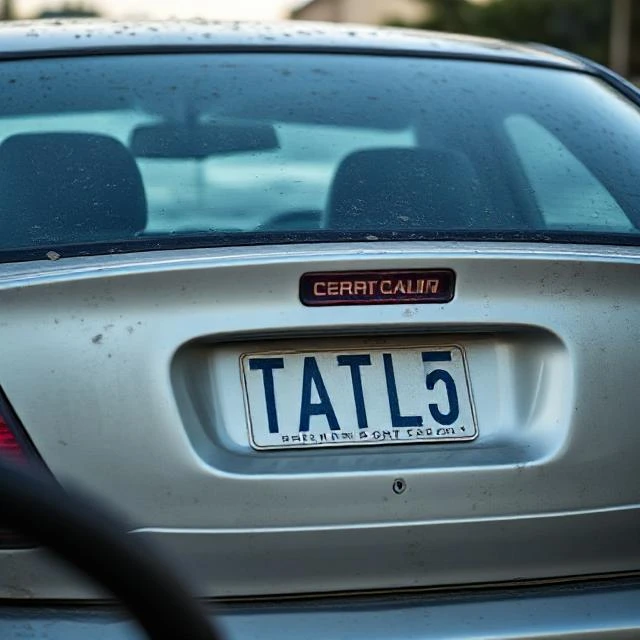
The VIN is like a car’s fingerprint—unique to each vehicle. Always check the VIN on the car itself (usually on the dashboard or driver’s side door) and compare it to the number listed on the title and registration. Use online databases like the National Motor Vehicle Title Information System (NMVTIS) or Carfax to check for theft reports, accidents, or odometer rollbacks. If the numbers don’t match, that’s a red flag!
2. Be Wary of Deals That Seem Too Good to Be True
If a car is priced significantly lower than similar models, be cautious. Scammers often lure buyers in with unbelievably low prices to rush them into a deal. If a seller insists on urgency—like saying, "This deal won’t last!"—take a step back and do your homework. Research market prices and compare before making any commitments.
3. Avoid Wire Transfers and Untraceable Payments
Legitimate sellers will never insist on wire transfers, prepaid gift cards, or cryptocurrency payments. These methods are nearly impossible to trace and recover if something goes wrong. Always use a secure and trackable payment method like a cashier’s check, a verified escrow service, or a secure online transaction platform.
4. Have the Car Inspected by a Trusted Mechanic
A fresh coat of paint can hide a lot of problems. Before buying, take the car to a trusted mechanic for a pre-purchase inspection. This small investment can save you thousands in unexpected repairs. If the seller refuses to let you get an inspection, it’s a major warning sign that something isn’t right.
5. Double-Check the Seller’s Identity and Paperwork
Scammers sometimes pose as private sellers or even fake dealerships. Always verify the seller’s identity and ensure they have the legal right to sell the vehicle. Check the title to see if it's in their name and ensure there are no outstanding loans or liens. If they hesitate to provide proper documentation, walk away.
6. Beware of Title Washing Scams
Some fraudsters manipulate car titles to hide past damage. This process, called title washing, makes cars that were previously totaled look clean. Check the car’s history report and look for title inconsistencies across different states. If a car was recently registered in multiple states, it could be a sign of fraud.
7. Trust Your Instincts and Walk Away If Unsure
If something feels off—whether it’s the seller’s behavior, inconsistent paperwork, or an unusual payment request—trust your gut. Scammers rely on pressuring buyers into quick decisions. Take your time, ask questions, and if anything seems suspicious, walk away. It’s better to miss out on a deal than become a victim of auto fraud.
By staying informed and cautious, you can protect yourself from common car-buying scams. Whether you're buying from a dealer or a private seller, following these simple tricks will help you make a safe and smart purchase. Happy car hunting!
As an Auto Fraud Attorney Washington, we will come back with some more informative articles.
























Sign in to leave a comment.