

Windows shape daily comfort more than people notice at first. Light changes mood. Privacy shifts with time. Airflow and noise quietly affect focus and rest. Many rooms feel unfinished because window planning happens too late. Curtains are not just visual layers. They control how a space behaves during real daily use. When chosen with care, they reduce small irritations that otherwise repeat every day.
Watching How Light Moves
Light does not enter rooms evenly or politely. Morning light spreads softly. Afternoon sun creates glare. Evening lighting outside changes privacy completely. Understanding these shifts helps avoid poor decisions. Some rooms need filtered brightness. Others need stronger control. Observing light patterns for a few days often reveals what type of window solution actually works.
Measuring Beyond Window Frames
Measuring only the glass area usually causes mistakes. Curtains need room to sit properly when open. Wall space matters. Mounting height affects how tall a room feels. Rod width affects coverage. Small errors create gaps that allow light leaks and visual imbalance. Accurate measuring saves material and prevents repeated adjustments later.
Fabric Choices With Purpose
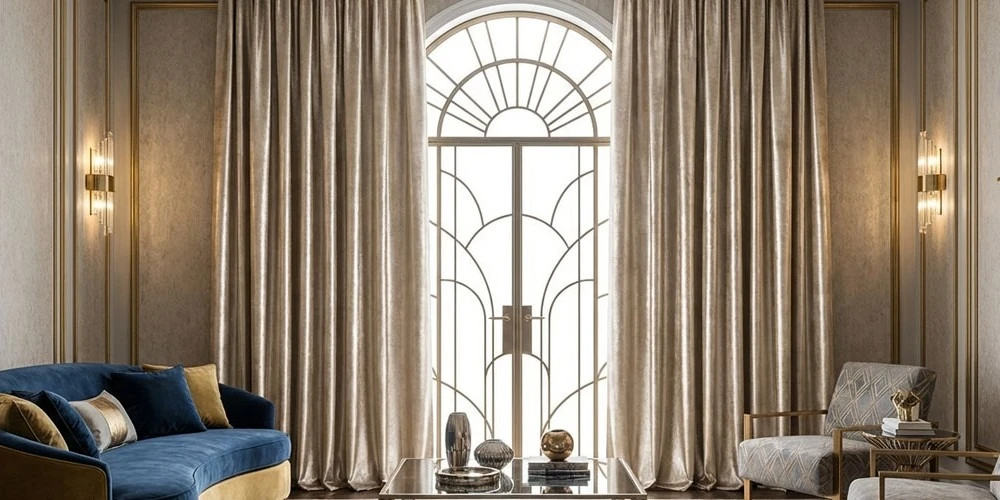
Fabric selection should be practical before decorative. Heavy fabrics absorb sound and block more light. Lightweight fabrics allow airflow and softness. Texture affects how light reflects across walls. Some materials hold pleats well. Others relax quickly. Choosing Custom Made Drapes allows fabric weight and behavior to suit room usage instead of showroom setups. Proper Custom Made Drapes also reduce the need for extra layers.

Managing Daytime Privacy
Privacy needs change throughout the day. During daylight hours, exterior brightness often limits visibility inside. Thin fabrics work well in these situations. They soften light without closing the room. In the evening, privacy requirements increase. Planning solutions around actual daily routines avoids discomfort and constant rearranging.
Placement and Installation Logic
Installation decisions strongly affect performance. Curtains mounted too low visually shorten walls. Narrow rod placement causes light leaks. Extending rods wider than the window frame improves coverage and openness. Hardware strength matters when supporting heavier materials. These details influence both comfort and longevity, not just appearance.
Using Sheer Layers Wisely
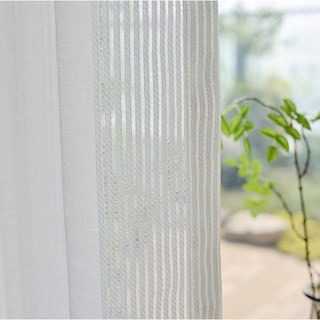
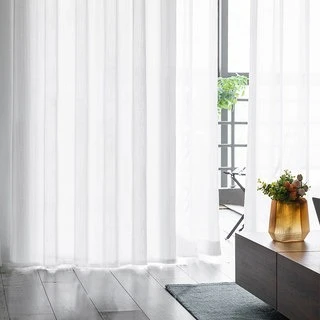
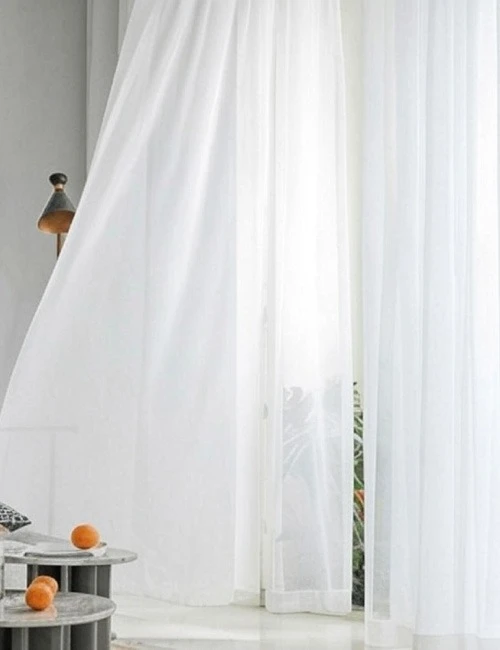
Sheer layers support brightness while reducing harsh glare. They work best in living spaces and work areas. Custom Sheer Curtains allow transparency levels to match real privacy needs rather than generic standards. Well-designed Custom Sheer Curtains also improve airflow and visual softness without dominating interiors. They function as quiet support rather than decoration.
Temperature and Sound Control
Curtains influence the room temperature near windows. Dense fabrics reduce heat transfer. This helps maintain comfort during seasonal changes. Outdoor noise softens when absorbed by fabric layers. Traffic and street activity become less disruptive. These benefits support comfort without mechanical solutions or constant adjustments.
Maintenance and Daily Care
Curtains collect dust gradually, especially in urban environments. Some fabrics require frequent cleaning. Others maintain an appearance with minimal care. Washability and lining quality affect lifespan. Rotating panels distributes wear evenly. Planning maintenance early prevents disappointment and premature replacement.
Balancing Visual Elements
Curtains should support furniture and wall finishes, not compete with them. Loud patterns overwhelm smaller spaces. Neutral tones provide flexibility. Texture adds depth without visual noise. Balanced integration helps rooms feel calm rather than styled. Thoughtful choices remain relevant longer than trend-driven designs.
Conclusion
Well-planned window solutions improve comfort, privacy, and daily usability without complicating interior design. They manage light, airflow, sound, and temperature quietly in the background. On voilavoile.com, the focus stays on practical elegance that suits real living conditions. When measurements, fabric behavior, and installation details align, results feel natural and long-lasting. If you are planning updates or refining your space, consider professional guidance to achieve balanced outcomes that support everyday comfort.

























Sign in to leave a comment.