

Managing employees, working hours, project costs and payroll can become increasingly demanding as a business grows. When these areas are handled through separate records and manual processes, information can be difficult to maintain, and mistakes can take time to identify. A more organised approach can help businesses improve accuracy, reduce administration and give managers better visibility across everyday operations. Bringing workforce information, project tracking and payroll processes into a structured system can support more efficient working practices.
Improve Employee Time and Attendance Management
Accurate records of working hours are important for businesses of every size. Managers need reliable information about when employees start and finish work, while staff need a straightforward way to record their hours. Manual timesheets can create additional administration and may lead to missing or incorrect information.
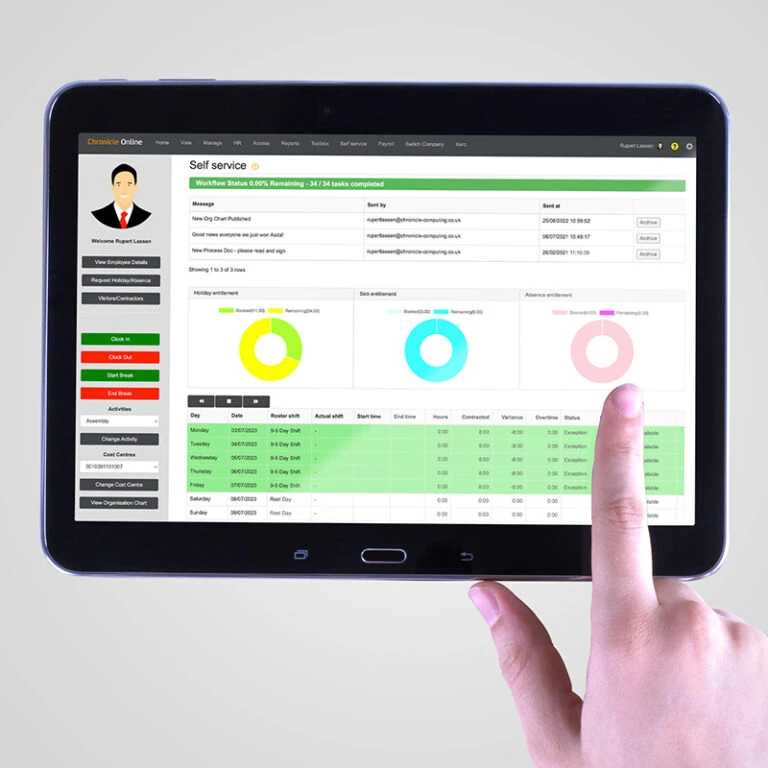
A solution supporting staffology t&a can help businesses maintain clearer records of employee working hours and attendance. Accurate time information can make it easier to review hours worked, manage absences and prepare information for payroll. It can also reduce the need for employees and managers to rely on paper records or separate spreadsheets.
For businesses with different working patterns, accurate attendance information is particularly useful. Some employees may work fixed hours, while others may have flexible schedules, shifts or responsibilities across different locations. Having a consistent method for recording working time helps managers maintain better oversight without creating unnecessary administrative work.
Time records can also support better workforce planning. Managers can identify attendance patterns, understand employee availability, and make more informed decisions when allocating resources. When working-hour information is maintained accurately, businesses can improve consistency across departments and reduce the effort involved in checking individual records.
Take Greater Control of Project Costs
Project-based businesses face another important challenge: understanding exactly how much each job costs. Labour, materials, travel, equipment and other expenses can all affect the final result. Without accurate records, it can be difficult to determine whether a project is performing according to its original budget.
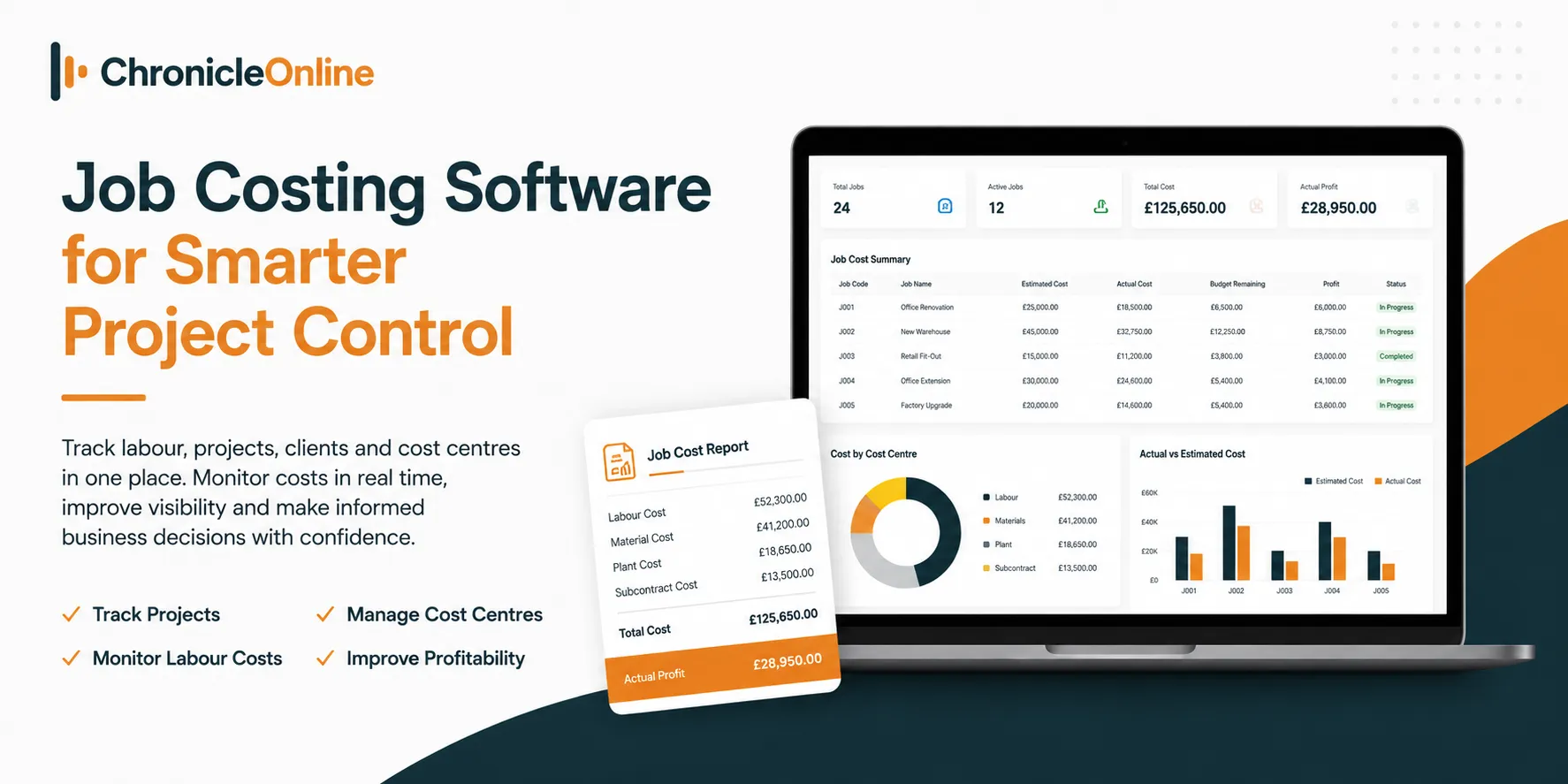
Using job costing software can help businesses organise expenses against individual projects and monitor financial performance more effectively. Managers can review costs as work progresses instead of waiting until a project has been completed. This provides an opportunity to identify unexpected spending and take action before costs become difficult to control.
Accurate cost tracking is also useful when reviewing completed projects. Businesses can compare planned budgets with actual expenditure and use the information to improve future estimates. Over time, this can help managers understand common cost patterns and make more realistic decisions when preparing quotations or planning new work.
For companies managing several projects at once, organised cost information can make financial administration considerably easier. Rather than searching through different documents, managers can review relevant figures in a more structured way. This can improve accountability and help ensure that project decisions are based on accurate financial information.
Create Better Links Between Workforce and Payroll Processes
Payroll depends on accurate employee information. Working hours, overtime, holidays and other details may all need to be considered when preparing payments. If information is entered manually from different sources, there is a greater possibility of delays or inconsistencies.
A connected approach can help businesses reduce repeated data entry and create a smoother process between attendance records and payroll administration. Managers can spend less time checking information manually and more time dealing with important workforce responsibilities.
Clear payroll processes are also valuable for employees. People expect their wages to be calculated accurately and paid on time. Maintaining organised records helps businesses respond more quickly when employees have questions about hours, payments or deductions.
Businesses should also consider how payroll processes will work as their workforce expands. A system that is suitable for a small team may become difficult to manage when employee numbers increase. Choosing practical technology at the right stage can help organisations maintain efficient processes without adding unnecessary administrative pressure.
Support More Efficient Business Administration
Digital workforce and financial tools can provide benefits beyond individual tasks. When important information is organised, managers can gain a clearer understanding of business activity and make decisions with greater confidence.
Chronicle Online provides practical business solutions that can help organisations improve the way they manage workforce information, working hours and operational processes. A structured approach allows businesses to spend less time dealing with repetitive administration and more time focusing on customers, employees and business development.
Better organisation can also improve communication. When managers have access to accurate information, they can respond more effectively to questions and identify potential issues earlier. Employees can benefit from clearer procedures, while business leaders can gain a more consistent view of day-to-day operations.
Prepare for Future Business Growth
As organisations grow, their administrative requirements often become more complex. More employees can mean more working-hour records, additional payroll information and greater demand for accurate reporting. Project-based businesses may also need to monitor more jobs and expenses at the same time.
Planning for these changes can help prevent administrative processes from becoming a barrier to growth. Businesses that maintain organised records and use suitable digital tools can create processes that are easier to manage as requirements increase.
The right approach should also be practical for employees and managers. Systems that are straightforward to use are more likely to become part of everyday working practices. Clear procedures, reliable information and accessible records can all contribute to smoother operations.
Conclusion
Effective workforce and financial management relies on accurate information and consistent processes. From recording employee hours and monitoring project expenses to preparing payroll, businesses need reliable ways to manage essential information. Choosing suitable digital solutions can reduce manual administration, improve visibility, and support better decision-making.
For UK organisations looking to improve payroll administration, online payroll software uk can provide a more structured approach to managing employee payments and related information. When combined with effective time tracking and financial management, it can help create a more organised working environment, support accuracy and give businesses greater control as they continue to develop.
FAQs
1. How can businesses improve employee time tracking?
Businesses can use digital time tracking systems to record working hours accurately, reduce manual timesheets and make it easier to manage attendance, overtime and employee availability.
2. Why is accurate project cost tracking important?
Accurate project cost tracking helps businesses monitor labour, materials and other expenses against budgets. It can highlight overspending early and support better project planning and financial decisions.
3. How can payroll processes become more efficient?
Businesses can improve payroll efficiency by maintaining accurate employee records, connecting working-hour information with payroll processes and reducing repetitive manual data entry.



























Sign in to leave a comment.