
- Weather-proofing your home helps keep it safe, comfortable, and in good shape year-round.
- Some weatherproofing upgrades take time and money, but many weatherproofing fixes are quick, easy, and affordable.
- Make sure your house is sealed against the elements and that there’s a protective barrier on the materials of your house.
From extreme temperatures to torrential rain, pounding wind, or mounting snow, exposure to harsh weather conditions can slowly damage your home over time. Make sure your home is prepared for anything Mother Nature can throw at it with some simple weatherproofing techniques. Taking time to prepare now can save you later, from construction to regular maintenance.
The Importance of Weather-Proofing
Heat, cold, and moisture can enter small gaps in your home and cause damage before you notice it. If your home isn’t properly insulated or sealed, extreme temperatures can make it harder to keep your home warm in winter and cool in summer.
Heavy storms and flooding can damage floors, walls, roofs, and ceilings. They can also lead to mold and mildew. These cause severe damage to your home, but they can also make you and your family sick.
Six Ways to Weather-Proof
Weather-proofing your home can feel overwhelming at first. Every part of it sounds time-consuming or expensive. Considering investing a set amount of time, effort, and money into protecting your home can help you avoid expensive repairs later.
And while some updates require more attention and financial investment, plenty can be done with little effort on your part. Here are six essential ways to protect your home from extreme weather.
Seal Your Doors and Windows
One of the easiest ways to weatherproof your home is to seal any gaps or cracks around doors and windows. You can do this with caulk, filling in gaps as you see them, or take an afternoon to weather-strip everything. A weather strip is a simple rubber, seal that sticks around doors and windows.
During extreme heat or cold, placing a rolled towel or mat at the bottom of the door can prevent outside air or moisture from coming in.
Seal Your Mortar
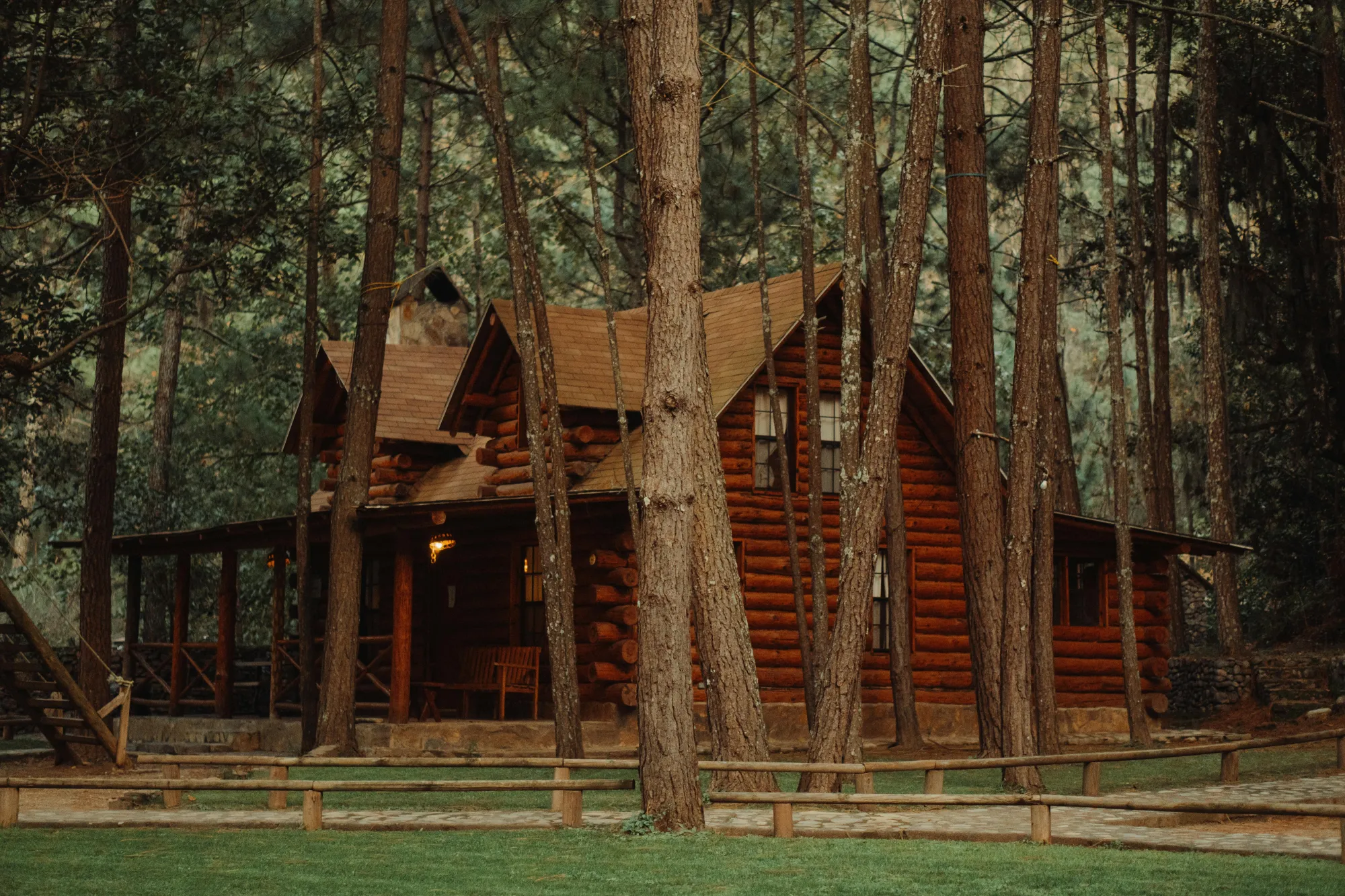
If you live in a natural-material home, such as a log or stone cabin, or a wood-siding home, sealing the mortar on your home’s walls maintains their integrity during weather fluctuations. Changes in temperature and weather mean changes in humidity, which can slowly damage unsealed materials over time.
Log home chinking acts as mortar between the logs, and wood sealers are a great way to keep moisture out of your wood. The sealers can be reapplied as needed, so refer to your product’s specific instructions.
Repaint on a Schedule
Painting the outside of your home protects the siding from wind, rain, and sun. It is chemically formulated to keep out moisture and protect your wood from the elements. Repainting on a schedule protects the outside of your home, on top of keeping it looking beautiful.
Use a Metal Structure Instead of a Garage
If you need to store a boat, camper, or large equipment, consider using a detached metal structure instead of an attached garage. Attached garages often let in outside air and are harder to insulate.
Metal outbuildings like pole barns or four-post carports can protect your vehicles from rain and sun, and can serve as workshops or storage areas. They also hold up better during floods. Steel structures are durable and better able to handle strong winds and heavy weather.
Depending on your region, be sure to cover vehicles and store tools when you’re not using them so they’re protected.
Insulate Your Pipes
When temperatures drop below freezing, there’s always the risk of frozen pipes. This can cut off your water supply and cause pressure to build, leading to cracking or bursting once the pipes thaw. Insulating your pipes before winter can help prevent problems. Just slide on foam sleeves!
Check Your Basement and Foundation
Water can come downhill, but once it settles, it builds from the ground up. Keep your home safe from leaks that can lead to flooding by monitoring your basement and foundation for gaps or cracks. Fixing small cracks early can prevent bigger repairs later.
When you do see those gaps or cracks, use a silicone sealant to fill them. It’s easy to apply with a caulk gun. The sealant will not only keep out water but also protect against cold air seeping in.
Conclusion
You can’t control the weather, but you can prepare your home for it. Regular maintenance and simple weather-proofing steps can help protect your home all year long.

































Sign in to leave a comment.