

Every community is held together by ordinary people doing quiet, steady work — the kind that doesn’t make headlines but makes life function smoothly. This piece is simply a reflection on one such person,Zade Thahir, and the kinds of everyday responsibilities that often go unnoticed but genuinely matter.
Zade’s story isn’t extraordinary in the flashy sense. It’s familiar, relatable, and grounded in the kind of work many people across different fields do every day. What makes it worth writing about is not the scale of his achievements, but the calm consistency behind them.

Balancing Two Very Normal, Very Human Roles
Zade works as an Oral Health Therapist while also helping run daily operations as a Duty Manager in a public sport and aquatic centre. Neither role is glamorous. Both involve talking to people, solving small problems, handling routine tasks and responding to situations as they arise.
There’s nothing dramatic about it — and that’s exactly why it matters.
Real communities rely on people who can do simple things well:
- communicate calmly
- listen properly
- explain things clearly
- respond when needed
- show up consistently
Zade tries to bring those habits into both of his roles, not because it’s extraordinary, but because it’s the basic expectation in any job that involves people.
Preventive Care Without the Buzzwords
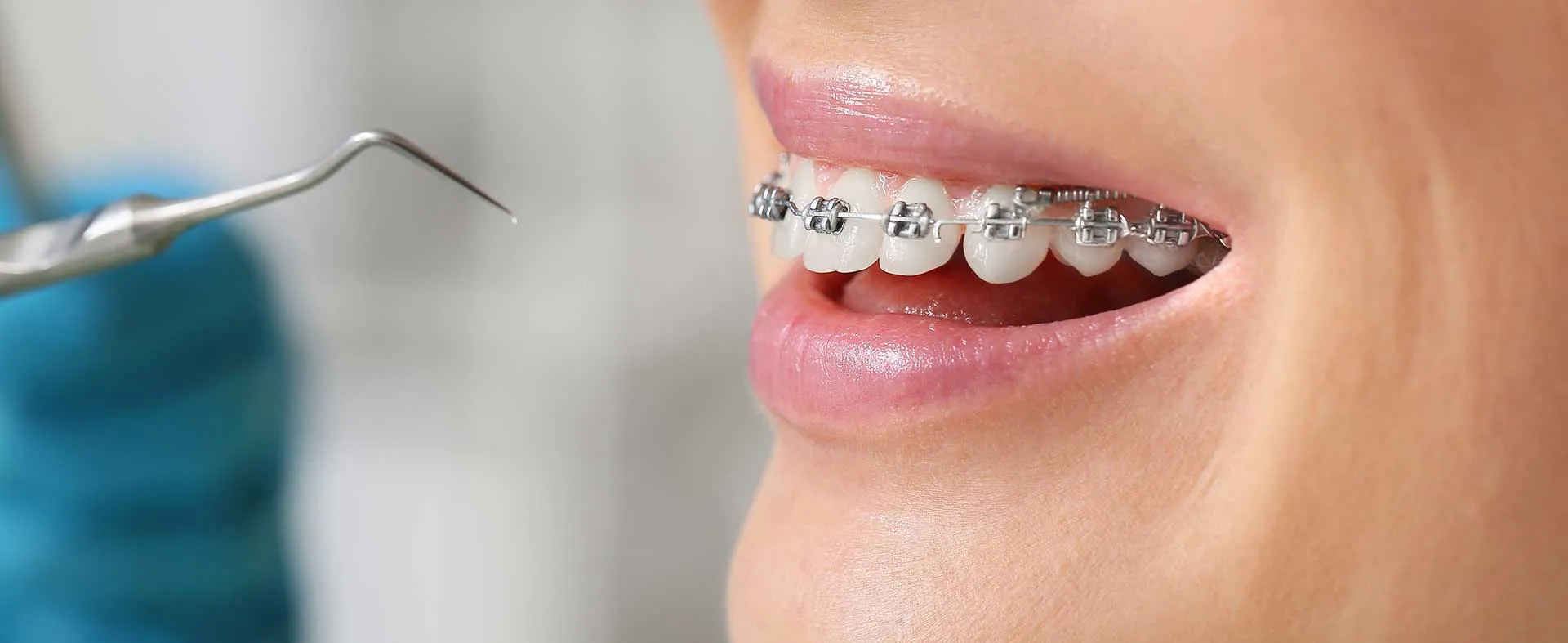
In his clinical work, Zade focuses mostly on preventive dentistry — the everyday stuff like hygiene therapy, oral health education and helping patients understand their habits. Nothing fancy. Just the foundations that keep people healthier in the long run.
Most of what he does is small-scale: answering questions, reassuring anxious patients, explaining home care and guiding people through routines they’ve heard a hundred times before. It’s not groundbreaking, but it’s useful, and Zade tries to take that responsibility seriously without overstating its importance.
Leadership in the Quiet, Practical Sense
In his duty manager role, Zade doesn’t view himself as a “leader” in any big sense. It’s more practical than that: checking on staff, responding to customer concerns, handling the occasional issue and making sure safety protocols are followed.
It’s everyday work.
It’s routine.
It’s part of running a place where people come and go all day.
And like many people in similar roles, Zade tries to approach it with a calm attitude, especially during unexpected moments. He hopes that being steady when others feel unsure makes things a little easier for everyone involved.
Emergency Skills as Basic Community Tools
CPR, first aid and AED training aren’t special talents — plenty of people have them. For Zade, they’re simply tools he wants to keep sharp because emergencies aren’t predictable. If someone needs help, he wants to be prepared, not praised.
This kind of readiness is less about heroism and more about responsibility. It’s the same quiet mindset many first-aid trained staff, teachers, coaches and workplace responders bring into their environments every day.
Looking Ahead Without Making It Grand
Zade has plans to continue developing his clinical skills in the future, possibly moving into more advanced dental practice. Not in a way that demands attention — just a natural progression of wanting to grow, learn and contribute where he can.
There’s no big mission statement, no dramatic vision — just a simple belief that gaining more skills can help him support more people, especially those who might have limited access to healthcare.
A Simple Takeaway
At its core, Zade’s story isn’t about success, achievement or recognition. It’s about the quieter side of community work — the everyday responsibilities carried out by regular people who try to do their jobs properly and treat others with respect.
And in a world that often celebrates noise, scale and spotlight, there’s something grounding about acknowledging the simple roles too — the ones like Zade’s, where small actions still make a difference.
























Sign in to leave a comment.