

Blockchain technology has evolved far beyond its original purpose of powering cryptocurrencies. Today, it serves as the foundation for a new generation of decentralized applications, digital assets, and automated business processes. At the heart of this transformation lies the smart contract a revolutionary innovation that enables agreements and transactions to execute automatically without requiring intermediaries.
Smart contracts have become one of the most impactful developments in the blockchain ecosystem, driving innovation across industries such as finance, healthcare, supply chain management, real estate, gaming, and insurance. By automating trust and enforcing contractual terms through code, smart contracts eliminate inefficiencies, reduce costs, and improve transparency.
As businesses increasingly explore blockchain adoption, understanding the principles of smart contract development has become essential. This article explores the key concepts behind smart contracts, the benefits they offer, and the real-world use cases that are reshaping industries worldwide.
Understanding Smart Contract Development
What Is Smart Contract Development?
Smart Contract Development is the process of designing, coding, testing, auditing, and deploying self-executing digital contracts on blockchain networks. These contracts contain predefined rules and conditions that automatically execute once specific criteria are met.
Unlike traditional agreements that rely on lawyers, banks, brokers, or other intermediaries for enforcement, smart contracts operate autonomously. Once deployed on a blockchain, they execute exactly as programmed, creating a trustless environment where participants can interact securely without depending on third parties.
For example, in a traditional escrow arrangement, a trusted intermediary holds funds until both parties fulfill their obligations. With a smart contract, funds can be automatically released when predefined conditions are verified, eliminating delays and reducing costs.
Why Businesses Invest in Smart Contract Development Services
The growing adoption of blockchain technology has fueled demand for professional smart contract development services. Organizations across various industries are leveraging smart contracts to automate workflows, improve operational efficiency, and create secure digital ecosystems.
Businesses seek smart contract development services for several reasons:
- Automation of complex business processes
- Reduction of operational expenses
- Elimination of intermediaries
- Enhanced transparency and trust
- Faster transaction execution
- Improved security and data integrity
From startups launching decentralized finance platforms to enterprises implementing blockchain-based supply chain systems, smart contracts have become a strategic tool for digital transformation.
The Role of a Smart Contract Development Company
Building secure and scalable smart contracts requires specialized expertise in blockchain architecture, programming languages, security auditing, and decentralized application development. As a result, many organizations choose to collaborate with a smart contract development company rather than developing these capabilities entirely in-house.
A professional smart contract development company typically provides:
- Smart contract consulting and architecture design
- Solidity and blockchain development
- Security auditing and vulnerability assessment
- Token creation and management
- DeFi and NFT development
- Deployment and post-launch support
By partnering with experienced blockchain specialists, businesses can accelerate development timelines while minimizing technical and security risks.
Key Concepts Behind Smart Contracts
Understanding smart contracts requires familiarity with several foundational blockchain concepts that enable their functionality.
Self-Executing Agreements
The defining characteristic of a smart contract is its ability to execute automatically when predetermined conditions are satisfied.
For example, a blockchain-based insurance contract could automatically process a claim when verified weather data confirms a flight cancellation. No manual review or approval process would be necessary.
This automation reduces delays, human error, and administrative overhead.
Decentralization
Smart contracts operate on decentralized blockchain networks rather than centralized servers.
This means that no single entity controls the contract. Instead, copies exist across numerous network nodes, ensuring transparency and resilience against manipulation or system failures.
Decentralization creates a trust model based on mathematics and consensus mechanisms rather than institutional authority.
Immutability
Once deployed on a blockchain, smart contracts become extremely difficult to alter.
This immutability ensures that contract terms remain consistent and cannot be modified without authorization. Participants can trust that the rules governing transactions will remain unchanged throughout the contract's lifecycle.
While immutability strengthens security, it also highlights the importance of thorough testing before deployment.
Transparency
Blockchain transactions and contract interactions are recorded on a public ledger.
This transparency enables stakeholders to verify actions independently, reducing disputes and increasing accountability.
For industries that require auditability and compliance, transparency represents a significant advantage over traditional systems.
Consensus Mechanisms
Blockchain networks rely on consensus protocols to validate transactions and maintain agreement among participants.
Popular consensus mechanisms include:
- Proof of Work (PoW)
- Proof of Stake (PoS)
- Delegated Proof of Stake (DPoS)
These mechanisms ensure that smart contract execution remains secure and trustworthy across distributed environments.
The Smart Contract Development Process
Successful smart contract implementation follows a structured development lifecycle.
The first stage involves requirement analysis and contract design. Developers define business logic, identify stakeholders, and establish execution conditions.
Next comes coding, typically using programming languages such as Solidity for Ethereum-based applications. During this stage, developers translate business rules into executable code.
Testing follows development and is one of the most critical phases. Developers conduct unit testing, integration testing, and stress testing to identify vulnerabilities and performance issues.
Security auditing is performed before deployment. Independent audits help detect coding flaws, logic errors, and potential attack vectors.
Finally, the smart contract is deployed to a blockchain network and monitored continuously to ensure optimal performance and security.
This disciplined process is essential because blockchain transactions are generally irreversible.
Benefits of Smart Contract Development
Increased Automation
One of the most significant advantages of smart contracts is automation.
Traditional business processes often require multiple intermediaries, approvals, and manual interventions. Smart contracts eliminate these inefficiencies by executing actions automatically when predefined conditions are met.
This automation can dramatically improve operational efficiency while reducing administrative workloads.
Enhanced Security
Blockchain networks employ advanced cryptographic techniques to secure data and transactions.
Once deployed, smart contracts benefit from the underlying security infrastructure of the blockchain, making them highly resistant to tampering and fraud.
Additionally, decentralized storage reduces vulnerabilities associated with centralized databases.
Reduced Costs
By eliminating intermediaries such as brokers, banks, lawyers, and clearinghouses, smart contracts significantly reduce transaction costs.
Organizations can streamline operations while minimizing fees associated with verification, enforcement, and settlement processes.
For high-volume industries, these cost savings can be substantial.
Greater Transparency
Every transaction executed through a smart contract is recorded on the blockchain.
This creates a transparent and auditable trail that stakeholders can verify independently.
Transparency enhances trust between participants while simplifying compliance and reporting requirements.
Improved Speed and Efficiency
Traditional contracts often require extensive paperwork, manual processing, and approval workflows.
Smart contracts execute transactions in real time once conditions are satisfied, enabling faster settlements and more efficient business operations.
This speed advantage is particularly valuable in industries where delays can create significant financial impacts.
Accuracy and Reliability
Human error remains a major challenge in traditional contract management.
Because smart contracts execute predefined instructions automatically, they minimize mistakes resulting from manual processing or subjective interpretation.
This consistency improves reliability and reduces operational risk.
Real-World Use Cases of Smart Contracts
Decentralized Finance (DeFi)
DeFi represents one of the largest and fastest-growing applications of smart contract technology.
Platforms use smart contracts to automate:
- Lending
- Borrowing
- Staking
- Yield farming
- Asset trading
These services operate without traditional banks, enabling global financial access and innovation.
By 2025, billions of dollars remained locked in DeFi protocols, highlighting the growing trust in smart contract-based financial systems.
NFT Marketplaces
Non-fungible tokens (NFTs) rely heavily on smart contracts.
Smart contracts manage:
- Ownership verification
- Royalty distributions
- Asset transfers
- Marketplace transactions
Artists and creators benefit from automated royalty payments whenever their digital assets are resold.
This innovation has transformed digital ownership and creator monetization.
Supply Chain Management
Supply chains often involve multiple parties operating across different jurisdictions.
Smart contracts improve transparency by automating tracking, verification, and payment processes.
For example, a shipment can trigger automatic payments when blockchain-connected sensors confirm successful delivery.
This reduces disputes while improving operational visibility.
Healthcare
Healthcare organizations are exploring smart contracts to improve patient data management and administrative processes.
Potential applications include:
- Secure medical record sharing
- Insurance claims processing
- Prescription management
- Clinical trial data verification
These solutions can reduce paperwork while enhancing privacy and security.
Real Estate
Real estate transactions frequently involve lengthy documentation and multiple intermediaries.
Smart contracts can automate:
- Property transfers
- Escrow management
- Rental agreements
- Ownership verification
This streamlines transactions and reduces administrative costs.
Insurance
Insurance claims often require extensive verification and manual processing.
Smart contracts can automatically process claims when predefined conditions are met.
For example, travel insurance payouts can be triggered instantly when flight delay information is verified through trusted external data sources.
This improves customer experiences while reducing operational expenses.
Gaming and Metaverse Applications
Blockchain gaming platforms increasingly utilize smart contracts to manage in-game assets, digital economies, and player rewards.
Players gain verifiable ownership of virtual items that can be traded across marketplaces.
As metaverse ecosystems expand, smart contracts are expected to play a central role in governing digital interactions and ownership rights.
Challenges and Considerations
Despite their advantages, smart contracts are not without challenges.
Security vulnerabilities remain a significant concern. High-profile blockchain exploits have resulted in substantial financial losses due to coding errors and inadequate testing.
Scalability can also present obstacles, particularly on heavily utilized blockchain networks where transaction costs may increase during periods of congestion.
Regulatory uncertainty continues to evolve as governments and institutions establish frameworks for blockchain technologies.
Organizations must also address interoperability challenges when operating across multiple blockchain ecosystems.
These considerations highlight the importance of careful planning, auditing, and ongoing monitoring throughout the smart contract lifecycle.
The Future of Smart Contract Development
The future of smart contracts appears increasingly promising as blockchain adoption accelerates worldwide.
Emerging innovations include:
- AI-enhanced smart contracts
- Cross-chain interoperability solutions
- Layer-2 scalability technologies
- Decentralized autonomous organizations (DAOs)
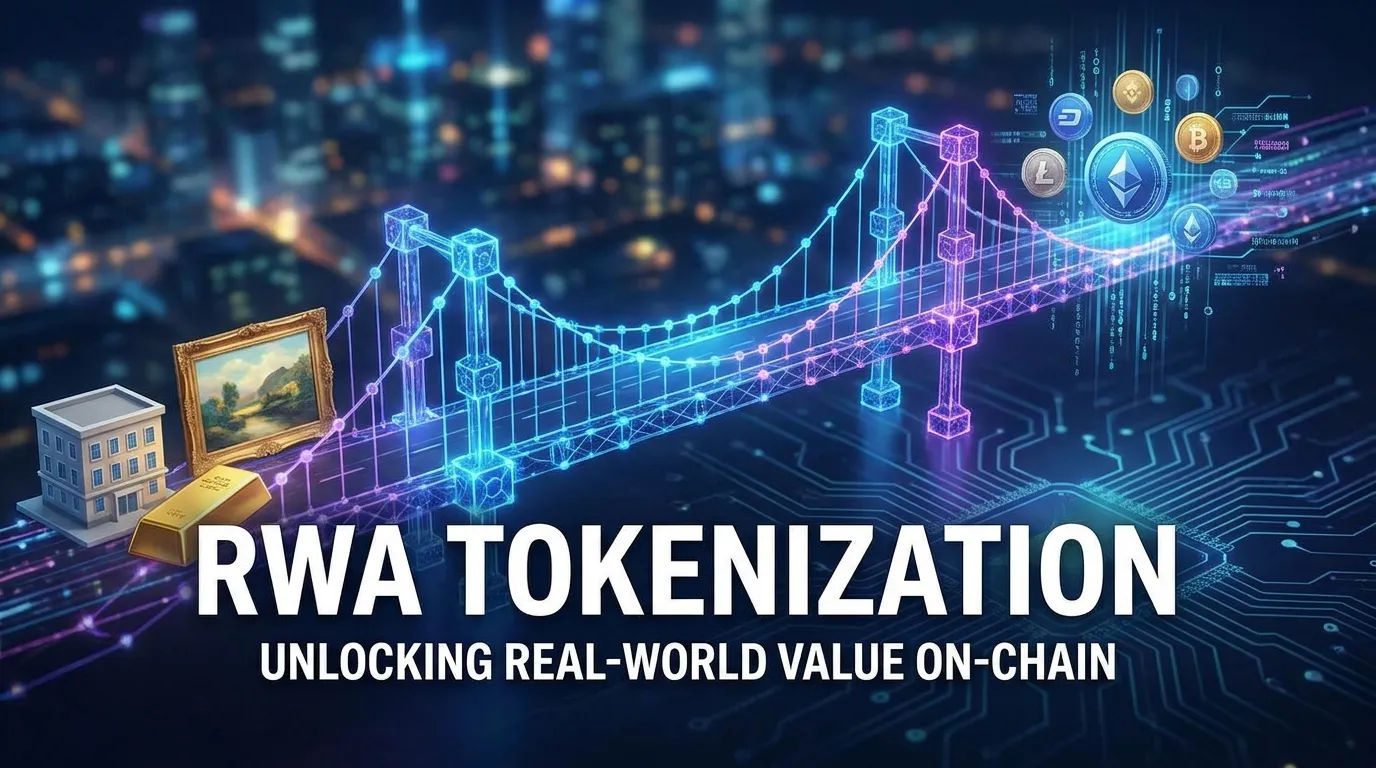
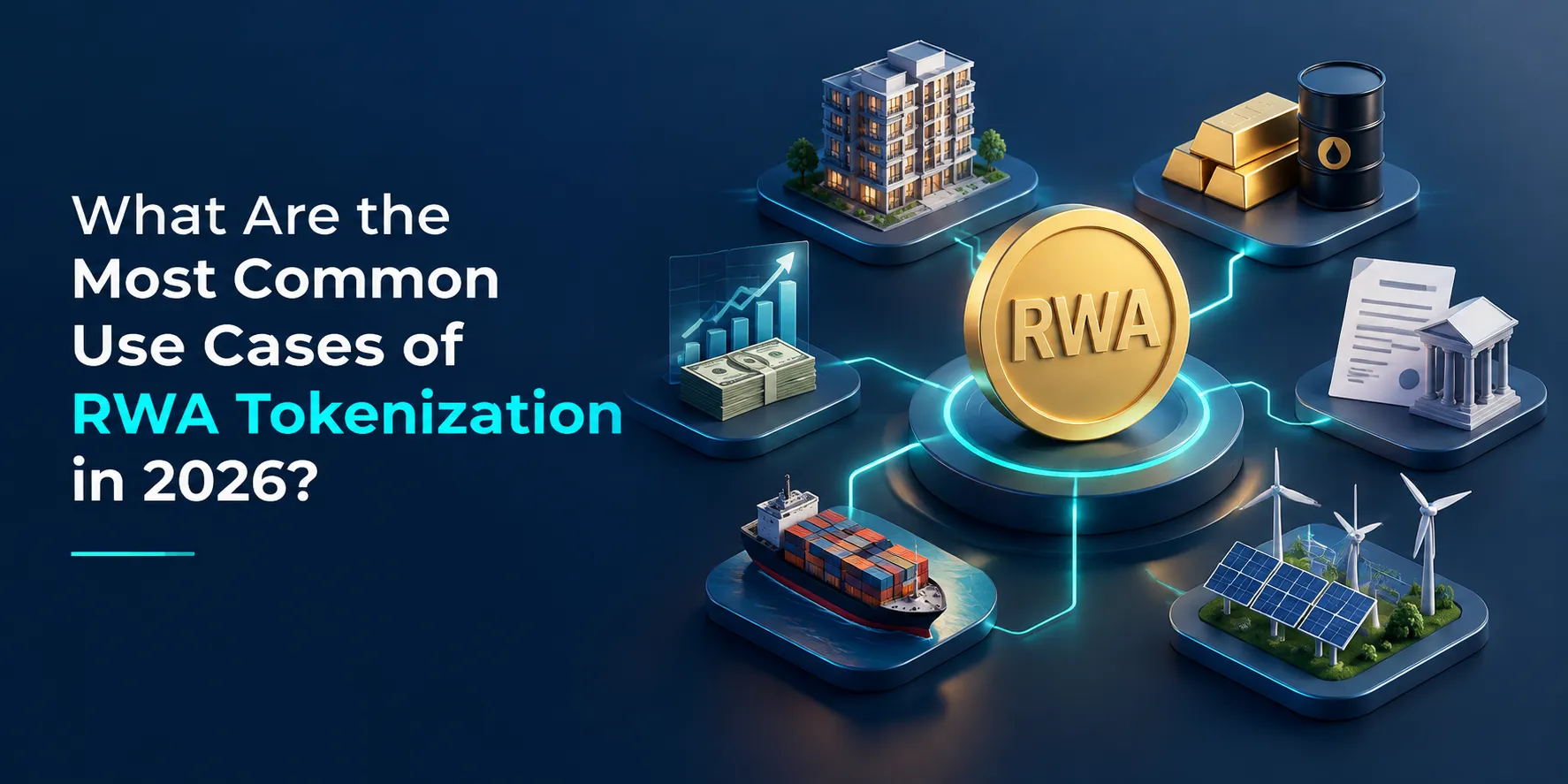
- Tokenized real-world assets
- Enterprise blockchain integration
As these technologies mature, smart contracts are expected to become a foundational component of digital infrastructure across industries.
The convergence of automation, blockchain, and artificial intelligence may further expand their capabilities, enabling increasingly sophisticated and autonomous business processes.
Conclusion
Smart contract development has emerged as a transformative force in the digital economy, enabling organizations to automate agreements, enhance security, reduce costs, and improve transparency. From decentralized finance and NFTs to healthcare, supply chains, and real estate, smart contracts are reshaping how businesses operate and interact in a trustless environment. As blockchain adoption continues to grow, the demand for secure and scalable smart contract solutions will only increase. For businesses looking to leverage the full potential of blockchain technology, partnering with an experienced provider is essential. Blockchain App Factory offers industry-leading smart contract development services, delivering secure, customized, and scalable blockchain solutions that help businesses innovate, streamline operations, and succeed in the evolving Web3 ecosystem.































Sign in to leave a comment.