
When comparing energy providers, most Australians focus solely on cents per kilowatt-hour. But what if your energy provider could help you save money on groceries, dining, and everyday purchases too?
The modern energy customer is looking for more than just electricity and gas. They want transparency, local support, and real value that extends beyond the monthly bill. Here’s what you should consider when choosing an energy provider — and how the right choice can impact your household budget in surprising ways.
What Makes a Good Energy Provider?
Before diving into savings strategies, let’s establish what actually matters when selecting an energy retailer:
Transparent pricing means no hidden fees or confusing rate structures. You should be able to understand exactly what you’re paying for without needing a finance degree.
Local customer service makes a real difference when you need support. Australian-based call centres understand local conditions and can resolve issues quickly without language barriers or time zone complications.
Flexible plans that adapt to your household’s needs throughout the year. Energy usage changes with seasons — your provider should acknowledge this reality.
Community commitment shows a provider cares about more than quarterly profits. Look for retailers that invest in local areas and support their customer base beyond the basic service.
The Hidden Cost of Energy Choices
Many households focus exclusively on usage rates when comparing providers, but this approach misses the bigger picture. Consider this: if you’re spending $400 per month on groceries, $200 on dining out, and $150 on household essentials, even small percentage savings on these purchases can quickly outweigh a few cents difference in your energy rate.
The smartest energy customers think holistically about their household budget. They ask: “How does this provider support my overall financial wellbeing?”
Energy Rewards Programs: More Than Marketing Fluff
Energy loyalty programs have traditionally been underwhelming — think prize draws you’ll never win or points systems that take years to accumulate anything meaningful. But a new generation of energy rewards programs is changing this equation entirely.
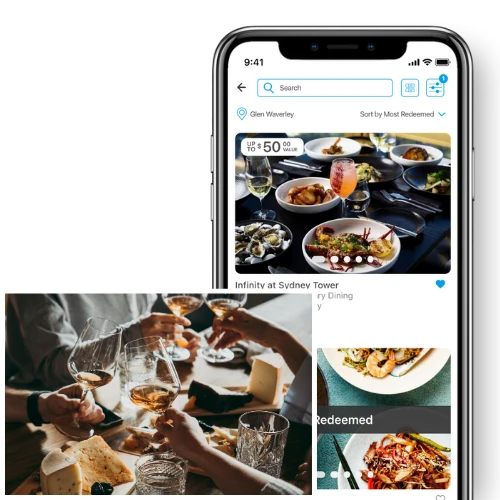
Consider the value proposition of dining discounts up to 20% at local restaurants and cafés across major Australian cities. Suddenly, your energy provider is delivering hundreds of dollars in tangible value beyond your electricity supply.
Similarly, eGift cards from major retailers can transform routine purchases into savings opportunities. When you’re already shopping at Woolworths, Coles, or other major brands for necessities, getting discounted egift cards means you’re effectively reducing your cost of living on purchases you’d make anyway.
The eGift Card Strategy
Here’s how savvy households maximise savings through retail gift cards:
Plan your major purchases. Before buying furniture, electronics, or other big-ticket items, check if discounted gift cards are available for those retailers. A 5% saving on a $2,000 appliance purchase is $100 in your pocket.
Stack your grocery savings. Purchase discounted egift cards for your regular supermarket, then use them during sales periods or with manufacturer coupons for compound savings.
Never pay full price for everyday essentials. From beauty products at Priceline to household items at Big W, using discounted gift cards means you’re always getting a better deal than customers paying standard prices.
Make travel more affordable. Accommodation through platforms like Airbnb becomes significantly cheaper when you start with discounted gift cards, especially for longer stays or family trips.
Seasonal Energy Planning
Australian households experience dramatic seasonal variations in energy usage. Summer air conditioning and winter heating can double or triple electricity consumption compared to mild months. A responsive energy provider recognises these patterns and offers plans structured around Australian weather realities.
Rather than one-size-fits-all pricing, look for providers offering seasonal plans or flexible rate structures that acknowledge how your household actually uses energy throughout the year.
The Local Advantage
There’s genuine value in choosing an Australian-owned energy retailer with local call centres. For example, when you need to adjust payment arrangements, speaking with someone who understands Australian conditions and has authority to help makes all the difference.
Local providers also tend to have stronger commitments to their service areas, investing in community initiatives and supporting local businesses through partnership programs.
How to Calculate Real Value
When comparing energy providers, create a comprehensive value calculation:
- Base energy costs: Compare your expected annual electricity and gas bills based on your typical usage

Dining savings: Estimate monthly dining expenses and calculate potential savings (up to 20% for frequent diners)
- Retail savings: Review your regular purchases at major retailers and calculate gift card savings (typically 3–7%)
- Service quality: Factor in the value of responsive customer service and flexible payment options
- Contract terms: Consider exit fees, rate guarantee periods, and billing flexibility
The provider offering the absolute lowest energy rate might not deliver the best overall value when you account for these additional factors.
Making the Switch
Changing energy providers is simpler than most Australians realise. The process typically takes 10–15 minutes, and your new provider handles most of the transfer process. You won’t experience any supply interruption, and there’s usually no physical changes required to your property.
Before switching:
- Check if your current provider charges exit fees
- Compare your typical usage patterns against plan structures
- Verify what rewards or benefits you’ll access as a new customer
- Confirm the provider services your area
- Ask about any connection or establishment fees
The Bottom Line
Your energy provider touches one of your household’s largest recurring expenses. By choosing a retailer that offers genuine rewards — like substantial dining discounts and gift cards from major retailers — you transform this necessary utility expense into an opportunity for broader household savings.
The math is straightforward: if an energy rewards program saves you $10 monthly on groceries and dining combined, that’s $120 annually. Over a typical two-year energy contract, you’re looking at $240 in real savings on purchases you’d make regardless of who supplies your electricity.
Smart energy choices aren’t just about kilowatt-hour rates. They’re about finding a provider that supports your overall financial wellbeing through transparent pricing, genuine rewards, and commitment to customer service.
When you’re next comparing energy plans, ask yourself: “Is this provider helping me save money on energy bills alone, or are they supporting my entire household budget?” The answer might change which retailer you choose — and how much money stays in your pocket each month.
Looking for an energy provider that delivers both competitive rates and real everyday savings? Research local Australian-owned retailers that offer comprehensive rewards programs alongside their energy services. Your household budget will thank you.




























Sign in to leave a comment.