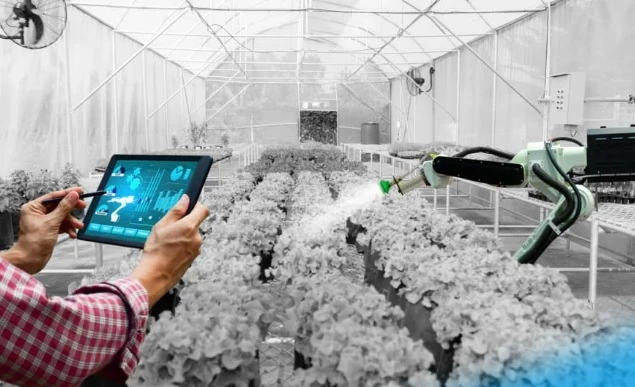

In an era marked by increasing urbanization, climate change, and growing concerns over water scarcity, the importance of efficient water management cannot be overstated. The Smart Water Management Market is emerging as a key player in addressing these challenges, offering innovative solutions that promise to revolutionize the way we manage, distribute, and conserve water resources.
The Need for Smart Water Management
As the global population continues to grow, the demand for freshwater is reaching unprecedented levels. Simultaneously, aging water infrastructure, leaky pipes, and inefficient distribution systems are causing billions of gallons of water to be wasted annually. This unsustainable status quo calls for a transformative solution, and that's where smart water management steps in.
What is Smart Water Management?
Smart water management leverages cutting-edge technology and data-driven approaches to monitor, control, and optimize every aspect of the water cycle. From sourcing and treatment to distribution and consumption, these solutions provide real-time insights and automation capabilities that empower utilities, industries, and even homeowners to make informed decisions and reduce water wastage.
Key Components of the Smart Water Management Market
Sensor Technology: Sensors are at the heart of smart water management. These devices can detect leaks, monitor water quality, and track water levels in reservoirs and distribution networks. Advanced sensor technology ensures early detection of issues, enabling prompt intervention.
Data Analytics and IoT: The Internet of Things (IoT) connects sensors and devices, collecting a wealth of data in real-time. Powerful analytics platforms process this data to provide actionable insights, helping stakeholders optimize water usage, reduce costs, and enhance efficiency.
Cloud Computing: Cloud-based solutions enable secure data storage and access from anywhere. This facilitates remote monitoring and management, making it easier for water utilities and organizations to keep tabs on their water systems.
Advanced Metering Infrastructure (AMI): Smart meters are replacing traditional water meters. They provide accurate readings, allow for remote data collection, and enable dynamic pricing models that incentivize water conservation.
Benefits of Smart Water Management
The adoption of smart water management systems yields a multitude of benefits:
Water Conservation: By identifying leaks and inefficiencies in real-time, smart systems help reduce water wastage, preserving this precious resource for future generations.
Cost Savings: Efficient water management translates to reduced operational costs for utilities and industries. Real-time data enables better decision-making and resource allocation.
Improved Water Quality: Continuous monitoring ensures that water quality meets regulatory standards, safeguarding public health.
Sustainability: Smart water management aligns with sustainability goals by promoting responsible water usage and minimizing environmental impact.
Resilience: In the face of climate change and extreme weather events, smart systems can provide early warnings and help utilities respond swiftly to maintain service continuity.
Market Trends and Future Outlook
The global Smart Water Management Market is experiencing rapid growth, driven by the pressing need for sustainable water management solutions. Market research indicates that IoT-enabled water management systems will continue to gain prominence, with North America and Europe leading the way in adoption.
As technology continues to advance, we can expect even more sophisticated solutions to emerge. Machine learning algorithms and artificial intelligence will play a crucial role in predictive maintenance, anomaly detection, and optimizing water distribution networks.
Conclusion
The Smart Water Management Market represents a crucial step towards addressing the challenges posed by water scarcity and inefficient resource management. By harnessing the power of technology, we can make great strides in conserving water, reducing costs, and ensuring a sustainable future for our planet. As the industry continues to evolve, it is imperative for governments, utilities, and industries to embrace these innovations and work collaboratively to build a more water-resilient world. Smart water management is not just a market; it's a pathway to a more sustainable and secure future.





















Sign in to leave a comment.