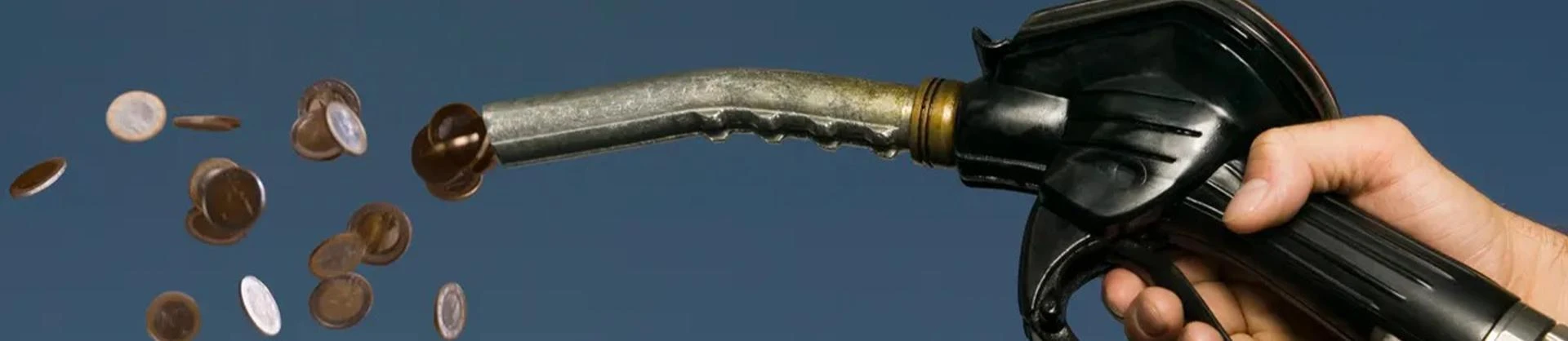

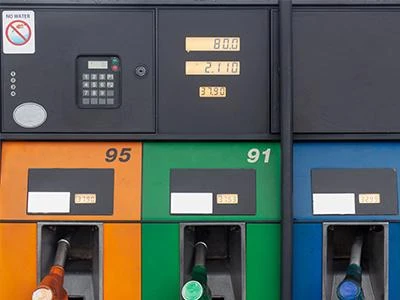
Fuel prices are constantly changing, and with growing concern for the environment, finding ways to use fuel more wisely has become a priority for many drivers. The best part is that you do not need to make big changes or invest in expensive technology. A few simple adjustments to your daily driving routine and regular car maintenance can lead to noticeable savings. These small steps not only help you cut down on fuel costs but also support a cleaner and greener planet.
Here are some easy and effective ways to reduce fuel consumption and improve your vehicle’s performance.
Check Tyre Pressure Regularly
One of the most overlooked factors that affect fuel efficiency is tyre pressure. When tyres are not properly inflated, your car uses more energy to move. Make it a habit to check your tyre pressure every couple of weeks and maintain the level recommended by your car’s manufacturer. This improves mileage, extends tyre life, and enhances overall safety.
Many fuel stations, including Nayara Energy petrol pumps, offer free air check services to help you stay on top of this.
Clean or Replace Air Filters
A clean air filter allows your engine to perform better by improving airflow. When the filter is dirty or clogged, your engine needs to work harder, which uses more fuel. Replacing air filters at regular intervals is a simple way to boost efficiency and keep your car running smoothly.
Drive Smoothly and Avoid Sudden Movements
Abrupt acceleration or braking can waste a lot of fuel. Instead, aim for a smooth and steady driving style. When you accelerate gradually and brake gently, your vehicle performs better and uses less fuel. This approach is especially useful in city traffic where frequent stops are common.
Keep Your Car Free of Unnecessary Weight
Extra weight puts more load on your engine. Clear out items from your boot or back seat that are not needed for your daily trips. A lighter car moves more efficiently, which helps reduce fuel consumption.
Remove External Attachments When Not Needed
Car accessories like roof racks or carriers add bulk to your vehicle and increase wind resistance. If you are not using them, it is best to remove them. A streamlined vehicle uses less fuel, especially at higher speeds.
Maintain a Steady Speed
Driving at a consistent speed helps the engine use fuel more efficiently. Avoid frequent speed changes, especially on highways. If your car has a cruise control feature, consider using it on longer drives to keep your speed stable and reduce unnecessary fuel use.
Turn Off the Engine When Waiting
Keeping the engine running while parked or waiting wastes fuel. If you are stopped for more than a minute, switch off the engine. This small habit can lead to noticeable savings over time.
Choose the Most Efficient Route
Before starting your journey, take a moment to plan the best route. Use navigation tools or apps to avoid heavy traffic and long detours. A shorter and smoother route not only saves fuel but also gets you to your destination faster.
Use Eco Mode in Your Vehicle
If your car has an Eco or energy saving mode, make sure to use it. This setting adjusts the engine and other systems to help you drive in a more fuel-efficient way. It is especially useful during city driving or slow-moving traffic.
Stick to Your Car’s Maintenance Schedule
Routine maintenance plays a big role in keeping your car fuel efficient. Make sure to follow the recommended service intervals for oil changes, engine checks, spark plug replacements, and wheel alignment. A well-maintained engine runs more efficiently and uses less fuel.
Conclusion
Saving fuel does not require drastic changes or costly upgrades. Small, mindful actions like checking your tyres, planning your route, and keeping your car in good condition can lead to significant savings over time. Not only will you reduce fuel expenses, but you will also be making a positive impact on the environment.
Every time you get behind the wheel, remember that smart driving habits can go a long way. The journey to fuel savings begins with simple everyday choices.






















Sign in to leave a comment.