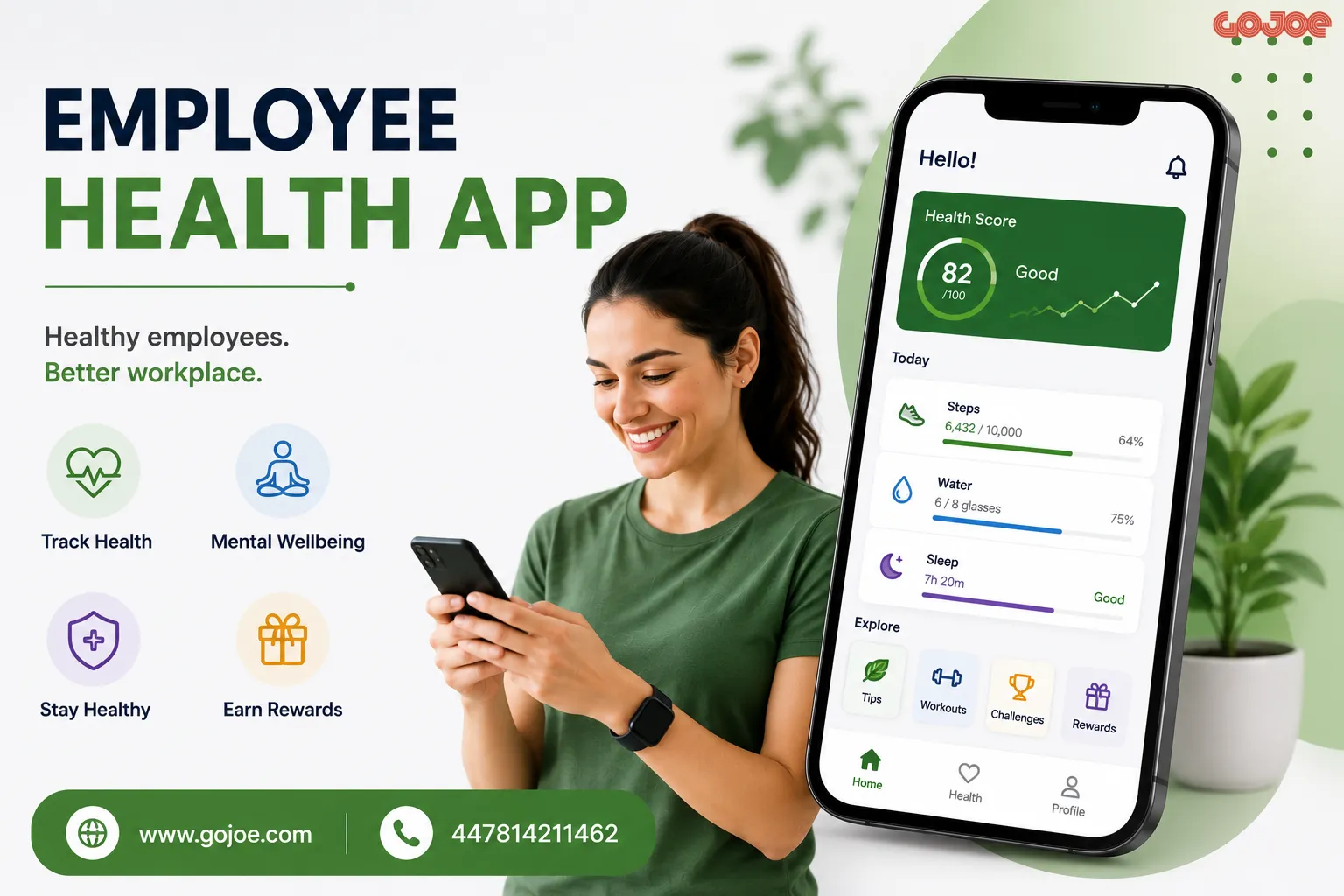

Modern workplaces are changing rapidly, and businesses are now paying more attention to employee wellbeing than ever before. Companies understand that healthier employees are more productive, engaged, and motivated at work. In today’s digital era, an employee health app helps organizations encourage healthy habits, improve communication, and support employee wellness goals in a simple and accessible way. From fitness tracking to mental health support, these apps are becoming an essential part of corporate culture.
Organizations of all sizes are investing in wellness initiatives because they recognize the long-term value of a healthy workforce. Employees who feel physically and mentally supported are more likely to remain loyal to their company and perform at their best. Technology-driven wellness solutions also make it easier for HR teams to organize programs, monitor participation, and create engaging wellness activities for teams.
Why Employee Wellness Matters
Employee wellness is no longer just a trend. It has become an important business strategy that affects productivity, morale, and workplace satisfaction. Employees dealing with stress, fatigue, or health issues often struggle to maintain consistent performance. This can lead to absenteeism, burnout, and reduced efficiency.
Companies that prioritize wellness often experience stronger teamwork, improved retention rates, and better overall workplace culture. Wellness initiatives also help employees feel valued, which creates a positive environment where individuals can grow both personally and professionally.
Many businesses are now moving beyond traditional healthcare benefits and adopting digital wellness solutions that employees can use daily. These tools provide flexibility and convenience while encouraging healthier lifestyles.
Features of an Effective Wellness App
A modern wellness platform offers more than just fitness tracking. It combines multiple features designed to support physical, mental, and emotional wellbeing. The most successful apps create engaging experiences that motivate employees to stay active and connected.
Some common features include:
Activity Tracking
Employees can monitor daily steps, workouts, calories burned, and overall physical activity. This encourages movement throughout the day and promotes healthier routines.
Wellness Challenges
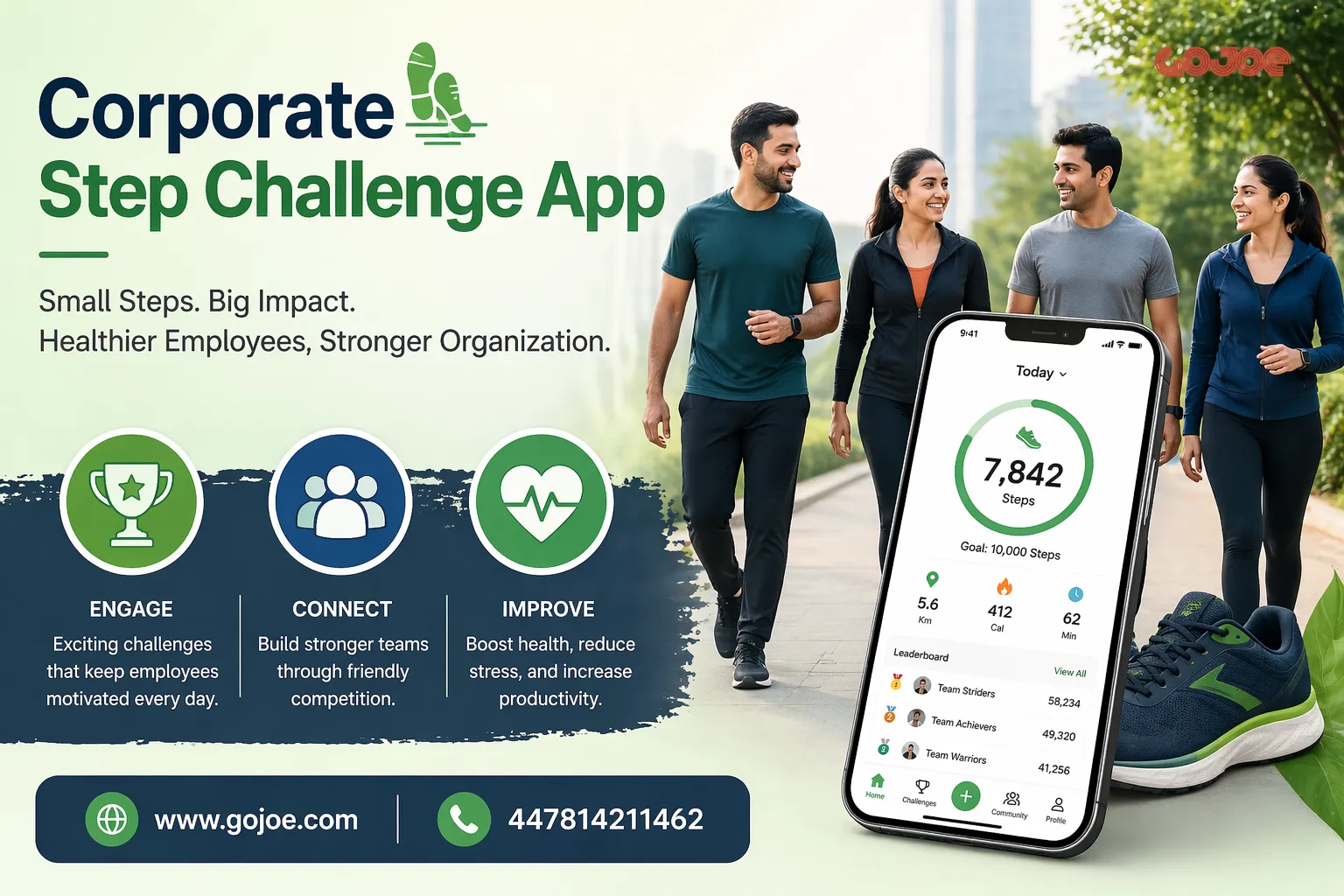
Step challenges, hydration goals, and fitness competitions create friendly competition among coworkers. These activities improve engagement and help teams bond outside their daily work tasks.
Mental Health Support
Stress management resources, meditation sessions, and mindfulness tools help employees maintain emotional balance. Mental wellbeing is equally important as physical fitness in a productive workplace.
Rewards and Recognition
Gamification features such as badges, leaderboards, and rewards motivate employees to stay involved in wellness programs. Recognition can significantly improve participation levels.
Health Insights
Employees can receive personalized wellness recommendations based on their habits and goals. This helps individuals make informed decisions about their health journey.
Benefits for Employers
Wellness apps provide measurable advantages for organizations. Businesses that implement digital wellness programs often see positive changes in employee engagement and company culture.
Increased Productivity
Healthy employees generally have higher energy levels and better concentration. Regular physical activity and wellness support can improve focus and workplace efficiency.
Reduced Absenteeism
Employees who maintain healthier lifestyles may experience fewer illnesses and reduced stress-related absences. This helps organizations maintain consistent workflow and productivity.
Stronger Team Collaboration
Wellness activities encourage communication and teamwork among employees. Group challenges help colleagues connect in meaningful ways, whether they work remotely or in the office.
Improved Employee Retention
Workers are more likely to stay with companies that genuinely care about their wellbeing. Wellness programs show employees that the organization values their health and happiness.
Positive Company Culture
A workplace that promotes health and wellness creates a more supportive environment. Employees often feel more motivated and engaged when wellness is part of company culture.
The Role of Technology in Workplace Wellness
Technology has transformed how businesses approach employee wellness. Mobile apps and digital platforms make it easier for employees to participate in wellness programs anytime and anywhere. Whether someone works remotely, travels frequently, or spends long hours in the office, digital solutions provide convenient access to wellness resources.
An employee health app allows organizations to personalize wellness experiences for different teams and individuals. Employees can choose activities that match their interests and fitness levels, making wellness programs more inclusive and effective.
Technology also provides valuable data insights that help employers improve their wellness strategies. Participation trends, engagement rates, and activity levels can guide future initiatives and create more impactful programs.
Encouraging Long-Term Healthy Habits
One of the biggest challenges in workplace wellness is maintaining long-term engagement. Employees may initially join wellness programs with enthusiasm but lose interest over time. Successful wellness apps address this challenge by making health activities interactive and rewarding.
Regular challenges, achievement tracking, and social interaction help keep employees motivated. Small daily goals often lead to sustainable habits that improve long-term health outcomes.
Companies should also focus on creating a supportive environment rather than forcing participation. Employees are more likely to engage when wellness activities feel enjoyable and voluntary.
Leadership involvement can also make a major difference. When managers and company leaders actively participate in wellness initiatives, employees are often encouraged to join as well.
Creating Inclusive Wellness Programs
Every employee has different wellness needs and preferences. Some may enjoy fitness challenges, while others may prioritize mental health support or nutritional guidance. Inclusive wellness programs provide multiple ways for employees to participate comfortably.
Digital wellness tools can support people of different fitness levels, age groups, and work styles. Flexible participation options ensure that everyone has an opportunity to engage without pressure.
In recent years, many organizations have started integrating preventative health platforms into their corporate wellness strategies to help employees identify potential health concerns early and adopt healthier lifestyles before serious issues develop. Preventative approaches can reduce healthcare costs while encouraging employees to focus on long-term wellbeing rather than short-term solutions.
Tips for Implementing a Successful Wellness Program
Businesses looking to launch a wellness initiative should begin with clear goals and employee feedback. Understanding what employees actually want can improve participation and overall satisfaction.
Here are a few important strategies:
- Keep wellness activities simple and accessible.
- Offer a variety of challenges and wellness resources.
- Encourage teamwork and friendly competition.
- Recognize employee achievements regularly.
- Use technology to simplify participation and tracking.
- Promote consistency rather than short-term results.
Communication is also essential. Employees should clearly understand the purpose of wellness programs and how they can benefit personally from participating.
The Future of Workplace Wellness
The future of employee wellness will continue to evolve alongside technology and changing workplace expectations. Businesses are increasingly recognizing that wellness is directly connected to performance, engagement, and organizational success.
Artificial intelligence, wearable devices, and personalized wellness recommendations may become more common in workplace wellness programs. Companies are also expected to place greater emphasis on mental health, flexibility, and holistic wellbeing.
As hybrid and remote work environments continue to grow, digital wellness solutions will become even more valuable. Organizations that invest in employee wellbeing today are likely to build stronger, healthier, and more resilient teams in the future.
Conclusion
Employee wellness is an essential part of building a productive and positive workplace culture. Businesses that invest in digital wellness tools can encourage healthier habits, improve engagement, and support long-term employee satisfaction. A well-designed wellness strategy benefits both employees and organizations by creating a healthier, more connected workforce.
By adopting modern wellness solutions and encouraging consistent participation, companies can create an environment where employees feel motivated, valued, and supported every day.


























Sign in to leave a comment.