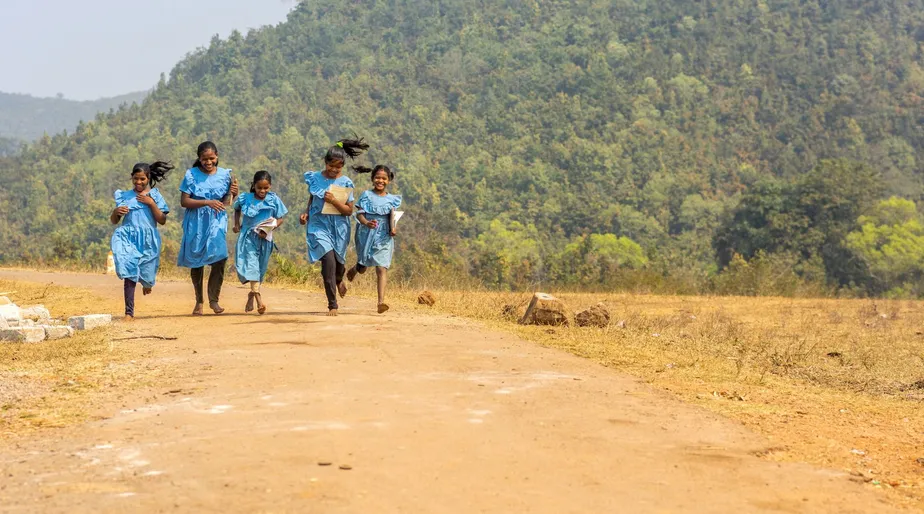

Education is one of the most important foundations for personal growth and social development. Quality learning opportunities help children build knowledge, confidence, and skills that prepare them for a better future. However, many children in underserved communities across India still face difficulties in accessing proper education because of financial limitations, lack of infrastructure, and social challenges.
Strong educational support is essential for reducing inequality and creating long-term opportunities for children from economically weaker backgrounds. Access to schools, trained teachers, digital learning resources, and safe learning environments can significantly improve educational outcomes and overall child development.
Smile Foundation has been working toward improving educational access for underserved children through initiatives focused on learning support, school development, and child welfare. The organization’s education programs aim to help children continue their studies while creating supportive learning environments that encourage long-term academic growth.
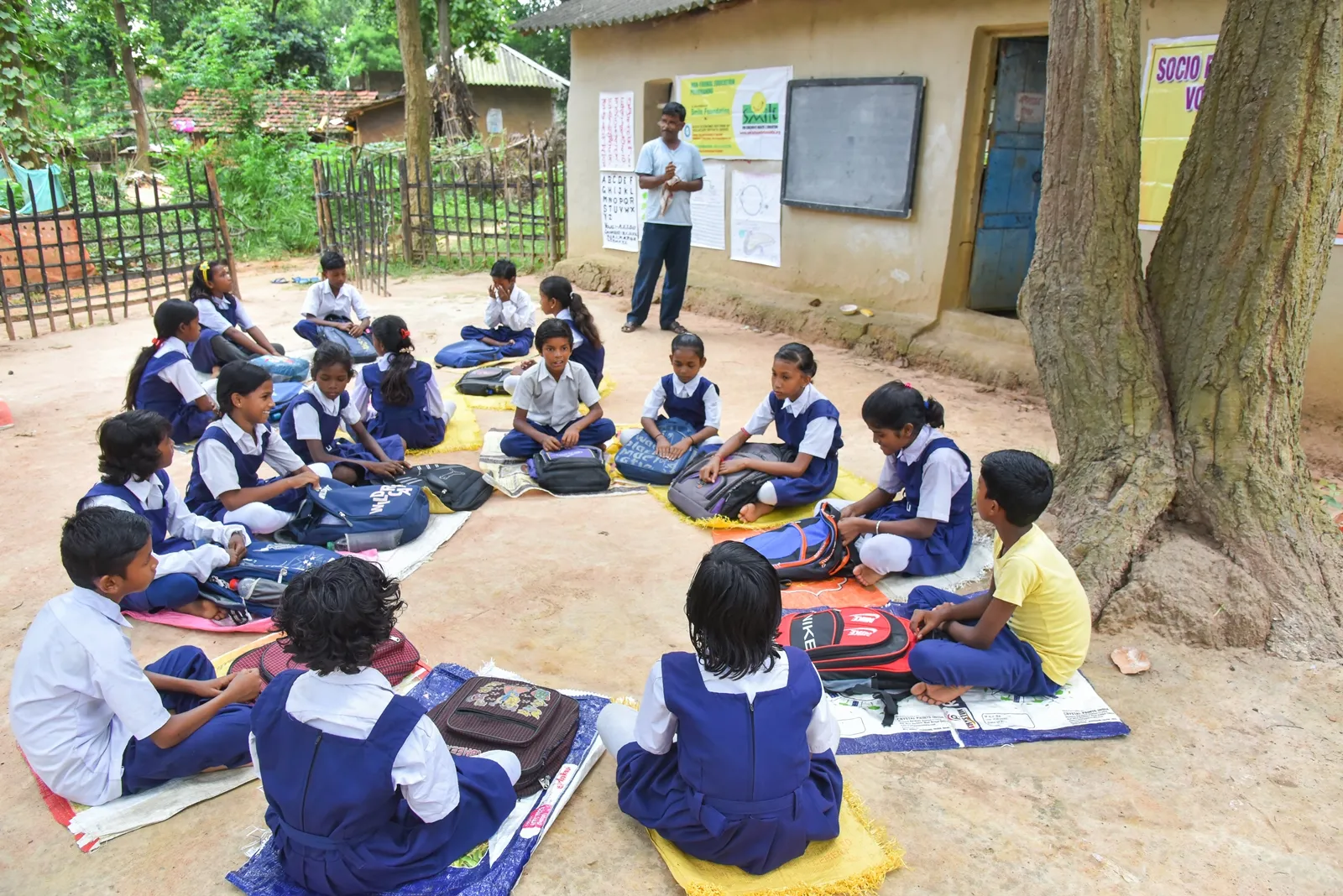
One of the major challenges faced by children in underserved areas is the lack of proper educational infrastructure. In many rural communities, schools may not have adequate classrooms, learning materials, sanitation facilities, or digital resources. Improving these conditions is important for ensuring better educational experiences for students.
Digital education has become increasingly important in recent years. Access to technology and online learning tools helps students gain exposure to modern educational methods and improve learning outcomes. However, many children still lack access to digital devices and internet connectivity, making educational support initiatives even more important.
Teacher support and training also play a major role in improving the quality of education. Skilled teachers help students understand concepts more effectively while encouraging confidence and creativity in the classroom. Interactive learning methods can make education more engaging and enjoyable for children.
Education programs also focus on overall child development rather than academic learning alone. Activities related to life skills, communication, creativity, health awareness, and personality development help children build confidence and social awareness alongside formal education.
Another important aspect of educational support is reducing school dropout rates. Financial pressure and social challenges often force children to leave school at an early age. Awareness programs and community involvement can help families understand the long-term importance of education and encourage continuous learning.
Girls’ education is also essential for community progress. Educated girls are more likely to become financially independent, support healthier families, and contribute positively to society. Supporting equal learning opportunities for girls helps create stronger and more inclusive communities.
Education creates opportunities that can transform lives and communities over time. By supporting quality learning initiatives and encouraging equal access to education, organizations and communities can help children build brighter futures and contribute positively to society.



























Sign in to leave a comment.