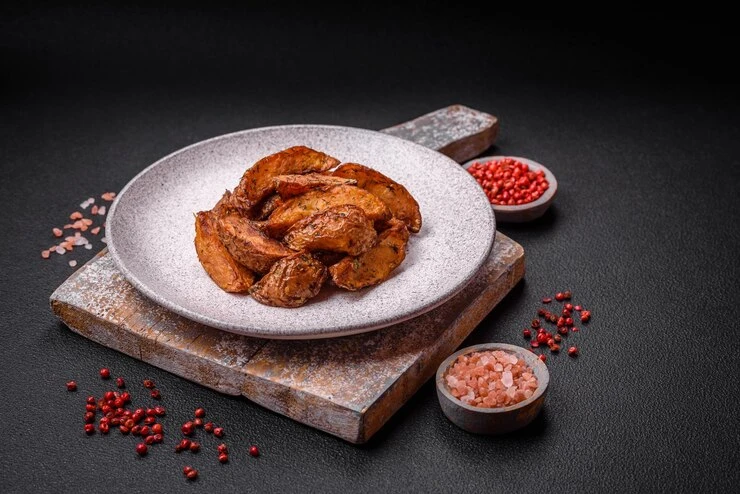

There’s something undeniably captivating about food kissed by smoke. The aroma, the flavor, the visual appeal, all come together in an experience that feels both ancient and sophisticated. Among today’s smoky culinary creations, one name continues to capture the imagination of chefs and food enthusiasts alike: Smoked Dragon.
More than a recipe or technique, it represents a philosophy, a celebration of the bold, fiery art of cooking that transforms simple ingredients into unforgettable meals. It’s about coaxing depth, texture, and soul from fire. The phrase itself ignites curiosity: part legend, part craft, and entirely about taste that lingers.
The Legend Behind the Smoke
The culinary term smoked dragon draws inspiration from the mythical creature known for its strength and ability to breathe fire. Just as a dragon controls its flames with purpose, a skilled chef masters the smoke, channeling heat, wood, and timing into a dance of precision.
In the kitchen, smoke isn’t just a cooking method; it’s a creative tool. When applied thoughtfully, it teases out hidden dimensions of flavor that can’t be achieved through ordinary roasting, baking, or frying. That’s the essence of it, the idea that true mastery lies not in overpowering ingredients but in enhancing them through fire’s transformative power.
The Philosophy: Fire as Flavor
Every culture has its own relationship with smoke. In American barbecue, it’s about low and slow perfection, briskets and ribs infused with hickory and mesquite. In Japan, cherry wood and oak add delicate notes to seafood and wagyu. In the Mediterranean, olive wood and herbs flavor grilled vegetables and lamb.
This approach borrows from all these traditions and unites them under one culinary belief, fire should awaken the natural beauty of food, not disguise it. A perfectly executed dish is all about balance, between heat and patience, wood and ingredient, intensity and subtlety. It’s this harmony that makes smoked food both primal and refined, simple yet endlessly complex.
Crafting the Perfection
What defines a dish as smoked dragon? It’s not just about throwing meat over fire. It’s about deliberate craftsmanship, the thoughtful selection of wood, the control of temperature, and the understanding of how smoke interacts with fat, moisture, and texture.
Here’s how culinary artisans bring this concept to life:
1. The Choice of Wood
Every type of wood imparts a unique character to food:
- Hickory brings bold, savory depth, perfect for pork and beef.
- Applewood delivers a sweeter, fruitier smoke ideal for poultry.
- Oak offers versatility, providing balance for everything from fish to vegetables.
- Cherry and Maple lend gentle notes that enhance presentation with a rich mahogany color.
In this type of cooking, wood isn’t fuel, it’s an ingredient. Choosing it is as important as selecting the protein or produce.
2. Temperature and Time
A true chef knows that flavor develops slowly. The magic happens when smoke seeps deep into fibers, infusing every bite with warmth and complexity. Low-and-slow techniques, anywhere between 200°F and 250°F, allow for perfect rendering of fat and absorption of aromatic compounds.
3. Marinades and Rubs
This approach often features bold marinades that balance sweetness, salt, and spice. Think brown sugar, smoked paprika, soy, garlic, and honey, ingredients that caramelize beautifully under heat, creating that irresistible crust known as “bark.”
Even vegetables benefit from this process. Smoked peppers, eggplants, and mushrooms absorb smoky essence while maintaining their natural textures, turning simple sides into star dishes.
Smoked Dragon in Modern Cuisine
While traditional smoking methods go back centuries, modern chefs are reinventing them under the smoked dragon philosophy. They’re pairing smoke with innovation, experimenting with global flavors, sustainable ingredients, and creative presentations.
At contemporary smokehouses and fine-dining restaurants, you’ll find dishes like:
- Beef Short Ribs with soy-chili glaze and sesame slaw.
- Charred Dragon Salmon finished with maple smoke and citrus miso butter.
- Vegetables, a medley of wood-roasted carrots, mushrooms, and zucchini tossed in herb-infused olive oil.
- Dragon-Smoked Cheese Boards, featuring gouda, cheddar, and brie infused with subtle smoke for rich, aromatic bites.
Even desserts are getting this treatment, think smoked chocolate ganache, vanilla bean ice cream kissed with oak smoke, or caramel flan layered with hints of toasted sugar and firewood.
The appeal is universal: smoky flavor elevates sweetness, adds dimension to creaminess, and introduces an unexpected warmth that keeps diners coming back for more.
Healthier Cooking, Naturally
One reason this cuisine continues to rise in popularity is that it aligns with modern wellness trends. Smoking and grilling can minimize the need for heavy oils or artificial flavorings, allowing the natural characteristics of ingredients to shine.
The controlled, indirect heat of smoking also preserves nutrients while creating satisfying textures. When paired with lean meats, fish, or vegetables, this cooking method becomes a healthy indulgence, rich in taste but lighter on the palate.
The Aroma That Captivates
Beyond taste, this cooking method is an experience that engages all senses. The gentle curl of smoke rising from a grill, the sound of sizzling juices, the rich aroma of caramelized wood, they all tell a story.
This multisensory appeal is what makes these dishes unforgettable. When someone encounters that first whiff of smoky sweetness, it triggers anticipation and emotion. The flavor that follows doesn’t just satisfy hunger, it leaves an impression.
Food memories are powerful, and smoke tends to linger in them longer than most. That’s why smoked dishes often carry a sense of nostalgia and connection, reminding us of backyard barbecues, campfire nights, and shared meals that felt special.
The Global Influence
What makes it truly fascinating is how it transcends cultures. Around the world, every region has its own smoky signature:
- American South: Mesquite and hickory define barbecue classics like brisket, pulled pork, and ribs.
- Scandinavia: Cold-smoked fish and cheeses reflect delicate, northern traditions.
- Asia: Smoked teas, soy-glazed meats, and chili-smoked tofu showcase elegant balance.
- Mediterranean: Smoked olive oils and herb-infused marinades create aromatic grilled fare.
This concept unites these global traditions into a single culinary language, one that speaks of patience, craft, and fire.
The Future of Smoked Dragon Cuisine
As diners crave authentic, experiential food, this cuisine is moving from rustic barbecue joints to high-end restaurants and home kitchens. It’s inspiring a new generation of chefs who value both tradition and innovation.
Expect to see more sustainable smoking practices, using renewable wood sources, modern smoke infusers, and plant-based proteins. Chefs are also exploring fusion dishes: smoked sushi, smoked vegan burgers, and even smoked sauces that can transform ordinary meals into gourmet experiences.
The message behind it all remains the same: fire is flavor, and when used with intention, it creates magic.
Final Thoughts
At its heart, smoked dragon cooking is about respect, for ingredients, for craft, and for the timeless bond between food and flame. It takes what’s raw and makes it remarkable. Each dish tells a story of transformation, how heat and patience can elevate simplicity into sophistication. That’s why it isn’t just a culinary trend; it’s a celebration of everything that makes food meaningful.
In a fast-paced world filled with shortcuts and instant meals, the slow, deliberate art of smoking stands as a reminder, real flavor takes time. And when done right, it’s worth every second.

























Sign in to leave a comment.