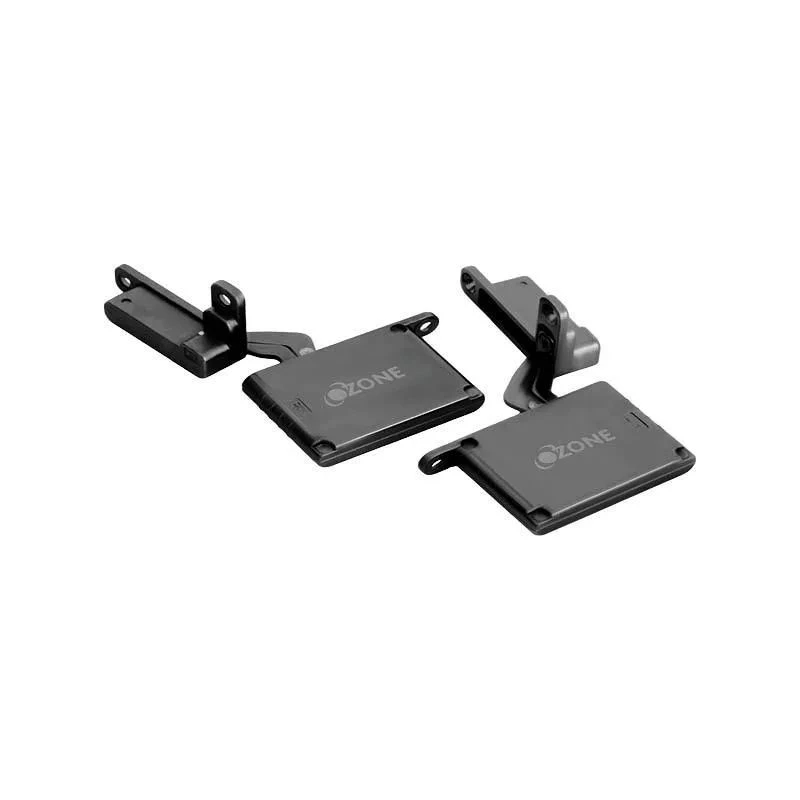

Learn what sofa hinges do, which type you need, how to choose, install, and fix common issues like wobble, squeaks, and misalignment.
If a sofa backrest clicks, a storage seat won’t stay open, or a sleeper sofa feels “stuck,” the problem is often the hardware that controls movement. sofa hinges are small parts, but they decide how smooth, safe, and stable your sofa feels in daily use. Furniture hinge ranges are typically grouped by use-case (like soft-close, auto-close, special-application hinges), so starting with the correct hinge type matters more than buying the “strongest” hinge.
What are sofa hinges and what do they do?
Sofa hinges are joints that connect two sofa parts and control how they move. In simple terms, they act like a guided pivot. Depending on the sofa design, they may do one or more of these jobs:
- Hold a lid open (storage compartment under the seat)
- Allow the backrest or armrest to change angle (multi-position comfort)
- Help a sofa convert into a bed (folding or rotating mechanism)
- Keep moving parts aligned so the sofa doesn’t twist over time
When sofa hinges wear out or are the wrong type, you’ll notice symptoms fast: wobble, uneven gaps, loud squeaks, sudden drops, or a backrest that doesn’t “lock” confidently.
Types of sofa hinges for storage, recline, and sofa beds
Not all sofa hinges are the same, and sofa designs usually need a very specific mechanism.
For storage sofas, hinges commonly need to support a lid that opens and closes repeatedly. If the lid is heavy, the hinge must handle load and also keep motion controlled so it doesn’t slam.
For adjustable parts (headrest/armrest/backrest), you’ll often see multi-position or “ratchet-style” mechanisms in the market, built to hold set angles and resist slipping. Many hinge mechanisms for adjustable sections are designed around repeated angle changes and stable holding power.
For sofa beds, the hinge mechanism is basically the “heart” of the conversion action. A good mechanism should fold smoothly, stay stable, and avoid frame wobble when opened as a bed.
The big takeaway: sofa hinges should match the function first (storage vs. adjustable vs. sofa bed), then match the load and mounting style.
How to choose sofa hinges that actually fit your sofa
Choosing sofa hinges is not guesswork. It’s a fit problem. Here’s what to check before you buy:
1) What moves, and how does it move?
Is it a lift-up lid? A fold-out bed? A backrest that rotates? The movement path decides the hinge type.
2) Where is the hinge mounted?
Some hinges sit inside a frame, some mount on the side plates, and some need specific brackets. If your sofa has a metal frame, the mounting pattern and hole spacing matter a lot.
3) How heavy is the moving part?
Seat lids, thick backrests, and sofa-bed frames create very different loads. Under-rated sofa hinges feel fine for a week, then loosen as screws shift and holes widen.
4) Do you need controlled closing or soft action?
In many furniture categories, “soft-close” and “auto-close” hinge designs exist for controlled movement and alignment in repeated use. That same thinking applies when you want smoother, quieter motion in furniture joints.
Quick selection checklist (use this before ordering):
- Measure the hinge length and plate width on your old sofa hinges
- Note the number of screw holes and their spacing
- Check if left/right pairs are required
- Open/close the sofa slowly and observe the motion path
- If it’s a sofa bed, confirm the mechanism style (fold, click-clack, rotate)
How to install and align sofa hinges safely
Installing sofa hinges is mostly about alignment and safe load handling. If you rush this part, the hinge will work… but the sofa will feel crooked.
Start by removing the load. For a storage lid, have someone hold it or prop it securely. For adjustable backrests, set the part in a neutral position where it’s easiest to line up.
Then:
- Mark screw positions using the hinge plate as a template
- Pre-drill if you’re mounting into wood (this reduces splitting and screw drift)
- Tighten screws gradually, alternating sides to keep plates flat
- Test movement slowly, listening for rubbing or binding
- Re-tighten after a few open/close cycles, because parts often settle
If the hinge mounts into worn screw holes, don’t keep tightening harder. That usually strips the hole further. A common furniture repair approach is to fill worn holes with wood and glue, then re-seat the hinge so screws bite properly again.
Done right, sofa hinges should move smoothly without forcing, and both sides should feel equally “loaded.”
How to fix common sofa hinges problems
Most sofa hinges issues fall into a few repeat patterns:
Loose hinge, wobbling lid/backrest:
This is often loose screws or worn holes. Tighten first. If tightening doesn’t hold, repair the screw holes (wood-and-glue method) and reinstall.
Squeaking during movement:
Squeaks usually come from metal-on-metal friction. Light lubrication can help, but only after you confirm screws are tight and parts are not misaligned. If the hinge is grinding because it’s twisted, lubrication won’t solve it.
Backrest won’t hold angle / “slips”:
This usually means the internal mechanism is worn or the hinge type is wrong for holding positions. In that case, replacement is often better than forcing a repair, because a slipping backrest is a safety issue.
Sofa bed mechanism jams:
Jams are often caused by misalignment, bent linkages, or debris in the mechanism path. Inspect for a twisted frame first. Sofa bed mechanisms are designed to convert smoothly; if you need to “fight” it, something is off.
In all cases, replacing sofa hinges with the correct type is usually the fastest route back to a solid, safe sofa.
Frequently Asked Questions
What are sofa hinges used for?
Sofa hinges connect moving sofa parts and control motion like lifting a storage lid, adjusting a backrest angle, or folding a sofa bed mechanism.
How do I know if my sofa hinges need replacement?
If you notice wobble, slipping angles, loud squeaks, or a lid/backrest that won’t stay in position, the hinge is likely worn, loose, or mismatched to the load.
How do you fix loose hinges on a storage sofa?
Tighten screws first. If the screws don’t grip because the holes are worn, fill the holes with wood and glue, let it set, then reinstall the hinge so it bites firmly.
Can I lubricate sofa hinges to stop squeaking?
Yes, lubrication can reduce friction noise, but only after you confirm screws are tight and the hinge isn’t rubbing due to misalignment. Wipe excess lubricant so it doesn’t attract dust.
Are sofa bed hinges different from normal furniture hinges?
Yes. Sofa bed hinges are part of a conversion mechanism and must support folding action, stability, and repeat use without binding or wobble.
What causes a sofa bed mechanism to get stuck?
Common causes include misalignment, bent linkage parts, frame twist, or something blocking the movement path. A stuck mechanism usually means something is mechanically off, not just “stiff.”




























Sign in to leave a comment.