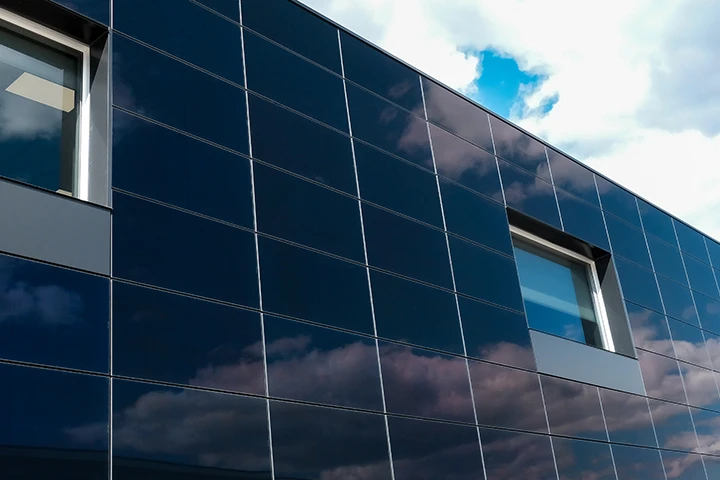

You can turn your building’s exterior into a working power plant without sacrificing design. Solar facade systems integrate photovoltaic panels into cladding or glazing so your façade both protects and generates electricity, reducing operational energy use while maintaining architectural intent.
If you want a practical, visually cohesive way to cut energy bills and carbon emissions, solar facades deliver framed, long-lasting energy generation built right into the building envelope. Expect discussion of how these systems work, design and installation considerations, and the real benefits they provide for new builds and retrofits.
Explore the trade-offs between aesthetics, performance, and cost so you can decide whether a BIPV facade or a conventional mounted array best fits your project goals.
Understanding Solar Facade Systems
Solar facades convert vertical building surfaces into active energy-generating elements while also affecting thermal performance, daylighting, and aesthetics. You’ll learn what these systems are, the main types you’ll encounter, and the basic physics and electrical flow that make them work.
What Are Solar Facade Systems?
Solar facade systems integrate photovoltaic (PV) or solar-thermal elements into a building’s exterior cladding so the facade performs both as enclosure and energy generator. They replace or attach to traditional materials such as glass, metal panels, or rainscreen cladding. You get electricity (or heat) directly from the building envelope rather than relying solely on rooftop arrays.
These systems serve new construction and retrofit projects. They can improve insulation, provide shading, and contribute to façade aesthetics. You should evaluate structural support, wind loads, fire codes, and maintenance access when specifying them.
Types of Solar Facades
Common types include:
- BIPV curtain wall and glazing: Photovoltaic glass or films replace standard glazing panels to produce electricity while admitting daylight.
- PV rainscreen and cladding panels: Framed PV modules act as exterior cladding, available in opaque or patterned finishes for visual variety.
- Ventilated solar facades (solar chimneys): PV panels mounted with an air cavity that supports thermal ventilation and reduces heat transfer.
- Thin-film and building-applied PV: Lightweight, flexible modules laminated onto existing surfaces for retrofit applications.
Choose based on building height, orientation, visible aesthetics, and energy goals. Also consider module efficiency, integration complexity, and lifecycle costs to find the best match for your project.
How Solar Facades Work
Photovoltaic facades convert sunlight into DC electricity via the photovoltaic effect in semiconductor cells. An inverter then converts DC to AC for building use or export to the grid. You often pair PV facades with electrical balance-of-system components: mounting rails, combiner boxes, inverters, and monitoring systems.
Thermal and ventilated facades use solar gain to preheat ventilation air or drive stack-effect flow in a cavity, reducing heating loads. Orientation, shading, and local irradiance determine energy yield; vertical surfaces produce lower peak output than roofs but can deliver steadier generation in dense urban areas. Design professionals model irradiance, structural loads, and energy flows to size arrays and specify controls.
Design, Installation, and Benefits of Solar Facades
Solar facades replace or integrate with building envelope materials to produce electricity, provide weather protection, and contribute to aesthetics and thermal performance. You will consider form factor, mounting strategy, electrical layout, and lifecycle impacts when choosing a system.
Architectural Integration
You must match panel type to facade function: choose thin-film or crystalline modules for opaque cladding, and BIPV glass or semi-transparent PV for curtain walls and sunshades. Consider module dimensions, frame profiles, and color/texture options to align with fenestration rhythms and sightlines.
Load paths and waterproofing change when PV replaces cladding. Coordinate with structural and envelope engineers to size supports, design wind-load connections, and maintain continuous air and vapor barriers.
Plan for maintenance access, ease of module replacement, and integrated shading control. Integrate junction boxes, wiring channels, and microinverters into cavity spaces or service risers to keep visible surfaces clean.
Use mockups and thermal/solar simulations early to validate glare, daylighting, and heat gain effects on interior comfort and HVAC sizing.
Installation Process
Start with a site-specific solar access and structural survey to identify facade orientation, shading, and anchorage points. Secure permits and coordinate electrical interconnection requirements with your utility before procurement.
Typical sequence: fabricate custom panels or frames → install subframe and attachment rails → mount PV modules/glazing units → route DC cabling to combiner boxes → install inverters/optimizers and AC tie-in.
Use ventilation gaps and pressure-equalized cavities to prevent moisture issues behind the PV layer. Apply flashing and sealant detailing at penetrations to maintain envelope performance.
Test performance and safety: insulation resistance checks, string-level IV curves, and thermographic scans reveal wiring faults or hot spots. Document as-built electrical drawings and O&M procedures for future service.
Energy Efficiency and Savings
Solar facades generate on-site electricity that offsets grid consumption during daylight hours, reducing energy bills directly tied to kWh produced. For vertical facades, expect lower peak energy yield per square meter than roofs, but facades deliver usable power for daytime loads and can reduce peak demand.
Combine facade PV with building energy models to size system output against HVAC and plug loads. Use performance ratios and hourly irradiance data to estimate annual generation and payback timelines.
Integrate inverters with export control or battery storage to maximize self-consumption and reduce demand charges. Track production with a monitoring system and plan routine cleaning for dusty climates to maintain expected yield.
Environmental Impact
You will reduce operational carbon by displacing grid electricity with low-carbon solar generation; quantify savings using local grid emission factors (kg CO2e/kWh) for accurate accounting. Consider embodied carbon of PV modules, framing, and glass when evaluating net lifecycle benefits.
Choose recyclable module types and design for disassembly to ease end-of-life handling. Specify low-VOC sealants and corrosion-resistant metals to lower environmental and maintenance risks.
Assess urban heat island and glare impacts when implementing reflective glass or dark PV arrays. Use simulations and material selection to mitigate unwanted thermal or visual effects on neighbors and street-level comfort.
Document end-of-life plans and warranty coverage to ensure you capture long-term environmental gains and avoid premature replacement waste.


























Sign in to leave a comment.