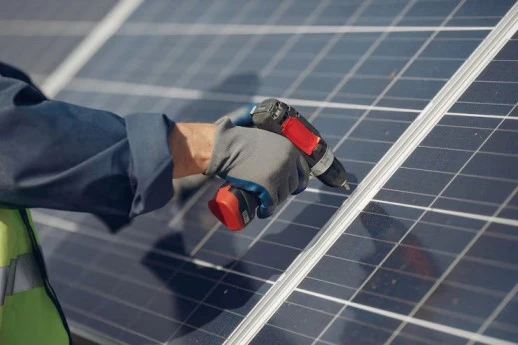

Switching to solar energy can be one of the best long-term decisions for homeowners. It reduces monthly utility bills, increases property value, and supports sustainable living. However, for first-time buyers, the upfront cost can feel challenging. That’s why learning to finance your solar panel system properly is essential to making solar both affordable and practical.
The Real Value of Going Solar
Solar energy is more than just an environmental choice—it also provides long-term financial benefits. When you install solar panels, you’re investing in your home and your future savings.
One key financial benefit is increased property value. According to national real estate data, adding a solar energy system can raise your home's resale value by about 4.1 percent. This means that on a $400,000 home, solar could add over $16,000 in value. On top of that, solar systems often pay for themselves over time through reduced utility costs.
And while the average cost of a solar panel system in the U.S. is around $31,558, this price can be brought down significantly with available tax incentives and rebates. For example, thanks to the 30% federal tax credit included in the Inflation Reduction Act, a $30,000 solar system could make you eligible for a $9,000 tax credit—bringing the effective cost down to $21,000.
Comparing the Types and Costs of Solar Panels
Choosing the right type of solar panel impacts your overall investment. There are three main types, and each comes with its own price range and efficiency level.
●Monocrystalline panels: These are the most efficient, making them ideal for homes with limited roof space. They cost about $1 to $1.50 per watt, excluding installation.
●Polycrystalline panels: Less efficient but more budget-friendly, these cost about $0.70 to $1 per watt.
●Thin-film panels: Often used in large commercial projects due to their flexibility, they cost around $1 to $1.50 per watt, but require more space because of lower efficiency.
Understanding the type of panel you need will help you budget accurately and avoid overspending on features that may not be necessary for your specific home.
How to Finance Your Solar Panel System?
Once you know which system fits your needs, the next step is to figure out the best financing option for your solar panel system. There are several options available, especially for first-time buyers who may not want to pay the full amount upfront.
You can choose from a few common financing paths:
● Solar Loans: These allow you to own the system while spreading out the payments over time. Solar loans are either secured (tied to your home or property) or unsecured (based only on credit). They may offer fixed or variable interest rates.
● Solar Leases and PPAs: With these options, a third party owns the system, and you pay a set monthly amount. While you don’t get tax credits or added home value, you can still save on electricity bills without upfront costs.
●PACE Financing (Property Assessed Clean Energy): Available in certain areas, PACE allows you to pay for the solar system through your property tax bill. The loan is tied to your property, not your credit, and may transfer if you sell the home.
These programs help reduce the upfront burden while still allowing you to enjoy the benefits of solar power.
Important Factors to Consider Before Financing
Choosing the right financing option for your solar panel system isn't just about getting a loan or signing a lease—it's about ensuring the plan aligns with your financial situation, energy needs, and long-term goals.
Think about the following before signing any agreement:
● Loan duration and interest rate: Shorter loans have higher monthly payments but lower total interest.
●Ownership vs. leasing: Owning usually brings more long-term value and access to incentives.
● Monthly cash flow: Make sure your new solar payment doesn’t stretch your budget too thin.
●Maintenance responsibilities: With ownership, you handle upkeep. Leases may include maintenance in the agreement.
● Transferability: If you plan to move soon, choose a financing option that’s easy to transfer to a new owner.
Carefully evaluating these details will help you avoid future surprises and get the best return on your investment.
State and Local Incentives That Help
In addition to the federal tax credit, many states offer additional solar financing programs and benefits, such as:
● Rebates: Some utility companies or state agencies offer cash rebates for installing solar.
● Net Metering: This allows you to sell excess energy back to the grid, which can reduce or eliminate your electric bill.
● Performance-based incentives (PBIs): These pay you based on how much electricity your system generates.
Be sure to check with your local government or utility provider to find out what’s available in your area.
Planning Ahead: Steps to Take Before Choosing a Financing Option
Before making any commitments, it’s smart to follow these steps:
- Assess your energy usage and determine how much of it you want to offset with solar.
- Get multiple quotes from licensed solar installers to compare pricing and system options.
- Ask each provider about financing plans they work with or recommend.
- Check your credit score, especially if you’re considering a loan.
- Review the fine print of any agreement—watch out for hidden fees or escalating payment terms.
Final Outlook:
Understanding the financing of your solar panel system is key to making a smart and affordable switch to clean energy. With different financing programs, tax credits, and rebates available, first-time buyers don’t need to feel overwhelmed by upfront costs. Careful planning, comparing options, and knowing your financial limits can help you make the most of your investment and enjoy the long-term benefits of solar energy.
























Sign in to leave a comment.