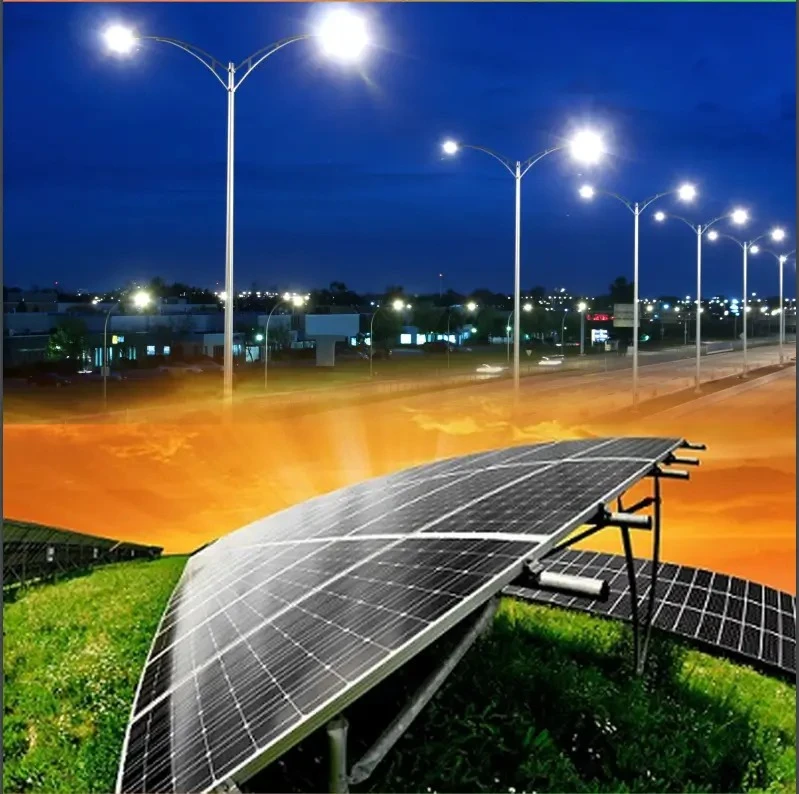

With rising electricity costs and growing demand for sustainable infrastructure, solar street lighting has become a preferred solution for highways, villages, industrial areas, and smart city projects. Whether you are working on a government tender, private township, or commercial project, understanding the cost structure is essential before choosing a solar street lights supplier.
In this 2026 price guide, we will explain what affects the cost of solar street lights and how to select the right solar street light company or street light manufacturer for your project.
Why Solar Street Lights Are in High Demand in 2026
Solar street lights are gaining popularity because they:
- Reduce electricity bills
- Require minimal wiring
- Work in remote areas
- Lower carbon emissions
- Offer long-term cost savings
However, prices can vary significantly depending on technical specifications and project requirements. Let’s break down the key factors that affect the cost.

Main Factors That Affect Solar Street Light Price
1. Wattage of LED Light
The wattage of the LED fixture is one of the biggest pricing factors.
- 12W–20W: Suitable for small streets and rural areas
- 24W–40W: Ideal for residential colonies and parking areas
- 60W–120W: Used for highways and industrial zones
Higher wattage means higher lumen output and higher cost. Always choose wattage based on road width and lighting requirements rather than overestimating.
2. Solar Panel Capacity
The solar panel size determines how efficiently the system charges during the day.
- Smaller panels reduce cost but may underperform in cloudy regions
- Higher watt panels increase price but improve reliability
A professional solar street light company will recommend panel capacity based on your geographic location and sunlight availability.
3. Battery Type and Capacity
Battery cost significantly impacts total price. In 2026, most street light manufacturers use:
- Lithium-ion batteries
- LiFePO4 batteries
LiFePO4 batteries are more expensive but offer longer lifespan (5–8 years), better safety, and stable performance. Cheaper batteries reduce upfront cost but may require frequent replacement.
Battery capacity also determines backup time. More backup equals higher cost.
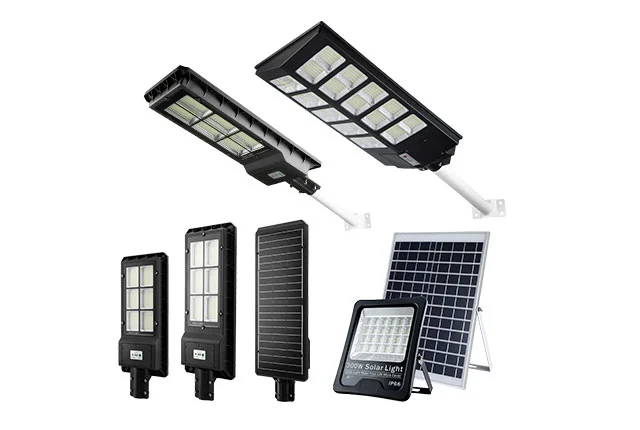
4. Type of Solar Street Light System
There are mainly two types:
All-in-One Solar Street Lights
- Compact design
- Easy installation
- Slightly higher unit cost
- Low maintenance
Split Solar Street Lights
- Separate panel, battery, and fixture
- Flexible installation
- Often used for high-power applications
- Cost varies depending on configuration
Your chosen solar street lights supplier will guide you on which system suits your project.
5. Pole Height and Material
The street light pole also affects total pricing.
- 3–5 meter poles: Lower cost
- 6–9 meter poles: Higher cost
- GI poles vs Octagonal poles
Thicker material and better coating increase durability but also raise the price.
6. Controller and Smart Features
Modern systems may include:
- Motion sensors
- Dimming features
- Automatic on/off
- Remote monitoring
Smart solar street lights cost more initially but save energy and improve efficiency over time.
7. Installation and Transportation
Installation cost depends on:
- Location (urban or rural)
- Soil condition
- Foundation requirements
- Distance from supplier
An experienced solar street light company usually provides installation support or guidance to reduce errors and extra costs.
Estimated Solar Street Light Price Range in 2026
While exact pricing depends on specifications, here is a general estimate:
- Basic 12W–20W system: Entry-level pricing
- 30W–40W commercial system: Mid-range pricing
- 60W+ highway models: Premium pricing
Bulk orders from a reliable street light manufacturer can significantly reduce per-unit cost.
For government projects, pricing may vary depending on tender requirements and technical specifications.
Hidden Costs to Consider
Many buyers focus only on initial price, but long-term cost matters more.
Maintenance Costs
High-quality components reduce maintenance expenses. Choosing a trusted solar street lights supplier ensures longer system life.
Battery Replacement
Low-grade batteries may need replacement within 2–3 years, increasing overall cost.
Warranty and Service
Always check warranty coverage. Reputable street light manufacturers offer 2–5 years warranty on major components.
How to Choose the Right Solar Street Lights Supplier
Selecting the right partner is as important as choosing the right product.
Check Manufacturing Capability
Work with a street light manufacturer that has in-house production facilities. This ensures better quality control.
Verify Certifications
Ensure the solar street light company complies with industry standards and government norms.
Compare Technical Specifications
Do not compare products only by price. Compare:
- Lumens output
- Battery capacity
- Solar panel efficiency
- Warranty terms
Review Past Projects
Experienced suppliers usually have completed projects in:
- Villages
- Industrial zones
- Highways
- Government sectors
This adds credibility and reliability.
Why Cheaper Is Not Always Better
Low-cost solar street lights may:
- Use undersized panels
- Contain low-grade batteries
- Provide poor illumination
- Fail within a short period
Investing slightly more with a trusted solar street light company ensures long-term savings and better performance.
Future Trends Affecting Solar Street Light Prices in 2026
Several factors are shaping the market:
- Growing smart city projects
- Increasing lithium battery demand
- Improved solar panel efficiency
- Government renewable energy initiatives
As production scales up, prices may stabilize, but premium smart features will continue to influence cost.
Conclusion
Understanding solar street light pricing in 2026 requires evaluating multiple factors including LED wattage, battery type, panel capacity, pole design, and smart features. The lowest price does not always mean the best value.
Choosing an experienced solar street lights supplier, a reputable solar street light company, and a trusted street light manufacturer ensures:
- Better product quality
- Longer lifespan
- Lower maintenance cost
- Reliable performance
Before finalizing your purchase, carefully compare specifications, warranty terms, and supplier credibility. A well-planned investment in solar street lighting not only reduces energy costs but also supports sustainable infrastructure development for years to come.
























Sign in to leave a comment.