

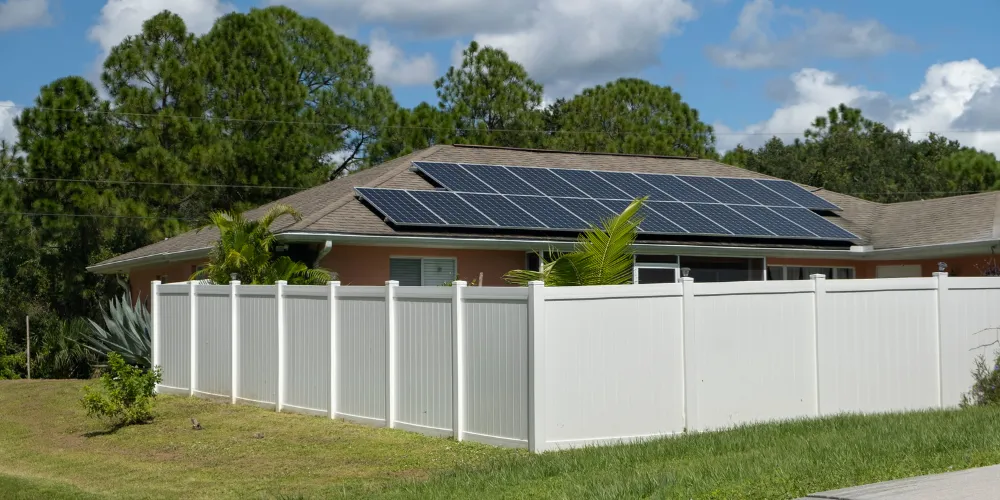
Solar energy is one of the most abundant and accessible sources of power available on Earth. Every day, the sun emits an enormous amount of energy, much of which reaches the planet in the form of sunlight. Solar systems are designed to capture this sunlight and convert it into usable electricity for homes, businesses, and industries. Understanding how this process works can help people make informed decisions about energy use and sustainability.
Understanding Solar Energy
At its core, solar energy is radiant light and heat from the sun. This energy can be harnessed using different technologies, but the most common method is through photovoltaic (PV) systems. These systems directly convert sunlight into electricity using solar panels.
Solar panels are made up of smaller units called solar cells, typically composed of silicon. When sunlight hits these cells, it excites electrons, creating an electric current. This process is known as the photovoltaic effect, and it is the foundation of how solar systems generate power.
Key Components of a Solar System
A solar power system consists of several essential components that work together to generate and distribute electricity:
1. Solar Panels
These are the most visible part of a solar system. Installed on rooftops or open land, solar panels absorb sunlight and generate direct current (DC) electricity.
2. Inverter
The electricity produced by solar panels is in DC form, but most appliances use alternating current (AC). An inverter converts DC electricity into AC, making it usable for everyday needs.
3. Mounting System
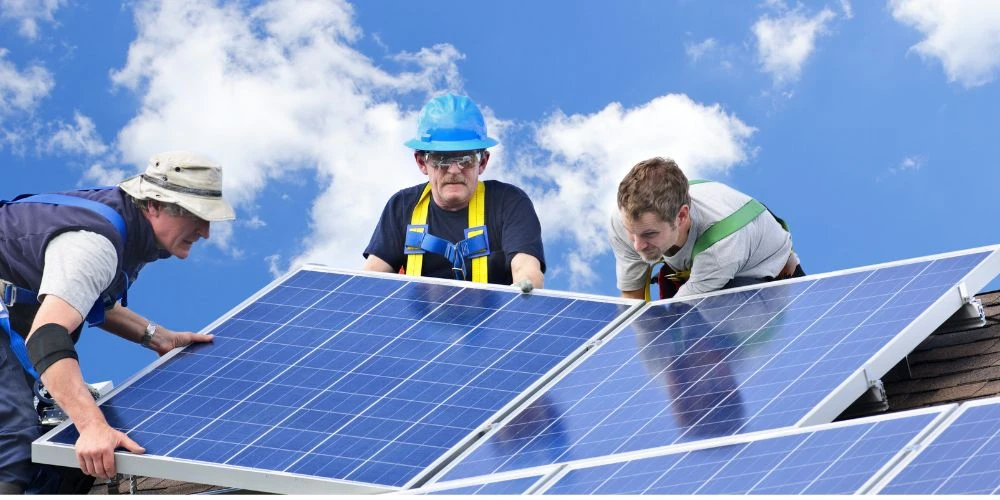
This structure holds the solar panels in place. It is designed to position the panels at the optimal angle to capture maximum sunlight.
4. Battery Storage (Optional)
Some systems include batteries to store excess electricity generated during the day. This stored energy can be used at night or during power outages.
5. Electrical Panel and Meter
The electrical panel distributes electricity throughout the property, while the meter tracks energy usage and production.
How Sunlight Becomes Electricity
The journey from sunlight to electricity involves several steps:
Step 1: Absorption of Sunlight
Solar panels capture sunlight through photovoltaic cells. These cells are designed to absorb photons (light particles).
Step 2: Generation of Electric Current
When photons strike the solar cells, they knock electrons loose from atoms. This movement of electrons creates a flow of electricity.
Step 3: Conversion of Electricity
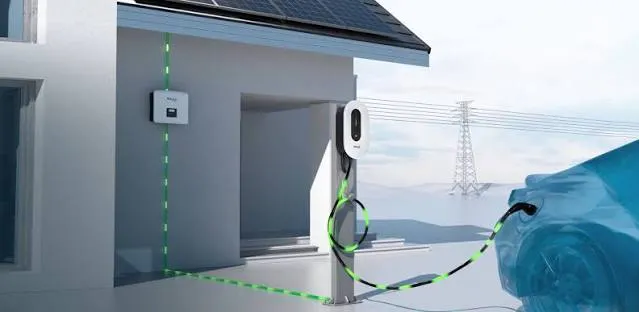
The generated DC electricity is sent to the inverter, where it is converted into AC electricity suitable for use.
Step 4: Distribution and Usage
The converted electricity flows through the electrical panel to power appliances, lighting, and other devices.
Step 5: Storage or Export
Any excess electricity can either be stored in batteries or sent back to the grid, depending on the system setup.
Types of Solar Systems
Solar systems can be categorized into three main types:
1. Grid-Tied Systems
These are connected to the local electricity grid. They allow users to draw power when solar production is low and send excess energy back to the grid.
2. Off-Grid Systems
These operate independently of the grid. They rely entirely on solar panels and battery storage, making them suitable for remote areas.
3. Hybrid Systems
A combination of grid-tied and off-grid systems, hybrid setups use both grid connection and battery storage for greater flexibility.
Each type has its own advantages and is chosen based on energy needs, location, and budget.
Factors Affecting Solar Efficiency
The efficiency of a solar system depends on several factors:
- Sunlight Availability: Areas with more sunlight produce more energy.
- Panel Orientation and Tilt: Proper positioning ensures maximum exposure to sunlight.
- Temperature: Extremely high temperatures can slightly reduce panel efficiency.
- Shading: Trees, buildings, or dust can block sunlight and reduce output.
- System Maintenance: Regular cleaning and inspections help maintain performance.
Environmental Impact
One of the biggest advantages of solar systems is their positive environmental impact. Unlike fossil fuels, solar energy does not produce harmful emissions during operation. It helps reduce carbon footprint and supports cleaner air and water.
Additionally, solar systems reduce dependence on non-renewable energy sources. Over time, widespread adoption of solar technology can contribute to a more sustainable and resilient energy future.
Cost and Long-Term Value
While the initial cost of installing a solar system can be significant, it is often viewed as a long-term investment. Over time, users can save on electricity bills and benefit from reduced energy costs.
Maintenance requirements are generally low, and most solar panels have a lifespan of 20–25 years or more. Technological advancements continue to improve efficiency and reduce costs, making solar systems more accessible.
In regions where solar adoption is growing, such as areas associated with “Solar Systems in Brisbane,” there is increasing awareness about the long-term financial and environmental benefits. However, it is important to evaluate each system based on individual needs rather than general trends.
Common Misconceptions
There are several myths about solar systems that can lead to confusion:
- Solar panels don’t work on cloudy days: While output is reduced, panels still generate electricity.
- Solar systems require constant maintenance: In reality, they need minimal upkeep.
- They are too expensive: Costs have decreased significantly over the years.
- They only work in hot climates: Solar panels rely on sunlight, not heat.
Understanding these facts helps in making informed decisions.
Future of Solar Technology
The future of solar energy looks promising, with ongoing innovations aimed at improving efficiency and accessibility. Some emerging trends include:
- Advanced solar cells with higher efficiency
- Flexible and lightweight panels
- Improved battery storage solutions
- Integration with smart home systems
As research continues, solar systems are expected to become even more efficient and widely adopted.
In many discussions, including those around “Solar Systems Brisbane,” the focus is shifting toward smarter energy management and sustainable living. This reflects a global movement toward cleaner energy solutions.
Conclusion
Solar systems provide a practical way to convert sunlight into electricity, offering both environmental and economic benefits. By understanding how these systems work—from capturing sunlight to powering homes—individuals can better appreciate their value and potential.
As energy needs continue to grow, exploring renewable options like solar power becomes increasingly important. If you are considering ways to reduce your reliance on traditional energy sources, learning more about solar systems and how they fit into your lifestyle is a good place to start.





















Sign in to leave a comment.