

As energy costs continue to rise and environmental concerns grow, many households are exploring solar energy as a practical and sustainable solution. Among the most popular options is the 5kW solar system, a setup that strikes a balance between affordability and efficiency. But what does a 5kW system actually mean, and how effectively can it power an average home?
This article breaks down how a 5kW solar system works, how much electricity it can generate, and whether it is enough to meet everyday household needs.
Understanding a 5kW Solar System
A 5kW solar system refers to the total capacity of the solar panels installed on a property. “kW” stands for kilowatts, which is a unit of power. In simple terms, a 5kW system can produce up to 5 kilowatts of electricity at peak performance under ideal sunlight conditions.
Typically, such a system includes:
- Around 12 to 20 solar panels (depending on panel efficiency)
- An inverter to convert solar energy into usable electricity
- Mounting structures and wiring
The system generates electricity during daylight hours, which can be used immediately in the home or exported back to the grid, depending on the setup.
How Much Energy Does a 5kW System Produce?
The actual energy output of a solar system depends on several factors, including:
- Geographic location
- Sunlight hours
- Panel orientation and tilt
- Weather conditions
On average, a 5kW system can generate between 18 to 22 kWh (kilowatt-hours) of electricity per day. Over a month, that’s roughly 540 to 660 kWh.
To put this into perspective, many average households consume around 15 to 25 kWh per day. This means a 5kW system can cover a significant portion, if not all, of a household’s electricity needs under favorable conditions.
Daily Household Energy Consumption
Understanding how energy is used in a home helps clarify whether a 5kW system is sufficient. Common appliances and their approximate daily usage include:
- Refrigerator: 1–2 kWh
- Air conditioner: 3–5 kWh
- Washing machine: 1–2 kWh per cycle
- Television and electronics: 1–3 kWh
- Lighting: 1–2 kWh
- Water heater: 3–5 kWh
When combined, these can easily add up to 15–20 kWh per day, aligning closely with the output of a 5kW system.
However, usage patterns matter. Homes that use most of their electricity during the day benefit more directly from solar generation, while those with higher nighttime usage may rely more on grid electricity unless they have battery storage.
How Solar Energy Powers Your Home
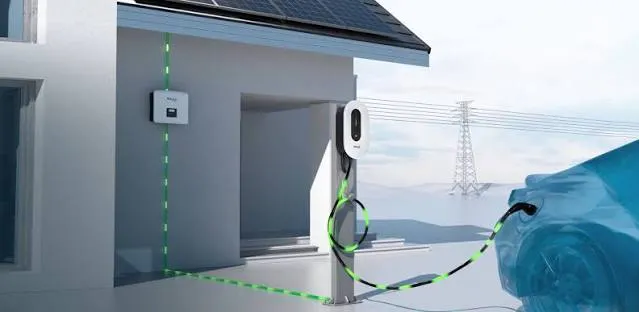
A solar system doesn’t just generate electricity—it integrates with your home’s power system in a seamless way.
1. Energy Generation
Solar panels capture sunlight and convert it into direct current (DC) electricity.
2. Conversion
The inverter converts DC electricity into alternating current (AC), which is used by household appliances.
3. Power Distribution
Electricity flows into your home’s electrical system, powering appliances in real time.
4. Excess Energy
If the system produces more electricity than needed, the excess can be sent back to the grid or stored in a battery if available.
Day vs Night Usage
One important aspect of solar energy is timing.
- Daytime: Solar panels actively generate electricity, often covering most household needs.
- Nighttime: Without sunlight, the home relies on grid electricity or stored energy (if batteries are installed).
This is why energy habits play a crucial role. Running appliances like washing machines or dishwashers during the day can maximize the benefits of solar power.
Seasonal Variations
Solar output changes throughout the year due to variations in sunlight.
- Summer: Longer days and stronger sunlight increase energy production.
- Winter: Shorter days and cloudy weather can reduce output.
Despite these variations, a well-installed 5kW system generally provides consistent yearly performance, balancing higher summer output with lower winter generation.
Is a 5kW System Enough for an Average Household?
For many households, the answer is yes—with some considerations.
Suitable for:
- Small to medium-sized families (2–5 people)
- Homes with moderate electricity usage
- Households willing to adjust usage patterns
May not be enough for:
- Large families with high energy demand
- Homes with multiple air conditioners running continuously
- Properties with electric heating or heavy machinery
In such cases, either a larger system or energy-saving strategies may be needed.
Cost Savings Potential
One of the biggest reasons people consider solar energy is the potential to reduce electricity bills.
By generating your own electricity:
- You rely less on grid power
- You may receive credits for excess energy exported
- Long-term energy costs become more predictable
Although initial installation costs exist, many households recover their investment over time through reduced bills.
Environmental Impact
A 5kW solar system significantly reduces a household’s carbon footprint.
By using renewable energy:
- Dependence on fossil fuels decreases
- Greenhouse gas emissions are lowered
- Contribution to a cleaner environment increases
Over its lifetime, a system can offset several tons of carbon emissions, making it a meaningful step toward sustainability.
Maintenance and Lifespan
Solar systems are known for their durability and low maintenance requirements.
- Panels: Typically last 20–25 years
- Inverter: May need replacement after 10–15 years
- Maintenance: Occasional cleaning and periodic inspections
With proper care, a 5kW system can provide reliable performance for decades.
Factors That Influence Performance
Not all systems perform equally. Key factors include:
1. Roof Orientation and Angle
Panels facing north (in the southern hemisphere) or south (in the northern hemisphere) with optimal tilt capture more sunlight.
2. Shading
Trees, buildings, or debris can reduce efficiency.
3. Panel Quality
Higher-quality panels often produce more energy over time.
4. Installation Quality
Professional installation ensures optimal performance and safety.
Battery Storage: Is It Necessary?
While not essential, battery storage can enhance the effectiveness of a solar system.
Benefits:
- Stores excess energy for nighttime use
- Reduces dependence on the grid
- Provides backup during power outages
Limitations:
- Higher upfront cost
- Additional maintenance considerations
For many households, starting without a battery and adding one later is a practical approach.
Real-World Example
Consider a household that uses 18 kWh of electricity daily.
- A 5kW system produces around 20 kWh/day
- During daylight hours, most energy needs are met directly
- Excess energy is exported or stored
- At night, the household uses grid electricity or stored power
In this scenario, the system effectively covers the majority of the home’s energy needs, leading to noticeable savings and reduced environmental impact.
Common Misconceptions
“Solar Works Only in Sunny Conditions”
Even on cloudy days, solar panels generate electricity—just at a reduced rate.
“It Completely Eliminates Electricity Bills”
While it can significantly reduce costs, some grid reliance may still remain, especially at night.
“Maintenance Is Complicated”
In reality, solar systems require minimal upkeep compared to other home technologies.
Practical Tips for Maximizing Efficiency
- Use high-energy appliances during daylight hours
- Keep panels clean and free of debris
- Monitor system performance regularly
- Consider energy-efficient appliances
- Upgrade insulation to reduce energy demand
These small adjustments can significantly improve the effectiveness of your system.
Why Many Households Choose This Size
The popularity of systems like the 5kW setup comes from their balance.
They are:
- Large enough to cover most energy needs
- Small enough to remain cost-effective
- Flexible for different household types
For example, a 5kw Solar System Brisbane setup is often considered ideal for suburban homes with average consumption patterns, offering a practical entry point into solar energy without oversizing the system.
Long-Term Value
Beyond immediate savings, solar systems add long-term value.
- Increased property appeal
- Protection against rising energy prices
- Reduced environmental impact
- Greater energy independence
Another reason a 5kw Solar System Brisbane configuration is widely discussed is its ability to deliver consistent performance over time without requiring significant upgrades.
Conclusion
A 5kW solar system is a practical and efficient solution for powering an average household. It generates enough electricity to meet daily needs for many homes, reduces reliance on traditional energy sources, and supports a more sustainable lifestyle.
However, its effectiveness depends on factors like energy usage habits, location, and system quality. By understanding how it works and making small adjustments in daily routines, households can maximize the benefits of solar energy.
Conclution
If you’re considering ways to reduce your energy costs and environmental impact, take time to evaluate your household’s electricity usage and explore whether a solar system aligns with your needs. Even small steps toward understanding your energy habits can lead to smarter, more sustainable decisions over time.



























Sign in to leave a comment.