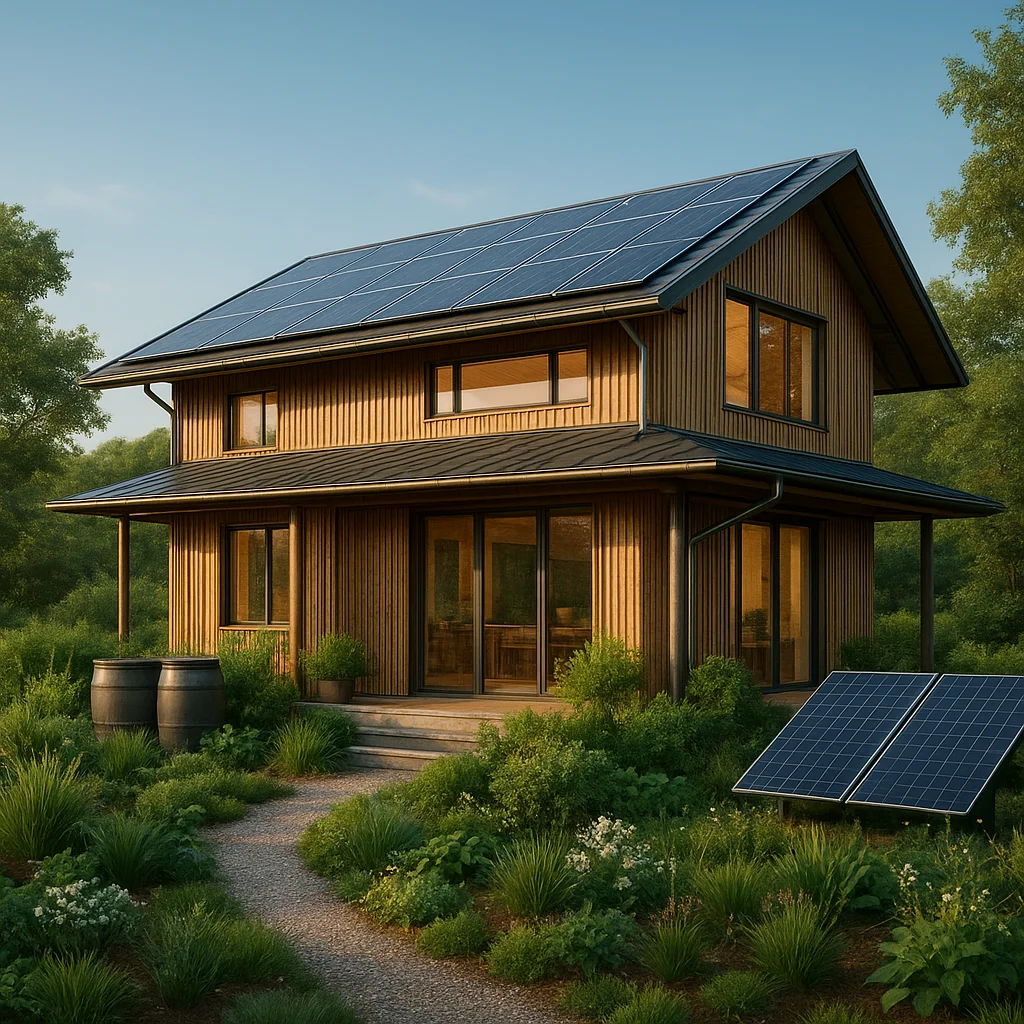

Rooted in Nature: A Scandinavian Perspective on Green Building
Imagine stepping into a home where the walls breathe, the floors whisper tales of ancient forests, and every beam carries a promise of sustainability. This vision, once relegated to idealistic dreams, is rapidly manifesting across the globe, especially in the Nordic countries where respect for nature is ingrained in culture. The surge of interest in green building materials and eco-friendly homes is not merely a trend but a necessary evolution. As Greta Thunberg poignantly reminds us, "Our house is on fire," and it is time for the building industry to respond with innovation and responsibility.
Green building materials are the backbone of this transformation, offering alternatives that reduce environmental footprints without compromising aesthetics or durability. From reclaimed timber to innovative bio-based composites, these materials invite us to reimagine what it means to build and live sustainably. The Scandinavian design ethos — epitomized by simplicity, natural light, and functional beauty — naturally aligns with green construction, creating spaces that are as lagom as they are eco-conscious.
Across the globe, the green building materials market is expanding swiftly, driven by increased environmental awareness, stricter regulations, and technological advances. According to MarkNtel Advisors, the market is projected to reach USD 563.5 billion by 2032, reflecting a seismic shift in construction practices. This surge is not just a number; it represents a global commitment to redefining how we inhabit our planet.
"Sustainability in building materials is no longer optional but fundamental to the future of architecture and urban living." – Industry expert, Green Building Council
From Timber to Tech: The Evolution of Sustainable Building Materials
The journey towards eco-friendly homes is deeply intertwined with the evolution of materials used in construction. Historically, traditional materials like wood and stone were local and renewable by nature, but the industrial revolution introduced concrete, steel, and plastics, which often come at high environmental cost. The challenge has been to reconcile modern demands for strength, durability, and affordability with sustainability.
Today, innovation has opened new frontiers. Engineered wood products such as cross-laminated timber (CLT) are revolutionizing construction by enabling taller, more resilient wooden structures that store carbon rather than emit it. This has significance beyond aesthetics; it transforms buildings into carbon sinks, a critical factor in climate mitigation strategies.
Biodegradable insulation materials made from hemp, sheep’s wool, and cellulose are replacing synthetic foams, reducing harmful off-gassing and improving indoor air quality. Moreover, recycled steel and concrete blends, incorporating industrial byproducts like fly ash, reduce extraction of virgin materials and lower embodied carbon.
Notably, innovations in bio-based composites and mycelium-based bricks are pushing the envelope further. Mycelium, the root structure of fungi, can be grown into bricks that are fire-resistant, lightweight, and fully compostable, offering a glimpse of a future where construction is circular and regenerative.
- Cross-laminated timber (CLT) enables strong, carbon-storing wooden structures.
- Bio-based insulation materials improve energy efficiency and indoor air quality.
- Recycled steel and concrete reduce embodied carbon footprints.
- Mycelium bricks offer biodegradable, fire-resistant building blocks.
2026 Innovations: The Cutting Edge of Green Homes
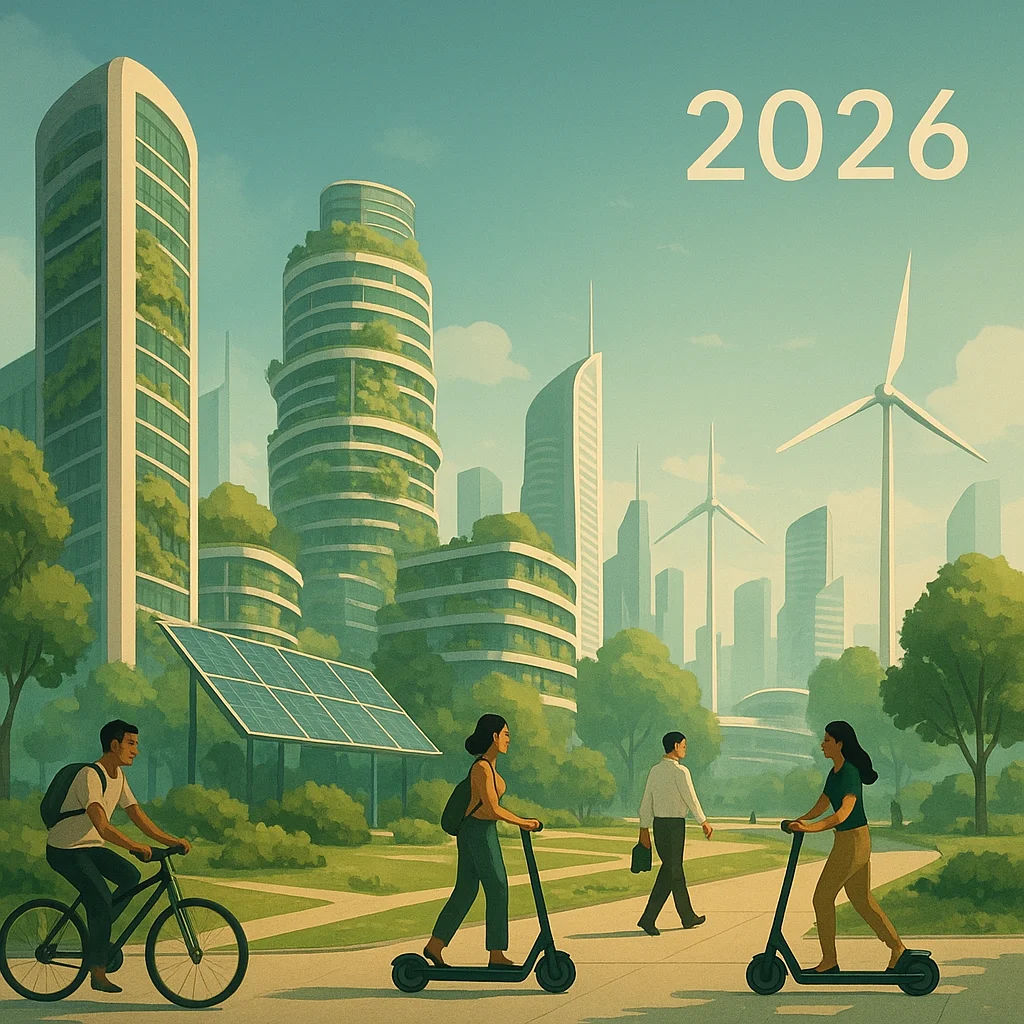
The year 2026 marks a significant milestone in the integration of green building materials with smart home technologies. From eco-friendly wooden blocks to advanced energy-saving systems, the construction sector is innovating at a pace that aligns with urgent climate goals.
A notable example is the rise of modular eco-friendly homes constructed from sustainably harvested wooden building blocks. As reported by Deutsche Welle in their feature "Eco-friendly homes from wooden building blocks", these structures are prefabricated, reducing waste and onsite construction time. Their design flexibility and thermal performance make them ideal for both urban and rural settings, demonstrating scalability in green construction.
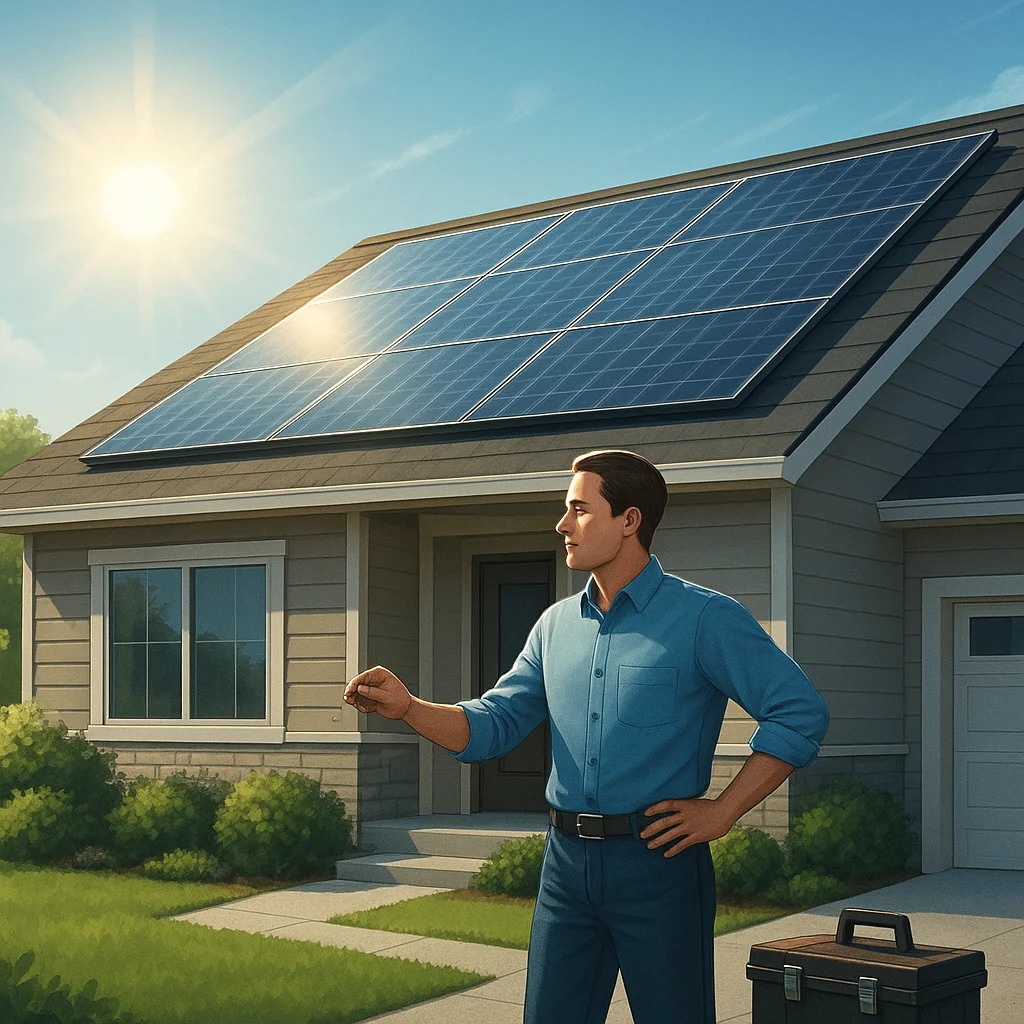
Simultaneously, the industry is witnessing the integration of smart materials that adapt to environmental conditions. Phase-change materials (PCMs) embedded in walls and ceilings regulate indoor temperatures by absorbing and releasing heat, reducing reliance on mechanical heating and cooling. Solar-active facades and windows are becoming more common, turning buildings into small power plants.
The convergence of these materials with digital monitoring systems allows homeowners to optimize energy consumption, water usage, and indoor air quality in real time. This synergy not only promotes environmental stewardship but enhances occupant well-being, a core principle of Scandinavian design and sustainable living.
- Modular wooden block homes reduce construction waste and carbon emissions.
- Phase-change materials balance indoor temperature naturally.
- Solar-active building components generate renewable energy onsite.
- Smart monitoring systems enable real-time resource optimization.
Global Perspectives: The Expanding Demand for Eco-Friendly Homes
While Scandinavia continues to lead by example, the appetite for eco-friendly homes is burgeoning worldwide. India, for instance, is experiencing a notable surge in sustainable luxury housing. According to reports by Asian News International, affluent buyers are driving demand for residences that combine opulence with sustainability, incorporating green building materials and technologies that lower environmental impact.
This trend reflects a broader pattern across emerging markets, where urbanization pressures necessitate sustainable solutions. Green building certifications and incentives are gaining traction, encouraging developers to adopt renewable materials and energy-efficient designs. The result is a new benchmark for luxury that harmonizes with nature rather than exploits it.
In Europe and North America, policy frameworks and consumer awareness continue to propel adoption. The European Green Deal, for instance, mandates carbon neutrality in the building sector by 2050, accelerating innovation and investment. In this context, green building materials are not just a choice but a regulatory imperative.
"The demand for sustainable homes is reshaping real estate markets globally, as buyers prioritize health, environment, and long-term value." – Market analyst, Sustainable Property Watch
The global momentum is echoed in the research and development pipelines of construction companies and material scientists who are increasingly collaborating to deliver scalable, affordable, and attractive green homes. This cross-pollination of ideas and expertise paves the way for a future where eco-friendly living is accessible to all.
Case Studies: Real-World Applications of Green Building Materials
Concrete examples illuminate the possibilities inherent in green building materials. In Stockholm, the Hammarby Sjöstad district stands as a testament to sustainable urban planning, integrating energy-efficient housing with renewable energy and waste recycling. Many buildings here utilize CLT and bio-based insulation, resulting in reduced carbon footprints and enhanced resident comfort.
Another inspiring initiative is the Wooden Skyscraper project in Vienna, Austria, where the 24-story high-rise uses advanced timber engineering to achieve both structural integrity and environmental benefits. This project exemplifies how green materials can meet the demands of modern urban density without sacrificing sustainability.
In the United States, the Bullitt Center in Seattle is often described as the greenest commercial building worldwide. Its use of locally sourced wood, non-toxic materials, and solar energy systems showcases a holistic approach to eco-friendly building design.
- Hammarby Sjöstad, Sweden: CLT and bio-insulation reduce urban carbon footprint.
- Wooden Skyscraper, Austria: High-rise timber construction for sustainable density.
- Bullitt Center, USA: Locally sourced materials and net-zero energy use.
These case studies demonstrate the diverse applications and benefits of green building materials across climates and building types, reinforcing the global applicability of sustainable construction principles.
Looking Ahead: The Future of Eco-Friendly Homes
As we peer into the horizon, the trajectory of green building materials and eco-friendly homes is unmistakably upward. Emerging technologies such as carbon-negative concrete, self-healing materials, and biomimetic designs promise to redefine what is possible. Circular economy principles will further guide material lifecycle management, ensuring that buildings contribute positively to their ecosystems.
Homeowners and developers alike are becoming more informed and invested in sustainability, recognizing that the true value of a home lies in its harmony with the environment. This shift is complemented by evolving policies, financial incentives, and international commitments that make green building the norm rather than the exception.
To navigate this evolving landscape, stakeholders must embrace collaboration, transparency, and innovation. Educating consumers about the benefits and trade-offs of various materials is critical, as is fostering local supply chains to reduce transportation emissions.
"Building green is not just about materials; it's about building a legacy that respects our planet and future generations." – Architect specializing in sustainable design
In conclusion, the journey inside green building materials and eco-friendly homes is one of hope, ingenuity, and reconnection with nature. As the world moves towards more sustainable living, these homes embody the lagom spirit—balanced, thoughtful, and deeply rooted in respect for our shared environment.
For readers eager to explore the latest innovations and the intersection of green building with lifestyle, see our detailed reports on Green Building Materials and Eco-Friendly Homes: Innovations in 2026 and the 2026 Update: Innovations in Green Building Materials and Eco-Friendly Homes.




























Sign in to leave a comment.