

Charging into the Future: A Scandinavian Snapshot
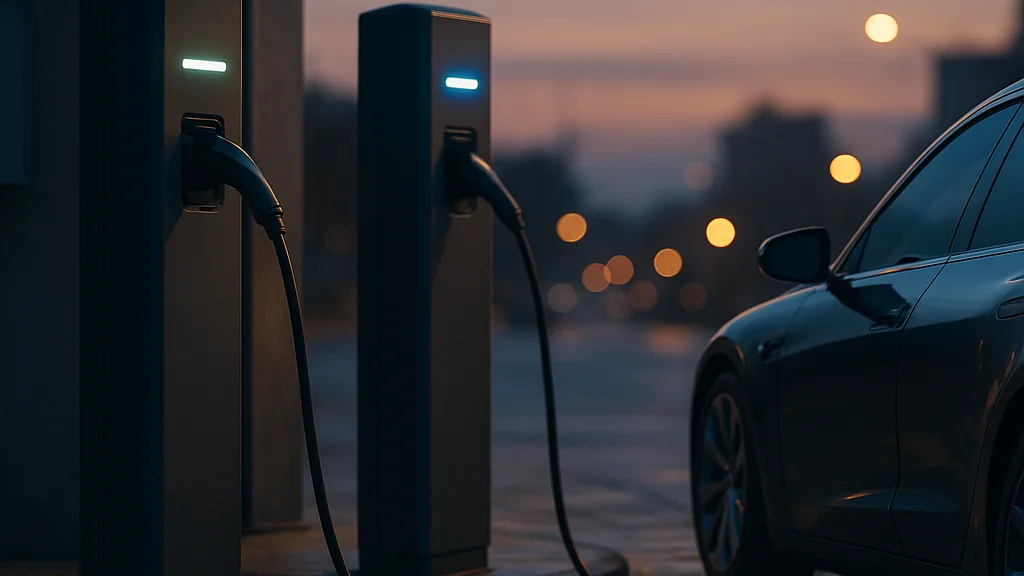
On a brisk spring morning in Stockholm, the hum of electric vehicles (EVs) weaving through cobblestone streets contrasts with the quiet efficiency of the city's charging stations. This scene, once a rarity, is now emblematic of a broader transformation sweeping across Europe and beyond. The growth of electric vehicle charging infrastructure is not merely a technical upgrade; it is a fundamental shift underpinning sustainable mobility and urban life. As EV adoption accelerates, the infrastructure that supports this green revolution must evolve with equal vigor.
In Sweden, the government’s ambitious goals to phase out fossil-fueled vehicles by 2030 have catalyzed rapid expansion in public and private charging points. These stations are no longer just conveniences but vital arteries of a new energy ecosystem. The Scandinavian approach, characterized by lagom — balance and moderation — in design and function, offers valuable lessons in creating scalable, user-friendly, and sustainable charging networks.
“The transition to electric mobility hinges on accessible, reliable, and smart charging infrastructure that empowers users rather than complicates their daily lives,” remarks Greta Thunberg, highlighting the social dimension of technological progress.
This article navigates the expanding landscape of EV charging infrastructure, analyzing its background, current breakthroughs in 2026, and future trajectories. Drawing on global data, recent innovations, and real-world cases, we explore how this infrastructure underpins the green tech revolution and shapes sustainable living worldwide.
Tracing the Roots: How EV Charging Infrastructure Took Shape
The journey of electric vehicle charging infrastructure has been intertwined with the evolution of EV technology itself. Early electric cars in the late 19th and early 20th centuries faced limited infrastructure, which, coupled with the rise of internal combustion engines and gasoline availability, led to their decline.
Fast forward to the early 2000s, concerns over climate change and advancements in battery technology reignited interest in EVs. However, the lack of widespread charging stations remained a core obstacle. Initial infrastructure efforts were fragmented, often limited to urban centers or private installations. Governments and private stakeholders gradually recognized that infrastructure development was not just supportive but critical to EV adoption.
Significant milestones marked this growth. The introduction of standardized charging connectors such as CCS (Combined Charging System) and CHAdeMO enabled interoperability across brands. Early adopters like Norway demonstrated how policy incentives, combined with robust infrastructure, could rapidly shift consumer behavior. By 2020, a network of fast chargers emerged in key markets, though coverage disparities persisted between urban and rural areas.
Investment flows into EV infrastructure surged, especially in Europe, China, and North America. Public-private partnerships began to flourish, focusing on expanding charging availability, enhancing grid integration, and developing smart charging technologies. These systemic improvements laid the groundwork for the more interconnected and user-centric networks we see today.
Data-Driven Insights: Current Scale and Growth Dynamics
As of early 2026, the global electric vehicle charging infrastructure market reflects a dynamic and rapidly expanding ecosystem. According to the Yahoo Finance report, the market is projected to surpass $70 billion by 2030, driven by technological innovation and policy support.
Key statistics provide a snapshot of the current landscape:
- Global charging points: Over 2.5 million public chargers worldwide, with China accounting for roughly 40%, Europe 35%, and North America 20%, signaling a more balanced distribution than in previous years.
- Fast chargers proliferation: Fast charging stations (DC fast chargers) now represent about 30% of total public chargers, a significant increase from just 10% in 2020, enabling quicker turnaround times for users.
- Private vs. public: Approximately 60% of charging occurs at private or workplace chargers, underscoring the importance of residential and commercial installations alongside public infrastructure.
Comparative analyses reveal regional nuances. Europe’s aggressive regulatory framework and consumer incentives have made it a leader in charger density per capita. Meanwhile, the United States focuses on corridor expansion to support long-distance travel, with initiatives like the National Electric Vehicle Infrastructure (NEVI) program allocating billions to build fast chargers along highways.
Companies like Blink Charging and ABB are spearheading technological advancements and deployment. For instance, Blink Charging's Q1 2026 report highlights their expansion of ultra-fast chargers in metropolitan hubs, addressing urban dwellers’ charging needs more effectively (Markets Insider).
"Infrastructure growth is not just about quantity, but the quality and intelligence of charging systems," notes an industry analyst, emphasizing the transition towards integrated, smart networks.
2026 Developments: Innovation and Infrastructure in Motion
The year 2026 marks a pivotal era for EV charging infrastructure, characterized by technological leaps and strategic deployments. Across the globe, governments and private enterprises are embracing new models to optimize usage and expand reach.
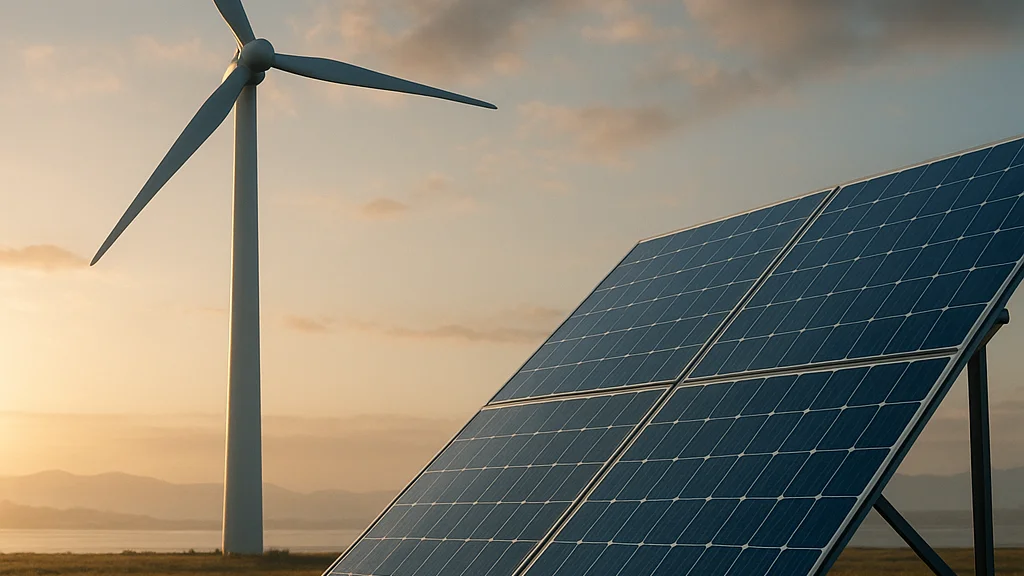
One notable advancement is the integration of renewable energy sources with charging stations. Solar-powered fast chargers, grid-level battery storage, and vehicle-to-grid (V2G) systems are gaining traction. These innovations reduce strain on power grids and enhance sustainability, aligning with the principles of circular energy flows observed in Scandinavian design.
Case in point: Kapalua Airport in Hawaii recently dedicated new fast chargers powered partly by solar energy, accommodating both local residents and tourists in a region where sustainable tourism is crucial (Maui Now).
Urban centers are experimenting with dynamic pricing and reservation systems to tackle peak demand. Singapore’s government representative Sun Xueling recently emphasized efficient utilization of existing infrastructure to maximize benefits without overbuilding (CNA).
Meanwhile, software platforms are evolving to provide seamless user experiences, integrating payment, navigation, and energy management. The rise of interoperable mobile apps helps drivers locate chargers, schedule sessions, and monitor charging status in real time, reducing anxiety and improving convenience.
These developments are complemented by policy frameworks that encourage multi-stakeholder collaboration. Incentives for private landlords, commercial property owners, and municipalities have accelerated the installation of chargers in homes, workplaces, and public spaces. Notably, Delhi has recorded unprecedented growth in EV charging infrastructure, with over 5,000 new public chargers added in the last year alone (MSN).
Voices from the Field: Industry and Expert Perspectives
Experts across the sustainable living and green tech sectors agree that infrastructure growth is central to electrifying transportation sustainably. Henrik Andersen, CEO of a leading charging network, remarks, “We are witnessing a convergence of technology, policy, and consumer behavior that is finally removing the bottlenecks to EV adoption.”
Industry leaders stress the importance of harmonizing standards globally to foster interoperability and reduce consumer friction. The European Union’s mandate on uniform charging protocols is a model referenced widely, ensuring that an EV owner can use chargers from different operators without hassle.
From a sustainability standpoint, the consensus is that charging infrastructure must be embedded within a renewable energy framework. Otherwise, the environmental benefits of EVs risk being undermined by fossil-fuel-dependent electricity generation.
For consumers, the focus remains on reliability, accessibility, and cost. As one urban planner notes, “The best infrastructure is invisible — it blends so naturally into daily life that drivers barely notice it, yet it always meets their needs.” This ethos mirrors the Scandinavian design principle of lagom, emphasizing just the right amount of infrastructure in the right places.
“Charging infrastructure is the backbone of a clean mobility future — it must be robust, equitable, and sustainable,” says a leading sustainability advocate.
These insights align with the thorough guidance found in WriteUpCafe’s guide on EV charging point installation, which highlights best practices for residential and commercial setups to optimize usage and environmental impact.
Looking Ahead: Future Trends and Strategic Takeaways
As EV markets mature, the evolution of charging infrastructure will be shaped by emerging technologies and shifting mobility patterns. Key trends to watch include:
- Ultra-fast and wireless charging: Innovations reducing charging times to minutes, and inductive charging pads embedded in roads and parking spaces, promise to revolutionize convenience.
- Energy integration: Expanding vehicle-to-grid capabilities and storage solutions will help stabilize grids and facilitate renewable energy adoption.
- Data-driven planning: AI and big data will optimize charger placement and maintenance, enhancing efficiency and accessibility.
- Policy evolution: Governments will increasingly mandate charger availability in building codes and public projects, ensuring infrastructure keeps pace with EV growth.
- Equity focus: Expanding infrastructure to underserved and rural communities to ensure inclusive access to clean mobility.
Strategically, stakeholders must adopt a holistic view that considers user experience, environmental impact, and economic viability. The balance of these elements will determine success in building resilient, scalable charging networks.
In closing, the electric vehicle charging infrastructure is more than a technical necessity; it is a symbol of a sustainable future unfolding. As this infrastructure expands, it carries the promise of cleaner air, quieter cities, and a harmonious relationship between technology and nature — a truly lagom future.
For readers eager to deepen their understanding, the comprehensive Electric Vehicle Charging Infrastructure Growth in 2026 article offers detailed trends and insights to complement this analysis.


































Sign in to leave a comment.