
Charging Ahead: The Quiet Revolution of EV Infrastructure Expansion
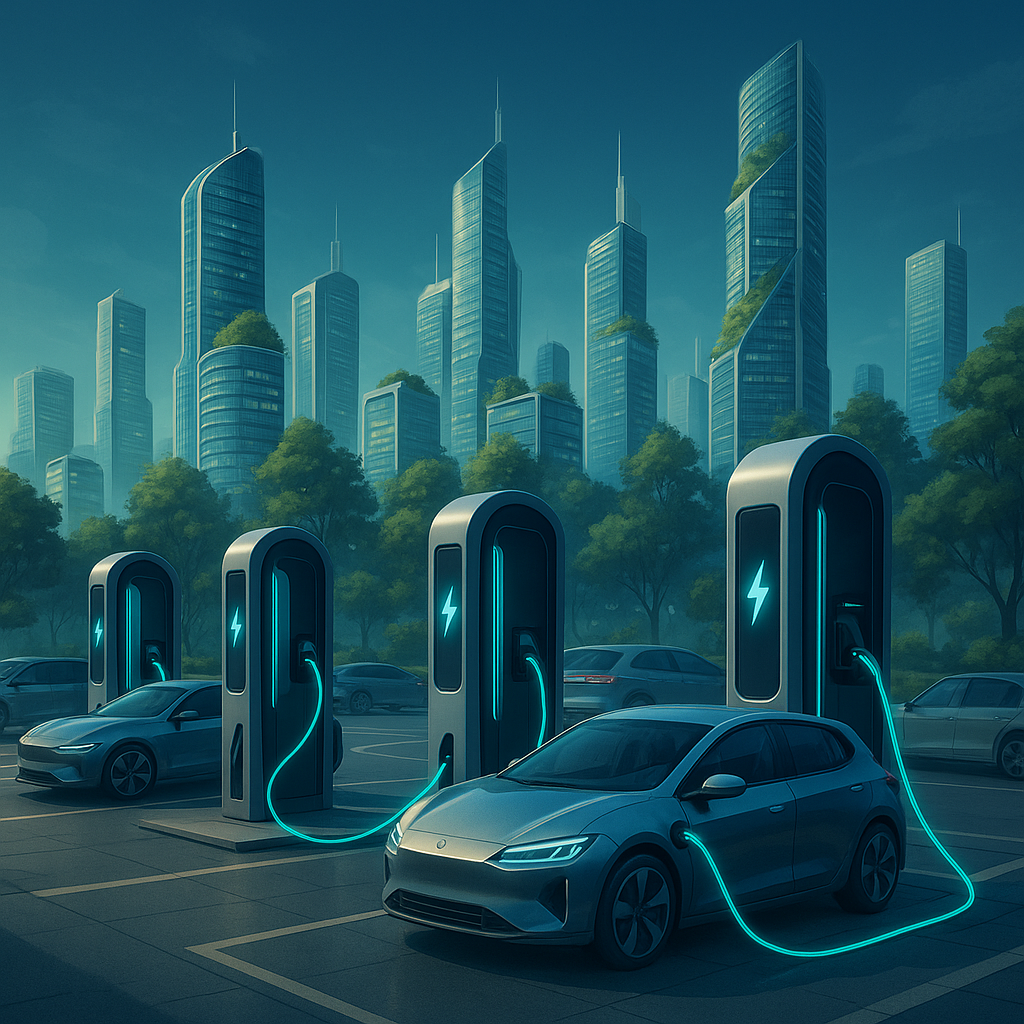
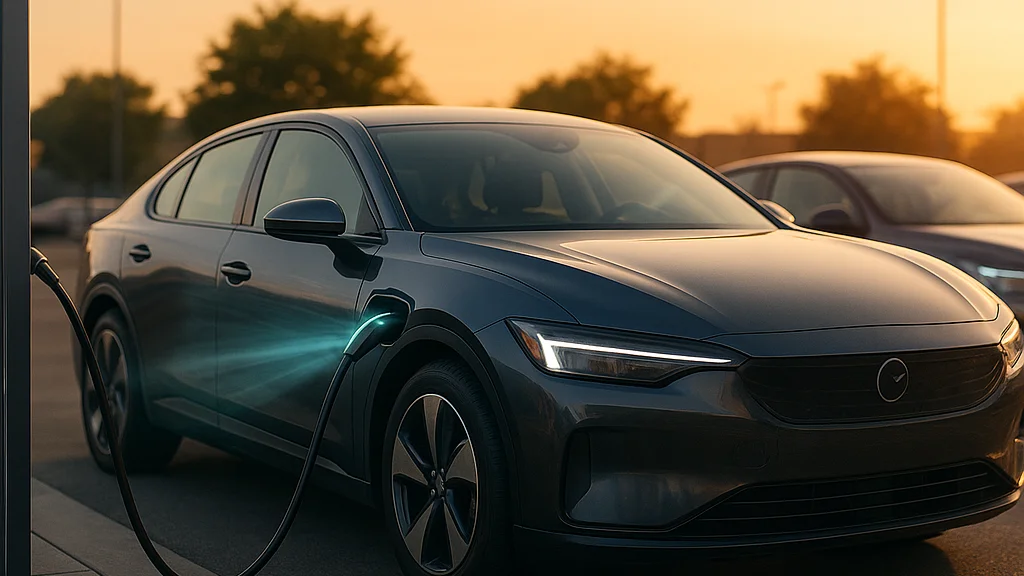
On a brisk spring morning in Stockholm, one might pass by a cluster of sleek electric vehicles silently drawing power from a newly installed ultra-fast charging station perched beside a local park. This scene, once rare and limited to select urban pockets, has become a common sight in 2026, reflecting a profound transformation in how societies power their mobility. The global growth of electric vehicle (EV) charging infrastructure has accelerated dramatically, underpinning the wider transition to sustainable transportation and serving as a keystone in the green tech ecosystem.
According to a comprehensive 2025 industry report published by Yahoo Finance, the EV charging infrastructure market is projected to reach a valuation north of $70 billion by the end of 2026, driven by rapid urbanisation, government policy incentives, and technological advancements. This growth is not merely about adding more charging points but about deploying smarter, faster, and more accessible networks that align with evolving consumer demands and environmental imperatives.
“The expansion of EV charging infrastructure is the backbone of sustainable transport, enabling the shift from fossil fuels to clean energy,” an industry analyst commented in the latest market review by Yahoo Finance.
As the Scandinavian landscape, with its ethos of 'lagom'—meaning just the right amount—guides sustainable living, the development of EV infrastructure strikes a balance between technological innovation and environmental stewardship. This article explores the trajectory of EV charging infrastructure growth in 2026, unpacking its background, current dynamics, expert perspectives, and the future outlook.
From Niche to Norm: Historical Context of EV Charging Infrastructure
The story of electric vehicles and their charging infrastructure is one of gradual emergence from obscurity to mainstream adoption. Early 2010s saw EVs largely confined to enthusiasts and environmental pioneers, hampered by limited driving ranges and scarce charging options. Charging stations were often rudimentary, slow, and difficult to locate. Governments and private sectors initially responded with fragmented efforts, creating islands of infrastructure that lacked interoperability.
Sweden, known for its environmental policies and forward-looking urban planning, was among the first nations to adopt robust incentives for EV ownership, pairing these with investments in public charging networks. Yet, it wasn’t until the mid-2020s that a critical mass of EVs on roads globally necessitated a comprehensive expansion of charging infrastructure. The Paris Agreement commitments and regional policies like the EU Green Deal catalyzed this growth, compelling nations to integrate charging infrastructure into broader urban and transport planning.
Technological advances also played a pivotal role. The development of ultra-fast charging technologies, standardisation of connectors like CCS (Combined Charging System), and integration with renewable energy sources transformed charging stations from mere utility points to smart hubs of energy management. The rise of vehicle-to-grid (V2G) capabilities further showcased the evolving role of charging infrastructure as part of a distributed energy system.
In cities like Delhi, as noted by Devdiscourse, the EV charging infrastructure surge has been supported by government schemes and private investments, reflecting a global pattern where emerging economies are leapfrogging traditional automotive trajectories and embracing green mobility solutions. This shift highlights a worldwide commitment to electrification, transcending regional disparities.
Analyzing the Landscape: Data and Market Dynamics in 2026
The EV charging infrastructure market in 2026 is characterized by explosive growth, diversification, and increasing sophistication. According to the Yahoo Finance 2025 report, key players such as ABB, ChargePoint, Blink Charging, Eaton, and Tesla have expanded their footprints, collectively deploying hundreds of thousands of charging points worldwide.
Several metrics illustrate this rapid expansion:
- Global Charging Points Installed: Estimated to surpass 2.5 million public charging stations by mid-2026, up from under 1 million in 2020.
- Investment Levels: Annual investments in charging infrastructure have doubled since 2023, reaching an estimated $15 billion globally in 2025.
- Charging Speeds: The average charging power of fast chargers has increased from 50 kW to over 150 kW, with ultra-fast chargers exceeding 350 kW becoming more commonplace.
- Urban vs. Rural Deployment: While urban centers continue to lead, rural and suburban areas are witnessing targeted infrastructure rollouts to ensure equitable access.
- Renewable Integration: More than 60% of new charging installations are paired with renewable energy sources, particularly solar and wind.
Major cities have emerged as focal points for network expansion. Fleet News reported that cities such as Amsterdam, London, and Oslo top the charts for fastest EV charging network growth, driven by stringent emissions regulations and strong public-private partnerships. Such urban hubs are pioneering models of integrated transport electrification, combining municipal fleets, private vehicles, and shared mobility services.
“The pace of EV infrastructure deployment is now outstripping vehicle sales in many regions, indicating a proactive approach to anticipated demand,” noted a transport policy expert featured by Fleet News.
Meanwhile, challenges persist. Interoperability issues, inconsistent billing systems, and infrastructure maintenance costs remain hurdles. The industry is responding by embracing digital platforms that enhance user experience, with apps offering real-time station availability, dynamic pricing, and reservation systems becoming standard.
For those interested in deeper technical insights, WriteUpCafe’s guide on selecting EV charging equipment for fleets provides a detailed analysis of factors influencing infrastructure choices for commercial users.
2026 Developments: Innovations and Policy Shifts Fueling Growth
The year 2026 marks a watershed in EV charging infrastructure, shaped by a confluence of technological breakthroughs and regulatory momentum. Governments worldwide have intensified mandates for zero-emission vehicle adoption, compelling infrastructure deployment as a parallel priority.
Several noteworthy developments include:
- Ultra-fast and Wireless Charging: Deployment of 350 kW and above chargers has become widespread, reducing typical charging times to under 15 minutes for most EV models. Meanwhile, dynamic wireless charging lanes, piloted in parts of Sweden and South Korea, have begun commercial rollouts, allowing vehicles to charge while driving.
- Grid Smartness and V2G: Advanced grid integration technologies enable charging stations to act as energy storage units, feeding surplus power back to the grid during peak demand, enhancing stability and sustainability.
- Policy and Incentives: The European Union’s new directive mandates minimum charging density per urban population segment, while regions like New South Wales have launched programs to increase EV access in rural communities, as detailed by the NSW Government.
- Public-Private Collaborations: Cross-sector partnerships have accelerated infrastructure buildout, blending government funding with corporate innovation and community engagement.
In the UK, however, the industry faces structural challenges, with LBC highlighting that the EV charging sector's lack of formal recognition has complicated regulatory oversight and coordination, signaling an area ripe for reform.
The integration of charging infrastructure into the everyday urban fabric is evident through Scandinavian design principles, where minimalism meets function. Charging stations now often double as public art or community gathering points, reinforcing the connection between technology and place.
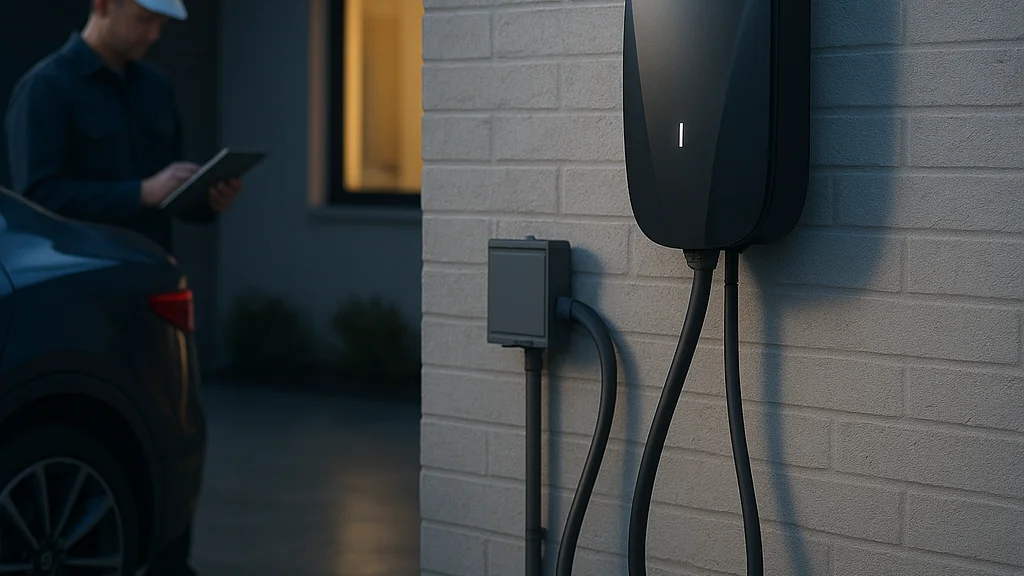
For homeowners and small businesses, the expansion of residential and workplace charging points is equally significant. The comprehensive WriteUpCafe resource on charging point installation in the UK offers practical insights into navigating this evolving terrain.
Voices from the Field: Expert Perspectives and Industry Impact
The surge in charging infrastructure has reverberated across multiple sectors, from automotive manufacturing to energy utilities and urban planning. Industry leaders emphasize that the infrastructure is not merely a support system but a strategic asset shaping the future of mobility.
Greta Thunberg recently remarked, “Electric mobility without accessible and green charging infrastructure is like a sailboat without wind—it holds promise but cannot move forward.”
Executives from major manufacturers such as Tesla and ABB underscore the need for seamless user experience and interoperability. Tesla’s proprietary Supercharger network, while extensive, faces pressure to open standards, fostering a more inclusive ecosystem. Meanwhile, ABB’s focus on scalable modular chargers addresses diverse market needs, from urban centers to highways.
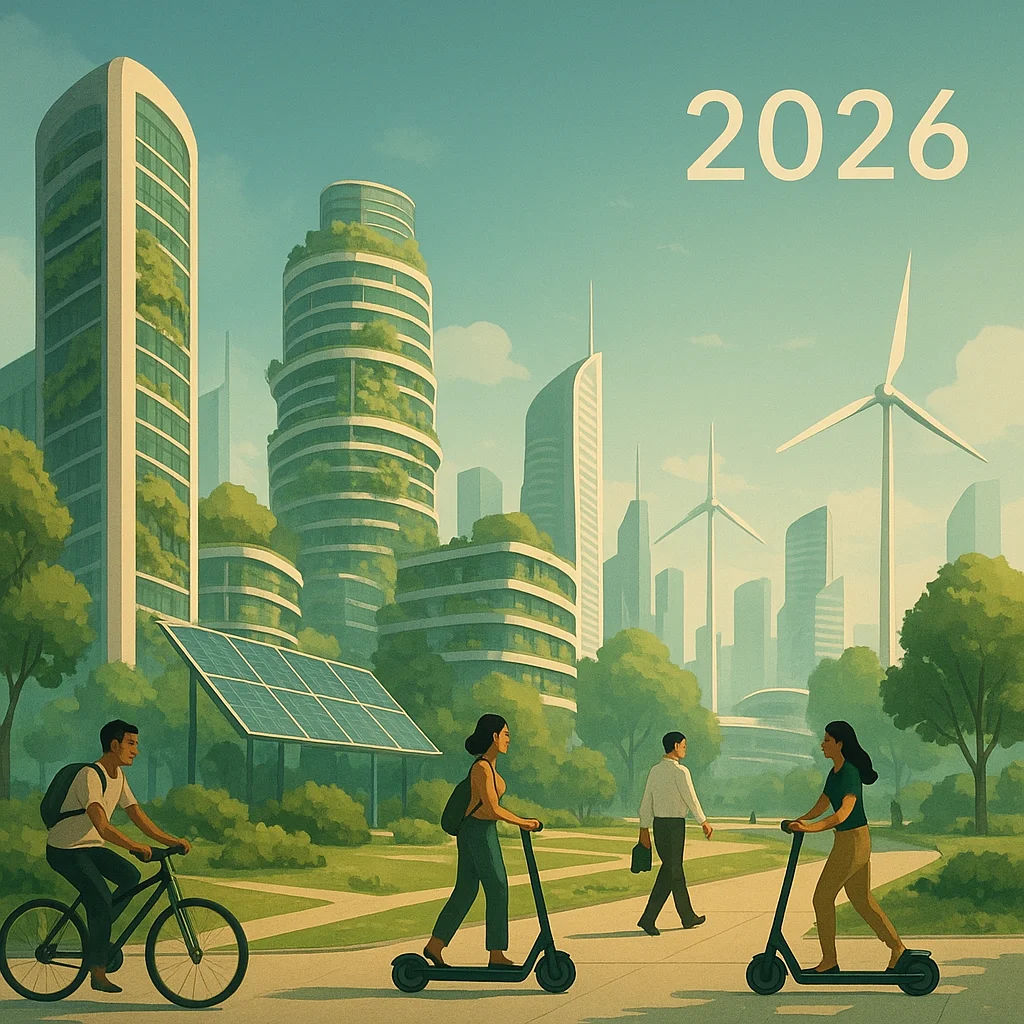
Urban planners highlight the intersection of EV infrastructure with broader sustainability goals. The integration of charging stations with bike lanes, public transit hubs, and green spaces creates multifaceted benefits, enhancing urban livability and reducing carbon footprints.
Energy providers see new business models emerging. As EV adoption grows, utilities are investing in smart grids, demand response, and energy storage solutions, positioning themselves as active players in the mobility-energy nexus rather than passive suppliers.
For fleets, the selection of charging equipment remains critical. The specialized WriteUpCafe article Selecting Electric Vehicle Charging Equipment for Fleets details how logistics companies and municipal services optimize infrastructure to balance costs, uptime, and energy efficiency.
Looking Forward: What to Watch in EV Charging Infrastructure
As we gaze toward the next decade, several trends and challenges will shape the trajectory of EV charging infrastructure. The interplay between technology, policy, and consumer behavior will determine the pace and inclusivity of this green transition.
- Expansion into Emerging Markets: While Europe, North America, and parts of Asia lead today, electrification in Africa, Southeast Asia, and Latin America is poised for rapid growth, demanding tailored infrastructure solutions.
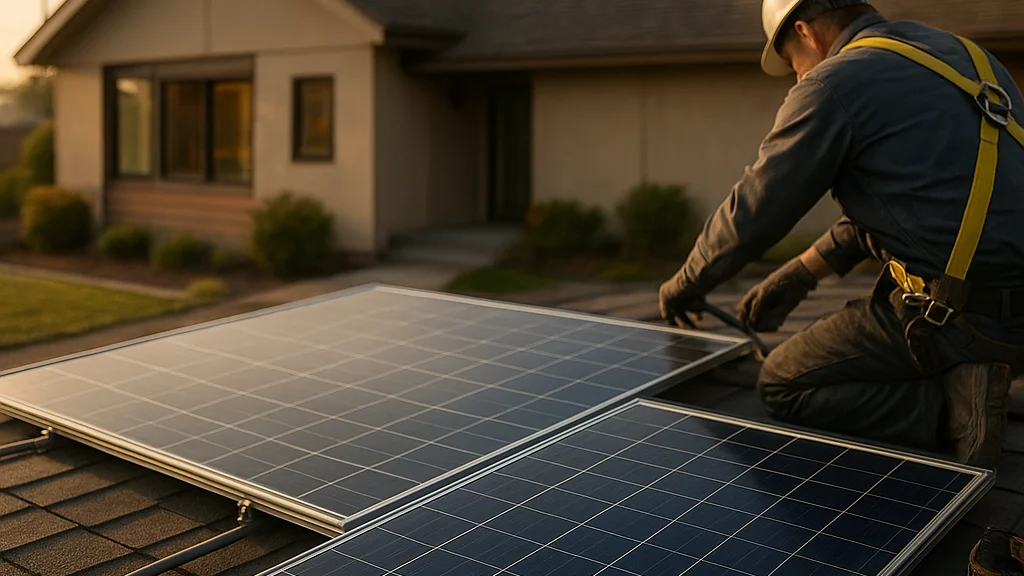
- Decentralized Energy Systems: Integration of home solar, battery storage, and V2G will empower consumers to become producers, reshaping the demand profile for public charging stations.
- Standardization and Regulation: Harmonizing technical standards and regulatory frameworks will be crucial to ensuring interoperability, affordability, and user trust.
- Environmental Impact of Infrastructure: Lifecycle assessments of charging stations, including material sourcing and end-of-life recycling, will gain prominence in sustainability discourse.
- Innovations in User Experience: Augmented reality, AI-driven predictive maintenance, and seamless payment systems will redefine how users interact with charging networks.
“The future of EV charging infrastructure is not just about quantity but quality — how the system integrates with society and the environment,” a leading green tech strategist observed recently.
Stakeholders must adopt a holistic approach that balances rapid deployment with thoughtful design, ensuring that infrastructure growth supports equitable access and aligns with the broader goals of sustainable living.
For those considering home charging solutions, the article Charging Your Electric Car at Home offers practical guidance to navigate this evolving landscape.
Case Studies: Real-World Examples Illuminating Success and Challenges
Examining concrete examples provides insights into how different regions tackle the complexities of EV infrastructure growth.
Stockholm, Sweden: Leveraging its strong sustainability ethos, Stockholm has implemented a city-wide network of ultra-fast chargers combined with public transport electrification. The city’s integrated mobility platform allows users to plan trips using EVs, bikes, and buses seamlessly, supported by real-time charging availability data.
Delhi, India: As explored by Devdiscourse, Delhi’s recent government initiatives have dramatically increased the number of public charging stations, targeting both private vehicles and the electrification of the city’s vast auto-rickshaw fleet. This leapfrog approach addresses pollution and energy access simultaneously.
New South Wales, Australia: The NSW Government’s program to expand EV access into rural areas has combined subsidies with infrastructure grants, enabling small towns to install solar-powered charging hubs. This initiative exemplifies community-driven infrastructure development, enhancing regional connectivity.
Each case highlights different strategic priorities—from sustainability and technology integration in Stockholm to accessibility and equity in Delhi and NSW—demonstrating the multifaceted nature of EV charging infrastructure growth.
As Henrik Larsson often reflects on Scandinavian design and environmental balance, these examples embody a shared global commitment to crafting infrastructure that is both innovative and respectful of natural rhythms.































Sign in to leave a comment.