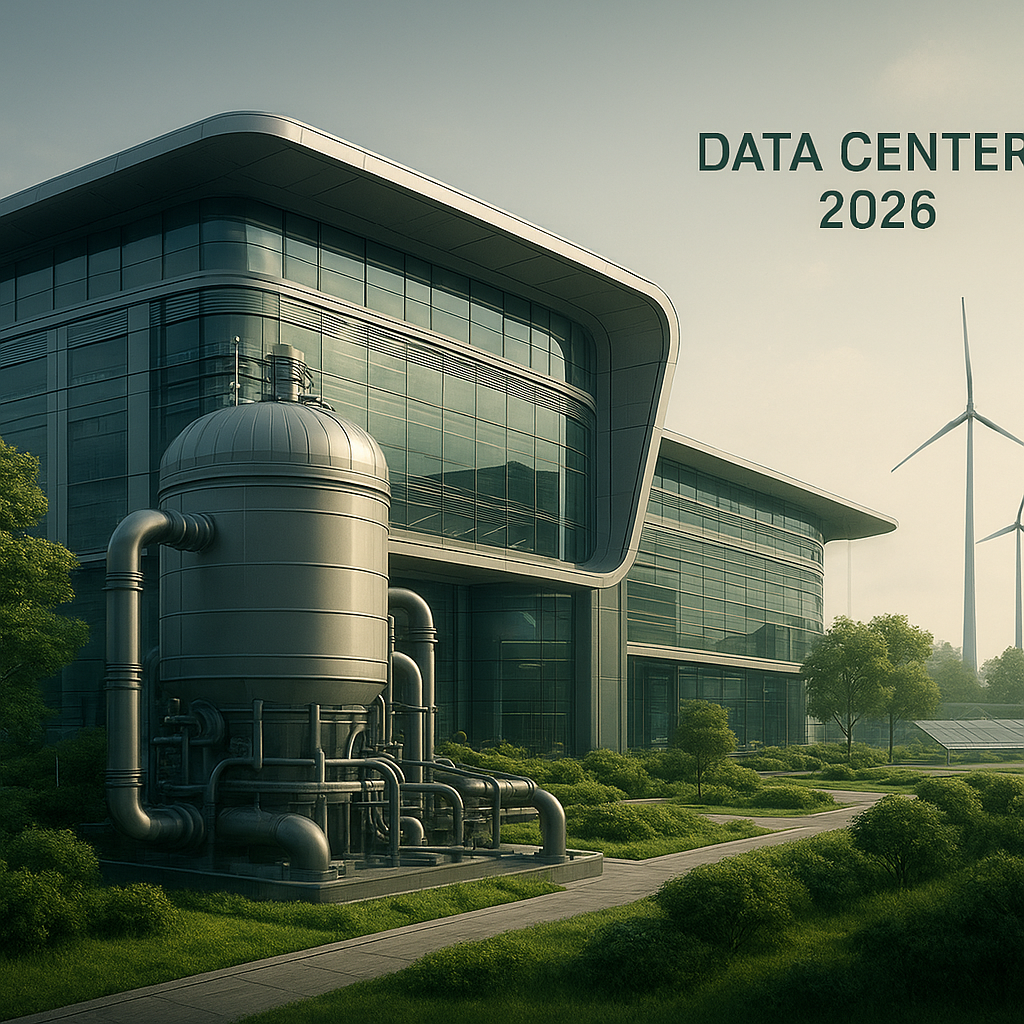

A Complex Energy Choice: A Data Center Fueled by Natural Gas in 2026
In early 2026, Google announced the construction of a new data center powered primarily by a newly built, large-scale natural gas power plant in the southwestern United States. This revelation sparked considerable debate across the sustainable living and green tech communities. Data centers are known as voracious energy consumers, often relying on renewable energy to reduce their carbon footprint. Yet here, in a time when corporate sustainability ambitions are rising, Google’s decision to anchor its infrastructure with a gas plant seems paradoxical.
The project, slated for completion by late 2027, aims to provide the data center with steady, reliable electricity. Google executives emphasized the plant’s state-of-the-art efficiency and its ability to integrate with renewable energy sources. The plant will utilize advanced combined cycle gas turbine technology, which Google claims will reduce carbon emissions by approximately 40% compared to older fossil fuel plants.
This initiative occurs amid intensifying pressures on tech giants to decarbonize their operations. According to industry estimates, data centers account for nearly 2% of global electricity consumption in 2026, a figure poised to grow as AI, cloud computing, and digital services expand. The Google project exemplifies the complex balancing act between energy reliability, cost, and environmental responsibility.
"Our goal is to ensure uninterrupted service while pushing the boundaries of energy efficiency," a Google spokesperson explained. "This plant is a pragmatic step toward a more resilient and lower-carbon energy mix."
Yet critics remain skeptical. Environmental advocates argue that any new fossil fuel infrastructure risks locking in emissions for decades, potentially undermining global climate targets. This article explores the background, current context, and future implications of Google’s gas-powered data center, while analyzing its place within the broader shift in sustainable energy strategies.
Background: The Evolution of Data Center Energy Use and Corporate Sustainability Commitments
The rapid expansion of digital infrastructure over the past decade has transformed energy consumption patterns globally. By 2026, data centers form the backbone of the digital economy, supporting everything from streaming services to AI-driven applications. Historically, data centers have been criticized for their high energy demands and substantial carbon footprints.
Google pioneered early investments in renewable energy for its data centers, achieving a 100% renewable energy match for its electricity consumption as of 2020. However, these claims often reflected purchasing renewable energy credits rather than direct renewable generation. The shift toward on-site and regional renewable investments intensified throughout the early 2020s.
Despite these efforts, the intermittent nature of solar and wind power poses challenges for grid stability and 24/7 data center operations. This has led to a nuanced reevaluation of energy strategies, balancing renewables with reliable baseload power sources. Natural gas plants, especially those employing combined cycle technology, offer rapid ramp-up capabilities and lower emissions compared to coal or oil plants.
The decision to build a new gas plant to power Google’s latest data center reflects this pragmatism. While it may seem a step back from pure renewables, it addresses the critical need for dependable electricity. Additionally, the plant will incorporate carbon capture and storage (CCS) technologies, aiming to cut emissions further.
Industry experts suggest that this approach aligns with a transitional energy model, where fossil fuels are gradually phased out as renewable storage and grid infrastructure improve. This context helps explain why Google and other tech companies continue to invest in gas infrastructure while pursuing net-zero goals.
Analyzing the Energy Dynamics: Efficiency, Emissions, and Grid Integration
The new natural gas plant planned for Google’s data center will feature combined cycle gas turbine (CCGT) technology, currently among the most efficient fossil fuel power generation methods. CCGT plants can achieve thermal efficiencies exceeding 60%, significantly higher than older gas plants and far above coal-fired stations.
Google’s chosen plant will produce approximately 500 megawatts (MW) of electricity, sufficient to power a data center estimated at 70 megawatts of operational load. The plant’s flexibility allows it to quickly adjust output to complement intermittent renewables on the grid, providing essential grid balancing services.
- Efficiency Gains: The plant’s efficiency reduces fuel consumption per unit of electricity, lowering greenhouse gas emissions.
- Carbon Capture Integration: Incorporation of CCS technology is expected to capture up to 85% of CO2 emissions, a notable improvement over conventional plants.
- Grid Stability: The plant’s ability to rapidly modulate output supports grid reliability, especially during peak demand or renewable shortfalls.
However, even with these advances, the environmental footprint remains significant. According to recent lifecycle analyses, natural gas combustion emits roughly 400-500 grams of CO2 per kilowatt-hour, compared to near-zero emissions for wind or solar. Methane leakage during extraction and transportation adds further climate impact.
Critically, the project’s proponents argue that the plant is a bridge solution. It enables Google to maintain operational continuity and service quality while investing heavily in renewable projects nearby and nationwide. The company has pledged to reach operational carbon neutrality by 2030, combining renewable energy, energy efficiency, and offsets.
"The integration of a high-efficiency gas plant with cutting-edge carbon capture is a pragmatic compromise," says energy analyst Dr. Samantha Lee. "It reflects the current technological and economic realities, not a retreat from sustainability."
2026 Developments: Google’s Strategic Energy Investments and Industry Reactions
In the first quarter of 2026, Google revealed its energy strategy for the upcoming data center, sparking widespread industry scrutiny. The project represents one of the largest private investments in natural gas power generation by a major tech company in recent years.
Google simultaneously announced multi-gigawatt renewable energy purchase agreements across the U.S. and internationally, including solar, wind, and emerging green hydrogen projects. This demonstrates a dual-track approach—investing in firm power from gas plants while expanding renewables aggressively.
Industry reactions have been mixed:
- Renewable Advocates: Many express concern that building new gas infrastructure contradicts global climate commitments and risks stranded assets.
- Energy Experts: Some recognize the need for reliable baseload power and applaud the use of advanced technologies like CCS and combined cycle turbines.
- Investors: Market analysts note that Google’s approach mitigates risks associated with grid instability and volatile renewable output, protecting service uptime.
This project has sparked debate about the appropriate role of fossil fuels in transitioning energy systems. While some environmental NGOs advocate for immediate cessation of all fossil fuel infrastructure, others acknowledge the practical challenges of reaching 100% renewables without major technological breakthroughs in storage and grid modernization.
Google’s project is also influencing other tech companies’ energy strategies. Reports suggest that firms with large energy footprints are reassessing their reliance on intermittent renewables exclusively, exploring hybrid models that include natural gas or nuclear to secure stable power.
For context on digital infrastructure energy demands and innovation, readers may find our analysis on Traditional vs. AI-Powered Data Governance helpful. This article explains how AI advancements increase computational needs, influencing energy consumption trends.
Expert Perspectives: Industry Impact and Broader Implications for Sustainable Tech
Energy specialists and environmental analysts offer diverse insights into Google’s gas-powered data center. The project highlights tensions between corporate sustainability branding and operational realities.
Dr. Marcus Chen, a sustainable energy researcher, notes, "Google’s investment signals a recognition that renewables alone cannot guarantee the 24/7 reliability demanded by hyperscale data centers. The inclusion of advanced gas technology with carbon capture may serve as a transitional model for the industry."
Meanwhile, climate advocates caution against normalizing new fossil fuel infrastructure. "Even with carbon capture, burning natural gas perpetuates dependence on fossil fuels and methane emissions," says Tara Singh, spokesperson for a leading environmental NGO. "The tech sector must accelerate investment in energy storage and grid innovation instead."
From a market perspective, this initiative may influence energy pricing and infrastructure development. The plant’s output will likely be integrated into regional energy markets, affecting the economics of renewables and battery projects. Furthermore, Google's scale and reputation could encourage suppliers to innovate in carbon capture and efficiency.
"Google’s project is a bellwether for how major energy consumers balance decarbonization goals with reliability and cost," industry consultant Laura Whitman explains.
This decision also raises questions about the lifecycle of such infrastructure and potential stranded asset risks if stricter climate policies accelerate the fossil fuel phase-out.
Looking Ahead: What to Watch for in Energy and Data Center Sustainability
As Google’s gas-powered data center progresses toward completion, several key developments will shed light on the viability of this hybrid energy model for the tech sector.
- Carbon Capture Performance: The effectiveness and scalability of the plant’s CCS technology will be closely monitored as a benchmark for emissions mitigation.
- Grid Integration: How the plant interacts with expanding renewable capacity and energy storage solutions will inform future infrastructure planning.
- Regulatory Environment: Potential tightening of emissions regulations or methane standards could impact operational costs and viability.
- Technological Advances: Breakthroughs in battery storage, green hydrogen, or other zero-carbon firm power options may render gas plants obsolete sooner than expected.
- Corporate Energy Strategies: Other tech giants’ responses and investment shifts will indicate broader industry trends toward or away from fossil fuels.
For readers interested in corporate innovation and sustainability, our coverage on India’s Most Funded Online Education Startups offers insights into how technology sectors evolve alongside energy and environmental challenges.
In conclusion, Google’s new data center powered by a massive natural gas plant embodies the complex trade-offs facing sustainable living and green tech in 2026. It underscores the urgent need for pragmatic solutions that balance environmental imperatives with technological and economic realities. While not a perfect solution, this initiative may serve as a transitional blueprint as the world advances toward a net-zero digital economy.


































Sign in to leave a comment.