
Bad scheduling doesn't just annoy your employees — it directly impacts your bottom line. According to the Society for Human Resource Management (SHRM), employee turnover costs 50-200% of the departing worker's annual salary. And research from the Shift Project at Harvard shows that the number one reason hourly workers quit is unpredictable, unfair schedules.
The Financial Math
Let's break it down for a typical restaurant with 15 hourly employees at $16/hour:
- Replacing one employee: $4,000-$8,000 (recruiting, training, lost productivity)
- Average turnover rate for food service: 75% annually, per the Bureau of Labor Statistics
- That's 11 employees per year × $6,000 average = $66,000 in annual turnover costs
If better scheduling reduces turnover by even 20%, that's $13,200 saved per year — far more than any scheduling tool costs.
What "Fair" Actually Means
Fairness in scheduling isn't about giving everyone identical shifts. It's about transparency and consistency:
1. Weekend and holiday shifts are distributed evenly over time (within ±1 shift per month)
2. Schedule is published at least 7 days in advance (14 days is best practice)
3. Shift preferences are considered, even if not always accommodated
4. No employee is systematically disadvantaged
Many managers think they're being fair because they "try to rotate weekends." But without tracking, unconscious patterns emerge. An automated shift schedule maker tracks distribution automatically, making fairness measurable rather than aspirational.
The Predictive Scheduling Law Factor
Several US cities and states now mandate advance schedule notice. The National Conference of State Legislatures tracks these laws:
- Oregon: 14 days advance notice
- San Francisco: 14 days for retail and food service
- New York City: 72 hours for fast food workers
- Seattle: 14 days for retail and food service (500+ employees)
Violating these laws means premium pay penalties. Automated scheduling with built-in compliance checks isn't just convenient — it's legal protection.
Start Simple
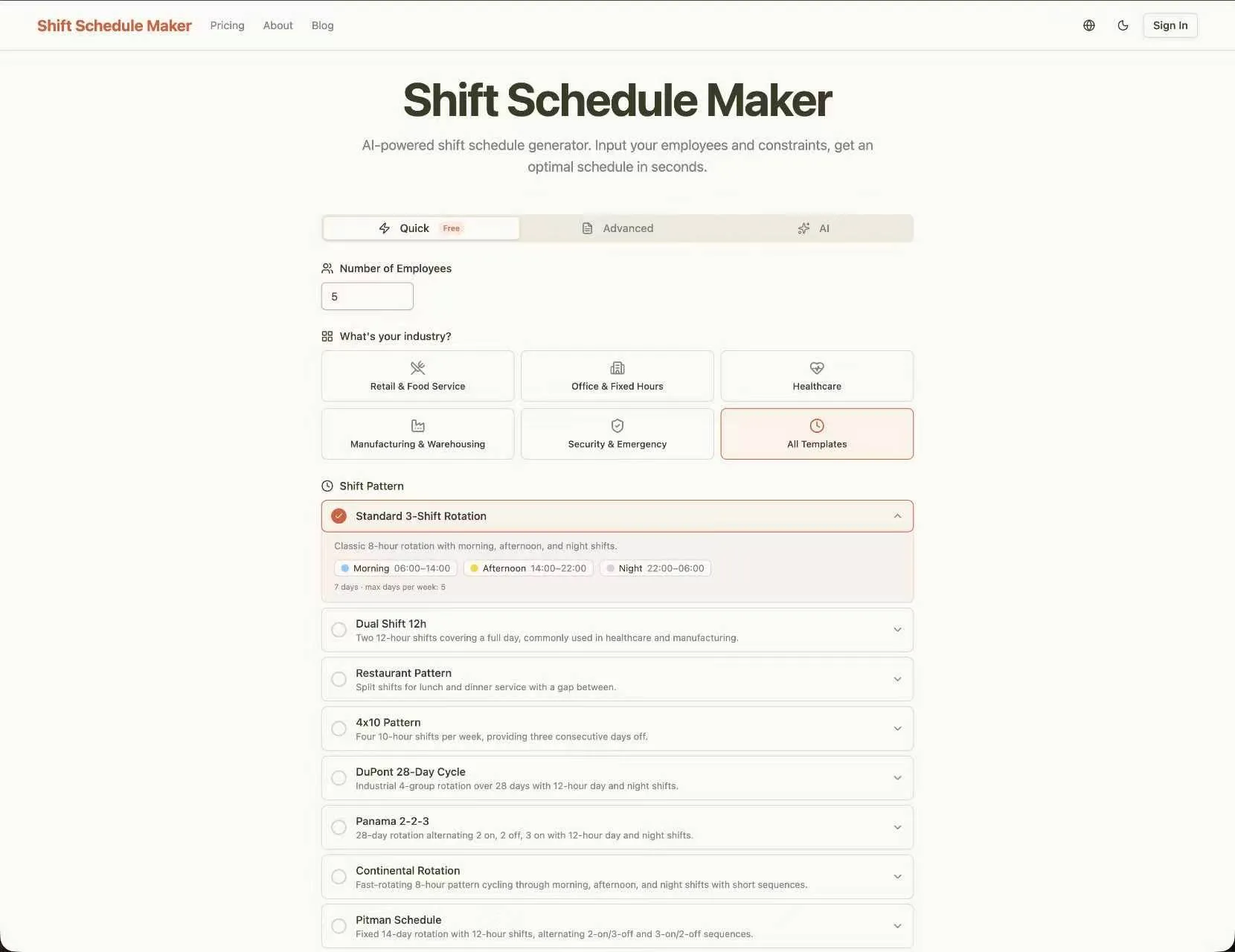
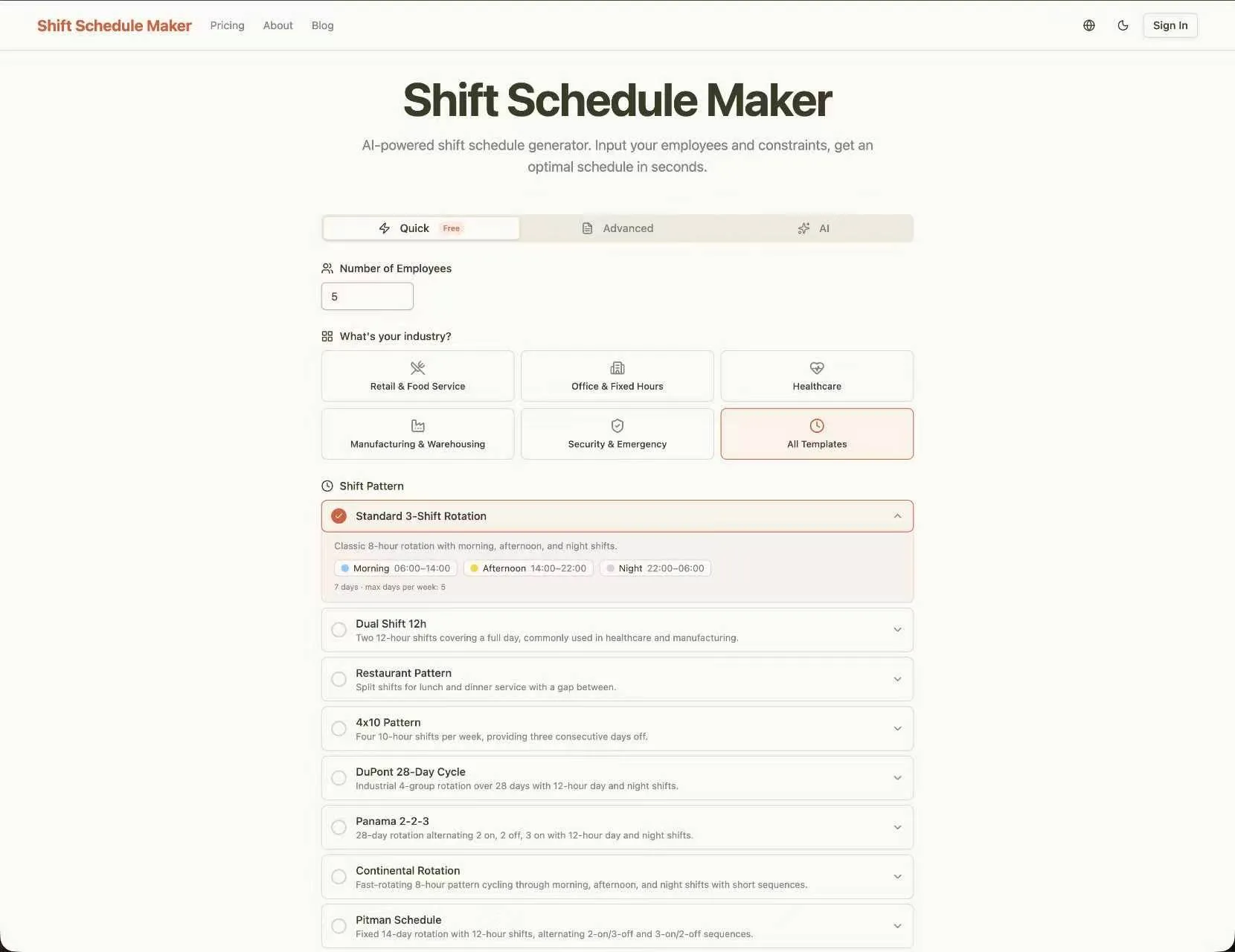
You don't need enterprise software. A free online shift schedule maker handles the basics: availability input, constraint checking, conflict alerts, and schedule export. Start there, and upgrade only when your team outgrows it.





























Sign in to leave a comment.