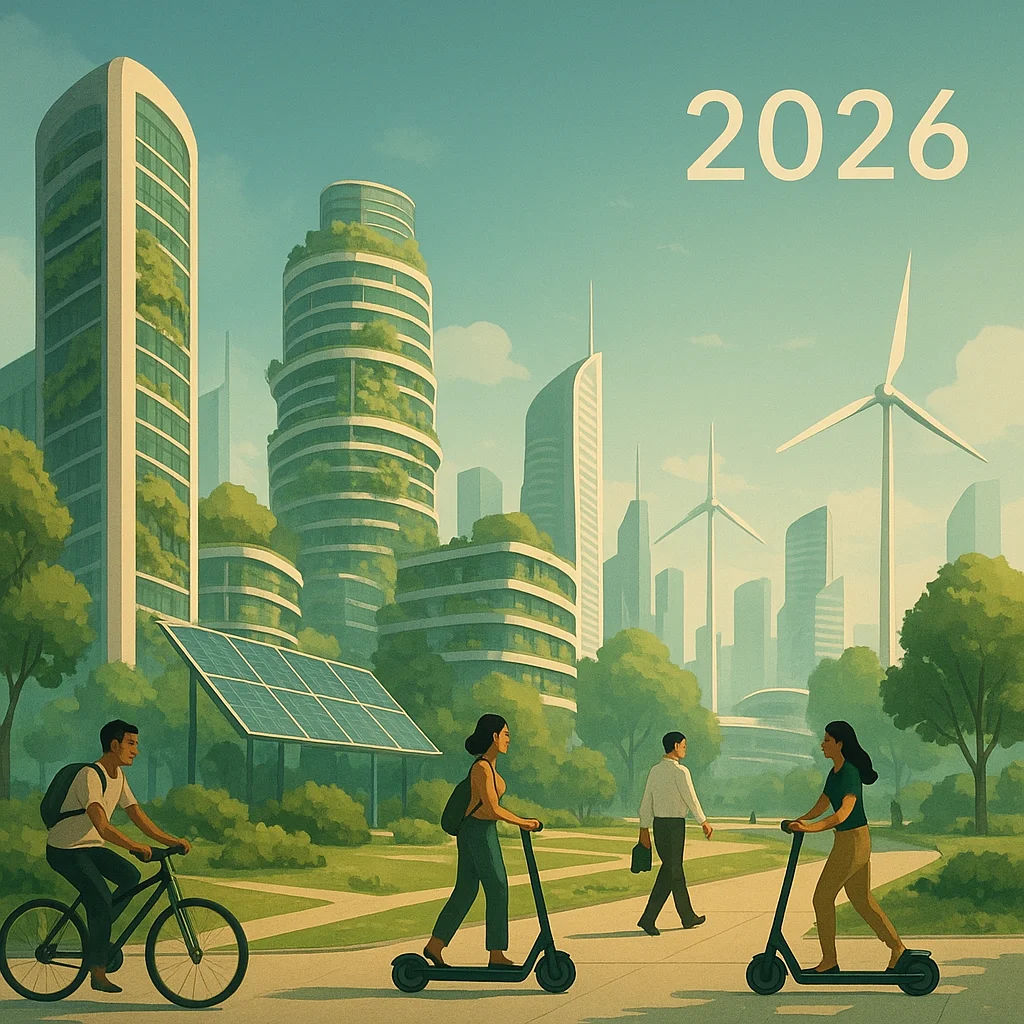

Tracing the Path: A Nordic Perspective on Carbon Footprint Challenges
Picture the vast Swedish boreal forests in spring—fresh, resilient, and quietly absorbing carbon. Yet, beneath this serene scene lies a complex challenge shared globally: reducing humanity’s carbon footprint to stave off catastrophic climate change. In 2026, the imperative to shrink our carbon emissions is more urgent than ever. According to a recent report by Yahoo Finance, the global carbon footprint reduction market is expected to surpass $21 billion by 2030, driven by rising environmental regulations and corporate ESG commitments. This surge reflects a worldwide awakening to the necessity of transformative action.
The Scandinavian ethos of lagom—balanced and moderate—illuminates a path forward. It encourages measured consumption, thoughtful resource use, and respect for nature’s limits. Yet, as industrialization and modern lifestyles expanded, carbon emissions skyrocketed. The last two decades have witnessed both alarming increases in greenhouse gases and remarkable innovations in green technology. How did we arrive here, and what strategies now hold promise in 2026 for reversing this trend?
“We are at a critical juncture where every tonne of CO2 avoided counts. Our approach must be holistic—integrating technology, policy, and individual action,” reflects Greta Thunberg in a recent environmental forum.
From Industrial Revolution to Net Zero Ambitions: The Evolution of Carbon Awareness
The concept of a carbon footprint emerged in the early 2000s as scientists quantified the CO2 emissions attributable to individuals, companies, and nations. Initially, the focus was on fossil fuel combustion—the backbone of industrial growth since the 18th century. Over decades, energy-intensive sectors like transportation, manufacturing, and agriculture became the main culprits. Governments responded with international agreements such as the Kyoto Protocol and Paris Agreement, setting emission reduction targets.
In Sweden and across the EU, carbon taxes and renewable energy incentives spurred progress. By 2026, carbon footprint reduction is no longer a niche concern but a mainstream goal embedded in corporate strategies and consumer choices. Technological advances such as electrification, carbon capture and storage (CCS), and digital monitoring tools have accelerated emissions tracking and mitigation. Yet, the complexity of global supply chains and lifestyle patterns challenges uniform progress.
Historical data from the International Energy Agency (IEA) highlights that despite efforts, global CO2 emissions briefly plateaued in 2020 due to the pandemic but have since rebounded. This rebound underscores the need for systemic transformation rather than temporary fixes.
Core Strategies to Slash Carbon Emissions: Data and Innovations Leading the Way
Carbon footprint reduction strategies in 2026 are multifaceted, combining technological innovation, policy enforcement, and behavioural change. Below are key approaches that stand out in current research and market trends:
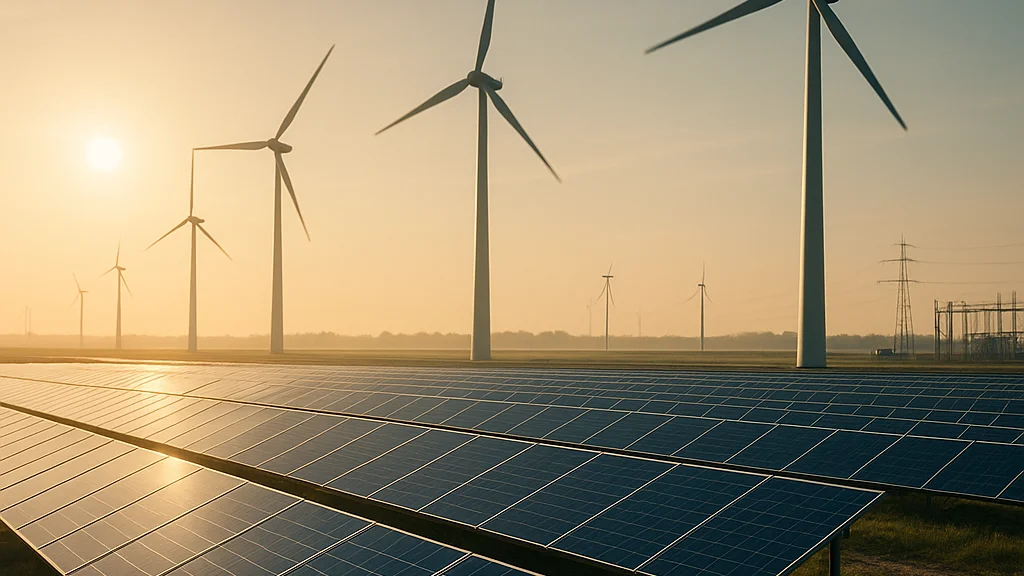
- Energy Transition to Renewables: The shift from coal and gas to wind, solar, and hydropower is foundational. According to Statista, renewable energy accounted for nearly 40% of global electricity generation in 2025, with projections surpassing 50% by 2030.
- Electrification of Transport and Industry: Electric vehicles (EVs) now represent over 30% of new car sales globally. Electrifying industrial processes where feasible reduces direct fossil fuel use.
- Carbon Capture, Utilization, and Storage (CCUS): New plants employing CCUS technology can trap up to 90% of emitted CO2. For example, Northern Lights, a CCS project in Norway, has scaled operations, demonstrating viability.
- Sustainable Supply Chain Management: Reducing emissions across extended supply chains is critical. Strategies include sourcing locally, optimizing logistics, and adopting circular economy principles. Supply Chain Brain highlights three key strategies: supplier engagement, transparency through blockchain, and green procurement.
- Green Building Materials: Concrete production accounts for 8% of global CO2 emissions. Innovations such as low-carbon concrete and alternative binders are gaining traction; For Construction Pros outlines seven strategies for lowering concrete’s footprint, including using industrial byproducts and enhancing curing methods.
- Digital Solutions and Data Analytics: Advanced AI and IoT systems enable real-time energy monitoring and predictive analytics, optimizing consumption and reducing waste.
The impact of these strategies is quantifiable. For instance, the adoption of green building standards can cut operational carbon emissions by up to 50%. Electrification combined with renewable energy reduces transport emissions drastically—an essential step given transport's 25% share of global emissions.
“Technology is an enabler, but behaviour and policy shape outcomes. The synergy determines success,” notes Dr. Karin Svensson, a leading climate strategist based in Stockholm.
2026 Updates: Accelerating Momentum and Emerging Trends
This year marks a pivotal moment as new policies and technologies reshape the carbon reduction landscape. The European Union has intensified its carbon budget regulations, demanding practical emission strategies from industries—a move detailed by Bizcommunity. These regulations enforce stricter caps and incentivize innovation through financial mechanisms.
Meanwhile, the carbon footprint reduction market itself is diversifying. Beyond traditional sectors, emerging fields like carbon-neutral digital infrastructure are gaining attention. The growing awareness of digital carbon footprints—explored in our article How UX Decisions Quietly Shape the Digital Carbon Footprint of Enterprises—reflects how even software design choices impact emissions.
Another 2026 highlight is the increased accessibility of carbon literacy education. Punyam Academy’s launch of an e-learning course on carbon footprint and net zero implementation, reported by Mena FN, exemplifies efforts to scale knowledge for businesses and individuals alike.
- Corporate ESG commitments have matured: More companies disclose scope 3 emissions, encompassing indirect emissions across supply chains.
- Innovations in bio-based materials: New composites replace plastics and conventional materials, reducing embodied carbon.
- Community solar and decentralized energy systems: Small-scale renewable projects are empowering local resilience and lowering grid emissions.
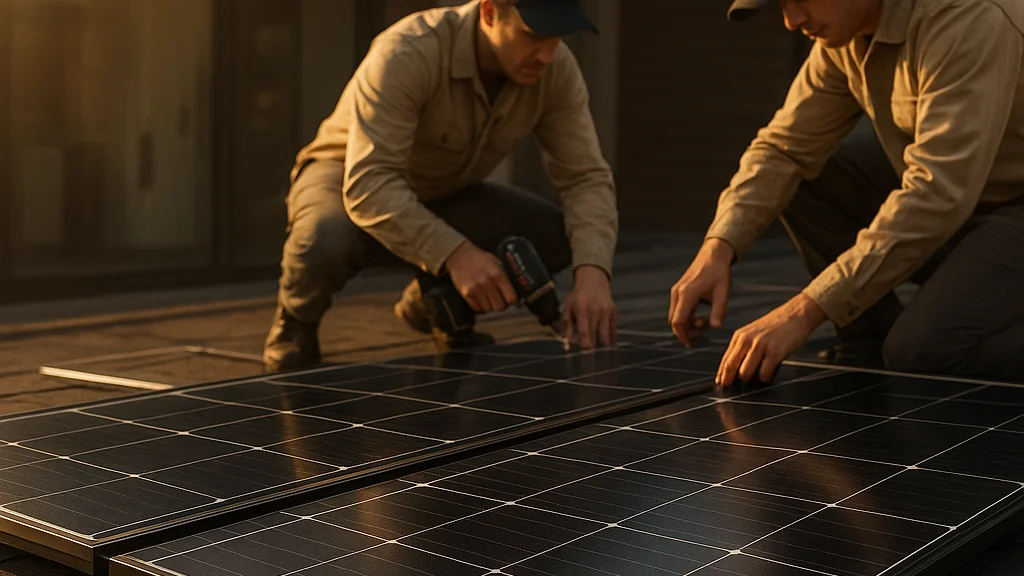
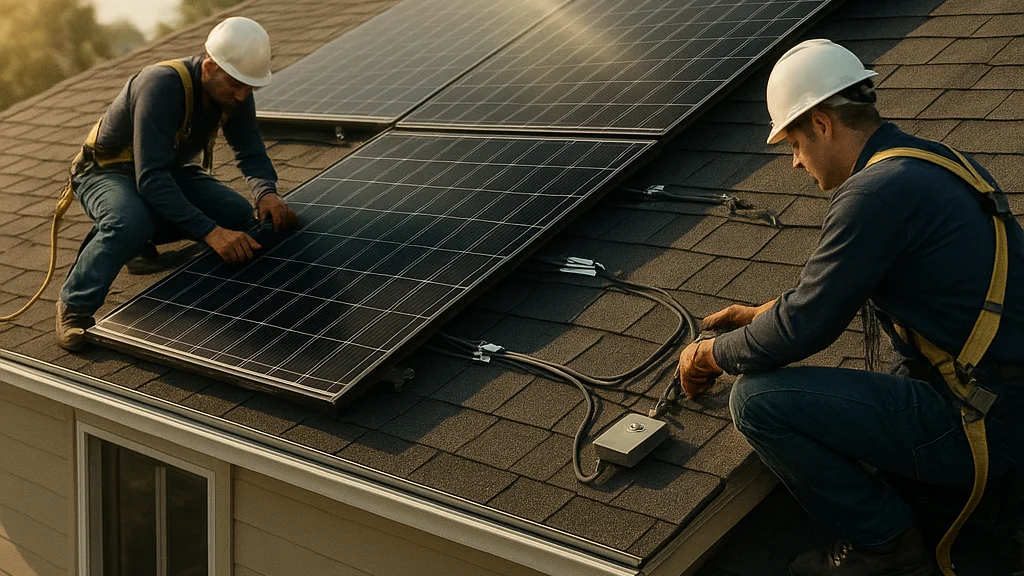
As a practical illustration, the case of a solar system installation in Camberwell, described in our coverage How a Solar System in Camberwell Reduces Power Bills and Carbon Footprint, demonstrates how individual actions contribute to larger carbon savings.
Expert Insights and Industry Impact: Voices Shaping the Carbon Reduction Dialogue
Leading voices in sustainability emphasize a balanced approach combining innovation with cultural shifts. Scandinavian design principles, with their emphasis on simplicity and natural materials, influence sustainable architecture and product development globally.
Experts highlight the critical role of policy frameworks that align economic incentives with environmental goals. According to the Supply Chain Brain article, companies integrating carbon management into procurement see enhanced resilience and brand value. This convergence of financial and environmental performance is essential for long-term success.
Moreover, environmental advocates underscore the need for social equity in carbon reduction strategies. Ensuring that marginalized communities benefit from green investments is crucial for just transitions.
“Sustainability without justice is incomplete. Our strategies must reflect environmental and social harmony,” argues Lina Eriksson, an environmental policy advisor in Stockholm.
Looking Ahead: What to Watch in Carbon Footprint Reduction
The horizon of carbon footprint reduction is bright but complex. As we look to 2030 and beyond, several developments warrant close attention:
- Integration of AI and Machine Learning: These technologies will refine emission forecasting and optimize energy systems more precisely.
- Expansion of Carbon Markets and Offsetting: Transparent and verifiable carbon credit systems may become central to corporate strategies.
- Advances in Negative Emissions Technologies: Innovations such as enhanced weathering and direct air capture could remove CO2 at scale.
- Behavioral Science in Climate Action: Understanding and influencing consumer and corporate behaviour will become a strategic priority.
- Cross-sector Collaboration: Partnerships between governments, private sector, and civil society will accelerate breakthroughs.
For individuals, adopting eco-friendly cleaning solutions and energy-efficient home upgrades remain accessible and impactful steps. Collectively, these efforts echo the lagom spirit—seeking balance not excess, but mindful progress.
As Greta Thunberg once said,
“The climate crisis is not just about carbon numbers; it’s about the future we choose to live in.”
By weaving together scientific innovation, policy rigor, and cultural values, 2026 stands as a year of renewed hope and tangible action in carbon footprint reduction.
































Sign in to leave a comment.