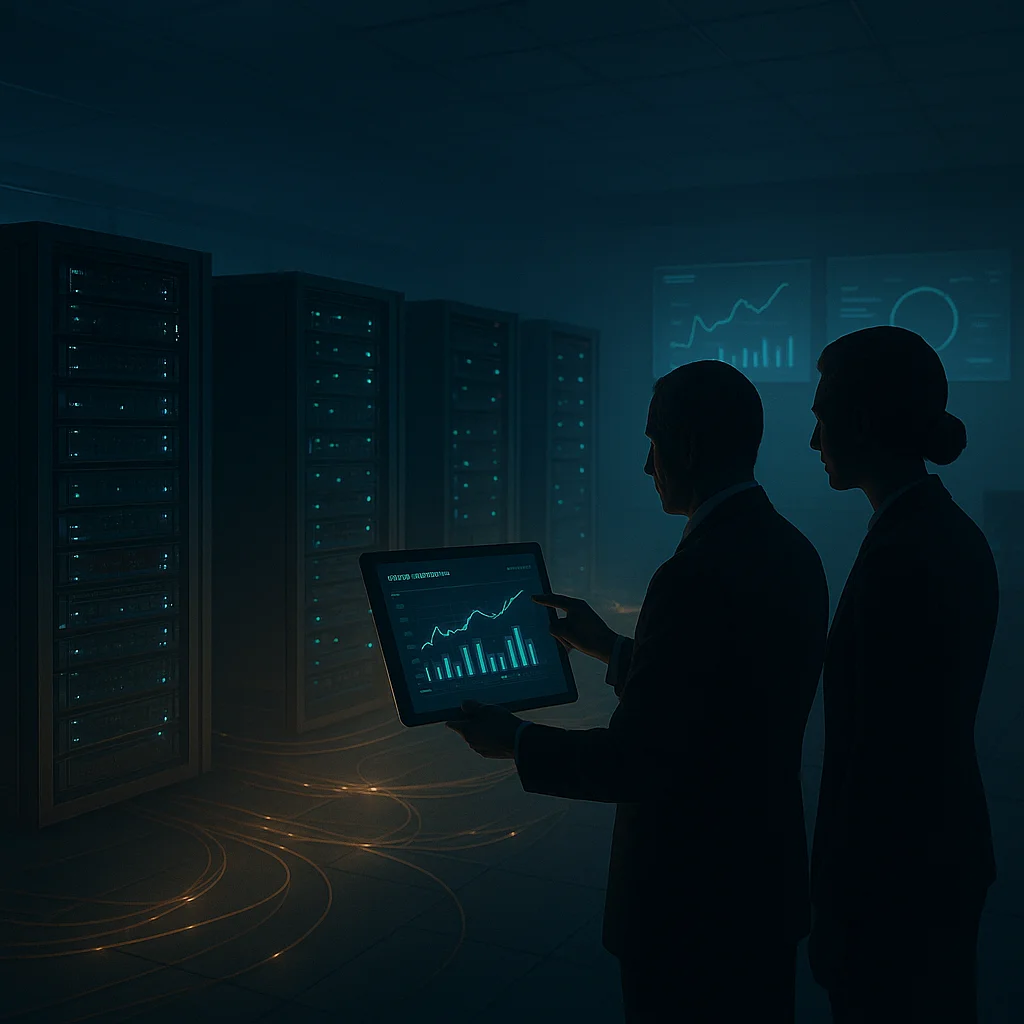

Behind Closed Doors: Why Senators Are Scrutinizing Data Center Energy Use
The hum of servers and blinking lights inside sprawling data centers may seem like a quiet backdrop to our digital lives. Yet, these facilities are voracious consumers of electricity, powering everything from cloud storage to streaming services. Earlier this year, a bipartisan group of U.S. senators sharply intensified scrutiny over the actual energy consumption of data centers. Their demand? Transparency on how much power these digital fortresses truly draw. This push has rippled through the tech industry and sustainability circles alike. But why now? And what does this mean for our energy future?
To grasp the significance, envision the scale: according to the U.S. Energy Information Administration (EIA), data centers consumed roughly 2% of the nation’s electricity as of 2024, with estimates projecting growth alongside expanding AI workloads and the Internet of Things. Senators, including Elizabeth Warren and Josh Hawley, have called for detailed, regular disclosures from data center operators, emphasizing accountability in the face of mounting climate urgency. As Wired reports, this is more than a bureaucratic inquiry—it’s a wake-up call to an industry often cloaked in opacity.
“Transparency around data center energy use is essential for effective policy-making and sustainable innovation,” Senator Warren noted in a recent letter to the EIA.
Tracing the Growth: How Data Centers Became Energy Giants
The surge in data center energy consumption didn’t happen overnight. In the early 2000s, data centers were smaller and far less numerous. Their energy footprint was modest, often overlooked in national energy conversations. But the digital revolution, especially the rise of cloud computing, artificial intelligence, and 24/7 streaming, has transformed these facilities into some of the largest energy consumers globally.
Historically, the industry has taken strides to improve efficiency. The advent of modular designs, liquid cooling systems, and AI-driven energy management has curtailed waste. Yet, the rapid expansion of data-hungry applications often offsets these gains. According to the International Energy Agency (IEA), global data center energy demand grew by an average of 4% annually during the last decade. In the United States alone, data centers account for a significant share of commercial electricity use, often concentrated in urban hubs and tech corridors.
Environmental advocates argue that the sector's growth trajectory demands a reexamination of energy policies, especially given the global push for net-zero emissions. The lack of consistent, publicly available data on energy consumption hinders such efforts. This context frames the senators’ recent demand as a logical extension of broader climate accountability movements.
Numbers and Nuances: Analyzing Data Center Energy Use in 2026
The call for transparency gains urgency when confronted with hard numbers. In 2026, data centers are estimated to consume more than 90 billion kilowatt-hours annually in the U.S., roughly equivalent to the electricity used by 8 million homes. This figure, however, masks significant variations depending on data center size, design, and energy sources.
Consider these key figures:
- Efficiency Improvements: Modern hyperscale data centers achieve Power Usage Effectiveness (PUE) ratios as low as 1.1, meaning only 10% of energy is wasted on cooling and overhead, compared to older facilities with PUEs exceeding 2.0.
- Renewable Integration: Approximately 45% of data center energy in the U.S. now comes from renewable sources, up from 25% in 2022, thanks to corporate commitments and green energy procurement.
- Regional Disparities: Data centers in cooler climates such as the Pacific Northwest or Scandinavia benefit from natural cooling, reducing power needs, whereas those in warmer regions face higher energy demands for climate control.
Yet, as The Verge highlights, the energy footprint of emerging AI training models and edge computing devices is less transparent. These newer technologies could significantly increase electricity consumption if not managed carefully.
“Without standardized reporting, it’s difficult to benchmark progress or identify best practices in energy efficiency,” explains Dr. Lena Eriksson, a sustainable computing researcher at Lund University.
2026 Developments: Transparency and Technology Intersect
This year marks a pivotal moment for data center energy oversight. The U.S. Senate’s letter to the EIA and major data center operators requests detailed quarterly reporting on electricity usage, energy sources, and efficiency measures. This unprecedented demand aims to fill gaps in national energy data and empower regulators to enact informed policies.
Data center operators are responding cautiously but constructively. Some hyperscalers have voluntarily released detailed sustainability reports, showcasing investments in green energy and innovations like AI-driven cooling optimization and on-site solar installations. Meanwhile, companies such as Google and Microsoft continue pushing toward 24/7 carbon-free energy targets, striving to match electricity consumption with renewable generation hourly.
Policy makers are also exploring incentive schemes for energy-efficient designs, including tax credits for facilities that meet stringent green certifications. At the same time, the debate over the balance between data center expansion and environmental stewardship intensifies.
Notably, the TechCrunch coverage observes a growing coalition of environmental groups, technology companies, and government agencies advocating for a national data center energy database to track consumption and emissions transparently.
Voices from the Field: Perspectives on the Demand for Energy Transparency
Industry insiders and sustainability experts offer nuanced views on the senators’ push. While many applaud the call for accountability, they caution against one-size-fits-all mandates that could stifle innovation or create reporting burdens.
Markus Lundqvist, CEO of Nordic Green Data Centers, emphasizes the importance of context: “Energy use alone doesn’t tell the full story. We must consider carbon intensity, local energy grids, and operational efficiency to truly assess environmental impact.”
Meanwhile, environmental advocates highlight the urgency of transparency to avoid unchecked growth that undermines climate goals. They argue that comprehensive data disclosure will drive competitive improvements and inform consumers about the environmental footprint of their digital activities.
Academic voices, such as Dr. Eriksson, stress that transparency is foundational for research and policy: “Reliable data enables targeted interventions, whether through technology adoption, regulation, or market incentives.”
“Transparency should be a tool for collaboration, not confrontation,” suggests Erika Svensson, a sustainability consultant based in Copenhagen. “It opens pathways for shared innovation and responsible scaling.”
Looking Ahead: What to Watch in Data Center Energy Use
As legislation and industry initiatives unfold, several trends warrant close attention. First, the evolution of energy reporting standards will shape how data is collected and used. The Senate’s push may catalyze the development of uniform metrics and auditing processes, enabling apples-to-apples comparisons.
Second, technological breakthroughs in cooling, power management, and renewable integration are poised to redefine efficiency benchmarks. Scandinavian-inspired design principles—prioritizing simplicity, natural ventilation, and modularity—are gaining traction in data center architecture, blending aesthetics with sustainability.
Third, the interplay between data center energy use and broader electricity grids remains critical. The rise of smart grids and demand response programs could synchronize data center operations with renewable energy availability, mitigating environmental impact.
Finally, consumer awareness and corporate responsibility will increasingly influence data center practices. Users demanding greener digital services may drive market shifts toward transparency and sustainability.
- Implementation of mandatory quarterly energy disclosures for data centers.
- Expansion of renewable energy procurement and on-site generation.
- Adoption of AI-optimized energy management systems.
- Development of national databases tracking data center emissions.
- Integration of circular economy principles in hardware lifecycle.
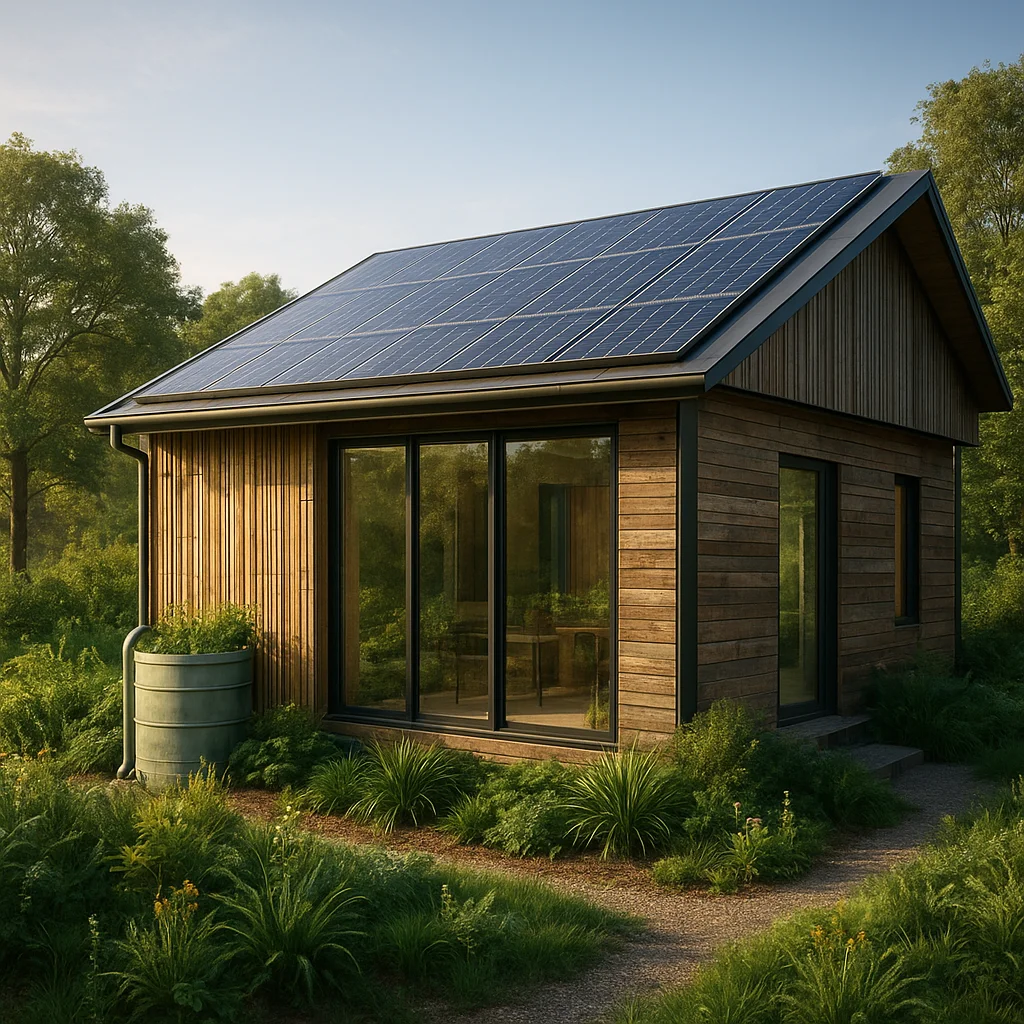
For those eager to explore the intersection of technology and sustainability further, you might enjoy our detailed insights in Senators Demand Transparency on Data Center Energy Use in 2026 and practical advice in Inside Green Building Materials and Eco-Friendly Homes.































Sign in to leave a comment.