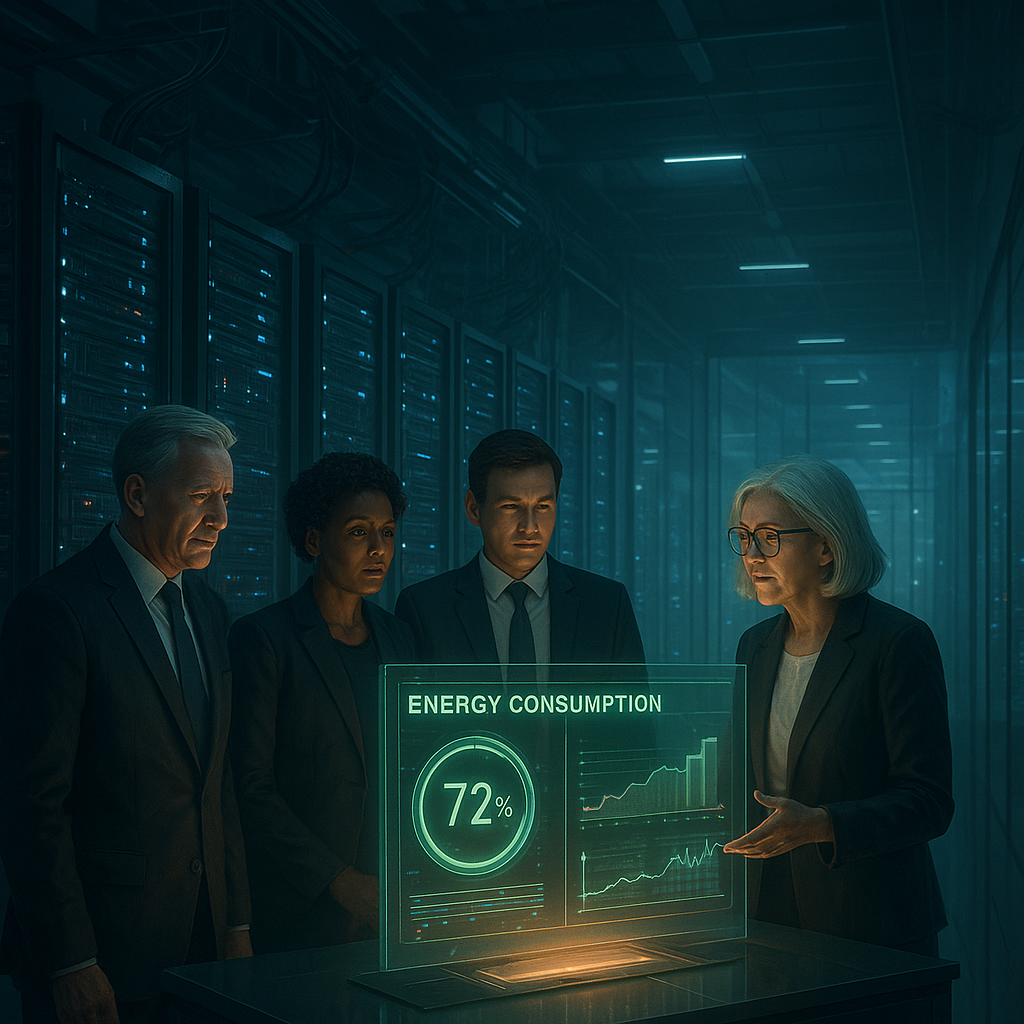

Opening Scene: A Capitol Hill Inquiry Into the Hidden Energy Giants
On a brisk February morning in 2026, the Senate Energy and Natural Resources Committee convened a rare hearing focused squarely on data centers—a sector often overlooked but rapidly becoming one of the largest electricity consumers in the nation. Senators Elizabeth Warren and Josh Hawley, among others, spearheaded a bipartisan push demanding detailed disclosures from the U.S. Energy Information Administration (EIA) on the actual electricity consumption of data centers across the country. Their request, formally sent as a letter to the EIA in early 2026, reflects growing concerns about the opaque nature of data center energy use and its environmental consequences.
Data centers—vast facilities housing servers and networking equipment essential for cloud computing, artificial intelligence, and digital communications—are often described as the backbone of the modern economy. Yet their energy footprint has remained shrouded in uncertainty despite their exponential growth. At stake is not only environmental sustainability but also the reliability of the grid and economic implications for households and businesses facing rising energy costs.
"Without comprehensive data on how much energy data centers consume, policymakers and the public cannot craft effective solutions to address their environmental impact," Senator Warren stated during the hearing, emphasizing the urgent need for transparency.
Background and Context: The Rise of Data Centers and Energy Concerns
The story of data centers and energy consumption is intertwined with the digital transformation that accelerated over the past two decades. In 2020, global data center energy use was already estimated to account for roughly 1% of worldwide electricity consumption, but this figure has been under scrutiny for its outdated sources and inconsistent methodologies. Since then, the proliferation of cloud services, streaming platforms, cryptocurrency mining, and AI applications has driven an unprecedented surge in demand.
Historically, data center operators have reported energy usage in broad strokes, often aggregated with other industrial sectors or cloaked in corporate confidentiality. This lack of granularity impeded regulatory agencies and environmental groups from assessing their true impact. While some operators have invested in renewable energy and efficiency improvements, the overall energy demand has continued to climb.
Several factors have contributed to this situation:
- Exponential data growth: The volume of data generated globally doubled every two years, driven by video content, IoT devices, and AI workloads.
- Geographic dispersion: Data centers cluster near urban centers or regions with cheap electricity, complicating grid management.
- Energy intensity: Cooling and power redundancy requirements impose high energy demands beyond just server operation.
- Regulatory gaps: Inconsistent reporting standards and voluntary disclosure policies have allowed operators to underreport or obscure their consumption.
For context, a 2024 study by the International Energy Agency (IEA) estimated that data centers accounted for about 1.5% of global electricity use, with expectations to reach 3% by 2030 if unchecked. These projections alarmed environmental advocates and lawmakers alike.
Core Analysis: Dissecting the Energy Use Figures and Comparisons
Understanding how much energy data centers consume requires dissecting available datasets and examining patterns. According to recent reports from the U.S. Department of Energy and independent research groups, the numbers vary widely depending on methodology. The EIA’s own estimates have been criticized for undercounting due to incomplete data submissions and classification challenges.
Key figures to consider:
- Estimated U.S. Data Center Energy Use: In 2025, industry estimates suggest data centers used approximately 90 billion kilowatt-hours (kWh) annually, roughly 2% of total U.S. electricity consumption. This is comparable to the entire electricity use of states like Ohio or Michigan.
- Energy Use Effectiveness (EUE): This metric, which measures total facility energy divided by energy used by IT equipment, has improved from averages of 2.0 a decade ago to about 1.3 in leading facilities. This indicates efficiency gains, but growing computational demand offsets these improvements.
- Renewable Energy Integration: Approximately 50% of U.S. data center energy consumption in 2026 is sourced from renewables, driven by corporate commitments and regional grid mixes.
- International Comparison: U.S. data centers consume more electricity than those in Europe or Japan, partly due to scale but also differing efficiency and regulatory landscapes.
Despite these data points, the lack of standardized, mandatory reporting complicates efforts to produce a comprehensive national inventory. The senators’ letter to the EIA highlights this challenge, requesting detailed consumption data broken down by region, operator, and facility size.
"Accurate data is the foundation of sound energy policy. Without it, we risk making decisions based on assumptions rather than facts," said Senator Hawley, underscoring the importance of reliable statistics.
Current Developments in 2026: Legislative and Industry Responses
The momentum generated by the Senate inquiry has catalyzed several developments this year. The Department of Energy announced plans to collaborate with the EIA to refine data collection methods, including mandatory reporting requirements for major data center operators starting in 2027. These measures aim to close the information gap that has long hampered policymakers.
Meanwhile, the tech industry is responding with a mixture of transparency initiatives and technological innovation. Leading companies such as Google, Microsoft, and Amazon have expanded their publicly available sustainability reports to include more granular energy use data, often verified by third parties. This shift is partly driven by investor pressure and consumer demand for corporate responsibility.
On the technological front, innovations in cooling systems, server design, and AI-driven energy management software are beginning to bear fruit. For instance, hyperscale data centers increasingly deploy liquid cooling and advanced airflow management to reduce power usage.
Legislative efforts are also underway beyond transparency. Some states have introduced bills incentivizing data centers to co-locate with renewable energy projects or utilize waste heat recovery systems. Federal proposals to establish energy efficiency standards tailored for data centers are being debated in Congress.
Nevertheless, challenges remain:
- Balancing rapid digital growth with grid stability and decarbonization goals.
- Ensuring small and medium-sized data centers comply with new regulations.
- Addressing disparities in energy sourcing across regions.
These developments reflect a broader push to integrate data center energy use into national climate and infrastructure planning.
Expert Perspectives: Industry and Environmental Impact
Industry experts emphasize the dual nature of data centers as both energy consumers and potential enablers of sustainability. According to Dr. Maria Chen, a leading energy analyst at the GreenTech Institute, "Data centers are critical to enabling smart grids, telemedicine, and remote work, all of which can reduce carbon footprints elsewhere. However, their own energy footprint must be rigorously managed to realize net environmental benefits."
Environmental groups, while supportive of transparency efforts, warn that voluntary measures have fallen short. The Natural Resources Defense Council (NRDC) recently urged lawmakers to adopt mandatory energy reporting and efficiency standards, arguing that data centers represent a rapidly growing source of emissions if left unchecked.
From a business standpoint, energy costs are an increasingly significant factor. According to a 2025 survey by DataCenterDynamics, over 60% of operators cited energy expenses as a top operational cost, pushing them to seek efficiency upgrades and renewable contracts.
The intersection of regulatory pressure and market forces is reshaping the sector:
- Investment in green infrastructure: Many operators are now integrating solar, wind, and battery storage onsite.
- Adoption of AI-powered energy management: Sophisticated software optimizes cooling and workload distribution to minimize energy waste, as explored in our recent coverage of AI-powered solutions in UAE data centers.
- Collaboration with utilities: Dynamic demand response programs allow data centers to adjust consumption based on grid conditions.
"The future of data centers lies in their ability to be both energy efficient and grid-friendly, enabling a sustainable digital economy," Dr. Chen concluded.
What to Watch: Future Outlook and Policy Takeaways
Looking ahead, the call for transparency on data center energy consumption is poised to reshape regulatory frameworks and industry practices. Key trends to monitor include:
- Implementation of mandatory reporting: Starting 2027, data centers exceeding certain size thresholds will likely be required to submit detailed energy use data to the EIA, enhancing national energy planning.
- Federal energy efficiency standards: Anticipated legislation could establish minimum performance metrics for new and existing data centers, driving innovation.
- Integration with renewable energy mandates: Policies encouraging or requiring renewable sourcing will accelerate decarbonization efforts.
- Technological advances: Continued development of AI-driven energy management and next-generation cooling technologies will help reduce power consumption.
- Cross-sector collaboration: Partnerships between data centers, utilities, and grid operators will improve demand response and resilience.
For businesses and consumers alike, these shifts underscore the importance of understanding the energy implications of our digital lives. Reducing data center energy use not only helps combat climate change but also mitigates economic impacts of rising electricity prices.
For readers interested in strategies to reduce data center energy consumption and costs, our detailed guide on How to Reduce Energy Use in Data Centers and Lower Costs offers practical insights and proven methods.
As the digital economy continues to expand, the transparency demanded by senators in 2026 marks a critical step toward sustainable and accountable energy use in this vital sector.





























Sign in to leave a comment.