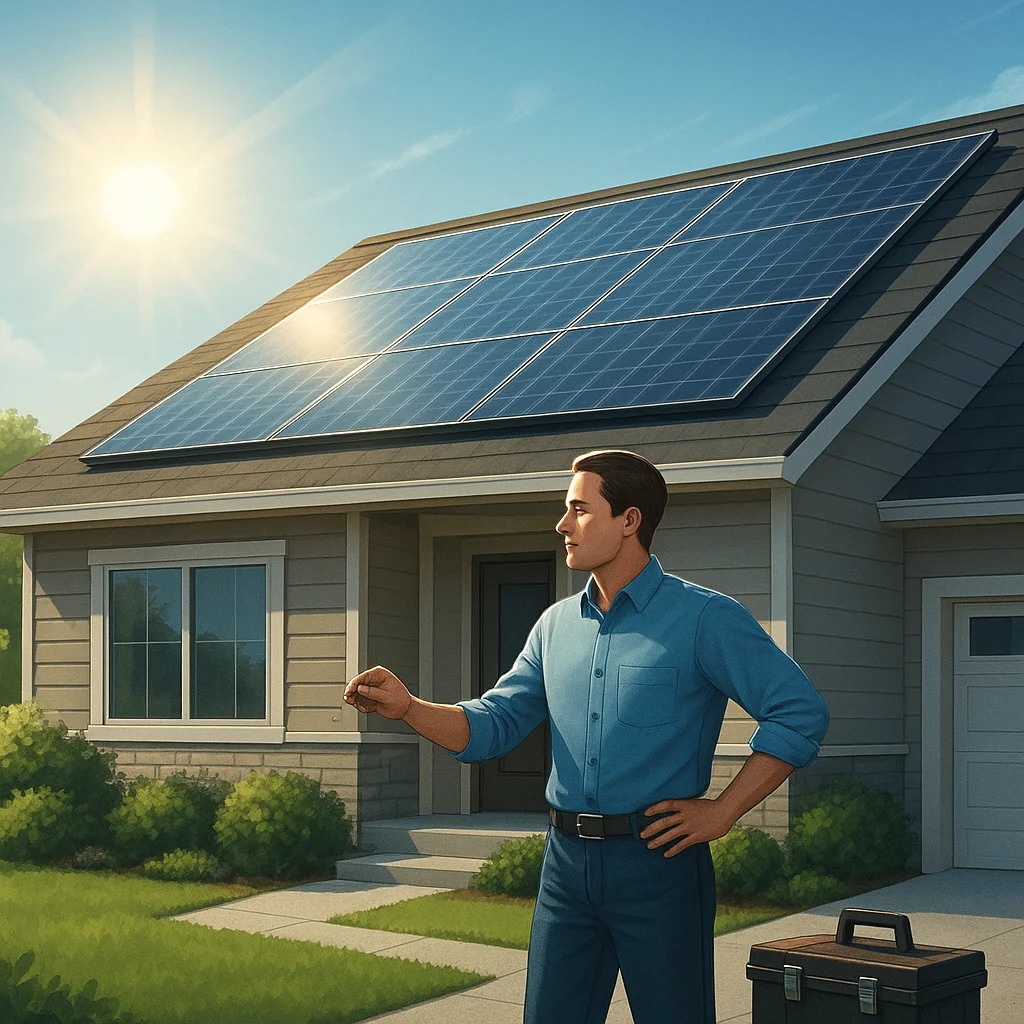

The Dawn of Solar Adoption: A Quiet Revolution on Rooftops
Imagine a crisp, clear morning in a Scandinavian suburb—rooftops kissed by the gentle glow of dawn, each adorned with sleek solar panels quietly harvesting the sun’s energy. This scene, once rare, is becoming increasingly common as homeowners worldwide embrace solar as a sustainable energy solution. Solar panel installation is no longer the preserve of early adopters or tech enthusiasts alone; it is a practical, accessible choice for many. According to the International Renewable Energy Agency (IRENA), global solar capacity has grown exponentially in the last decade, nearing 1 terawatt in 2025, underpinning a paradigm shift in residential energy consumption.
Yet, the path to installing solar panels on your home can be labyrinthine. From technical specifications to financial incentives and regulatory nuances, the process demands an informed approach. This guide aims to illuminate every necessary step, helping you navigate the intricacies of solar panel installation with confidence and clarity.
“Every kilowatt-hour generated by solar panels is a small but significant step toward a sustainable future,” notes Greta Thunberg, underscoring the profound impact of individual action.
Tracing the Roots: How Solar Panel Installation Became Mainstream
The journey of solar panels from niche technology to household staple is a testament to innovation and policy foresight. In the early 2000s, photovoltaic (PV) cells were prohibitively expensive and inefficient, limiting their appeal. However, advancements in semiconductor materials, manufacturing processes, and system integration dramatically lowered costs. By 2020, the average cost of solar panels had dropped by nearly 80% compared to 2010, according to BloombergNEF reports.
Government incentives played a catalytic role. Feed-in tariffs, net metering, and tax credits encouraged adoption, particularly in Europe and North America. Scandinavian countries, in particular, leveraged their sustainability ethos to integrate solar energy into urban planning. Sweden’s commitment to renewable energy, aligning with the European Green Deal, set an example for balancing energy demand with environmental stewardship.
Meanwhile, innovations like solar tracking and bifacial panels enhanced energy yields. The rise of smart grid technology facilitated better integration of distributed solar generation. These developments laid the groundwork for what we now see as a mature, reliable solar market.
Understanding the Core Elements: What Makes a Solar Panel Installation Successful?
Installing solar panels at home involves more than mounting modules on a roof. It’s a holistic system design process that considers your household energy needs, site conditions, and future scalability. Here’s what you need to focus on:
- Site Assessment: The first step is evaluating your home’s solar potential. Factors include roof orientation, shading from trees or buildings, roof condition, and local climate. South-facing roofs in the Northern Hemisphere are ideal, but east or west-facing roofs can still yield substantial energy.
- System Size and Energy Output: Determining the optimal system size requires analyzing your electricity consumption patterns. A typical residential solar system ranges from 4 to 10 kW, capable of covering 40% to 100% of your energy needs, depending on location.
- Panel Type and Efficiency: Monocrystalline panels offer higher efficiencies (up to 23%) but at a premium price. Polycrystalline panels are more affordable but slightly less efficient. Emerging technologies like perovskite tandem cells promise even higher efficiencies but are still in the early adoption phase.
- Inverter Technology: Solar panels generate direct current (DC) electricity, which must be converted to alternating current (AC) for home use. String inverters are common, but microinverters and power optimizers provide better performance in shaded or complex roof layouts.
- Battery Storage: With the rise of home energy storage, many opt to pair solar panels with batteries, gaining autonomy and resilience against grid outages. Lithium-ion batteries dominate the market for their energy density and lifespan.
- Installation Standards and Permits: Compliance with local building codes, electrical standards, and obtaining necessary permits is critical. This ensures safety, eligibility for incentives, and future-proofing.
Understanding these elements equips homeowners to make informed decisions, avoiding common pitfalls like undersized systems or incompatible equipment.
According to BGR, “Choosing the right installer and system can maximize return on investment and long-term satisfaction.”
2026 Updates: Solar Panel Installation in the New Energy Era
The solar landscape of 2026 reflects rapid evolution. Several key developments characterize this phase:
- Decline of Subsidies: In the United States, the gradual phase-out of federal solar tax credits has shifted the financial calculus. pv magazine International reports that while incentives shrink, falling panel costs and innovative financing models maintain momentum.
- Plug-and-Play Solar Solutions: Plug-in solar panels, which require minimal technical knowledge to install, are gaining popularity. These modular systems enable renters and homeowners alike to tap into solar without extensive modifications, as outlined by The Conversation.
- Enhanced Smart Integration: Solar installations increasingly integrate with home energy management systems, optimizing consumption patterns and grid interaction. AI-driven predictive analytics help forecast solar production and utility rates, maximizing savings.
- Environmental and Social Footprint: Manufacturers are adopting circular economy principles, reducing the environmental impact of panel production and promoting recycling initiatives. Scandinavian solar companies lead in adopting sustainable supply chains and design.
- Grid Modernization: Utility companies worldwide are updating infrastructure to handle distributed solar generation more efficiently, with virtual power plants and peer-to-peer energy trading becoming viable.
These trends underscore a shift from purely technical installation concerns to broader ecosystem integration and sustainability considerations.
Expert Insights: Voices from the Solar Frontier
Industry leaders and sustainable living advocates stress that solar installation is a transformative decision with far-reaching benefits beyond energy savings. Henrik Larsson, a Swedish sustainable living advocate, emphasizes the cultural shift solar panels represent: “They’re not just technology; they’re an emblem of responsibility and a tangible step toward lagom energy consumption—just enough, not too much.”
Professional installers highlight the importance of customization. Anna Johansson, CEO of Nordic Solar Solutions, notes, “Each home tells a story. Our job is to harmonize that story with solar technology, ensuring aesthetic, functional, and financial alignment.”
Financial analysts caution homeowners to evaluate financing options carefully. With traditional subsidies dwindling, solar leasing and power purchase agreements (PPAs) offer alternatives but require scrutiny of contract terms to avoid long-term disadvantages.
“The future of residential solar lies in personalized, integrated, and sustainable solutions,” says Johansson.
Future Outlook: What Homeowners Should Watch
Looking ahead, solar panel installation will become even more embedded in residential construction and renovation. Emerging trends to monitor include:
- Building-Integrated Photovoltaics (BIPV): Solar materials integrated into windows, facades, and roofing tiles will blur the lines between architecture and energy generation.
- Advanced Storage Technologies: Solid-state batteries and hydrogen storage may revolutionize how homes store and use solar energy.
- Regulatory Evolution: Policies will likely favor net-zero energy homes, making solar installations a standard rather than optional investment.
- Community Solar Projects: For homeowners unable to install panels, cooperative solar farms offer access to clean energy and savings.
- Digital Twin and VR Planning: Sophisticated modeling tools will allow homeowners to visualize and optimize solar installations virtually before physical deployment.
For those embarking on solar installation, staying informed and flexible will be key to maximizing benefits. As covered in WriteUpCafe’s Top 8 Solar Panel Installation Home Guide for 2026 and The Future of Solar Panel Installation: A Homeowner’s Comprehensive Guide, the landscape is dynamic but increasingly accessible.
Practical Tips: Steps to Take Before Installing Solar Panels
Before committing, consider the following checklist to ensure a smooth installation journey:
- Evaluate Your Electricity Bill: Understand your current energy consumption to size your system correctly.
- Research Local Regulations and Incentives: Contact local authorities or solar installers for up-to-date information on permits and subsidies.
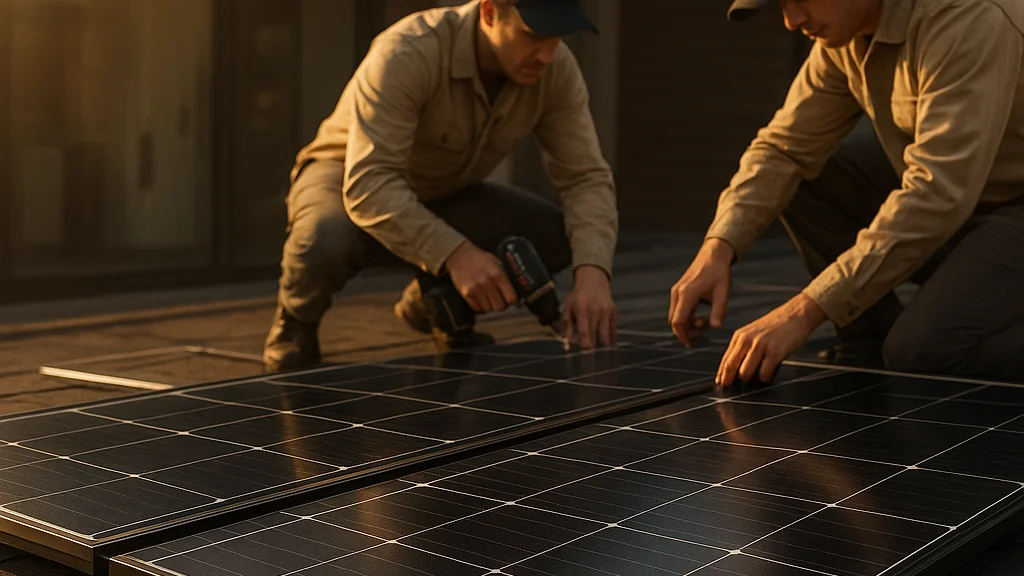
- Choose a Reputable Installer: Look for certified professionals with proven track records and transparent pricing.
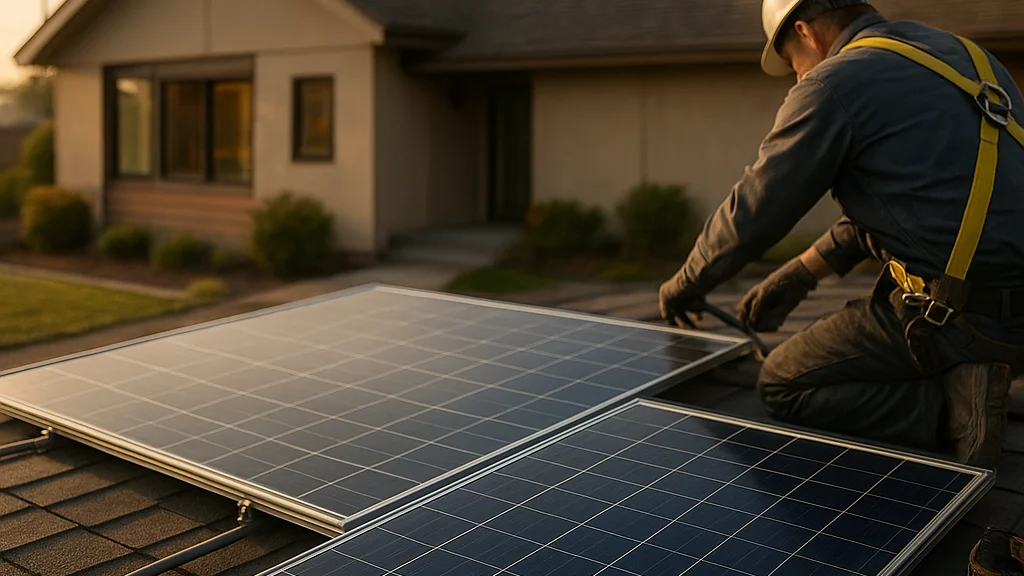
- Assess Roof Condition: Repair or reinforce your roof if necessary to support solar panels.
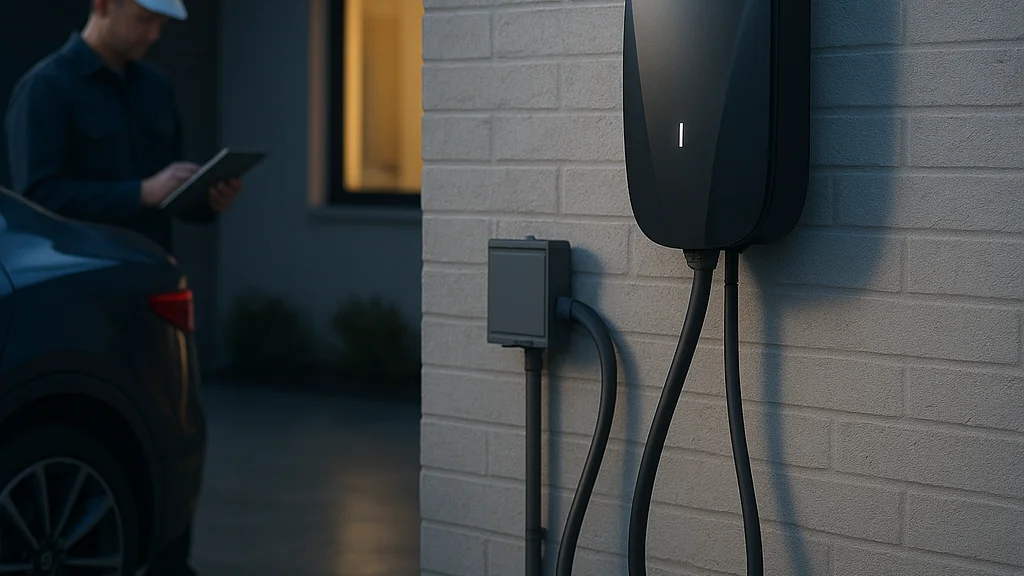
- Consider Future Needs: Plan for potential home expansions or electric vehicle charging requirements.
- Understand Financing Options: Compare upfront purchase, loans, leases, and PPAs to find the best fit.
By methodically addressing these areas, homeowners can avoid costly delays or suboptimal system performance.
Case Study: A Nordic Home’s Journey to Solar Independence
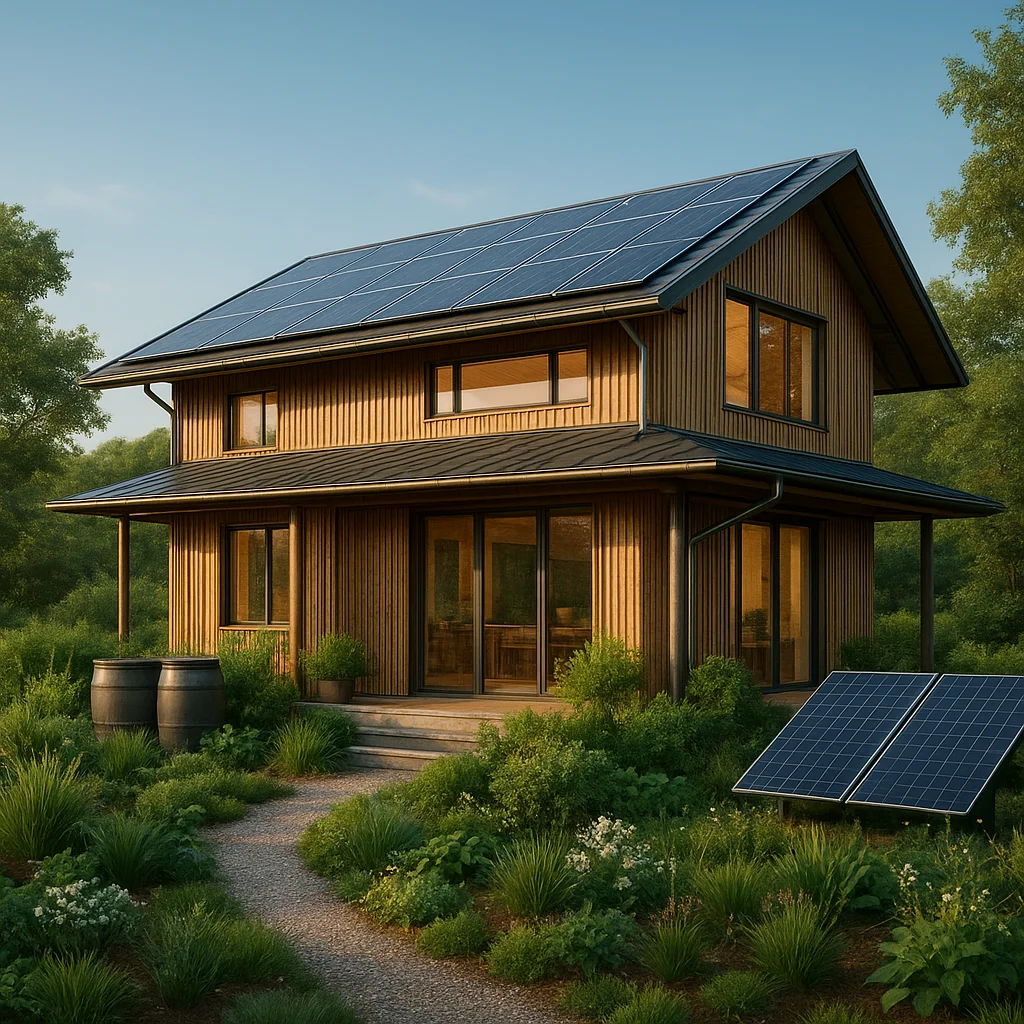
In a suburb outside Stockholm, a family recently transitioned their 120-square-meter home to solar power, embodying the principles of lagom living. Their system consists of a 6 kW monocrystalline array paired with a 12 kWh lithium-ion battery. Over 18 months, they reduced grid dependency by over 70%, achieving significant savings and carbon footprint reduction.
Their installer emphasized tailored shading analysis and smart inverter technology to maximize output despite northern latitude challenges. Additionally, the family integrated a home energy management system, aligning appliance use with peak solar generation.
This example highlights the feasibility and benefits of solar even in less-than-ideal climates, provided careful planning and expert guidance are involved.
“Solar energy is not just for sunny places; it’s about harnessing what’s available thoughtfully,” the installer remarked.
For readers keen on detailed project insights and cost breakdowns, the article Your Guide to Buying Residential Solar Panel Installation offers an excellent resource.
In conclusion, solar panel installation represents a profound intersection of technology, economics, and environmental responsibility. With informed decisions and careful planning, homeowners can transform their energy futures, contributing to a cleaner, more sustainable planet. As we embrace solar power, we join a global movement toward resilience and harmony with the natural world—truly a step toward lagom living, where energy is balanced thoughtfully and wisely.































Sign in to leave a comment.