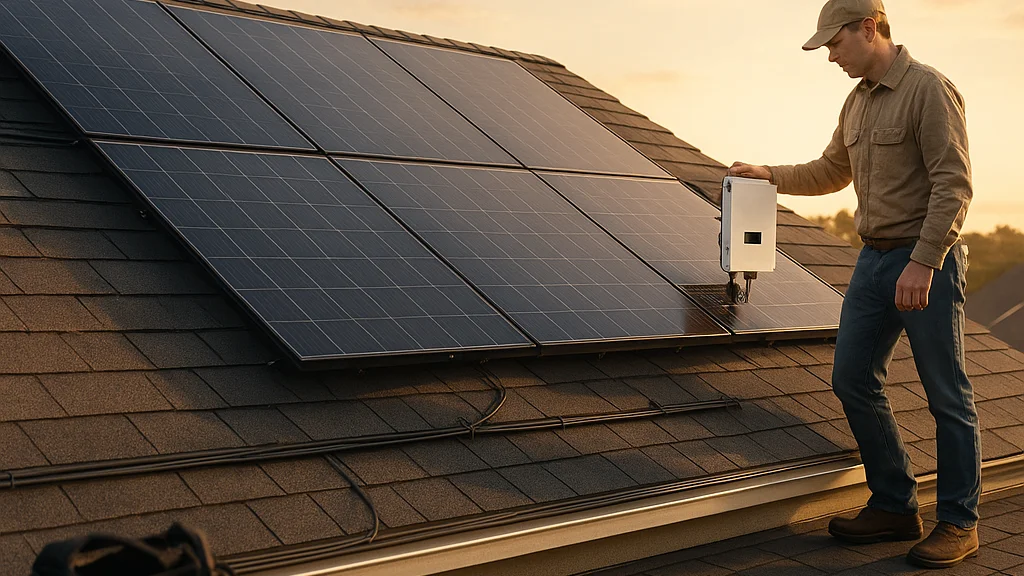

On a bright spring morning in Copenhagen, the roofs tell their own quiet story... bicycle bells below, clean lines above, and more homes wearing dark photovoltaic panels like a deliberate piece of Scandinavian design rather than an engineering afterthought. That shift matters. Residential solar is no longer a fringe purchase for off-grid idealists or early adopters with deep pockets. It has become a mainstream home upgrade shaped by falling equipment costs, smarter inverters, better battery options, and a much more informed buyer. Yet the decision still intimidates people. How many panels do you need? Will your roof even work? What happens during winter, during a blackout, or when incentives change?
If you are searching for a practical solar panel installation home guide, the first thing to understand is this: the right system is not the biggest system, and it is not always the cheapest quote either. It is the one that matches your home’s load profile, roof geometry, local rules, financing plan, and long-term goals. According to the International Energy Agency, solar PV has become one of the world’s fastest-growing electricity technologies, and that global scale has filtered down to homeowners in very concrete ways... more installer choice, more module types, and more pressure to compare technical details rather than marketing slogans.
Recent consumer explainers from Forbes and BGR both stress a point that seasoned installers repeat constantly: before anyone talks panel brands, homeowners should understand their own electricity use, roof condition, and utility arrangement. That is the foundation. If you want a broader primer before getting into the weeds, WriteUpCafe’s Beginner’s Guide to Solar Panel Installation at Home is a useful companion. Here, though, I want to go further... into sizing, economics, permitting, batteries, incentives, and the 2026 changes that could affect your timeline.
Key principle: Solar works best when it is designed around your household’s real consumption, not around an installer’s sales target.
Start with your home, not the panels
Every serious solar project begins with an energy audit of sorts, even if it is informal. Pull at least 12 months of electricity bills. Twenty-four months is even better if your climate swings sharply between seasons. You are looking for total annual kilowatt-hours, monthly peaks, and clues about when you use power. A household that runs heat pumps, induction cooking, and EV charging has a very different demand curve from a flat that uses little more than lighting and appliances. That sounds obvious, but many disappointing installations start with a rough guess instead of hard usage data.
Roof suitability comes next. Orientation matters, but it is not a simple south-facing-or-nothing equation. In many regions, east-west arrays can still perform well, especially when they spread production across morning and afternoon hours and make better use of available roof planes. Tilt, shading, chimney placement, dormers, and nearby trees all affect output. Even small periods of shade can drag performance if string design is poor. That is why module-level power electronics, such as optimizers or microinverters, are often discussed for more complex roofs.
Then comes the less glamorous question... is your roof ready for 25 years of service? If a roof replacement is likely within the next decade, many installers will advise completing that work first. Removing and reinstalling solar later adds cost and disruption. Forbes highlighted the importance of checking structural condition and remaining roof life before signing any contract, and that advice is sound. Solar can outlast roofing materials, so sequencing matters.
There is also the human side of the calculation. Are you planning to stay in the home for ten years or more? Are you expecting higher electricity use because of a future EV, battery, or electric heating upgrade? Those answers shape system size. If you want another baseline explainer, the related WriteUpCafe piece Solar Panel Installation Home Guide: Everything You Need to Know frames the homeowner journey well. But the crucial point is simple: your house is a system, and solar must fit it.
- Collect 12–24 months of utility bills before requesting quotes.
- Inspect roof age and condition before approving panel layout.
- Map shading by season, not just at one time of day.
- Estimate future demand from EVs, heat pumps, or family changes.
- Check local utility rules on interconnection and export credits.
How system sizing really works
Homeowners often ask one deceptively simple question: what size solar panel system do I need? The answer depends on annual electricity consumption, local solar irradiance, roof space, panel wattage, and system losses. A 6 kilowatt system in southern Spain will not behave like a 6 kilowatt system in Denmark, Scotland, or Minnesota. According to guidance from The Independent, selecting the right size means balancing household demand with available roof area and expected generation rather than chasing a round number.
Modern residential panels commonly fall in the roughly 400 to 500 watt range, though exact offerings vary by manufacturer and market. Higher-wattage panels can reduce the number of modules needed, which helps on compact roofs. But wattage alone does not tell the whole story. Efficiency, temperature coefficient, degradation rate, warranty terms, and dimensions all matter. A slightly lower-watt panel with better performance in heat or lower annual degradation may be the stronger long-term choice.
Installers typically estimate production using software that incorporates local weather data, azimuth, tilt, and shading. Ask for the assumptions. Ask for annual production in kilowatt-hours, not just system size in kilowatts. Ask whether the quote includes expected degradation over time. Reputable firms should also explain inverter sizing, because arrays are often paired with inverters whose AC capacity is lower than the DC panel total. That “DC/AC ratio” is normal and can improve economics, but it should be intentional, not hidden.
There is another subtle point many buyers miss... self-consumption versus export. If your utility pays generously for excess electricity, oversizing can make sense. If export compensation is weak, a right-sized system paired with load shifting or a battery may deliver better value. This is where solar stops being a hardware purchase and becomes an energy strategy.
Ask every installer for the same three numbers: annual production estimate, payback assumptions, and export compensation assumptions. If those differ wildly, the quotes are not truly comparable.
- Annual usage: start with your household’s total yearly kWh.
- Local sun resource: compare expected production per installed kW in your region.
- Roof constraints: usable area may limit system size before budget does.
- Utility policy: net metering, net billing, or feed-in tariffs change the economics.
- Future electrification: leave room for EV charging or heat pump adoption.
Equipment choices: panels, inverters, batteries, and backup
The hardware stack has become more sophisticated, and that is good news for homeowners willing to ask detailed questions. Panels are only one piece. Inverters convert DC electricity from panels into AC electricity your home can use. The three broad residential approaches are string inverters, string inverters with optimizers, and microinverters. String systems can be cost-effective on simple, unshaded roofs. Optimizers and microinverters usually cost more but can improve performance monitoring and reduce the impact of shading or mismatch between modules.
Batteries are where many 2026 conversations become more nuanced. A battery does not automatically make a solar system profitable, and it does not automatically provide whole-home backup. Capacity is measured in kilowatt-hours, while power output is measured in kilowatts. A battery may store enough energy to run lights, refrigeration, and internet for hours, yet still struggle with large loads like central air conditioning, resistance heating, or some EV chargers unless the system is designed for them. That distinction is often misunderstood in marketing.
SlashGear recently examined whether solar panels can replace a home generator, and the answer was appropriately conditional. Solar plus storage can provide excellent resilience, but only if you size the battery, transfer equipment, and critical-load panel correctly. During prolonged bad weather, generation may not fully replenish storage. For some households, especially in outage-prone areas, a hybrid setup or carefully managed critical-load strategy is more realistic than expecting seamless whole-home autonomy.
Homeowners should also scrutinize warranties. Panel product warranties and performance warranties are not the same. Inverter warranties may be shorter than panel warranties. Battery throughput limits can matter. Installation workmanship warranties vary widely. Ask who handles service if the installer goes out of business. Ask whether monitoring is included and who receives alerts when a component underperforms. Elegant technology should feel as dependable as a well-made Danish lamp... quiet, durable, and easy to live with.
- Panels: compare efficiency, dimensions, degradation, and product warranty.
- Inverters: choose based on shading, roof complexity, and serviceability.
- Batteries: evaluate usable capacity, power output, cycle life, and backup design.
- Monitoring: insist on system-level visibility and fault reporting.
- Workmanship: confirm roof penetrations, flashing methods, and labor warranty terms.
The money question: costs, incentives, and contract traps
Solar economics have improved dramatically over the past decade, but the right financial decision still depends on where you live and how you pay. Cash purchases usually deliver the strongest long-term return because they avoid finance charges and preserve the full value of bill savings. Loans spread the cost, which can make adoption easier, but interest rates and dealer fees can significantly change the real price. Leases and power purchase agreements may reduce upfront spending, yet they also shift ownership benefits and can complicate home sales.
One of the biggest recent developments has been policy uncertainty around incentives. pv magazine International reported on what homeowners need to know as US solar panel tax credits end, underscoring a reality that applies beyond the United States as well: incentive structures change, sometimes faster than consumers expect. If your project depends on a rebate, tax credit, or favorable export rate, verify eligibility windows before signing. Do not rely on a salesperson’s verbal summary alone. Confirm with official program documents or your tax adviser.
Payback calculations deserve special skepticism. A quote that assumes electricity prices will soar every year may look dazzling on paper. Another that ignores panel degradation or maintenance will understate costs. Ask whether the model assumes all solar generation offsets retail electricity, or whether some exports are credited at a lower rate. In net billing markets, that distinction can materially change returns. Also ask whether financing costs are included in the payback figure. Too often, they are not.
Read the contract line by line. Are there escalation clauses? Is the estimated installation timeline guaranteed? What happens if permitting drags on? Are there cancellation penalties? If roof repairs are needed after the site survey, who pays? The best solar purchase feels transparent. If the numbers are hard to follow, pause. Compare at least three quotes. And if you want to see how editorial treatments of this topic differ, WriteUpCafe’s What You Need to Know About Solar Panel Installation: A Home Guide offers another useful angle on homeowner due diligence.
Installation day is only one phase of the project
People often imagine solar installation as a one- or two-day roof job. In reality, the visible installation is just the middle chapter. Before that comes consultation, remote design, site survey, engineering review, permitting, utility interconnection paperwork, and procurement. After the panels go up, there is usually inspection and utility approval before the system can be switched on. That timeline can range from a few weeks to several months depending on jurisdiction, installer backlog, and utility responsiveness.
The site survey is especially important. This is when an experienced technician verifies roof measurements, electrical panel capacity, structural issues, attic access, and any surprises hidden from satellite imagery. Some homes need a main panel upgrade. Others need structural reinforcement. Older properties may require more electrical work than homeowners expect. None of that means the project is doomed; it simply means the cheapest initial quote may not remain the cheapest once real conditions are known.
During installation itself, roof attachment quality matters enormously. Flashing details, rail alignment, cable management, weather sealing, and compliance with local fire setbacks all deserve attention. A neat array is not just aesthetic. It usually signals a disciplined crew. Ask whether the company uses its own installers or subcontractors, and who is responsible for warranty claims if something leaks or underperforms later.
Commissioning should include documentation. You should receive panel and inverter model numbers, serials, a final layout, shutdown instructions, warranty information, and monitoring access. If a battery is included, ask for a clear explanation of backup circuits and what will or will not operate during an outage. This is where disappointment can creep in: some homeowners assume “battery backup” means the whole house behaves normally. Often, only selected loads are supported. Precision now prevents frustration later.
A solar project is not complete when the panels are bolted down. It is complete when the system is inspected, interconnected, documented, and producing as promised.
What has changed recently, and what matters in 2026
The residential solar market in 2026 is more mature, but it is also more uneven. Module supply has remained globally abundant in many channels, which has helped keep hardware competitive, yet soft costs such as labor, permitting, financing, and grid interconnection continue to shape the final price homeowners pay. In some markets, utility export compensation has become less generous than it was a few years ago, pushing more buyers to consider batteries or smarter energy management rather than simple maximum-roof-fill arrays.
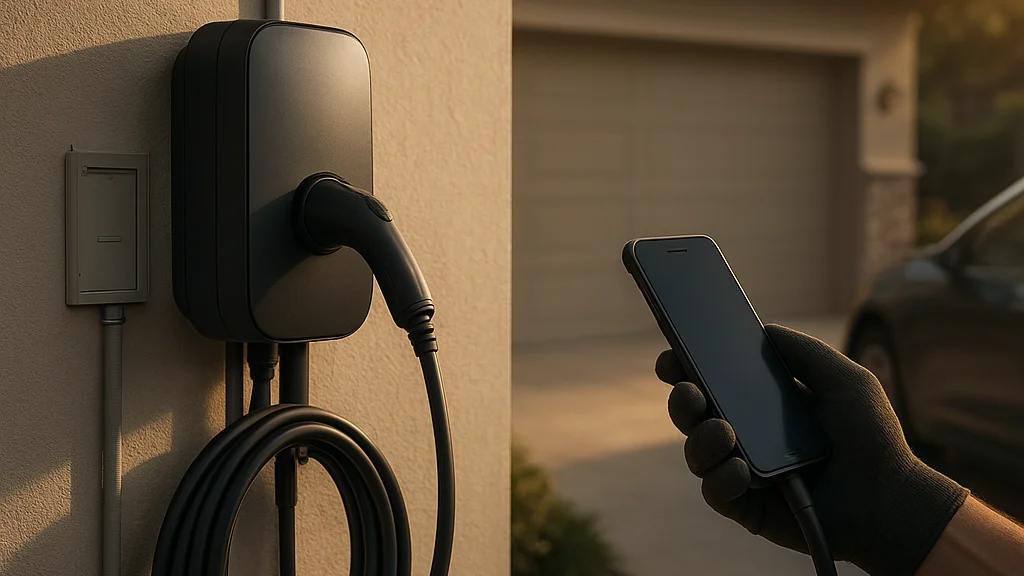
Battery interest has clearly risen. That is partly about resilience after storms and grid instability, and partly about economics where time-of-use rates reward evening self-consumption. Smart home integration is also improving. More systems can now coordinate EV charging, heat pump operation, water heating, and battery dispatch to maximize self-use. For a household pursuing a low-carbon lifestyle, that orchestration is powerful. Solar is no longer just rooftop generation; it is increasingly the center of a flexible home energy ecosystem.
At the same time, consumer caution has grown after reports of aggressive sales tactics in some regions. BGR emphasized the importance of understanding roof suitability and total costs before committing, while Forbes pointed readers toward technology basics and realistic expectations. That caution is healthy. A mature market should reward informed buyers, not pressure them into same-day signatures.
Policy remains the wildcard. As pv magazine International noted, changes to tax credits can alter project economics quickly. Elsewhere, grid connection rules, building codes, and local permitting reforms continue to evolve. Some jurisdictions are streamlining approvals; others remain stubbornly slow. If you are planning installation in 2026, timing matters more than many homeowners realize. A quote is not a guarantee of final economics if incentive deadlines or utility tariffs shift before interconnection.
For those comparing options this year, a curated roundup like WriteUpCafe’s Top 8 Solar Panel Installation Home Guide for 2026 can help surface current themes. But your decision should still rest on local facts: your roof, your tariff, your installer, your future electricity use.
How to choose an installer without regretting it later
If there is one place where homeowners can meaningfully reduce risk, it is installer selection. Brand-name hardware helps, certainly, but a superb panel installed badly will not rescue your investment. Start by checking how long the company has operated under its current name, whether it handles design and installation in-house, and whether it has local references for projects similar to yours. Experience with tiled roofs, flat roofs, heritage homes, or battery-integrated systems can vary more than sales brochures suggest.
Ask for a detailed proposal, not a glossy estimate. It should specify panel quantity, panel model, inverter type, estimated annual production, assumptions about shading, mounting method, warranty breakdown, monitoring platform, and projected timeline. If one quote is dramatically cheaper, identify why. Is the installer using fewer panels, a different inverter architecture, a shorter workmanship warranty, or more optimistic production assumptions? Cheap can become expensive very quickly when service calls begin.
Communication quality is another revealing signal. Do they answer technical questions directly? Do they explain trade-offs between string inverters and microinverters? Can they discuss battery round-trip efficiency, critical loads, and export limitations without slipping into vague promises? A trustworthy installer is comfortable saying, “That depends,” and then showing you the variables. Sales teams that promise near-zero bills regardless of roof shape or tariff structure should make you uneasy.
Finally, think beyond installation. Who monitors performance? How fast are service response times? Is there a local office? Can they help if you later add an EV charger, battery, or extra panels? The best installer relationship resembles good urban planning... thoughtful, durable, and designed for how people actually live. Solar should fit naturally into the rhythms of the home, not become another source of administrative friction.
A practical homeowner checklist before you sign
By now, the picture is clear: installing solar is neither mysterious nor effortless. It is a technical home improvement with long-term financial consequences, and that is exactly why careful preparation pays off. The good news is that most of the complexity can be managed with a disciplined checklist. You do not need to become an electrical engineer, but you do need to become a sharp client.
Begin with your bills and your roof. Move to quotes and assumptions. Verify incentives. Read contracts. Confirm who is responsible for every stage from design to interconnection. If you are considering storage, define what you want backup to do in plain language. Keep the refrigerator cold? Power the whole house? Support an EV charger overnight? Those are very different design briefs. The more precise you are, the better the system will fit your life.
There is also a quiet emotional benefit to getting this right. A well-designed solar system changes how a household thinks about energy. You notice consumption patterns. You shift loads thoughtfully. You may pair solar with insulation, a heat pump, or an EV. One sensible upgrade leads to another... not from guilt, but from clarity. That is the most appealing part for me. Sustainable living feels less like sacrifice and more like intelligent design.
- Gather 12–24 months of electricity data.
- Assess roof age, structure, shading, and usable area.
- Request at least three itemized quotes using comparable assumptions.
- Review annual production estimates in kWh, not just system size in kW.
- Verify incentives, export compensation, and interconnection rules.
- Compare ownership models: cash, loan, lease, or PPA.
- Clarify battery goals: savings, resilience, or both.
- Read warranty terms for panels, inverters, batteries, and workmanship.
- Confirm timeline, permitting responsibilities, and final documentation.
- Choose the installer who is clearest and most accountable, not merely the cheapest.
The smartest solar panel installation home guide, then, is not a shopping list of trendy products. It is a method. Understand your home. Understand your tariff. Understand your installer. Do that, and solar can become one of the most rational, beautiful, and quietly transformative upgrades you ever make.































Sign in to leave a comment.