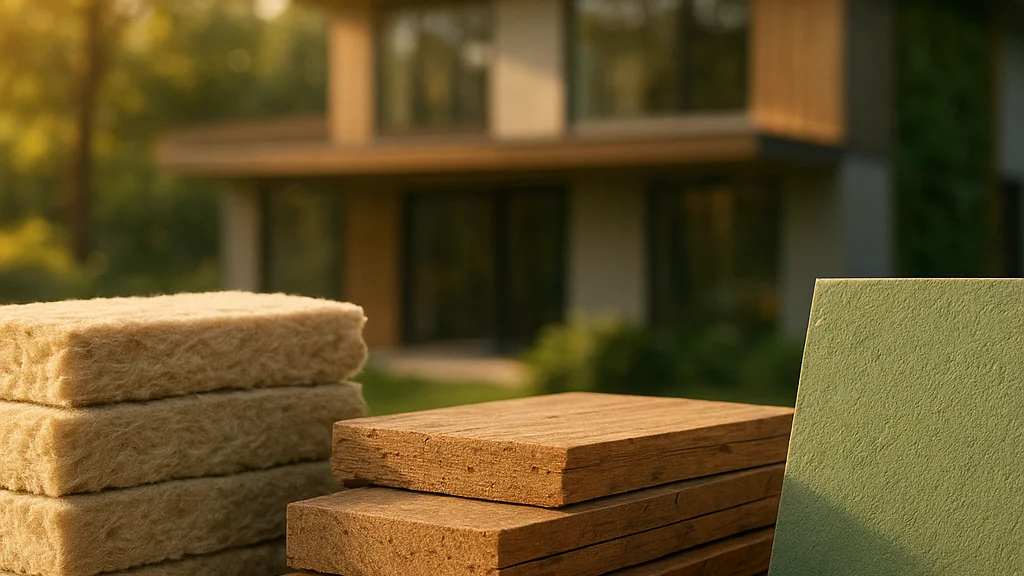

On a cold Copenhagen morning, you can feel the difference between a home that merely looks sustainable and one that truly performs. The air stays steady without that dry, overheated edge. Daylight travels deeper into the room. Timber surfaces soften acoustics. Windows are placed not only for beauty, but for winter sun and summer shading. That sensory experience matters because buildings are not a side issue in climate strategy; they are central to it. According to the United Nations Environment Programme, the building and construction sector remains one of the world’s largest sources of energy-related emissions when operational energy and materials are counted together. So when we talk about green building materials and eco-friendly homes, we are really asking a bigger question... how do we build shelter that is healthier, lower-carbon, durable, and financially sensible at the same time?
The answer is no longer confined to niche eco-villages or Scandinavian design fairs. It is moving into mainstream housing, multifamily developments, retrofits, and factory-built systems. Analysts are now measuring the shift in hard market terms. A PR Newswire release citing MarkNtel Advisors said the green building materials market could reach USD 563.5 billion by 2032. Meanwhile, a separate Yahoo Finance report on an FMI study projected the market could climb to USD 962 billion by 2033. Different methodologies, yes, but the direction is unmistakable.
For homeowners, architects, and city planners, the real challenge is selection. Which materials genuinely reduce embodied carbon? Which improve indoor air quality? Which survive moisture, fire, and decades of use? And which are simply wrapped in green marketing? Recent WriteUpCafe coverage, including Inside Green Building Materials and Eco-Friendly Homes, has explored that tension between promise and proof. Here, I want to go deeper... into what works, what is changing in 2026, and what an eco-friendly home should look like when performance comes first.
Why material choice now matters as much as energy efficiency
For years, the conversation around sustainable housing focused mainly on operational energy: insulation, efficient boilers, better glazing, rooftop solar. Those still matter enormously. Yet as many new homes become more efficient in use, the climate impact locked into the materials themselves has become harder to ignore. Cement, steel, aluminum, petrochemical insulation, and long-distance transport all carry embodied carbon before a resident even hangs a coat by the door.
This shift in attention is one of the most important changes in green construction. A super-efficient house is not automatically a low-carbon house if it relies on high-emission materials. That is why design teams increasingly conduct life-cycle assessments, comparing not just thermal performance but extraction, manufacturing, transport, maintenance, and end-of-life recovery. In practical terms, a wall assembly is no longer judged only by U-value. It is judged by carbon intensity, toxicity, repairability, and longevity as well.
Consider the materials now drawing serious attention across Europe and beyond:
- Mass timber, including cross-laminated timber and glulam, for structural systems that can store carbon and reduce reliance on concrete in some applications.
- Cellulose, wood fiber, cork, and hemp-based insulation, which can lower embodied emissions while improving moisture behavior.
- Low-carbon concrete mixes using supplementary cementitious materials or alternative binders to reduce clinker content.
- Recycled steel and aluminum, where high recycled content can materially reduce environmental burdens compared with virgin production.
- Natural finishes such as lime plasters and low-VOC paints that support healthier indoor air.
The point is not that one material wins everywhere. Climate, building type, regulation, local supply chains, and labor skills all shape the best answer. But the hierarchy has changed. Home performance now sits at the intersection of energy, carbon, health, and circularity.
A genuinely eco-friendly home is not defined by one hero product. It is the result of dozens of coordinated decisions, each reducing harm while preserving comfort and resilience.
That is why simplistic checklists can mislead. Bamboo flooring shipped halfway around the world may not beat a local certified timber floor. Triple glazing in a mild climate may offer smaller carbon returns than air-sealing and shading. The smartest homes begin with context... and then choose materials accordingly.
The materials leading the transition from “less bad” to regenerative
Some of the most promising green building materials are familiar, just used better. Others are newer, supported by better testing, digital design tools, and stricter product disclosure. Timber is the obvious starting point. Responsibly sourced wood has become a flagship material because it can replace more carbon-intensive structural elements in certain low-rise and mid-rise projects. A recent DW report on eco-friendly homes built from wooden building blocks highlighted how prefabricated timber systems can speed construction while lowering waste. The caveat, of course, is forestry. Timber is only climate-positive when linked to credible forest management, biodiversity protection, and sensible end uses.
Then there is hemp-lime, often called hempcrete, which is not a structural substitute for concrete but a bio-based infill material prized for breathability, insulation, and moisture buffering. In damp or variable climates, that hygrothermal behavior can be a quiet superpower. Cork, another favorite in European sustainable design, offers renewable insulation and acoustic benefits with relatively low processing intensity. Cellulose insulation, often made from recycled paper, remains one of the most practical retrofit choices because it can be blown into cavities efficiently and with comparatively low embodied carbon.
Concrete is more complicated. It is easy to condemn, but difficult to replace entirely. Foundations, infrastructure, and certain structural conditions still rely on it. The greener path has therefore become reduction and reformulation: using less concrete through efficient design, replacing a share of cement with lower-carbon materials, and improving durability so structures last longer. Steel follows a similar logic. Reuse, recycled content, and design for disassembly now matter as much as raw strength.
A useful way to compare options is to ask four questions before specifying any product:
- What is its embodied carbon, and is there an environmental product declaration?
- Does it emit harmful chemicals indoors, especially VOCs or formaldehyde?
- Can it handle moisture, maintenance, and expected wear in this climate?
- At end of life, can it be reused, recycled, composted, or safely separated?
That framework cuts through greenwashing rather elegantly. A material can be recycled yet unhealthy indoors. It can be natural yet short-lived in the wrong application. It can be low-carbon in manufacture yet impossible to repair. Eco-friendly homes demand systems thinking, not wishful thinking.
Readers wanting a broader overview of emerging options may also find useful context in Exploring Green Building Materials and the Rise of Eco-Friendly Homes, which tracks how these choices are moving from specialist practice into wider residential design.
What an eco-friendly home really includes beyond the walls
Materials matter, but an eco-friendly home is a whole-building proposition. A beautiful timber frame wrapped in poor detailing or weak ventilation can still underperform. This is where sustainable design becomes delightfully practical. Orientation, window placement, shading, airtightness, heat recovery ventilation, efficient appliances, and water strategy all work together. The best homes feel calm because every system has been tuned to reduce waste before adding hardware.
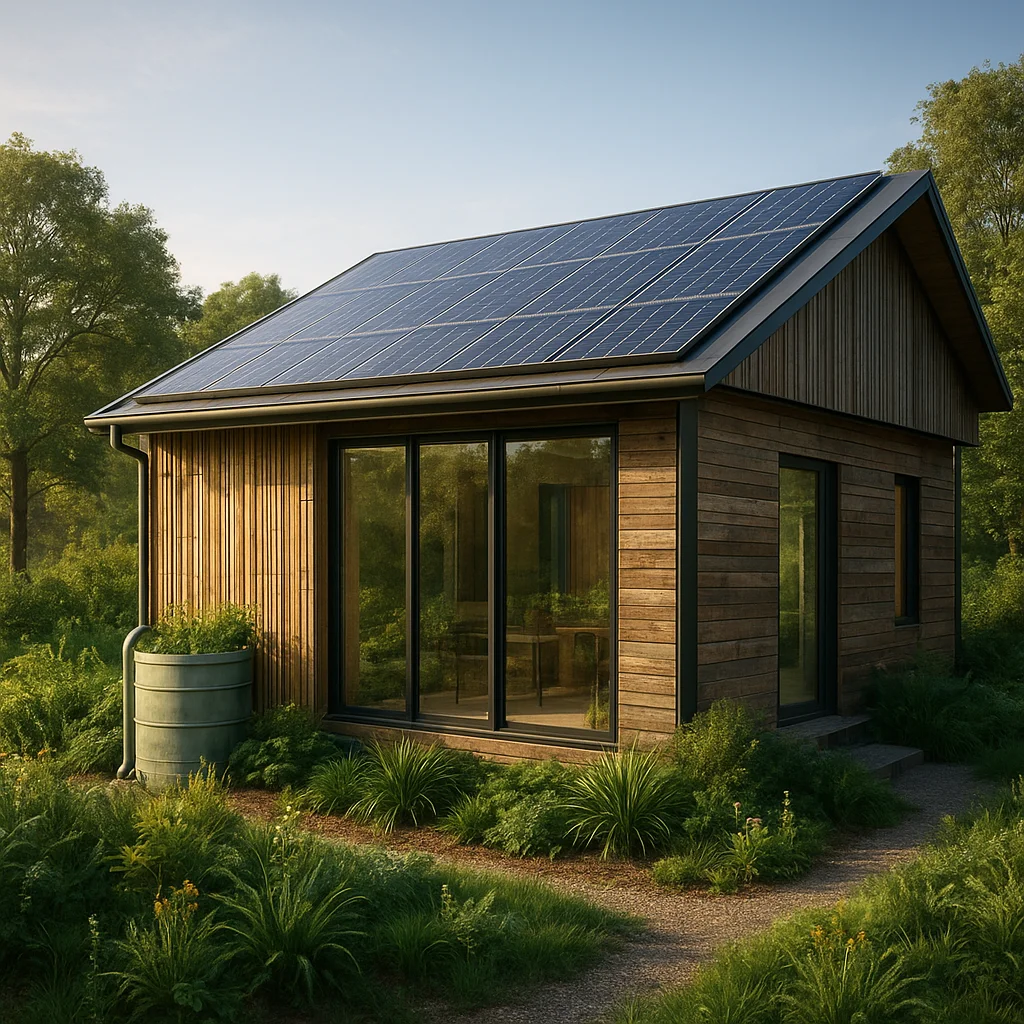
A useful consumer-facing summary appeared in Moneycontrol’s piece on eco-friendly homes, which emphasized natural light, renewable energy, and efficient fixtures. Those features sound basic, but they remain foundational. Daylighting reduces electricity demand and improves wellbeing. Cross-ventilation can reduce cooling needs. Heat pumps, induction cooking, and solar PV can move homes away from direct combustion. Rainwater harvesting and low-flow fixtures cut water pressure on municipal systems. None of this is glamorous in the social media sense. It is simply effective.
Indoor air quality deserves special attention. Many conventional homes trap pollutants from paints, adhesives, composite wood, cleaning products, and inadequate ventilation. Green homes increasingly prioritize low-emission materials, balanced mechanical ventilation, and careful moisture management to prevent mold. That makes sustainability a health issue, not only a carbon issue. Families notice it in fewer headaches, steadier temperatures, lower noise, and less condensation on winter mornings.
Designers now tend to group high-performing eco-homes around a handful of principles:
- Reduce demand first through insulation, airtightness, shading, and passive solar design.
- Electrify efficiently with heat pumps, smart controls, and induction systems.
- Choose low-impact materials with transparent sourcing and low toxicity.
- Design for durability and repair so components can be maintained, not discarded.
- Plan for resilience against heatwaves, heavy rain, wildfire exposure, or grid stress depending on location.
That last point has grown more urgent. Climate adaptation is now inseparable from sustainable housing. In northern Europe, overheating in summer has become a more serious design concern. In other regions, flood resilience, fire-resistant detailing, or drought-tolerant landscaping may be the decisive feature. A green home that cannot handle tomorrow’s weather is not especially green at all.
The most future-proof home is usually the one that needs the least energy, wastes the fewest materials, and remains comfortable when the weather turns unfriendly.
Current developments in 2026: regulation, finance, and better data
So what has changed recently? Quite a lot. By 2026, one of the biggest shifts is the normalization of embodied-carbon accounting in policy and procurement discussions. Public authorities, institutional investors, and large developers are asking tougher questions about material emissions, product transparency, and circular design. In Europe, the recast Energy Performance of Buildings Directive has sharpened attention on zero-emission buildings and lifecycle thinking, while national building codes continue to evolve at different speeds. The direction is clear even where implementation remains uneven: whole-life performance is becoming the benchmark.
Manufacturers are responding with more environmental product declarations, lower-carbon product lines, and digital tools that let architects compare assemblies earlier in the design process. This matters because many carbon decisions are made before construction begins. If a team waits until procurement, the biggest levers may already be lost. Software-linked material libraries, carbon calculators, and BIM-integrated assessment tools are making it easier to test alternatives quickly.
Finance is shifting too. Insurers and lenders are increasingly aware that efficient, resilient homes may carry lower long-term risk profiles, especially where heat, moisture, or flooding threaten conventional stock. Green mortgages and sustainability-linked financing remain uneven across markets, but the concept is maturing. Homebuyers are also becoming more literate. They ask about airtightness tests, ventilation systems, embodied carbon, and whether the timber is certified. Five years ago, those questions were mostly confined to specialists.
Market forecasts underline the momentum. The MarkNtel Advisors projection reported via PR Newswire and the FMI projection reported by Yahoo Finance differ in scale, but both point to sustained growth in green building materials through the next decade. Meanwhile, trade publications and guides such as London Loves Business’s overview of eco-friendly construction materials reflect a broader commercial reality: sustainable specification is no longer a fringe design preference. It is becoming a procurement expectation.
Still, 2026 is not a victory lap. Supply constraints persist for some bio-based materials. Skilled labor remains a bottleneck in airtight construction and advanced retrofit work. And product claims still vary in quality. Better data helps, but only if buyers know how to read it.
The economics: where green homes cost more, save more, or both
Ask homeowners what stops them from building or retrofitting sustainably, and the answer is often immediate: cost. Fair enough. Some green materials do carry a premium upfront, especially in markets where conventional products still dominate supply chains. Yet the economics are more nuanced than the sticker price of insulation boards or timber panels. A well-designed eco-home can reduce operating bills, maintenance needs, and health-related discomfort over decades. The right question is not “Is it cheaper on day one?” but “What does it cost over the life of the building?”
There are several places where the numbers often improve faster than expected. Airtightness and insulation reduce heating and cooling demand year after year. Heat pumps can cut energy consumption compared with older resistance or combustion-based systems, depending on climate and tariffs. Quality windows and shading reduce overheating and increase comfort, which can lower the need for active cooling. Durable cladding and moisture-smart assemblies can prevent expensive failures hidden behind walls. Even simple material choices, such as low-VOC finishes and robust flooring, can lower replacement cycles.
Cost comparisons become especially compelling in prefabrication. Factory-built timber components, modular wall systems, and precision-cut assemblies can reduce on-site waste, shorten schedules, and improve quality control. That does not guarantee lower total cost, but it can reduce error, labor volatility, and weather delays. In regions with housing shortages, speed itself has value.
Homeowners evaluating options should separate costs into three buckets:
- Capital cost: materials, labor, design, certification, and equipment.
- Operating cost: energy, water, maintenance, and repair.
- Risk cost: overheating, moisture damage, insurance exposure, and premature replacement.
Once risk enters the equation, green choices often look more rational. A cheaper assembly that traps moisture or overheats badly can become very expensive. A slightly pricier natural insulation system with better moisture tolerance may pay back in avoided trouble, not only utility savings.
That said, honesty matters. Not every eco-upgrade pays back quickly. Some are values-driven decisions tied to health, carbon reduction, or aesthetics. Scandinavian homeowners understand this instinctively... we often invest in quality because we expect to live with it for years. Sustainability works best when that long view shapes the budget from the start.
Case studies and practical pathways for homeowners
Large commercial projects often dominate headlines, but the most interesting lessons frequently come from ordinary homes. A deep retrofit of a 1970s detached house, for example, can cut energy demand more dramatically than a flashy new build if the work tackles the full envelope: roof, walls, windows, airtightness, and ventilation. Add a heat pump and rooftop solar where suitable, and the home may shift from energy-hungry to quietly efficient. In dense cities, apartment retrofits with external insulation, window replacement, and centralized ventilation can deliver outsized gains because they improve many homes at once.
New-build eco-homes, meanwhile, have the advantage of integration. Designers can orient rooms for daylight, minimize thermal bridges, specify low-carbon materials from the outset, and plan compact mechanical systems. Timber-frame construction paired with cellulose or wood-fiber insulation is increasingly common in parts of Europe. Elsewhere, hybrid systems combine low-carbon concrete foundations with bio-based upper structures and recycled-content finishes. The best projects avoid material purism. They use each product where it performs best.
For homeowners, the pathway usually depends on whether they are building new or upgrading existing stock:
- If building new, prioritize compact form, passive design, low-carbon structure, high-performance envelope, and all-electric systems.
- If renovating, begin with an energy audit, then tackle air leaks, insulation, moisture risks, and ventilation before cosmetic upgrades.
- If budget is tight, phase the work so future improvements remain possible rather than blocked by poor sequencing.
- If choosing materials, ask for certifications, recycled content data, VOC information, and maintenance expectations.
Another practical step is to compare multiple assemblies rather than single products. A wall is not just insulation. It is structure, vapor control, weather protection, finish, and detailing. The same goes for roofs and floors. This systems view is echoed in more recent coverage such as Green Building Materials and Eco-Friendly Homes: Innovations in 2026, which notes how product innovation is increasingly tied to whole-home performance rather than isolated material claims.
What should buyers ask a builder tomorrow morning? Request evidence of previous airtightness results. Ask how thermal bridges are handled. Ask whether the ventilation system is balanced and commissioned. Ask what happens if a membrane is punctured during installation. Ask for lifecycle data where available. Curious questions save money... and they often reveal whether sustainability is embedded in the process or merely decorating the brochure.
What to watch next: circular design, healthier interiors, and climate resilience
The next phase of eco-friendly homes will be defined less by novelty and more by integration. Circular design is moving from theory into specification: reused structural elements, reversible connections, demountable interiors, and material passports that track what a building contains. That may sound technical, but it addresses a very practical problem. Demolition wastes value. If homes are assembled so components can be removed and reused, tomorrow’s renovation becomes less destructive and less expensive.
Health is another frontier. Expect stronger demand for low-toxicity interiors, moisture-safe assemblies, and better filtration as homeowners link environmental performance with personal wellbeing. The green home of the near future is not just net-zero on paper. It is quieter, cleaner, and more comfortable to inhabit. That is a powerful market driver because people feel those benefits every day.
Resilience will likely become even more decisive. Heatwaves are reshaping cooling strategies. Flood-prone areas need elevated systems, water-tolerant materials, and landscaping that slows runoff. Fire-prone regions require careful exterior detailing and defensible space. The elegant home of the future may borrow as much from climate adaptation as from carbon accounting. Good design, after all, is not only about reducing impact. It is about enduring conditions that are becoming less predictable.
Three trends deserve close attention over the next few years:
- Standardized embodied-carbon limits in building codes and procurement frameworks.
- Faster scale-up of bio-based and recycled materials as manufacturing capacity improves.
- More renovation-focused policy, because existing homes represent the largest climate opportunity in many countries.
The takeaway is reassuring. Building greener does not require a futuristic fantasy house. It requires better choices, better sequencing, and better evidence. Start with less demand. Choose materials with transparent impacts. Design for repair, comfort, and climate reality. Then add renewable systems where they make sense.
If that sounds almost modest, perhaps that is the point. The most sustainable homes are often not loud about it. They are simply well made... full of daylight, healthy air, durable materials, and a kind of calm efficiency that feels very close to hygge. And really, what could be more modern than a home that gives more while taking less?





























Sign in to leave a comment.