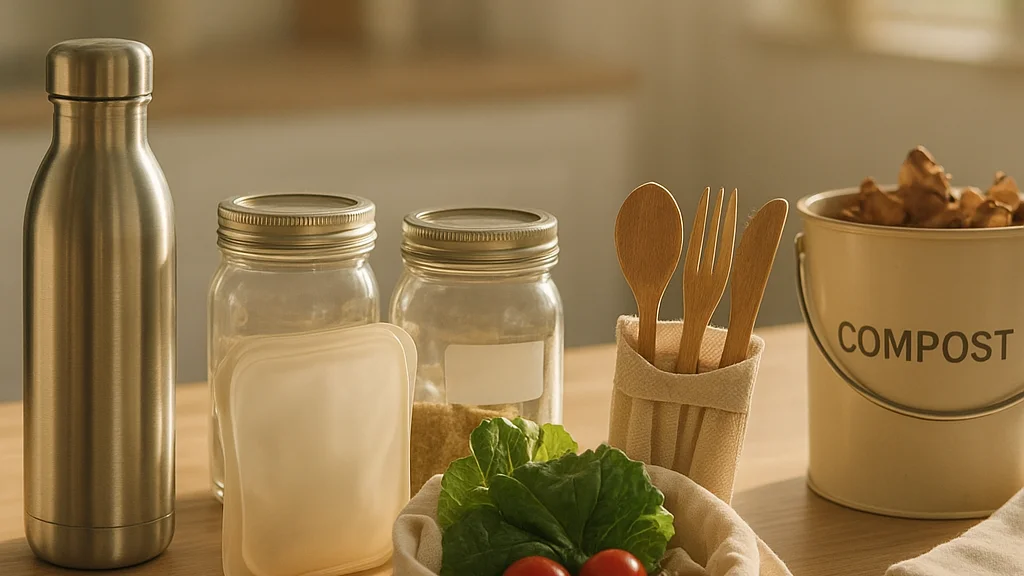

On a damp Copenhagen morning, the kind that makes bicycle baskets glisten and bakery windows look impossibly inviting, the evidence of modern waste is hard to miss. A takeaway coffee lid in the gutter. A parcel sleeve snagged against a bike rack. A half-used toiletry bottle tossed beside a public bin. None of these items looks dramatic on its own... yet multiplied across millions of households, they form a system of extraction, convenience, and disposal that feels anything but cozy. According to the United Nations Environment Programme, the world generated an estimated 400 million tonnes of plastic waste annually in recent years, and much of it is designed to be used for minutes and discarded for decades. That is the unsettling arithmetic behind the zero waste conversation.
For beginners, though, zero waste is often misunderstood. It is not a purity contest, and it certainly is not a demand to fit a year of rubbish into a glass jar. The more useful definition is practical: reduce what you buy, reuse what you can, repair what still has life, compost what nature can reclaim, and recycle only what remains. That hierarchy matters. Recycling sits near the end, not the beginning.
If you are starting out, your goal is not perfection but pressure points. Which habits generate the most waste in your routine? Which swaps save money as well as materials? Which systems can you maintain when work is hectic, children are ill, or winter darkness makes everyone less disciplined? Those are the questions that create durable change. For a concise companion read, Zero Waste Lifestyle Tips for Beginners: Practical Steps to Sustainable Living usefully frames the mindset shift. Here, I want to go deeper... into the economics, the household mechanics, and the 2026 realities shaping what beginners can actually do.
Zero waste begins long before the bin. It starts at the shop shelf, the online checkout, and the habits we repeat without noticing.
Why beginners should start with systems, not products
The first trap in sustainable living is shopping your way into it. Stainless steel straws, matching glass jars, bamboo cutlery sets, beeswax wraps in tasteful Nordic prints... lovely, yes, but not always necessary. The greenest item is usually the one you already own. A washed pasta sauce jar stores lentils just as well as a designer container. A durable cotton tote you have used for years beats a new “eco” bag purchased impulsively at the till. Zero waste works best when it behaves like good Scandinavian design: functional, restrained, and built to last.
Beginners make faster progress when they redesign routines rather than assemble a collection of ethical accessories. Think in terms of friction. If reusable shopping bags live by the front door, they get used. If a water bottle sits beside your keys, you are less likely to buy a disposable one. If leftovers are visible at eye level in the fridge, they become lunch rather than landfill. Behavioural researchers have long shown that convenience drives action more reliably than intention alone. Sustainable habits are no different.
The most effective starting point is a one-week waste audit. Not glamorous, I know... but revealing. Keep a note on your phone and record what you throw away: food scraps, plastic wrap, coffee cups, receipts, shipping materials, bathroom empties. By day seven, patterns emerge. Many households discover that a handful of categories dominate their bin volume, especially food packaging and food waste. Once you know your top offenders, solutions become specific instead of abstract.
- Kitchen waste: food scraps, cling film, takeaway containers, coffee pods
- Bathroom waste: shampoo bottles, cotton rounds, disposable razors, blister packs
- On-the-go waste: coffee cups, snack wrappers, bottled drinks, napkins
- Delivery waste: cardboard, padded envelopes, tape, protective fillers
That systems-first approach is echoed in mainstream advice too. The MSN guide on essential zero waste tips emphasizes easy daily reductions rather than dramatic lifestyle overhauls. That is sensible. If a habit feels too complicated, most people abandon it. If it saves time, money, and clutter, it tends to stick.
The kitchen is the beginner’s biggest opportunity
If one room deserves your attention first, it is the kitchen. Household waste studies across Europe repeatedly show that food and food-related packaging make up a large share of municipal waste streams. Eurostat has also consistently reported that the EU generates more than 50 million tonnes of food waste annually, with households accounting for a major portion. That means the beginner’s biggest win is not a heroic recycling effort. It is preventing waste before it happens.
Start with meal planning, but keep it humane. A rigid seven-day spreadsheet can collapse by Wednesday if work runs late or someone decides they cannot face lentil stew again. Instead, plan three anchor meals, a leftovers night, and a flexible ingredients list. Buy produce with multiple uses: carrots that work in soup, slaw, and roasting trays; oats for porridge, baking, and homemade granola; yoghurt that serves breakfast, sauces, and marinades. This reduces the “aspirational shopping” problem, where good intentions rot quietly in the crisper drawer.
Storage matters more than many people realize. Herbs in water, greens wrapped properly, bread frozen in slices, and transparent containers for leftovers all reduce spoilage. So does understanding date labels. “Best before” usually refers to quality, not safety, while “use by” requires more caution. Confusing the two leads to needless disposal. Food waste is not just a moral issue; it is an emissions issue too, because wasted food embodies land use, water, transport, and packaging.
- Carry a produce bag or reuse old bread bags for loose fruit and vegetables.
- Choose larger formats when you know you will use them, since unit packaging is often lower.
- Prefer refill stores for dry goods if they are genuinely accessible and cost-competitive.
- Batch-cook staples such as beans, rice, or soup to avoid emergency takeaway orders.
- Compost unavoidable scraps if your municipality or building supports it.
Composting deserves a realistic note. It is valuable, but it is not a licence to overbuy. Composting deals with peels, stalks, and coffee grounds elegantly; it does not erase the footprint of uneaten avocados or mouldy salad. For more grounded habit advice, Zero Waste Lifestyle Tips for Beginners That Actually Stick makes the case for routines over ambition, and that is exactly right in the kitchen.
The most sustainable meal is often not the trendiest one. It is the food already in your fridge, cooked before it spoils.
Bathroom swaps: small items, outsized impact
The bathroom bin is deceptive because the products are small. A cotton bud here, a razor cartridge there, a travel-size bottle from a weekend away... none seems important. Yet bathrooms generate a steady stream of packaging and disposables, often made from mixed materials that are difficult to recycle. This is where beginners can make low-stress substitutions with visible results.
Begin with the products you replace most often. Soap bars can cut repeated plastic bottle purchases, especially when they work for hands and body. Safety razors reduce cartridge waste, though they require a learning curve and are not for everyone immediately. Washable cloth rounds replace single-use cotton pads. Menstrual cups or reusable pads can dramatically reduce recurring waste for those who find them comfortable. The point is not to adopt every swap at once. It is to identify the disposable items you buy on autopilot and test one durable alternative at a time.
Packaging reform has improved in some categories by 2026. More personal care brands now offer refill pouches, concentrated tablets, or in-store refill systems. But beginners should read the fine print. A refill pouch may use less plastic than a rigid bottle, yet still be hard to recycle locally. A concentrated cleaning tablet can reduce shipping weight substantially, but only if you keep reusing the spray bottle. The environmental gain comes from repeat use, not novelty.
Another overlooked category is cleaning. Many households still buy separate products for glass, bathroom surfaces, kitchen counters, limescale, and floors. In practice, a small set of concentrated cleaners or simple staples approved for your surfaces can replace a cluttered cupboard of half-used bottles. Fewer products mean fewer containers, fewer impulse purchases, and less expired chemistry under the sink.
- Best first swaps: bar soap, reusable cloths, refillable cleaners, washable rounds
- Good second-stage swaps: safety razor, shampoo bar, refill deodorant, reusable menstrual products
- Proceed thoughtfully: DIY cosmetics, homemade sunscreen alternatives, unverified “natural” cleaning claims
That last point matters. Zero waste should not compromise health or hygiene. Keep evidence and practicality in view. If a refill system is sanitary, affordable, and available nearby, wonderful. If not, buying a recyclable product you will fully use is still progress.
Shopping habits matter more than any reusable gadget
Waste is often decided before an item enters your home. The purchase itself is the pivot. This is why zero waste beginners benefit from learning the difference between visible waste and embedded waste. Visible waste is the wrapper you throw away. Embedded waste includes the resources used to make, transport, market, and eventually dispose of the product. A cheap kitchen tool that breaks in six months may create less immediate packaging than a durable alternative, but more total waste across its short life.
Clothing, electronics, and home goods deserve special caution. Fast replacement cycles are resource-intensive even when donation or recycling is involved. The better question is not “Is this recyclable?” but “Will I use this for years?” That mindset can feel almost radical in a culture of same-day delivery and algorithmic temptation. Yet it is deeply liberating... fewer purchases to track, fewer objects to store, fewer regrets.
For beginners, I recommend a simple purchasing filter:
- Do I already own something that performs this function?
- Can I borrow, rent, or buy it second-hand?
- Is the item durable, repairable, and likely to be used often?
- Does it come with excessive packaging or short-lived accessories?
- If it breaks, can parts be replaced, or is the whole product destined for disposal?
This is especially relevant in 2026, when online retail remains convenient but packaging-heavy. Many major merchants have improved box-sizing and reduced filler, yet delivery still carries material and transport impacts. Consolidating orders, choosing slower shipping when possible, and declining unnecessary freebies can reduce waste without much sacrifice. Some brands now offer reusable packaging pilots, but availability varies widely by region.
There is also a social dimension. Gift culture, office snacks, conference swag, and children’s party favours generate streams of low-value items. A polite “no bag, thank you,” a request for consumable gifts, or a family agreement on second-hand toys can prevent waste before it enters the household. If you want a broader perspective on mindset and consumer pressure, Rethinking Zero Waste Lifestyle Tips for Beginners offers a useful challenge to the performative side of sustainability.
What has changed recently: zero waste in 2026
The zero waste conversation in 2026 is more mature than it was a few years ago. One reason is regulation. Across Europe, single-use plastics rules have already reshaped product design in categories such as cutlery, plates, stirrers, and certain takeaway formats. Extended producer responsibility schemes are also pushing brands to account more directly for packaging waste. In plain language: manufacturers are facing more pressure to think about disposal, not just sales.
Another shift is data transparency. More municipalities now publish clearer guidance on what can actually be recycled, reducing the wish-cycling problem where households toss doubtful items into recycling bins hoping for the best. Digital tools have improved too. Refill maps, food-sharing apps, and second-hand marketplaces are easier to use than they were even in 2023 or 2024. For beginners, this means zero waste is less dependent on insider knowledge. The infrastructure, while still uneven, is more visible.
Food systems are changing as well. Retailers in several markets have expanded “imperfect produce” offers, dynamic markdowns for near-date food, and reusable packaging pilots. Some supermarkets now provide refill stations for detergents or pantry staples, though consistency remains patchy. Meanwhile, compost collection has improved in some cities and apartment complexes, making organic waste diversion more practical for urban residents who do not have gardens.
Still, there are limits. Reusable takeaway systems remain fragmented, and many consumers face a confusing patchwork of deposits, apps, return points, and exceptions. Green claims have multiplied faster than standards. A package can look earthy and minimal while remaining difficult to process in local recycling systems. That is why beginners should focus less on branding language and more on material reality: mono-material packaging, refillability, longevity, and local disposal rules.
One promising cultural change is that zero waste is no longer framed solely as an individual moral burden. Increasingly, it is discussed as a design and policy issue. Why are vegetables overwrapped? Why are repair parts unavailable? Why are durable goods harder to finance than disposable ones? Those questions matter because personal effort is strongest when systems support it.
A realistic beginner roadmap for the first 90 days
The most common mistake is trying to transform everything in a weekend. That usually ends with expensive purchases, decision fatigue, and a drawer full of well-meant “eco” items. A better approach is phased. Give yourself 90 days and a narrow set of targets. Not glamorous, perhaps... but far more effective.
Days 1 to 30: audit and remove obvious single-use habits. Carry a bottle, mug, and tote when practical. Plan meals. Use leftovers intentionally. Stop buying products you already have duplicates of. Finish existing toiletries before replacing them. This stage is about awareness and restraint, not shopping.
Days 31 to 60: make your first durable swaps. Replace paper towels with cloths if that suits your household. Try bar soap or refill cleaner. Set up a donation box for usable items you no longer need, but avoid treating donation as a licence to overconsume. The aim is to stabilize new routines.
Days 61 to 90: tackle one structural category. Perhaps it is packed lunches, bathroom products, online ordering, or food waste. Create a repeatable system: a snack kit by the door, a refill reminder in your calendar, a weekly “eat me first” fridge shelf, or a family shopping list shared on your phone. Systems outlast motivation.
Measure progress with simple indicators:
- How often do you take out the rubbish compared with three months ago?
- How much expired food are you discarding each week?
- Have your repeat purchases of disposables fallen?
- Are you spending less on convenience items and duplicate household goods?
Money matters here. Many zero waste habits save cash over time, especially reduced takeaway spending, lower food waste, and fewer impulse purchases. Some swaps cost more upfront, so prioritize those with clear payback or daily usefulness. A durable lunch container you use five times a week is a better investment than a niche gadget that sits in a cupboard.
Begin where your bin is fullest, not where social media is loudest. The smartest zero waste plan is personal, boring in the best way, and repeatable.
When zero waste feels hard: barriers, trade-offs, and staying honest
Not every beginner has access to bulk shops, compost collection, repair cafés, or spacious kitchens. Parents with newborns, shift workers, disabled people, and renters in small flats face constraints that glossy sustainability content often ignores. A zero waste lifestyle is easier when time, money, transport, and local infrastructure are on your side. So if progress feels uneven, that does not mean you are failing. It means the system around you may still be poorly designed.
Trade-offs are normal. A pre-cut vegetable in recyclable packaging may help a busy household cook instead of ordering takeaway in multiple disposable containers. A concentrated refill bought online might still reduce total packaging compared with repeated store-bought bottles. A second-hand appliance may be the greener choice, unless it is so inefficient or unreliable that it creates larger problems. Sustainability is often comparative, not absolute.
The healthiest mindset is one of continuous improvement. If you cannot compost, reduce food waste first. If you cannot find package-free staples nearby, buy the least packaged version you will actually use. If a reusable cup keeps getting forgotten, place it by your keys tonight rather than scolding yourself tomorrow. Habit design beats guilt nearly every time.
There is also joy in this work... a quieter cupboard, a fridge that gets eaten instead of ignored, a home less crowded by throwaway objects. Zero waste, practiced gently, can feel a lot like hygge stripped of excess: warmth, usefulness, and enough. Not austerity. Not self-punishment. Just a more deliberate relationship with material things.
For readers who want another practical angle, Top 6 Zero Waste Lifestyle Tips for Beginners to Embrace Sustainability is a helpful companion. Pair that with your own waste audit and you will have something more valuable than inspiration alone: a plan.
The beginner’s truth is simple. You do not need a perfect pantry, a social media aesthetic, or a household that never slips. You need a few durable habits, honest choices, and the willingness to ask one useful question before each purchase or disposal: is there a less wasteful way to do this? Ask it often enough, and the answer starts to reshape your days.































Sign in to leave a comment.