
Starting Small: Why Zero Waste Matters More Than Ever
Imagine walking through a local park, the ground littered not with leaves or pine needles, but with plastic wrappers and disposable coffee cups. This image is unfortunately all too common across urban areas worldwide. The global production of plastic waste has surged to over 400 million tons annually, with less than 10% effectively recycled, according to recent environmental studies. The consequences ripple far beyond unsightly streets—microplastics infiltrate our water, harming aquatic life, while landfills overflow, releasing greenhouse gases. For beginners exploring sustainable living, adopting a zero waste lifestyle is a powerful way to contribute to reversing these trends.
Zero waste is more than just a buzzword; it embodies a commitment to reducing personal environmental impact by minimizing waste generation and prioritizing reuse and recycling. This lifestyle aligns closely with broader sustainability goals seen in global initiatives like the United Nations Sustainable Development Goals (SDGs), particularly those targeting responsible consumption and climate action. For newcomers, the journey may seem daunting, yet small, informed steps can build a meaningful foundation.
"Embracing zero waste is not about perfection but about progress—finding daily opportunities to reduce waste and live more consciously." — Sustainable Living Advocate
Tracing the Roots: How the Zero Waste Movement Evolved
The origins of zero waste trace back decades, with roots in environmental activism and circular economy principles. In the 1970s, the burgeoning environmental movement began addressing waste through the "reduce, reuse, recycle" mantra. However, it was in the early 2000s that zero waste became a defined philosophy, championed by organizations like Zero Waste International Alliance, which set clear goals for diverting at least 90% of waste from landfills.
Over time, governmental policies, corporate commitments, and grassroots efforts have converged, making zero waste more accessible. Cities such as San Francisco and Kamikatsu, Japan, have become global exemplars, achieving diversion rates exceeding 80%. The rise of social media and educational platforms further democratized knowledge, enabling individuals worldwide to embrace zero waste practices. Yet, challenges remain, including inconsistent recycling infrastructure and consumer culture deeply entrenched in disposability.
Understanding this historical context is essential for beginners, as it illuminates how collective action and systemic change underpin personal choices. It also highlights the role of innovation—from biodegradable materials to refill stations—that supports the zero waste lifestyle today.
Practical Zero Waste Tips for Beginners
Starting a zero waste journey can feel overwhelming, but focusing on manageable, impactful habits helps build momentum. Here are foundational tips that beginners can integrate immediately:
- Audit Your Waste: Spend a week observing what you throw away. Identify common items like plastic packaging, food waste, or disposable products.
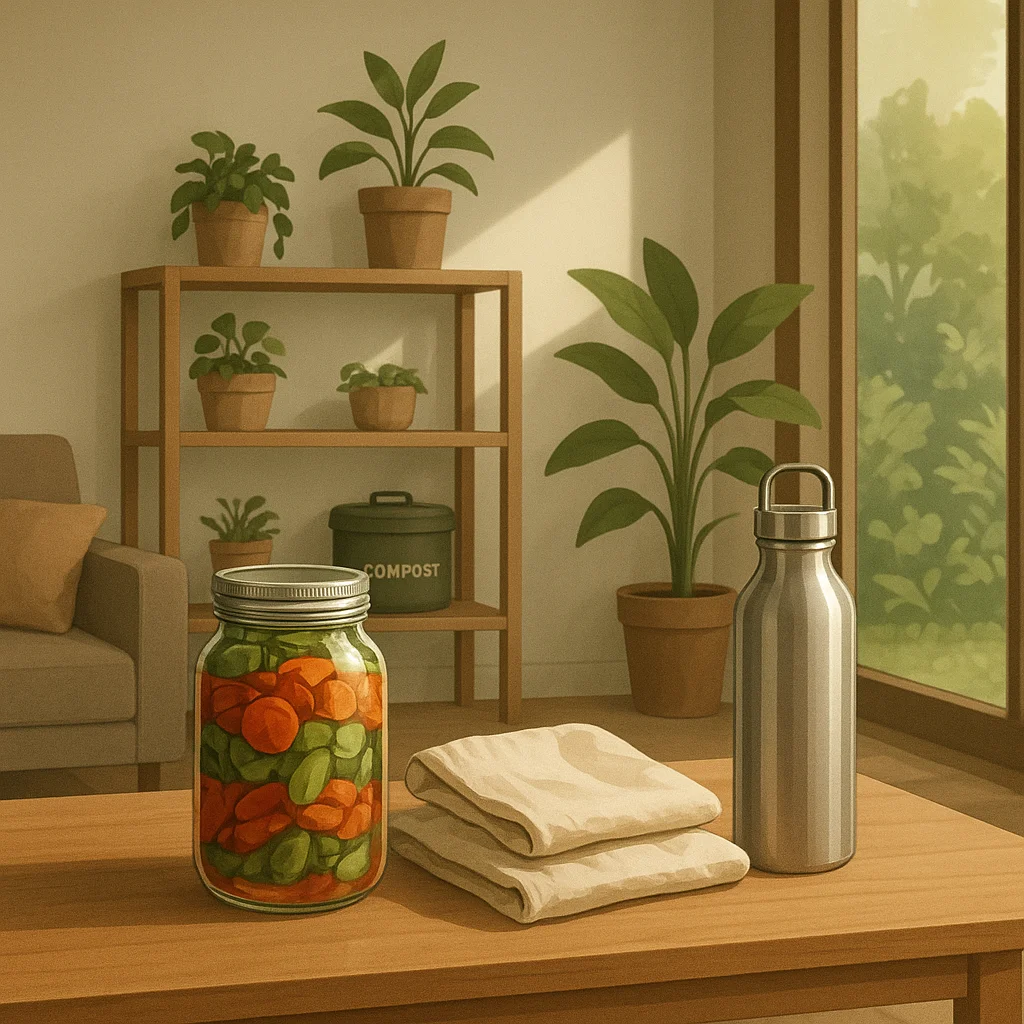
- Choose Reusables: Swap single-use items for durable alternatives — reusable water bottles, cloth shopping bags, beeswax wraps instead of plastic wrap.
- Mindful Shopping: Prioritize bulk buying and local markets to reduce packaging. Bring your own containers where possible.
- Composting: Set up a home compost system for organic waste, reducing landfill contribution and creating nutrient-rich soil.
- DIY and Repair: Repair broken items or upcycle instead of discarding. Learn simple crafts like sewing or natural cleaning product recipes.
According to Emagazine, product swaps such as bamboo toothbrushes and refillable cleaning sprays have seen a surge in popularity, reflecting consumer demand for sustainable options. This shift underscores how small, consistent changes collectively reduce waste footprints.
"The key to zero waste is substitution—replacing disposable with reusable, choosing quality over convenience." — Environmental Psychologist
Current Trends and Innovations in 2026
In 2026, the zero waste movement has accelerated alongside technological advances and shifting societal values. Governments worldwide have introduced stricter regulations on single-use plastics and incentivized circular economy models. For instance, the European Union’s recent directive mandates extended producer responsibility, pushing companies to design products with end-of-life reuse or recycling in mind.
On the consumer front, smart waste management apps now help users track and reduce their waste, connecting them to local zero waste resources. Businesses have embraced sustainable packaging innovations such as edible wrappers and compostable materials derived from seaweed or mushroom mycelium. Even fast fashion brands are experimenting with take-back programs to recycle garments effectively.
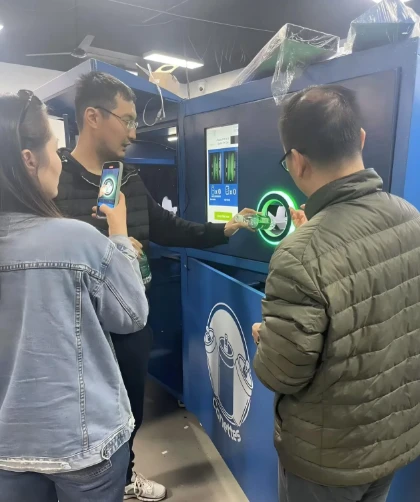
Urban centers are seeing increased zero waste infrastructure, including refill stations for household staples—soap, grains, and oils—reducing reliance on single-use containers. Community initiatives, such as repair cafes and zero waste workshops, foster peer support and knowledge sharing. These developments demonstrate that zero waste is evolving from a niche lifestyle to a mainstream movement supported by policy, technology, and culture.
Expert Perspectives and Industry Impact
Experts in sustainability emphasize that while individual actions are vital, systemic change will define the future of zero waste. Dr. Maya Thompson, a sustainability consultant, points out, "Zero waste success hinges on aligning consumer behavior with corporate responsibility and public policy." This alignment ensures waste reduction at the source, beyond just managing disposal.
Industries are responding accordingly. Packaging companies are investing billions into biodegradable materials research. Retailers implement closed-loop systems where customers return packaging for reuse. Waste management firms incorporate AI-driven sorting technologies to improve recycling rates. According to recent data from the Global Waste Management Outlook, these innovations have contributed to a 12% global increase in waste diversion rates since 2023.
From an economic perspective, zero waste strategies also present opportunities for job creation in green sectors, particularly in repair, recycling, and sustainable product design. However, challenges persist in ensuring accessibility and affordability, especially in low-income communities disproportionately affected by waste pollution.
For beginners seeking guidance, experts recommend focusing on high-impact habits while advocating for broader change through community engagement and political participation.
Looking Ahead: Building a Sustainable Zero Waste Future
As we look forward, the zero waste lifestyle is poised to deepen its influence on how society consumes and disposes of resources. The integration of circular economy principles into urban planning and manufacturing promises to reduce waste generation dramatically. Innovations in materials science and digital platforms will continue to empower consumers and businesses alike.
For those just beginning, the journey is both personal and collective. Small daily choices—carrying a reusable cup, refusing plastic straws, composting kitchen scraps—accumulate into significant environmental benefits. Educating oneself and others, supporting sustainable brands, and demanding systemic reforms are equally crucial.
- Prioritize learning about local recycling and composting programs.
- Engage in community zero waste initiatives to build support networks.
- Advocate for policies that reduce waste production and promote circularity.
- Invest in durable, repairable products over disposable ones.
- Maintain flexibility and patience—zero waste is a continuous process, not a destination.
Embracing zero waste is an act of kindness to the planet and future generations. As Charlotte, I encourage you to take gentle, mindful steps in this direction, knowing that every bit of effort brings us closer to a healthier, more sustainable world.
For further reading, explore our detailed guide on Zero Waste Lifestyle Tips for Beginners: Sustainable Living in 2026 and learn how corporations are shaping sustainability through Corporate Zero Waste Goals.






























Sign in to leave a comment.