

Setting the Scene: A Quiet Revolution in Home Energy
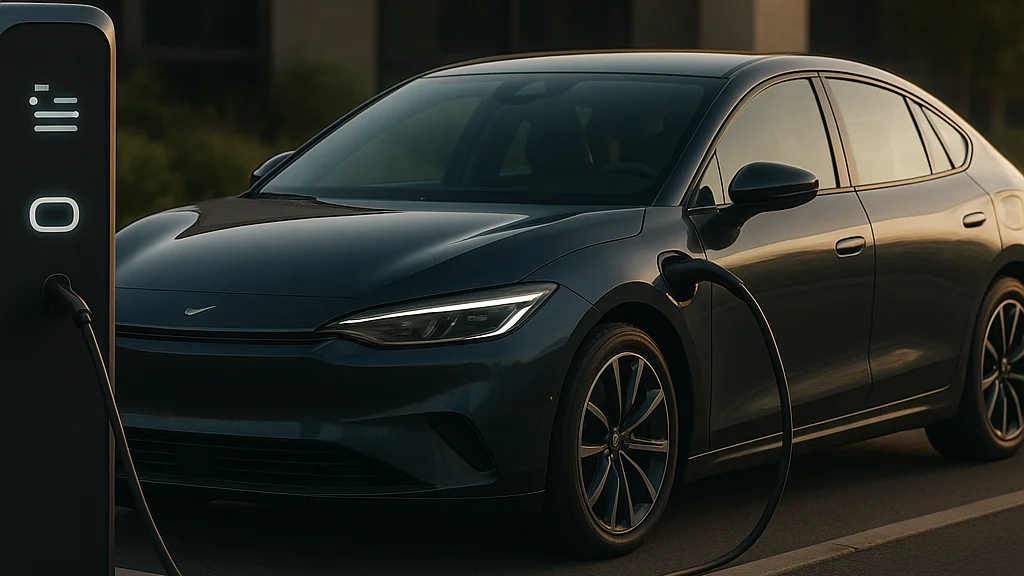
On a cool spring evening in a quiet Calgary suburb, Emma plugs her electric SUV into a sleek wall-mounted charging station. As she sips herbal tea and journals about her day, the car silently replenishes its battery. This simple act, once a novelty, now represents a growing norm in millions of homes worldwide. The home EV charging station has quietly become an essential household fixture, a linchpin in the transition toward sustainable transportation and clean energy.
The rise of electric vehicles (EVs) over the past decade has propelled home charging stations from niche luxury to practical necessity. According to a 2025 report by the International Energy Agency, global EV stock surpassed 30 million, with more than 60% of charging occurring at home. This shift has prompted homeowners, installers, and policymakers to rethink how home charging infrastructure should evolve to meet growing demand, ease installation challenges, and integrate renewable energy sources seamlessly.
Yet the future of home EV charging station installation is far from static. Emerging technologies, evolving standards, and innovative business models are reshaping the landscape. This guide explores the past, present, and future of home EV charging installation, offering an in-depth look at what homeowners need to know to prepare for the next wave of electrification.
Tracing the Roots: How Home EV Charging Evolved
The journey of home EV charging stations mirrors the broader trajectory of electric vehicles themselves. In the early 2010s, EV adoption was limited by battery costs, range anxiety, and sparse public charging infrastructure. Most owners relied heavily on slow, level 1 charging—plugging vehicles into a standard household outlet, which could take 12 to 24 hours for a full charge.
Recognizing the need for faster, safer, and more reliable home charging, manufacturers and energy companies introduced dedicated charging units—known as Electric Vehicle Supply Equipment (EVSE)—capable of delivering level 2 charging speeds (typically 240 volts). These units reduced charging times to 3–8 hours and incorporated safety features such as ground-fault protection and automatic shutoff.
The installation process, however, was often complex and costly. Many homes required electrical panel upgrades or dedicated circuits, with prices ranging from $1,000 to $3,000 or more. Early adopters faced challenges finding qualified electricians, navigating permits, and understanding electrical codes. Moreover, public incentives and rebates were inconsistent, varying widely by region.
Technological advancements and policy support gradually improved accessibility. Smart chargers emerged, enabling remote monitoring, scheduling, and integration with renewable energy sources like rooftop solar. Simultaneously, governments introduced incentives to offset installation costs and promote grid-friendly charging behavior.
Today, home EV charging stations have become a mainstream consideration for new homeowners and retrofit projects alike. To understand how to prepare for the future, let's examine the current state of home EV charging installation in 2026.
Current Landscape in 2026: Technology, Policy, and Consumer Trends
As of 2026, the home EV charging ecosystem reflects significant advancements in both technology and policy frameworks. The market now offers a broad spectrum of charging stations tailored to diverse needs, budgets, and home configurations.
Key trends shaping the current scene include:
- Smart Charging and Grid Integration: Modern home chargers are equipped with connectivity features that allow real-time communication with utilities and energy management systems. This enables demand response programs, time-of-use tariff optimization, and integration with home energy storage.
- Vehicle-to-Home (V2H) and Vehicle-to-Grid (V2G) Capabilities: Increasingly, EVs can serve as mobile energy storage units, feeding electricity back to the home or grid during peak demand or outages. This bi-directional charging technology enhances resilience and supports renewable integration.
- Improved Installer Networks and Certification: Industry-standard certifications and training programs for electricians have expanded, improving installation quality and safety. Many jurisdictions now require certified installers, reducing risks of faulty wiring or code violations.
- Streamlined Permitting and Incentives: Governments and municipalities have simplified permitting processes, often offering online applications and expedited reviews. Incentives remain robust in many regions, covering equipment and installation costs.
- Energy Efficiency and Sustainability Focus: The industry emphasizes chargers with high efficiency ratings and compatibility with renewable energy, including solar and wind. Some units feature integrated solar inverters or battery storage options.
Consumer preferences also reflect these shifts. Buyers increasingly prioritize chargers that offer:
- Compatibility with their EV’s maximum charging rate.
- Smart features like app control, usage analytics, and load management.
- Compact, aesthetically pleasing designs that blend with home exteriors.
- Support for future upgrades and interoperability standards.
Installation costs have stabilized somewhat, with many homeowners paying between $1,200 and $2,500 for complete installation, depending on electrical upgrades needed. According to CNET, the three best locations for home chargers remain garages, covered carports, and exterior walls near parking spots, balancing convenience, weather protection, and electrical access.
"As EV adoption accelerates, the focus is shifting from just installing chargers to optimizing home energy ecosystems that encompass charging, storage, and renewable generation," says energy consultant Maya Patel.
To illuminate the technical and practical dimensions, we now turn to a core analysis of installation considerations, costs, and innovations shaping the future.
Core Analysis: Installation Considerations and Emerging Innovations
Installing a home EV charging station involves more than plugging in a device. It requires careful assessment of the home's electrical infrastructure, vehicle charging needs, and site-specific factors. Here are the principal elements to consider:
- Electrical Panel Capacity: Most level 2 chargers require a dedicated 240-volt circuit, typically drawing 30 to 50 amps. Homes with older panels may need upgrades or subpanels to accommodate this load safely.
- Charging Speed and Power Rating: Chargers vary from 3.3 kW to 19.2 kW, with higher power enabling faster charging. However, the home's electrical capacity and the EV’s on-board charger limit usable power.
- Location and Cable Management: Choosing a location close to the parked vehicle reduces cable clutter and tripping hazards. Weatherproofing and protection from physical damage are vital for outdoor installations.
- Smart Features and Connectivity: Integration with Wi-Fi or cellular networks enables remote monitoring, firmware updates, and participation in utility programs.
Innovations emerging in 2026 promise to simplify and enhance installation:
- Plug-and-Play Modular Systems: New charger models feature modular designs allowing homeowners or electricians to add capacity or swap components without full replacements.
- Integrated Energy Management Platforms: Chargers now often come bundled with home energy monitoring and control software, enabling seamless coordination of EV charging with solar generation and battery storage.
- Wireless Charging Solutions: Though still in early stages, inductive charging pads for home use are becoming more affordable and efficient, promising cable-free convenience.
- Advanced Safety Features: Ground fault detection, arc fault interruption, and real-time diagnostics have become standard, reducing risks and maintenance needs.
Costs remain a significant factor. A detailed breakdown from the U.S. Department of Energy illustrates common expenses:
- Charger unit: $500–$1,500
- Electrical upgrades (panel, wiring): $500–$2,000
- Labor and permitting: $300–$1,000
Understanding these components helps homeowners make informed decisions and avoid surprises.
"Choosing the right charger and ensuring proper installation is crucial for safety and long-term satisfaction," advises certified installer Lucas Thompson.
With this foundation, let's explore some of the most exciting developments reshaping home EV charging in 2026.
Recent Developments: Innovations and Industry Shifts in 2026
The year 2026 has brought noteworthy advancements that accelerate the transition to smarter, more efficient home EV charging. Among these:
- Widespread Adoption of Vehicle-to-Home (V2H) Technology: As highlighted in TechTimes, more EV models now support bi-directional charging, allowing owners to use their car batteries as backup power sources during outages or peak demand periods.
- Enhanced Energy Efficiency of Home Chargers: Research indicates home EV chargers are more efficient than many public stations, reducing energy loss and lowering costs, as covered by BGR. This efficiency has encouraged utilities to promote home charging as a grid-friendly option.
- Integration with Smart Home Ecosystems: Chargers now communicate with smart thermostats, solar inverters, and energy storage devices, optimizing energy use and reducing carbon footprints.
- Standardization Efforts and Interoperability: Industry groups have accelerated efforts to establish universal standards for connectors, communication protocols, and safety, simplifying charger selection and installation worldwide.
- Financial Innovations: New leasing models and subscription services allow homeowners to install chargers with minimal upfront costs, including maintenance and upgrades.
These developments reflect a maturing market responding to consumer demand and environmental imperatives.
For those seeking detailed installation procedures and best practices, the internal WriteUpCafe article Complete Guide to Home EV Charging Station Installation offers an excellent step-by-step resource.
Looking Ahead: What the Future Holds for Home EV Charging Installation
Peering into the near future, several trends suggest how home EV charging will continue to evolve, fundamentally changing how we power our vehicles and homes.
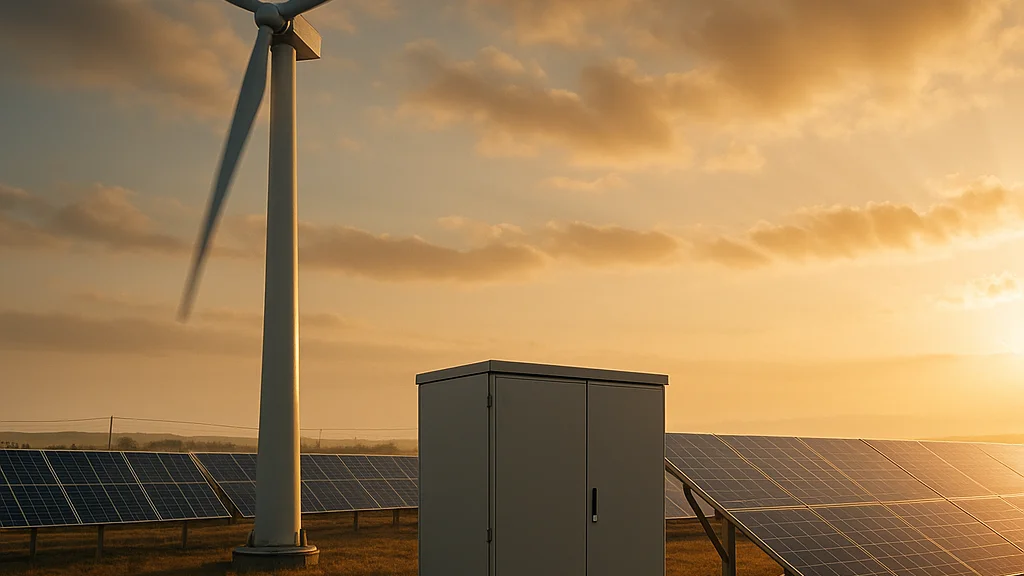
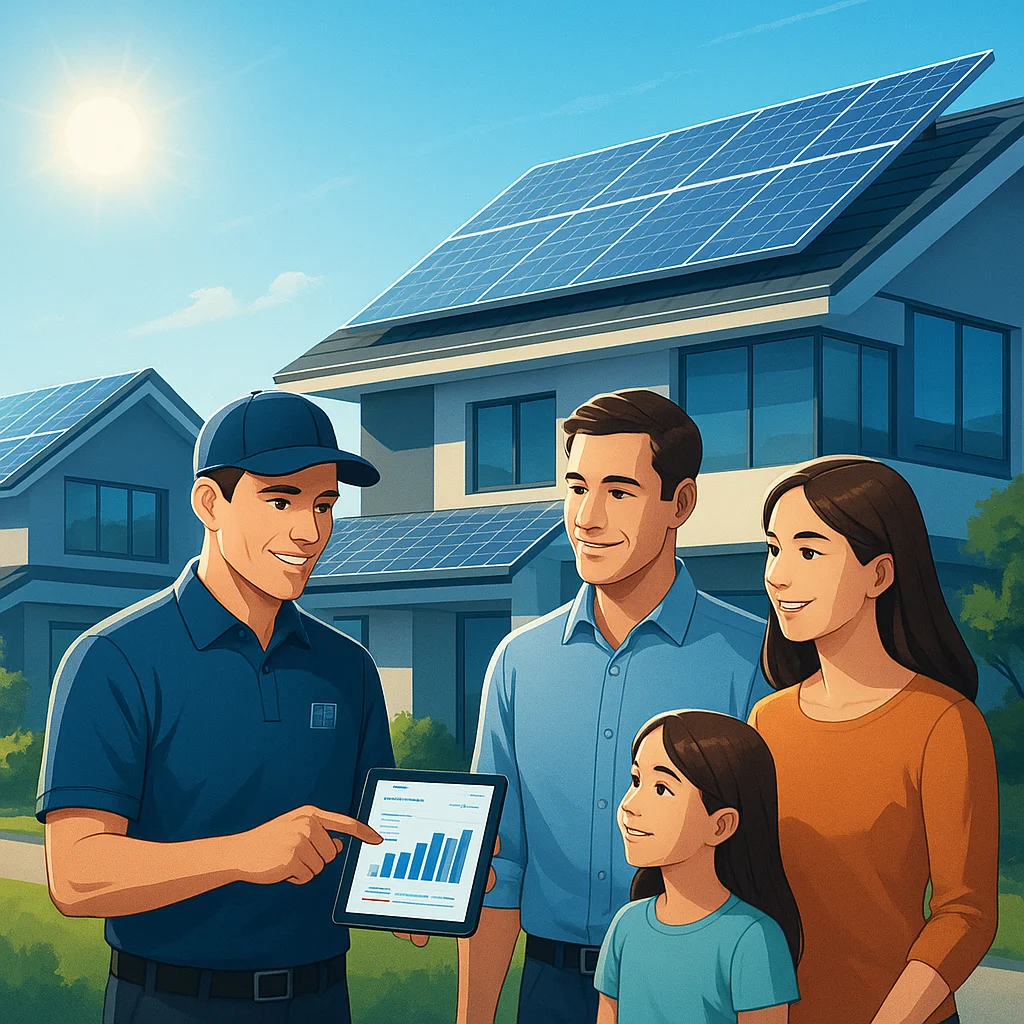
1. Greater Integration with Renewable Energy and Storage: As rooftop solar and home battery systems become more affordable and widespread, home charging stations will increasingly function as part of a holistic energy ecosystem. We can expect enhanced software platforms that automatically balance solar generation, battery storage, and EV charging demands to optimize savings and emissions.
2. Expansion of Bi-Directional Charging Use Cases: Vehicle-to-Grid (V2G) technology will enable EV owners to participate actively in grid stabilization and energy markets, earning incentives while supporting renewable energy integration. This will require updated regulations and utility programs to facilitate widespread adoption.
3. Simplified Installation and DIY-Friendly Options: Advances in modular components, wireless charging, and plug-and-play systems will reduce installation complexity and costs. Homeowners may increasingly perform minor installations themselves, supported by augmented reality guidance and remote expert assistance.
4. Policy and Incentive Evolution: Governments will likely expand incentives focused not just on equipment but on smart, grid-friendly charging behaviors. Mandates for charger interoperability and safety will further standardize the market.
5. Enhanced User Experience and Accessibility: Manufacturers will prioritize user-friendly interfaces, multilingual support, and designs suitable for diverse housing types, including multi-unit dwellings. This inclusivity will be key to broadening EV adoption.
As these trends unfold, staying informed and proactive will empower homeowners to make choices that benefit their wallets, the grid, and the planet.
For readers interested in practical advice tailored to emerging trends, Essential Guide to Installing Your Home EV Charging Station provides invaluable insights.
Concluding Thoughts: Embracing a Cleaner, Smarter Future
The future of home EV charging station installation is bright, promising a seamless blend of convenience, efficiency, and sustainability. From the early days of slow, cumbersome setups to today's smart, integrated systems, the journey reflects broader shifts toward cleaner energy and smarter living.
As we move forward, the choices homeowners make around EV charging will ripple beyond their driveways—impacting energy grids, urban planning, and climate outcomes. By embracing new technologies, advocating for supportive policies, and sharing knowledge, we can all contribute to a healthier planet.
Thank you for joining me on this exploration. May your next charge be smooth and your journeys safe.
































Sign in to leave a comment.