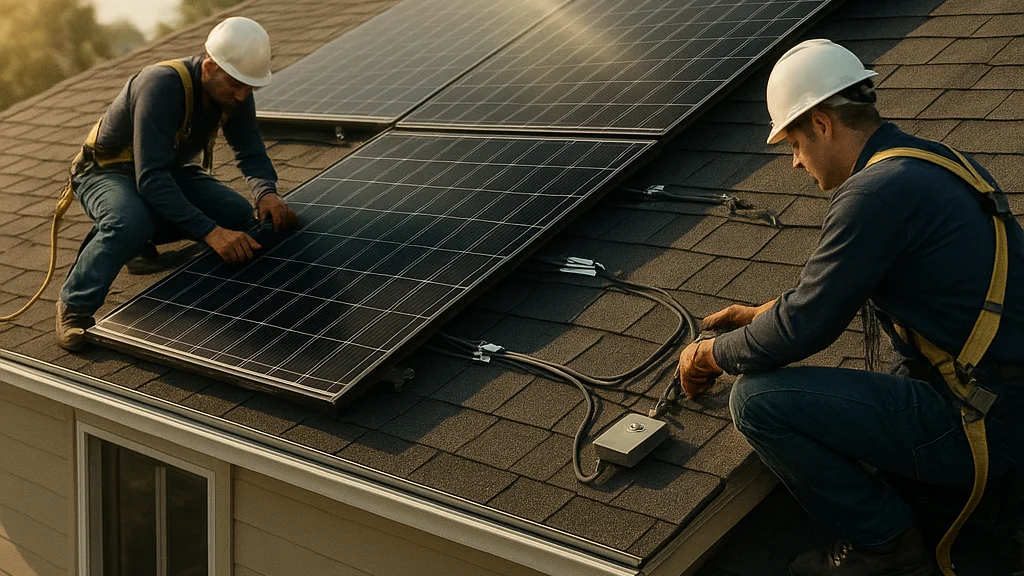

A rooftop can look ordinary right up until the month the power bill lands. Then it becomes arithmetic, architecture, and a little bit of hope. Across North America, Europe, India, and Australia, households have spent the past few years rethinking that empty space overhead as energy prices stayed volatile and climate concerns grew more practical than abstract. A home solar system is no longer a niche statement for early adopters with perfect south-facing roofs. It is a serious capital project, one that can reduce grid purchases, improve resilience, and, if designed badly, create years of frustration.
The hard part is that residential solar remains easy to romanticize and surprisingly easy to misunderstand. A glossy quote can make a system look simple: a few panels, an inverter, maybe a battery, and done. Real life is messier. Roof pitch matters. Shade matters more. Local permitting, utility rules, labour quality, financing terms, and export tariffs can swing the economics dramatically. Even the question of where panels should sit on the roof is less obvious than many homeowners assume. CNET’s guide to where to install your solar panels points out that orientation, obstructions, and roof condition can be the difference between a high-performing array and a disappointing one.
If you are still at the beginning, it helps to pair this piece with practical primers such as What You Need to Know About Solar Panel Installation: A Home Guide and Beginner’s Guide to Solar Panel Installation at Home. Here, I want to go further: not just what solar is, but how to think like an informed buyer in 2026, what has changed recently, and how to avoid the mistakes that quietly erode savings over 20 or 25 years.
Home solar works best when it is treated like a long-term infrastructure decision, not a gadget purchase.
Start with the roof, not the panel brochure
The first truth of home solar is gentle but firm: your roof decides more than the salesperson does. Before anyone talks about premium modules or battery brands, a homeowner needs a site assessment that answers four practical questions. How much usable roof area exists? What is the roof’s age and condition? How much shading occurs across seasons and times of day? And what orientation and tilt are available? These are not side notes. They are the foundation of performance.
Panels do not need a perfect south-facing roof to make sense, especially as module efficiency has improved and electricity prices have risen. East-west arrays can still perform well, and in some homes they spread production more evenly across the day. But heavy tree cover, chimneys, neighbouring buildings, and dormers can carve up a roof into awkward zones that reduce output and complicate installation. According to CNET, installers should also avoid roof sections prone to persistent shade or structural limitations. A 10-kilowatt system on paper is not the same as a 10-kilowatt system in the real world if half the modules spend key afternoon hours in shadow.
Roof age is another place where people get tripped up. If shingles are nearing end of life, the prudent move is often to re-roof before installation. Removing and reinstalling panels five years later adds cost that can wipe out part of your expected savings. This is one of those deeply unglamorous decisions that feels a bit like meal-prepping on a Sunday: not exciting, but kind to your future self.
- Best candidates: structurally sound roofs with 10 or more years of life remaining, limited shade, and enough contiguous space for the target system size.
- Warning signs: old roofing materials, frequent leaks, complex roof geometry, or major shading during peak sun hours.
- Questions to ask: Will the installer provide a shade analysis, structural review, and production estimate by roof plane?
Ground-mounted systems can solve some roof problems, but they bring their own trade-offs: trenching, land use, visibility concerns, and often higher installation costs. Balcony systems, more common in parts of Europe, are a separate category altogether. MSN has highlighted balcony solar panels as a small-scale option for some residents, though they are not a substitute for a full rooftop system in most detached homes.
Understand the core hardware before you compare quotes
A home solar installation is really a system of systems. The panels get the attention, but output, reliability, and future flexibility depend on how the entire package is designed. In 2026, most residential buyers are choosing among three major electrical architectures: string inverters, microinverters, or string inverters paired with DC optimizers. Each has strengths. String inverters tend to be simpler and can be cost-effective on unshaded roofs. Microinverters, mounted behind each panel, can improve performance monitoring and help mitigate the impact of partial shading. Optimizer-based systems sit somewhere between the two.
Panel choice also deserves a cooler head than marketing often allows. High-efficiency modules can be worth paying for when roof space is tight. If space is abundant, a slightly cheaper panel with solid warranty backing may deliver better value. The meaningful questions are not just panel wattage and efficiency percentage, but degradation rate, product warranty, performance warranty, manufacturer bankability, and how compatible the module is with the inverter strategy.
Batteries have become a much bigger part of the conversation since 2023, especially in regions with weak net metering, time-of-use tariffs, or outage concerns. Yet batteries are not automatically the smartest first purchase. BGR’s piece on installing solar panel batteries at home underscores a key point: homeowners need clarity on backup expectations, cycle life, and economics before adding storage. A battery sized for whole-home backup is very different from one intended to keep a fridge, router, lights, and a few circuits running through an outage.
- Panels: convert sunlight into direct current electricity.
- Inverter: converts DC to AC for home use and grid export.
- Mounting and racking: secure the system and protect roof integrity.
- Monitoring: gives homeowners data on production, faults, and sometimes consumption.
- Battery, if included: stores excess energy for later use or backup power.
A careful buyer should ask every installer for a line-by-line equipment schedule, not just a total price. If one quote is dramatically cheaper, there is usually a reason: lower-grade hardware, weaker workmanship guarantees, a smaller system, unrealistic production assumptions, or financing terms that hide the real cost. The Independent’s review of Heatable’s solar installation service in the UK, while focused on a specific provider, reflects a broader industry truth: installation quality and after-sales support matter almost as much as the components themselves.
The cheapest quote can become the most expensive system if underperformance, roof issues, or poor service follow the install.
The numbers that actually matter: cost, payback, and bill reduction
Many homeowners ask a simple question first: how much money will solar save me? It is a fair question, but the answer depends on variables that sales material often compresses into one optimistic headline. A good financial model should include system size in kilowatts, expected annual production in kilowatt-hours, household consumption, self-consumption rate, export compensation, utility fixed charges, financing costs, maintenance assumptions, and degradation over time. It should also distinguish between gross bill offset and net economic return.
In broad terms, residential rooftop systems in many markets still pay back over a multi-year period rather than instantly. Strong sunlight, high retail electricity rates, and generous export credits shorten that timeline. Heavy shade, low tariffs, or expensive financing lengthen it. According to Yahoo News UK, support policies have had a visible effect on demand in Britain, where solar panel subsidies helped drive a sharp rise in installations. That is a useful reminder that policy design matters as much as technology cost.
For homeowners comparing proposals, three figures deserve special scrutiny:
- Cost per watt installed: a useful benchmark, but only when system sizes and equipment quality are comparable.
- Estimated annual production: should be backed by software modelling and local irradiance data, not guesswork.
- Self-consumption rate: the share of solar electricity you use on-site, which often determines savings more than total production alone.
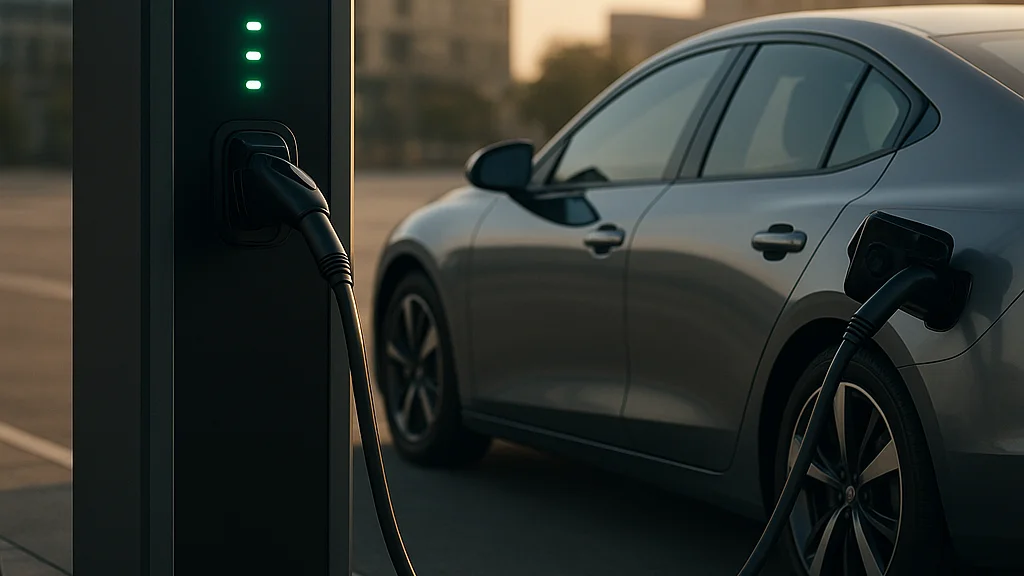
A household that is empty all day may export a large share of solar generation unless it shifts loads or adds storage. By contrast, someone working from home, charging an EV midday, or running heat pumps and appliances strategically may capture more value directly. This is why solar increasingly overlaps with home energy management. Smart thermostats, EV charging schedules, induction cooking, water-heating timers, and battery dispatch all affect the economics.
There is also the financing question. Cash purchases often deliver the strongest lifetime returns if the homeowner can absorb the upfront cost. Loans can preserve liquidity but may reduce net savings if interest rates are high. Leases and power purchase agreements can lower entry barriers, yet they deserve especially close reading on escalators, buyout clauses, maintenance responsibility, and home resale implications. If a proposal promises dramatic savings without showing assumptions, pause there. A decent installer should be able to explain the model in plain language, line by line, without making you feel rushed.
For more broad comparisons and homeowner framing, Solar Panel Installation Home Guide: Everything You Need to Know and Top 8 Solar Panel Installation Home Guide for 2026 can help you benchmark the questions you bring into a quote review.
What changed recently, and why 2026 buyers need a fresh checklist
The residential solar market in 2026 is not the same market many homeowners researched even two or three years ago. Equipment has continued to improve, but the bigger shift has been around grid rules, incentive design, and the growing role of storage. In several markets, export compensation has become less generous than it once was, which means the old habit of sizing a system simply to maximize annual production is no longer always the smartest move. The better strategy may be to size for household load patterns and self-consumption, especially if a battery or EV is part of the picture.
Utilities have also become more attentive to interconnection constraints. In some regions, homeowners now face longer approval timelines, transformer upgrade issues, or changing technical requirements for export-limiting and smart inverters. None of this means solar is a bad bet. It means the project management side matters more. A polished quote is only the beginning; interconnection, permitting, inspection, and commissioning can shape both timeline and final cost.
Another 2026 development is the maturing conversation around whole-home electrification. Solar increasingly arrives as one piece of a larger household transition that may include heat pumps, electric water heating, EV charging, and induction ranges. This changes load profiles. A system that looked oversized before an EV purchase may look just right afterward. Installers who ask about future electrification plans are often thinking more responsibly than those who size only to last year’s electricity bill.
There is also a quality-control story here. As demand has expanded, so has the spread between excellent installers and rushed operators. Reviews can help, but they are not enough. Ask who performs the actual installation, whether subcontractors are used, how service calls are handled, what penetrations and flashing methods are used on your roof type, and what workmanship warranty is included. The Independent’s reporting on installer quality in the UK reflects a wider consumer issue: homeowners are not just buying hardware, they are buying competence.
Meanwhile, balcony and plug-in systems have drawn attention in Europe and beyond, especially for renters and apartment dwellers. They are meaningful for accessibility, but they also highlight a key distinction: not every solar product is a full residential energy strategy. Detached homeowners still need a rigorous design process if the goal is major bill reduction and long-term resilience.
How to choose an installer without getting charmed past the fine print
This is the part where a lot of good intentions go sideways. Solar sales can be warm, persuasive, and fast-moving. A representative may arrive with satellite imagery, financing options, and a monthly payment number that sounds lower than your current bill. That can all be legitimate. It can also blur the line between affordability and value. The right installer is not merely the one who gets you to yes. It is the one who leaves you with a system that performs as promised and a support path that still exists five years later.
Start by collecting at least three detailed quotes. Ask each company for the same information so you can compare honestly: equipment brands and model numbers, total system size, estimated annual output, assumptions about shading, workmanship warranty, roof warranty interaction, financing terms, and timeline from contract to commissioning. If one quote lacks specifics, that is information too.
Then look for evidence of process discipline. Does the company conduct a real site visit when needed, or rely entirely on remote estimates? Will it provide a single-line electrical diagram and permit package? Can it explain local utility interconnection rules? Does it have experience with your roof type, whether asphalt shingle, metal standing seam, tile, or flat membrane? The practical confidence you want here feels less like a sales pitch and more like talking to the calm friend who labels leftovers before putting them in the freezer.
- Ask for proof of licensing and insurance.
- Request production guarantees only if the terms are clearly defined.
- Clarify who handles warranty claims for panels, inverters, and batteries.
- Confirm monitoring access and whether consumption monitoring is included.
- Read cancellation, change-order, and transfer clauses before signing.
Be especially careful with contracts tied to aggressive financing. A low monthly payment can hide a long term, dealer fees, or assumptions about utility inflation that may not materialize. If the installer talks more about tax credits or subsidies than about roof condition and load profile, that is a small red flag. Incentives matter, but they are icing, not structure.
Regional guides can also help sharpen your questions. For example, Solar Panel Installation in Lucknow: Complete Guide to Savings, Subsidy and the Right System for Your Home shows how local policy and climate conditions can change the right system choice. The same principle applies everywhere: solar is local, even when the hardware is global.
Designing for real life: batteries, resilience, maintenance, and habits
One of the lovelier things about a well-designed solar system is that it can quietly fold into daily routine. You stop thinking of electricity as something that only arrives from elsewhere. You begin noticing when the dishwasher runs, when the EV charges, how afternoon sun lines up with your heat pump. That said, a home system should be designed for your life as it is, and for the life you are moving toward.
If outages are frequent where you live, battery storage may be more than a financial calculation. It may be a comfort decision. But backup planning should be explicit. Some battery systems support only essential loads unless paired with additional hardware. Others can enable broader backup, subject to power limits. Refrigeration, internet, medical devices, sump pumps, and a few lighting circuits are common priorities. Central air conditioning, electric resistance heating, or whole-home backup often require a larger and more expensive setup.
Maintenance is not usually intense, but it is not nonexistent either. Panels should remain unobstructed and reasonably clean, though rainfall handles much of the work in many climates. Monitoring apps should be checked occasionally for unexpected drops in output. Trees grow. Roof debris accumulates. Inverter faults happen. A yearly glance at performance trends can catch problems before they become long periods of lost production.
- Review your past 12 months of electricity use before requesting quotes.
- Tell installers about future EVs, heat pumps, or home additions.
- Ask whether the system is battery-ready even if you skip storage now.
- Confirm roof warranty implications in writing.
- Plan your daytime appliance use to increase self-consumption after installation.
There is also a psychological piece that rarely gets enough airtime. Solar does not need to make a household perfect to make it better. Maybe you cannot afford batteries yet. Maybe your roof only fits a moderate array. Maybe your best first step is efficiency upgrades, then solar later. That is still progress. The homes that get the most from solar are often the ones where people pair technology with thoughtful habits rather than expecting the panels to do all the work alone.
The clearest path forward for homeowners
If I had to reduce this whole guide to one sentence, it would be this: buy the system that fits your roof, your utility rules, and your future electricity use, not the one with the prettiest sales deck. Home solar can be financially sensible and emotionally satisfying, but only when the design is honest. Start with the site. Understand the hardware. Model the economics conservatively. Scrutinize the installer. Think about storage as a strategic option, not a compulsory add-on. And keep one eye on where your household is headed, especially if electrification is part of the plan.
By 2026, the strongest case for residential solar is less about novelty and more about control. Control over a portion of your energy costs. Control over when and how you use electricity. In some cases, control during outages. That control has value even when payback periods vary by region. What has changed recently is that homeowners need a more nuanced approach than they did when generous net metering could paper over weak design decisions. Self-consumption, smart load shifting, and battery-readiness now matter more.
There is no universal perfect system. A shaded urban roof, a sunny suburban detached home, a rural property with land for ground-mounting, and a small apartment balcony all live in different energy realities. The goal is not to copy someone else’s setup. It is to make a grounded, local, technically sound decision.
So take your time. Ask one more question than feels polite. Read the contract twice. Put the roof’s condition ahead of the panel colour. If you do go ahead, the best outcome is wonderfully boring: a system that simply works, month after month, while life carries on with dinners simmering, laundry tumbling, and a little less power pulled from the grid. I hope your next bill feels gentler. Be kind to yourself while you figure it out.
































Sign in to leave a comment.