

A smaller footprint starts with a better question
A family replaces light bulbs, carries reusable bags, and remembers to sort the recycling. A company buys offsets, prints a sustainability report, and swaps plastic stir sticks for wooden ones. Both may be acting in good faith. Both may also be missing the larger arithmetic. That is the uncomfortable truth sitting beneath many carbon conversations in 2026: we have spent years treating footprint reduction as a checklist of visible habits when it is really a systems problem shaped by energy grids, industrial heat, freight networks, building stock, land use, and finance.
The science has not changed in its essentials, but the strategy has. The Intergovernmental Panel on Climate Change has long made clear that deep emissions cuts require rapid transitions across energy, transport, buildings, and industry. What has sharpened recently is the evidence about where effort pays off most. A kilowatt-hour saved during a peak fossil-fuel hour matters more than one saved when renewable generation is abundant. A flight avoided matters differently from a lighter shopping bag. A cement plant, steel mill, or fertilizer facility cannot decarbonize with the same toolkit as a suburban kitchen.
That is why rethinking carbon footprint reduction is less about abandoning personal responsibility and more about placing it inside a wider map. Households still matter. So do purchasing choices, food waste, heating systems, and travel patterns. Yet the biggest gains often come from decisions that feel less glamorous: insulation, heat pumps, grid flexibility, electrified fleets, procurement standards, and cleaner industrial feedstocks. Readers who want a practical baseline can compare this broader frame with Carbon Footprint Reduction Strategies That Endure and Carbon Footprint Reduction Strategies That Actually Work, both of which point toward durable action rather than symbolic gestures.
The most effective carbon strategy is rarely the most visible one. It is usually the one that changes infrastructure, timing, and supply chains.
There is something almost soothing about that realization. It means the burden does not sit only on individual perfection. It means better policy, better design, and better technology can carry part of the weight. For those of us trying to live gently, that is not an excuse. It is a clearer place to begin.
How carbon accounting got both useful and distorted
The term “carbon footprint” became popular because it translated atmospheric chemistry into something legible. It gave households and organizations a way to count. Over time, though, counting became confused with control. Many footprint calculators flatten very different emissions into a single personal score while underplaying structural constraints such as local transit access, rental housing efficiency, electricity mix, or employer travel expectations. The result is a moralized picture of climate action that can produce guilt without producing much decarbonization.
Good accounting still matters. The Greenhouse Gas Protocol remains the dominant framework for companies, dividing emissions into Scope 1, Scope 2, and Scope 3. That split is useful because it distinguishes direct fuel use, purchased energy, and the much larger web of upstream and downstream emissions. For many consumer-facing businesses, Scope 3 overwhelms everything else. Apparel, food, electronics, construction materials, and logistics all carry emissions far beyond the office lights. Reuters and other major outlets have repeatedly documented how supply-chain emissions complicate corporate climate claims, especially when reporting quality varies by supplier and geography.
Where the distortion creeps in is prioritization. Carbon labels and annual reports can encourage a hunt for easy wins rather than large wins. Office composting may be positive, but it does not compare with procuring low-carbon steel, redesigning product lifecycles, electrifying process heat where possible, or cutting methane leakage. The same is true for households. Replacing a few plastic items feels immediate; replacing a gas furnace, improving insulation, or reducing long-haul flying changes the numbers more materially.
- High-impact household levers: home heating, private vehicle use, air travel, diet composition, and electricity consumption timing.
- High-impact business levers: supply-chain materials, industrial energy, freight mode choice, product durability, and end-of-life recovery.
- High-impact policy levers: clean power deployment, building codes, public transit investment, methane rules, and industrial decarbonization incentives.
That is why the next phase of footprint reduction needs a hierarchy. First, measure honestly. Second, identify the dominant sources. Third, act where emissions are concentrated rather than where optics are convenient. If that sounds obvious, it is because the climate problem often hides behind familiar language. We say “reduce your footprint” when what we often mean is “rebuild the systems that create it.”
What the data says about where the biggest reductions live
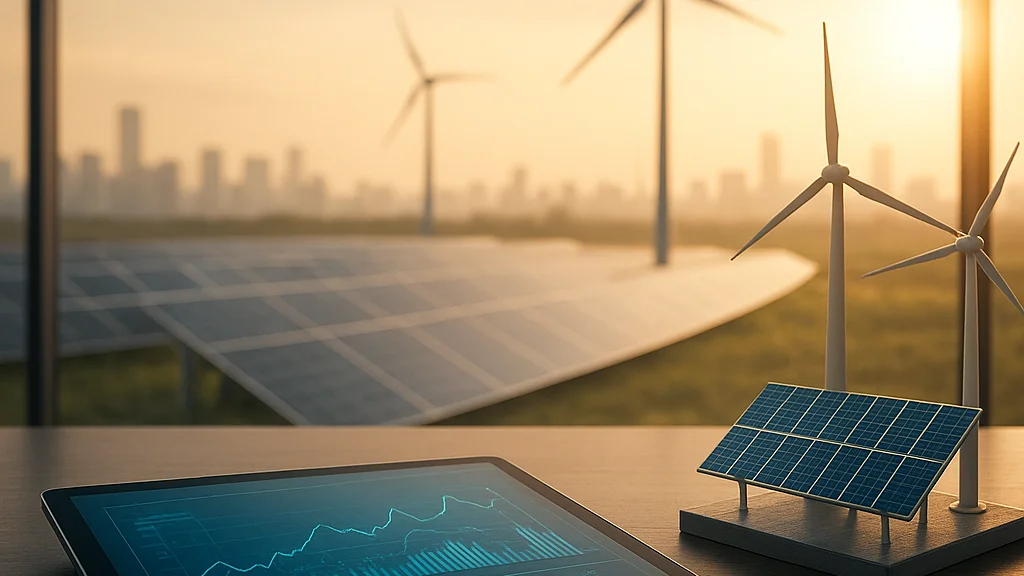
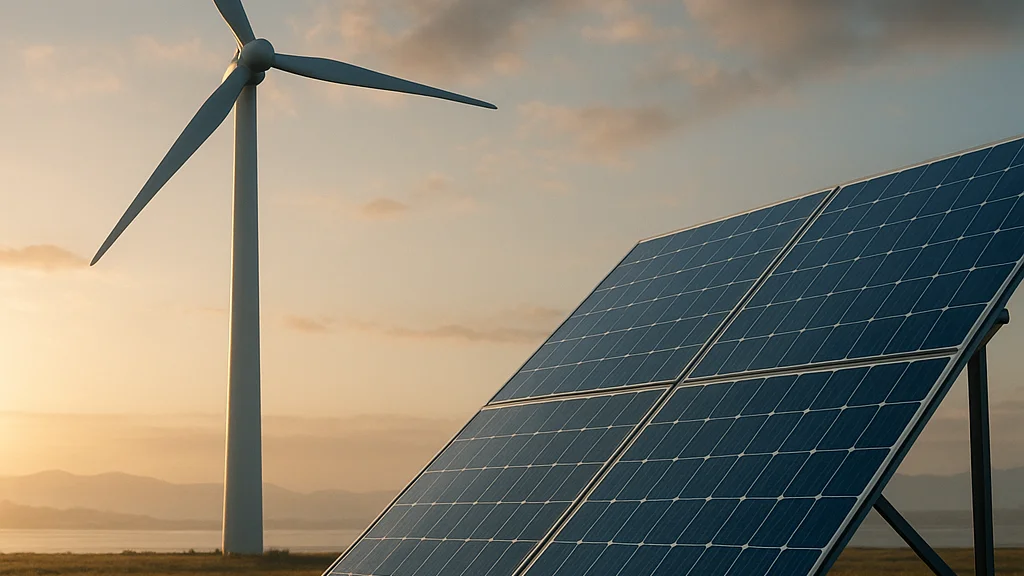
When analysts compare emissions across sectors, a pattern appears quickly: not all tonnes are equally easy to avoid, but many of the largest sources are also the clearest targets. Electricity generation has become cleaner in many markets as wind, solar, storage, and grid modernization scale up. That progress changes the logic of everything downstream. Electrification now matters more because the power feeding it is, in many places, less carbon-intensive than it was a decade ago. Heat pumps, electric vehicles, induction cooking, and electrified industrial equipment are not silver bullets, but they increasingly ride a cleaner grid.
Buildings remain central. Heating and cooling are major drivers of household and commercial energy demand, especially in colder climates like my own in Calgary, where winter is not a metaphor. Retrofitting insulation, sealing air leaks, installing smart controls, and replacing combustion-based heating with efficient electric systems often cuts emissions and energy bills together, though the upfront cost can be a real barrier. That is where financing, rebates, and landlord regulations become climate tools rather than policy footnotes.
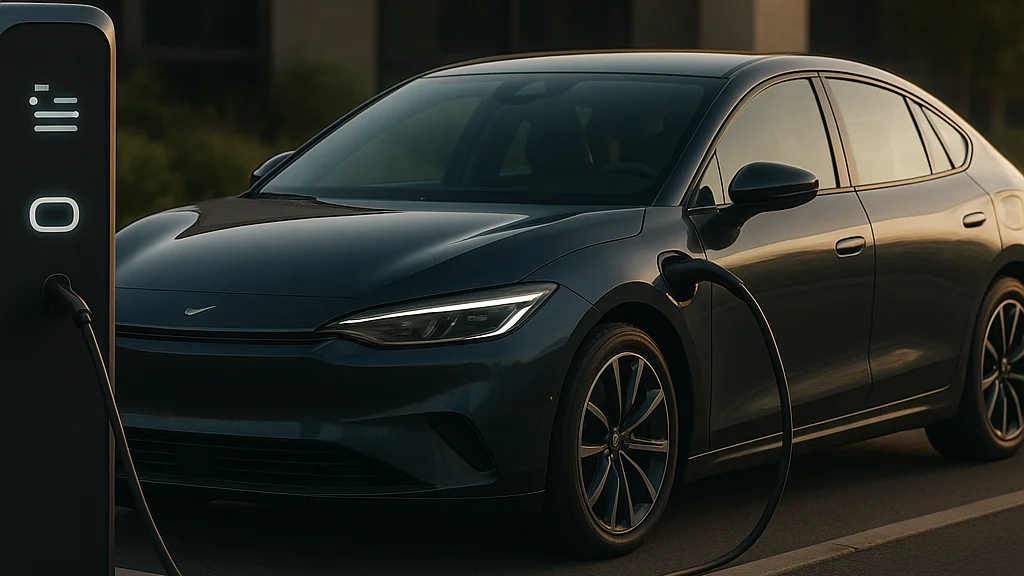
Transport is another area where strategy has matured. The carbon math of driving depends on vehicle size, annual mileage, occupancy, and electricity mix for EVs. But one point is consistent: reducing total vehicle dependence through transit, walkable design, and shorter trip chains can outperform simply swapping one drivetrain for another. For freight, shifting some cargo from air to sea or rail can dramatically lower emissions per tonne-kilometre, though timing and infrastructure matter.
Food deserves nuance. Beef and lamb generally carry higher emissions than poultry, legumes, and many plant proteins, largely because of methane and land-use intensity. Yet food miles alone can be misleading; production methods, fertilizer use, cold storage, and waste rates are often more important than distance. The most underrated food strategy may be reducing waste. According to the UN Food and Agriculture Organization and related UN reporting over the years, food loss and waste represent a significant share of global emissions when embedded energy, land, and transport are counted.
- Prioritize energy efficiency first: every avoided unit of energy reduces the size and cost of the clean system needed later.
- Electrify where mature options exist: passenger vehicles, space heating, water heating, and some industrial processes.
- Target methane quickly: oil and gas leaks, waste systems, and agricultural sources can deliver near-term climate benefits.
- Decarbonize materials: steel, cement, chemicals, and textiles shape the footprint of nearly everything else.
- Use offsets cautiously: reserve them for residual emissions after direct reductions, not as a substitute.
Readers looking for a more tactical checklist can also explore Expert Tips for Carbon Footprint Reduction That Last, which complements this broader systems view. The key distinction is not whether individual actions matter. They do. The distinction is whether they are aligned with the largest sources of emissions rather than the easiest habits to publicize.
Carbon reduction works best when it follows concentration: find the biggest sources, reduce them first, and resist the comfort of tiny substitutions dressed up as transformation.
Industry is where the next argument will be won or lost
If the first decade of mainstream climate action focused heavily on consumer behavior and power generation, the next one is increasingly about industry. Cement, steel, chemicals, shipping, aviation, and heavy manufacturing are difficult because they rely on high-temperature heat, carbon-intensive feedstocks, or both. These sectors cannot be decarbonized by lifestyle tips alone. They need process innovation, clean electricity, green hydrogen where justified, demand-side procurement, and in some cases carbon capture, utilization, and storage.
That is where recent coverage around CCU has entered the discussion. A 2025 release carried by PR Newswire and mirrored by Finanznachrichten highlighted how carbon capture and utilization can support circularity in sectors where emissions are hard to eliminate outright. That does not mean every CCU claim deserves applause. The technology varies widely in climate value depending on capture rate, energy source, permanence, and what the captured carbon is ultimately used for. Still, for e-fuels, certain chemicals, and some industrial clusters, it is part of a serious decarbonization conversation rather than a fringe talking point.
The apparel sector offers another useful case because it sits at the junction of consumer culture and industrial complexity. A recent MSN report on reducing the carbon footprint of the apparel sector underscored familiar pain points: energy-intensive production, water use, synthetic fibers, shipping, and overproduction. The real lesson is broader than clothing. Products with short lifespans and opaque supply chains multiply emissions through churn. Durability, repairability, recycled inputs, and slower inventory cycles are climate strategies, not just branding choices.
In 2026, procurement is becoming one of the most powerful climate levers available to large buyers. When governments, developers, retailers, and manufacturers specify lower-carbon materials or require supplier disclosure, they create demand signals that can justify cleaner production. This is not especially glamorous. It is contract language, verification, and spreadsheets. Yet that is often where transformation starts.
What has changed recently in 2026
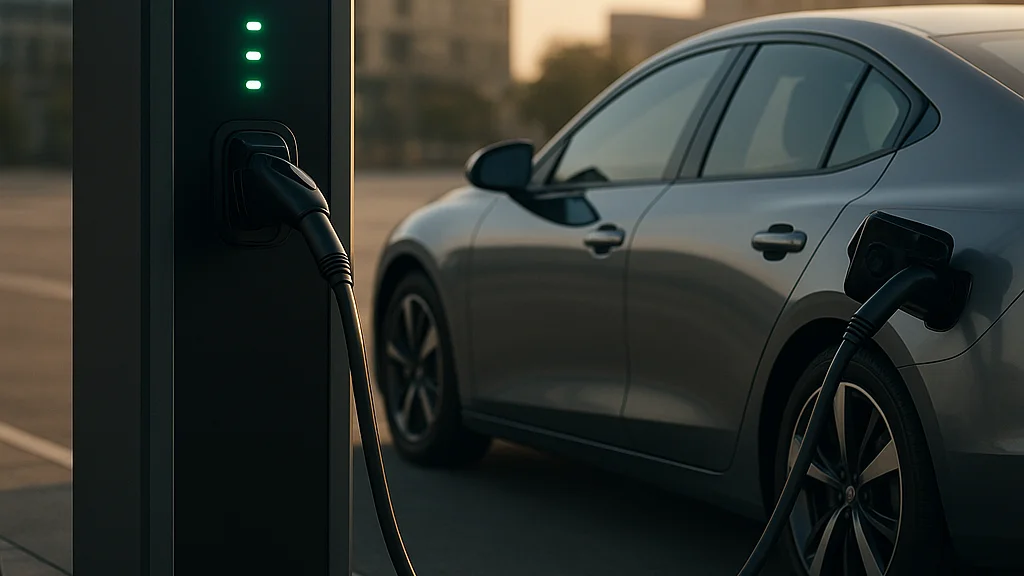
The atmosphere does not care about trend pieces, but policy and markets do shift, and 2026 looks different from even a few years ago. Clean technologies are no longer discussed mainly as future options. In many regions they are procurement decisions, utility planning assumptions, and industrial investment cases. Solar and battery deployment have continued to shape grid economics. Heat pumps are more mainstream across Europe and North America than they were in the early 2020s, even as affordability and installer capacity remain uneven. EV adoption has matured from novelty to infrastructure question: charging reliability, fleet turnover, battery supply chains, and grid integration matter more now than awareness campaigns.
Another change is the growing scrutiny of corporate climate claims. Regulators and investors have pushed harder on disclosure quality, transition plans, and the distinction between actual emissions cuts and accounting maneuvers. Offsets have not disappeared, but they are examined more critically, especially where permanence, additionality, or double counting are uncertain. That is healthy. A tonne avoided at source is not interchangeable with every tonne claimed on paper.
There is also a more sophisticated understanding of timing. Emissions reductions achieved this decade matter disproportionately because cumulative emissions drive warming. That has strengthened the case for methane abatement, energy efficiency, and retiring the highest-emitting assets sooner rather than later. It has also sharpened debates over technologies that may scale later but require current investment, such as long-duration storage, advanced grid infrastructure, sustainable aviation fuels, and certain industrial carbon management pathways.
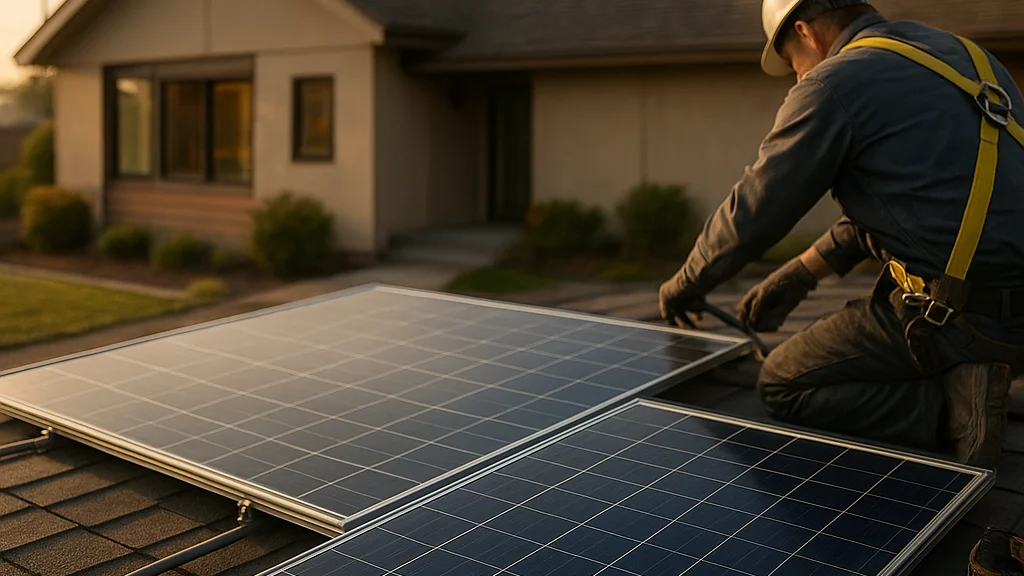
On the household side, the conversation has become less purist and more practical. People are asking better questions: Which upgrade should I do first if I can afford only one? Should I replace a working gas appliance at end of life or immediately? Is rooftop solar more valuable than insulation in my climate? The answer depends on local conditions, but the framework is clearer now. Sequence matters. Efficiency first, then electrification, then flexibility where possible.
For a broader sense of how recent innovations fit into the picture, Effective Carbon Footprint Reduction Strategies in 2026: Insights and Innovations is a useful companion. What it shares with the best current thinking is a refusal to confuse novelty with impact. The winning strategies in 2026 are often the ones that combine mature technologies with better coordination.
From personal guilt to practical leverage
Many people still approach carbon reduction as a private moral exam. I understand the instinct. Climate anxiety can make ordinary routines feel loaded: the thermostat, the grocery cart, the weekend drive, the package at the door. But guilt is a poor planner. It tends to focus attention on constant low-impact decisions while neglecting infrequent high-impact ones. A kinder and more effective approach is to sort actions by leverage.
For households, leverage usually begins with the home and the car. If you own your home, insulation, air sealing, and efficient heating equipment tend to beat decorative sustainability purchases by a wide margin. If you rent, the leverage may lie in choosing a better-located apartment, advocating for efficiency upgrades, or reducing vehicle dependence. Air travel deserves honesty: one long-haul flight can outweigh months of careful household savings. That does not mean no one should ever fly. It means the climate significance of flying should be understood clearly rather than buried beneath reusable coffee cups.
For workers and citizens, leverage often sits in institutions. Ask your employer about business travel policy, renewable electricity procurement, supplier standards, and building performance. Vote for transit, housing density, and clean-grid investments. Support repair-friendly products and right-to-repair rules. If you have retirement savings, pension influence, or procurement authority, those are climate tools too.
- If money is tight: weatherstrip doors, lower hot-water demand, reduce food waste, combine trips, and shift some meals toward lower-emission proteins.
- If you can invest modestly: upgrade insulation, install a smart thermostat, choose efficient appliances at replacement time, and consider an e-bike for short urban trips.
- If you control organizational budgets: audit supply chains, electrify fleets, procure cleaner materials, and tie executive reporting to actual emissions reductions.
There is relief in this reframing. You do not have to do everything at once. You do need to distinguish between what is emotionally satisfying and what is numerically meaningful. A Sunday afternoon spent sealing drafty windows may not photograph well for social media, but it can do more climate work than a year of aesthetic eco-swaps. Quiet actions count. Sometimes they count the most.
The strategies likely to matter most over the next decade
Looking ahead, the strongest carbon footprint reduction strategies will share three traits: they will be measurable, they will scale, and they will reduce dependence on individual perfection. That points toward a portfolio rather than a single answer. Clean power must keep expanding because it enables so many other reductions. Grids need transmission, storage, demand response, and better interconnection. Buildings need deep retrofits, not just surface-level efficiency. Cities need transport systems that make low-carbon choices normal rather than heroic. Industry needs both innovation and demand certainty.
One of the most important shifts will be from annual reporting to transition execution. Many companies can now produce an emissions inventory. Fewer can show a credible path for reducing Scope 3 emissions embedded in materials, logistics, product use, and end-of-life treatment. The next test is operational: who redesigns products, signs long-term clean energy contracts, changes sourcing rules, and retires high-emitting processes? Climate leadership is moving from communications teams to procurement officers, engineers, utility planners, and CFOs.
Households will feel this transition through better defaults. More efficient building codes, cleaner grids, improved public transit, and appliance standards reduce emissions without demanding constant vigilance. That matters because lasting climate progress should not depend on everyone having endless time, money, and mental bandwidth. The fairest systems are the ones that make the lower-carbon option the easier option.
There will still be debates. How much should we rely on carbon capture? Which uses of green hydrogen are truly justified? How quickly can aviation and shipping decarbonize? Those are real questions, and serious people disagree on parts of them. But the broad direction is less murky than it once felt.
Rethinking carbon footprint reduction does not mean caring less about personal choices. It means placing those choices inside a structure big enough to hold the truth.
If there is one takeaway worth keeping close, it is this: focus on the largest sources, the longest-lasting changes, and the policies that make cleaner living ordinary. That is how footprints shrink in the real world. And if the scale of it all feels heavy, take one solid step anyway. Make supper, call someone you love, and keep going with a steady heart.






























Sign in to leave a comment.