

A practical climate question, not a fashionable slogan
On a summer evening in Milan, the difference is now felt before it is measured: hotter nights, longer dry spells, sudden storms that arrive with theatrical force and then vanish. Yet climate change is not only a matter of atmosphere and headlines. It is also a matter of accounting. Every kilowatt-hour, every kilometer driven, every kilogram of cement, steel, meat, fertilizer, or discarded packaging carries a carbon cost. The phrase carbon footprint reduction strategies can sound abstract, but in reality it is a discipline of choices, systems, and infrastructure. It asks one plain question: where do emissions arise, and which interventions cut them most reliably?
That question has become more urgent because the easiest symbolic gestures are mostly exhausted. Reusable bottles and LED bulbs still matter, certainly, but households, companies, cities, and farms now face a second-generation challenge: reducing emissions in ways that are measurable, durable, and economically credible. According to the International Energy Agency and the IPCC, deep emissions cuts depend less on isolated virtue and more on structural shifts in electricity, buildings, transport, industry, food, and land use. The task resembles Renaissance engineering more than lifestyle branding: careful design, repeated testing, and a respect for material reality.
Readers who want a useful companion piece can compare this broader analysis with Carbon Footprint Reduction Strategies That Actually Work, which frames the household side clearly. Here, I want to go further. Which strategies deliver the largest reductions? Which are overpraised? What changed recently in 2026, as policy, technology, and market prices moved again? And how should an informed person prioritize action without confusion or fatigue?
The most effective carbon strategy is rarely the most visible one. It is usually the intervention that changes the system beneath daily habits: cleaner power, efficient buildings, low-carbon materials, and better land management.
If we treat emissions like a design flaw rather than an inevitable by-product, the path becomes more concrete. The numbers do not remove complexity, but they do remove illusion.
Where emissions really come from, and why priorities matter
Many public discussions still flatten the problem into personal consumption alone. That is incomplete. Carbon footprints are distributed across sectors, and reduction strategies succeed only when they match the source. Electricity generation, transport, industry, buildings, agriculture, and waste each require different tools. A family can reduce flights and improve home insulation, yes, but it cannot decarbonize the steel supply chain by itself. A city can electrify buses, but if the grid remains highly carbon-intensive, the gains are smaller. Precision matters.
Globally, the broad pattern is well established by the IPCC and the IEA: power generation remains central because electricity is both a major emissions source and the backbone of decarbonization elsewhere. When grids become cleaner, electric vehicles, heat pumps, electric cooking, and some industrial processes all improve at once. This is why analysts often call clean power a force multiplier. It does not solve everything, but it improves the carbon math of many other sectors simultaneously.
Buildings are another underestimated frontier. In Europe, where a large share of homes and public buildings were built before strict efficiency codes, heat loss is not a minor inconvenience; it is a structural emissions problem. Old windows, poor insulation, inefficient boilers, and leaky roofs lock in waste for decades. Italy knows this very well. The beauty of a historic building can coexist with thermal inefficiency, and retrofitting must often balance preservation with performance. Venetian glass once symbolized craftsmanship; modern glazing now symbolizes something equally valuable: controlled energy demand.
Transport, meanwhile, is not only about the engine type. Urban form shapes emissions as much as vehicles do. Dense neighborhoods with public transit, cycling lanes, and nearby services reduce total travel demand. Sprawling development does the opposite. This is why a diesel car replaced by an electric car is helpful, but a short car trip replaced by a tram, bicycle, or walk can be even better when scaled across a city.
- High-impact structural levers: clean electricity, building retrofits, industrial efficiency, electrified transport, low-carbon materials
- Medium-impact recurring levers: diet shifts, reduced waste, appliance upgrades, smarter logistics, efficient heating and cooling
- Low-impact but useful habits: standby power reduction, better laundry practices, lower packaging use, modest consumption restraint
This hierarchy is not meant to dismiss small actions. It is meant to place them correctly. A carbon strategy fails when it mistakes symbolic tidiness for structural reduction.
The highest-return strategies for households and buildings
If one sector rewards practical thinking, it is the built environment. Homes and offices are where energy is consumed daily and where many of the most dependable carbon cuts can be achieved. The strongest measures are not glamorous. They are insulation, airtightness, efficient heating, careful controls, and where feasible, electrification linked to cleaner grids. These interventions reduce emissions year after year, often while improving comfort and lowering bills.
Heat pumps have become especially important. Their climate value depends on local electricity generation and building conditions, but in many regions they outperform fossil-fuel boilers over time because they move heat rather than create it through combustion. In well-insulated buildings, the gains are stronger. In poorly insulated buildings, they still help, but the economics and comfort profile improve significantly after envelope upgrades. This sequencing matters. A home that leaks heat is like a beautifully painted boat with a cracked hull.
Rooftop solar can also reduce household emissions, particularly when paired with daytime demand management, efficient appliances, or storage where economics allow. Yet solar should not be romanticized as a universal first step. In some cases, insulation, window replacement, shading, and heating-system optimization cut more carbon per euro invested. The order of operations deserves more attention than it receives. First reduce wasted demand, then decarbonize the remaining demand.
Consumer choices inside the home also deserve scrutiny. Tumble drying, overcooling in summer, oversized refrigerators, and unnecessary replacement cycles all add up. Cleaning products and routines are a smaller slice than heating or transport, but they are not irrelevant. For readers interested in that angle, How Eco-Friendly Cleaning Solutions Dramatically Reduce Your Carbon Footprint explores how lower-toxicity, lower-impact household choices can fit into a broader plan.
- Audit energy use before spending heavily; many households misidentify their largest source of emissions.
- Improve insulation, sealing, and glazing where practical; this reduces demand permanently.
- Replace fossil heating with efficient electric systems when timing, incentives, and grid conditions align.
- Upgrade major appliances at end-of-life, not prematurely, unless the existing unit is exceptionally inefficient.
- Shift consumption to cleaner hours where dynamic tariffs or grid signals support it.
Efficiency is not austerity. A well-designed low-carbon home is usually quieter, healthier, and more comfortable than the high-emissions version it replaces.
That is the crucial point. Enduring carbon reduction works best when it improves daily life rather than asking people to tolerate permanent inconvenience.
Transport and mobility: the difference between cleaner vehicles and fewer emissions
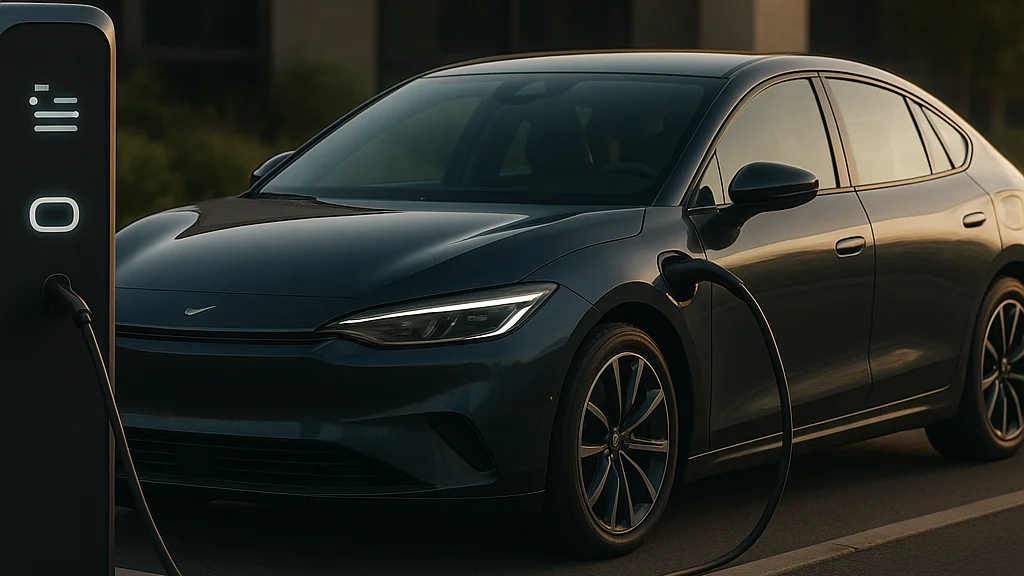
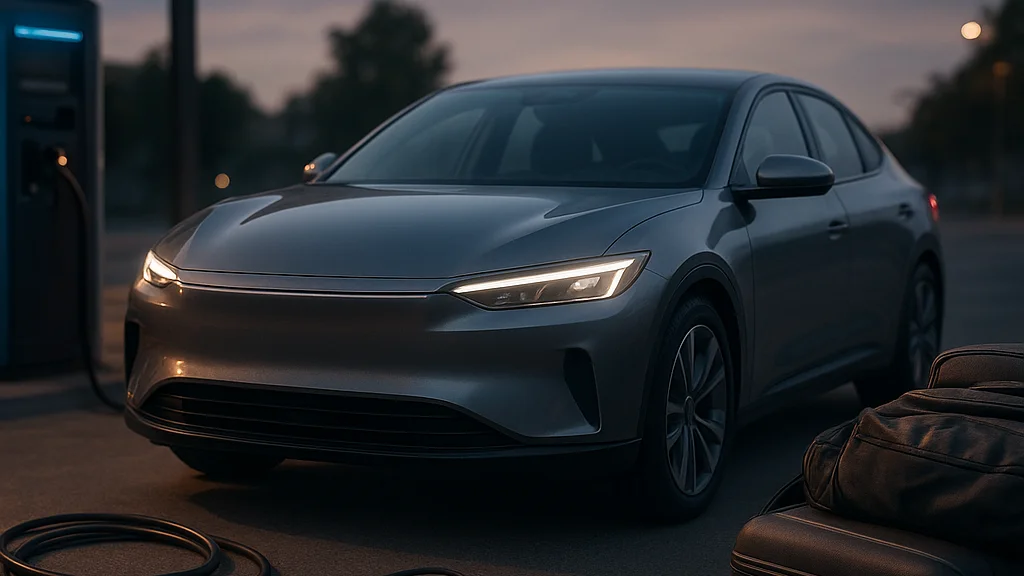
Transport is often discussed with a single technology in mind, usually electric vehicles. They are important, and their lifecycle emissions are generally lower than internal combustion vehicles when charged on moderately clean grids, according to a broad body of research summarized by the IEA and independent analysts. But transport decarbonization becomes truly effective only when it addresses three separate questions: how people move, how goods move, and how much movement is required in the first place.
For private mobility, the hierarchy is straightforward. The lowest-carbon trip is the one avoided through urban planning, remote access to services, or mixed-use neighborhoods. Next comes the trip shifted to walking, cycling, or public transit. Then comes the trip electrified. This order is sometimes politically inconvenient because it asks cities to rethink land use, parking, and street allocation, not merely subsidize new vehicles. Yet the emissions logic is clear.
Freight is more difficult. Heavy trucks, shipping, and aviation remain stubborn sectors because energy density matters. Efficiency gains, route optimization, modal shifts to rail where available, sustainable fuels, and eventually deeper technology changes are all part of the answer. Companies that claim rapid transport decarbonization without discussing logistics patterns, warehouse location, or load factors are usually presenting only a partial story.
There is also a social equity dimension. An electric SUV replacing a petrol SUV can lower emissions, but it does little for congestion, road safety, or urban noise. By contrast, reliable buses, suburban rail, protected cycle lanes, and walkable districts reduce emissions while improving access for people who do not own cars. This is one reason mobility policy has become more integrated in European cities since the early 2020s.
- Most effective urban measures: frequent public transit, cycling infrastructure, low-emission zones, compact development
- Most effective household measures: reduced car dependency, smaller vehicles, fewer flights, efficient trip planning
- Most effective business measures: fleet electrification where suitable, route optimization, telepresence, rail substitution for short-haul travel
When readers compare strategies, I often suggest looking beyond the badge on the vehicle. Ask instead whether the overall system requires less fuel, less road space, and less unnecessary movement. That is where the deeper carbon dividend appears.
Food, farming, and material consumption: the emissions people overlook
A surprising share of carbon footprint discussions still underestimates food systems and material use. Agriculture emits not only carbon dioxide but also methane and nitrous oxide, both potent greenhouse gases. Fertilizer use, livestock production, land management, refrigeration, transport, and food waste all shape the final footprint of what reaches the plate. The exact impact varies by product and production method, but the direction of travel is well understood: lower waste, better farm practices, more efficient inputs, and moderate dietary shifts can reduce emissions substantially.
One useful reference point is Nature’s overview of carbon footprint reduction in crop production, which highlights how research is focusing on input efficiency, soil management, and cultivation methods that lower emissions without simply shifting burdens elsewhere. This is important because agriculture is often presented as a moral debate when it is also a technical one. Precision application of fertilizer, improved irrigation, better crop rotations, and lower post-harvest losses can cut emissions while supporting resilience.
Dietary change remains sensitive, especially in cultures where food is identity. As an Italian, I find this discussion more productive when framed around quality and waste rather than prohibition. Seasonal produce, legumes, thoughtful portions, and respect for ingredients are not modern punishments; they are rooted in older Mediterranean habits. A lower-carbon diet does not require joyless eating. It often means fewer resource-intensive excesses and a return to culinary intelligence.
Material consumption is the companion issue. Fast furniture, disposable electronics, short-lived textiles, and frequent renovations generate emissions long before waste is visible at the curb. The carbon footprint of a product is embedded in extraction, manufacturing, shipping, and disposal. Buying less, using longer, repairing more, and choosing durable goods are not quaint virtues. They are emissions strategies.
For readers seeking a broader practical checklist, Carbon Footprint Reduction Strategies That Deliver Results offers another useful angle on turning principles into everyday decisions. The lesson is consistent: food and materials are not side topics. They are central to any honest footprint analysis.
What changed recently: the 2026 picture is more mature and more demanding
By 2026, the carbon reduction conversation is notably different from what it was just a few years ago. First, clean technologies are no longer niche in many markets. Solar and wind deployment continued to expand globally through the mid-2020s, battery prices remained strategically important despite supply-chain volatility, and heat pumps, EVs, and energy management software became more mainstream. Second, policy has become more specific. Governments and regulators increasingly ask not for vague climate commitments, but for disclosure, supply-chain accounting, and sector-based transition plans.
That shift has exposed a difficult truth: early wins were easier. Companies could purchase renewable electricity contracts, improve lighting, and optimize office space. Now they face harder categories such as industrial heat, upstream materials, freight, and supplier emissions. Households face a parallel reality. After basic conservation measures, bigger cuts often require capital investment, landlord cooperation, or public infrastructure.
Education and behavior programs have also become more sophisticated. The Carbon Reduction Challenge course at the University at Buffalo is a useful example of how institutions are trying to translate climate awareness into measurable action through guided participation. That model matters because information alone rarely changes emissions; feedback loops, peer comparison, and practical targets often do.
Another 2026 development is the rising scrutiny of carbon claims. Consumers, journalists, and regulators are more alert to weak offsetting, incomplete lifecycle accounting, and selective reporting. A company that advertises a “carbon neutral” product while ignoring major supply-chain emissions now faces more questions than applause. This is healthy. Real reduction should come before compensation mechanisms, not after.
The technology story is also more nuanced. Artificial intelligence is being used to optimize grids, building management, industrial maintenance, and logistics, which can reduce emissions. At the same time, data centers themselves consume significant power, making the source of electricity and equipment efficiency increasingly important. The green tech story is therefore not one of automatic salvation. It remains a story of systems design, trade-offs, and governance.
Readers interested in recent tactical developments may also find Effective Carbon Footprint Reduction Strategies in 2026: Insights and Innovations a relevant complement, especially for tracking how new tools are being adopted. The broad lesson of 2026 is clear: we know more, we can measure more, and excuses based on ignorance are weaker than before.
How to build a reduction plan that survives budgets, politics, and daily life
The most resilient carbon strategies share four characteristics. They are measurable, they target major sources first, they fit real budgets, and they remain effective even when attention drifts elsewhere. This last point is often neglected. Many climate plans fail not because the idea was wrong, but because it depended on perfect motivation every day. Enduring strategies reduce emissions by default.
For households, that means prioritizing structural improvements over moral theatrics. A family that insulates the roof, replaces a failing gas boiler with a heat pump when feasible, cuts food waste, and reduces car dependence will typically outperform another family that buys many “green” accessories but changes little in energy and mobility. For businesses, the equivalent is to focus on procurement standards, energy efficiency, logistics, process redesign, and supplier engagement before polishing sustainability language.
Municipalities and regions should think in portfolios. No single tool can carry the burden. Clean power procurement, building standards, district heating where suitable, public transit, circular construction practices, tree cover for heat adaptation, and transparent emissions inventories all matter. The strongest local governments now understand that mitigation and resilience must be designed together. Shade trees and reflective roofs do not replace decarbonization, but in hotter summers they protect public health while reducing cooling demand.
- Measure the footprint with enough detail to identify the top three sources.
- Rank actions by emissions impact, cost, and persistence over time.
- Implement no-regret measures first: efficiency, waste reduction, maintenance, procurement improvements.
- Plan capital-intensive changes around replacement cycles to avoid stranded assets.
- Review progress annually and adjust for new grid conditions, policy incentives, and technology prices.
A final caution is necessary. Carbon reduction is not a purity test. It is an engineering, financial, and social process. People rent homes they cannot retrofit. Small firms lack procurement leverage. Historic districts face technical limits. Rural residents may have few transit options. Serious climate writing should acknowledge these constraints without surrendering to them.
The goal is not a perfectly spotless footprint. The goal is steady, evidence-based reduction at the points where emissions are largest and choices are most durable.
That is why the best strategies endure. They are not built on guilt or spectacle. They are built on better systems, better timing, and better decisions repeated across millions of lives. Like the finest Italian craft, they combine elegance with function: less waste, more intelligence, and results that last.

































Sign in to leave a comment.