

A practical climate question, hiding in plain sight
On a winter morning in Stockholm, when the air is sharp and the light lands pale across tram tracks, climate change can feel both immense and strangely intimate. You notice it in the food you buy, the heating bill, the package arriving at your door, the steel in a new building, the software running quietly behind a streaming service. A carbon footprint is not one thing. It is a chain of decisions, materials, fuels, interfaces, and habits, all stitched together. That is why reducing it demands more than symbolic gestures. It requires strategy, measurement, and a sense of proportion, or as we might say in Sweden, something more lagom than loud.
The central challenge is simple to describe and hard to solve: most emissions are embedded in systems people barely see. According to the International Energy Agency and the IPCC, energy use, transport, industry, buildings, and agriculture remain the dominant sources of greenhouse gas emissions globally. Yet the most effective reduction strategies differ sharply depending on whether you are a household, a manufacturer, a retailer, a city planner, or a digital platform. Replacing light bulbs is good. Rebuilding procurement rules, electrifying heat, redesigning logistics, and cutting material demand are better.
That distinction matters more in 2026 than it did a few years ago. Companies are under tougher disclosure pressure, supply chains are being re-priced by carbon, and consumers are increasingly alert to greenwashing. If you have read broader overviews such as Effective Carbon Footprint Reduction Strategies in 2026: Insights and Innovations, the next step is to separate high-impact interventions from low-impact theatre. The goal is not moral perfection. It is measurable decline in emissions, year after year.
“The climate crisis has already been solved. We already have the facts and solutions.” — Greta Thunberg
That quote can sound severe, but there is relief in it too. Many of the strongest carbon footprint reduction strategies are already known. The real work lies in applying them where emissions are highest, with enough discipline to count what changes and enough honesty to admit what does not.
Start with the biggest levers, not the easiest slogans
A credible carbon strategy begins with carbon accounting. Not because spreadsheets save the planet, but because poor measurement leads to poor priorities. The Greenhouse Gas Protocol divides emissions into Scope 1, Scope 2, and Scope 3. Scope 1 covers direct emissions from owned sources, such as company vehicles or on-site fuel combustion. Scope 2 covers purchased electricity, steam, heating, and cooling. Scope 3 includes everything else up and down the value chain, from purchased goods and business travel to product use and end-of-life disposal. For many businesses, Scope 3 is the giant. In consumer goods, automotive, construction, and food systems, it can represent the overwhelming share of total emissions.
This is where many reduction plans stumble. They focus on office recycling, branded tote bags, or carbon-neutral marketing claims while leaving procurement, materials, freight, and product design largely untouched. Reuters, the Financial Times, and major sustainability consultancies have repeatedly highlighted how companies struggle most with supplier emissions and embodied carbon, not with switching head-office lighting. The arithmetic is unforgiving. If most emissions sit upstream or downstream, your biggest cuts must happen there.
In practical terms, the highest-value strategy is usually to rank emissions sources and attack the top three first. That sounds obvious, yet it is surprisingly rare. A household may discover that heating, driving, and flights dominate its footprint. A manufacturer may find that steel, cement, aluminum, and purchased electricity dwarf every other category. A digital business may learn that cloud architecture, data transfer, and device churn matter more than office coffee pods.
- For households: home heating, private car use, air travel, and diet typically outweigh small lifestyle swaps.
- For companies: purchased materials, logistics, product energy use, and supplier emissions often dominate totals.
- For cities: buildings, transport systems, waste, and construction materials tend to be the largest levers.
There is also a timing question. Some cuts are operational and immediate, such as lowering thermostat settings, improving insulation controls, consolidating shipments, or buying renewable electricity contracts. Others are structural and slower, such as retrofitting buildings, redesigning products for lower material intensity, or replacing fossil-fuel equipment with electric alternatives. The strongest strategies combine both: quick wins to start reducing emissions now, and capital investments that lock in lower emissions for the next decade.
That is why carbon footprint reduction works best when it is treated like infrastructure rather than branding. You do not manage it with slogans. You manage it with baselines, capital allocation, procurement standards, and repeated verification.
Buildings, mobility, and home systems deliver outsized gains
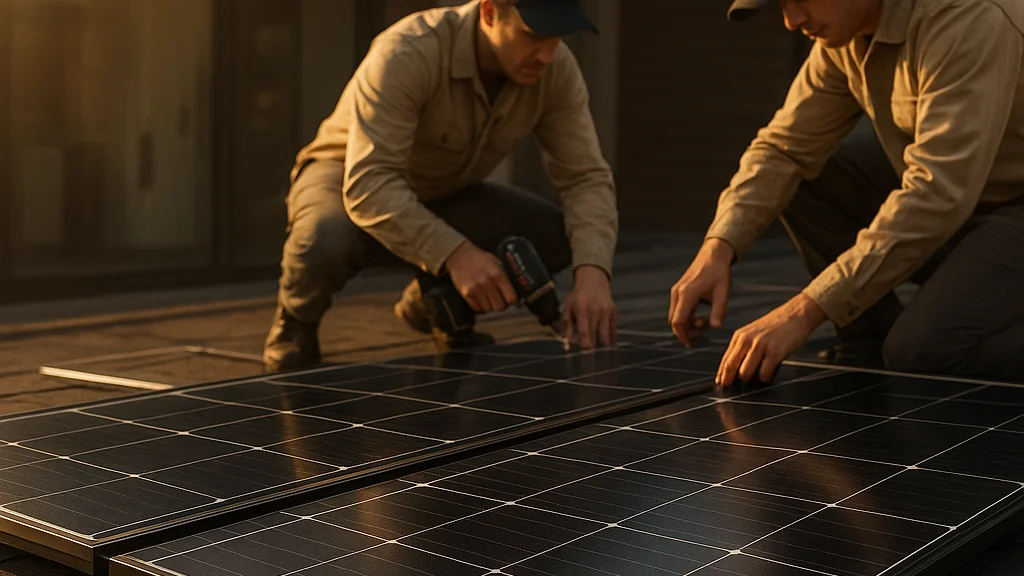
If you are looking for the most reliable emissions cuts at household and neighborhood level, start with buildings and transport. In colder climates especially, heating can be the elephant in the room. Gas and oil boilers still lock many homes into high operational emissions, while poor insulation turns every winter into a waste stream. Heat pumps, district heating in suitable urban settings, better glazing, roof and wall insulation, smart controls, and lower-temperature heating systems can together reshape a home’s carbon profile far more than a shelf of “green” consumer products.
The economics have shifted as well. Across Europe, policy support, efficiency standards, and volatile fossil fuel prices have made electrification and insulation more attractive than they once were. The exact payback period varies by building type and local energy tariffs, but the direction is clear. A deep retrofit costs more upfront and saves more over time. A shallow retrofit is cheaper and often politically easier, but risks locking in mediocre performance. Municipal planners know this tension well.
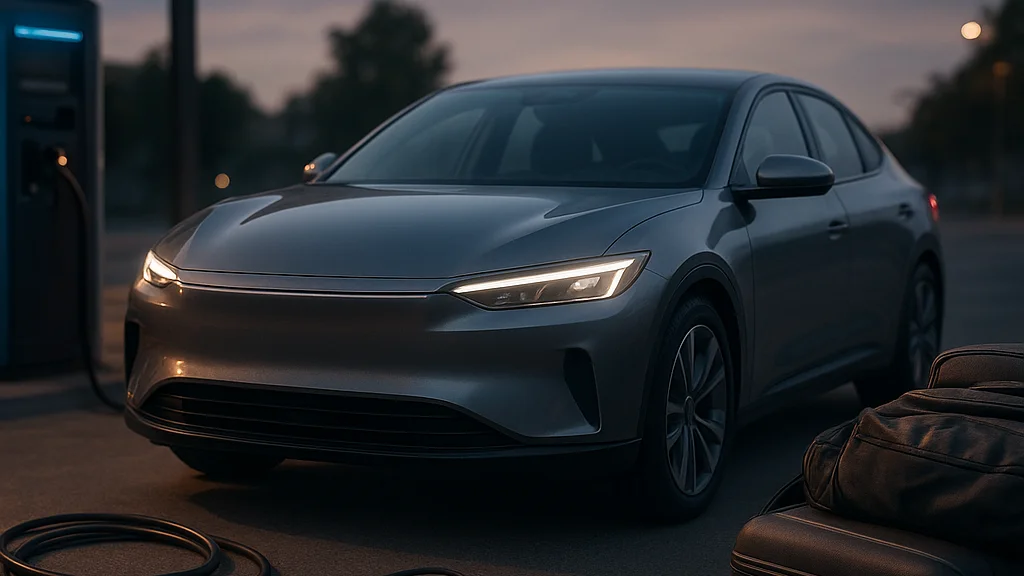
Transport follows a similar pattern. The largest reduction does not always come from buying a new electric vehicle immediately. Often it begins with driving less, shifting short trips to walking, cycling, or public transport, and avoiding oversized vehicles. Then comes electrification, ideally paired with a cleaner grid. In dense cities, compact planning and transit reliability beat any single vehicle technology. In rural areas, the equation is tougher, and EVs can play a larger role, but total distance traveled still matters.
- Reduce demand first: fewer car trips, fewer flights, less wasted heat.
- Improve efficiency second: insulation, efficient appliances, route optimization, lighter vehicles.
- Electrify third: heat pumps, EVs, electric buses, induction cooking.
- Clean the energy supply: renewable electricity procurement, district heating decarbonization, grid upgrades.
Even cleaning products and household routines have a place in this hierarchy, though not at the top. Lower-toxicity, concentrated, refillable, and locally distributed products can reduce packaging waste, transport emissions, and indoor pollution, especially when paired with lower-temperature washing and less overconsumption. For readers interested in that narrower but useful slice, How Eco-Friendly Cleaning Solutions Dramatically Reduce Your Carbon Footprint offers a focused companion angle.
The most effective household climate action is rarely the most photogenic. It is usually insulation in the walls, a heat pump outside, and one less unnecessary trip on the road.
That may lack the glamour of futuristic gadgets, but it reflects where the numbers point. Carbon falls fastest when energy demand falls first, and when the remaining demand is met with cleaner systems.
Food, materials, and supply chains are where hidden emissions live
One reason carbon footprints remain stubborn is that modern consumption hides emissions in materials and logistics. A tomato in winter, a laptop upgrade, a steel beam, a fast delivery promise, a glossy package, a fertilizer-intensive crop, all carry embedded carbon before they ever reach the end user. For businesses, this is the heart of the problem. For consumers, it explains why visible behavior and actual impact can diverge.
A useful example comes from agriculture. Research highlighted by Nature’s coverage of carbon footprint reduction in crop production points to better fertilizer management, precision agriculture, improved soil practices, and lower-emission production systems as meaningful routes to cut agricultural emissions. Crop production is not only about tractors and diesel; it is also about nitrous oxide from nitrogen fertilizers, irrigation energy, land management, and post-harvest losses. In other words, the carbon footprint of food begins long before the supermarket shelf.
Supply chains show the same pattern at industrial scale. A recent piece from Supply Chain Brain on cutting carbon in supply chains emphasizes three recurring themes: better visibility, supplier collaboration, and logistics redesign. Those are not buzzwords. Visibility means mapping emissions beyond tier-one suppliers. Collaboration means setting shared standards, data requirements, and procurement incentives. Logistics redesign means consolidating loads, reducing empty miles, shifting modes where possible, and bringing production closer to demand when the trade-offs make sense.
Heavy industry deserves special attention because material choices shape emissions for decades. Steel, cement, and chemicals are among the hardest sectors to decarbonize. The article Building a green steel market in Recycling Today captures a crucial truth: low-carbon materials need demand signals, standards, and buyers willing to pay for verified reductions. Green steel is not a lifestyle accessory. It is an industrial transition, tied to hydrogen, scrap quality, electric arc furnaces, renewable power, and procurement policy.
- Food systems: reduce waste, improve fertilizer efficiency, support lower-emission farming methods, and shift diets where feasible.
- Products: design for durability, repairability, reuse, and lower material intensity.
- Logistics: optimize routes, consolidate shipments, reduce returns, and favor lower-carbon modes.
- Materials: specify recycled content and verified low-carbon steel, cement, and aluminum where available.
There is also a consumer-facing lesson here. Buying fewer, better things often beats buying many “eco” things. Longevity is climate strategy. Scandinavian design, at its best, has always understood this, not as minimalism for its own sake, but as respect for materials, utility, and time.
Digital systems and procurement are now major climate battlegrounds
Carbon reduction used to be discussed mainly in terms of smokestacks, tailpipes, and thermostats. By 2026, that picture is incomplete. Digital infrastructure has become a serious emissions question, especially as AI workloads, cloud dependency, streaming, e-commerce, and always-on software expand. The carbon impact of a digital service depends on data center efficiency, electricity sourcing, code efficiency, file sizes, device turnover, and user behavior. None of this is abstract anymore.
Design choices matter. Bloated interfaces, auto-play video, unnecessary data transfers, and poor caching all create avoidable energy demand across networks and devices. That is why the conversation around digital sustainability has moved closer to product teams and procurement officers, not just IT departments. A useful internal companion on this point is How UX Decisions Quietly Shape the Digital Carbon Footprint of Enterprises, which shows how seemingly minor interface decisions can scale into meaningful energy use at enterprise level.
Procurement, meanwhile, has become one of the sharpest tools available to large organizations. If a company buys lower-carbon electricity, lower-carbon materials, lower-carbon transport, and lower-carbon software services, it shifts markets. If it asks suppliers for emissions data but never changes contract terms, very little happens. Reuters and Bloomberg have both tracked the rise of supplier engagement programs, where major firms push emissions targets deeper into their value chains. Some automakers have been especially active. Procurement Mag’s report on Renault Group’s strategic green supplier partnerships reflects a broader industrial trend: decarbonization is increasingly written into supplier relationships, not treated as an optional extra.
This is where carbon footprint reduction gets serious. A buyer with leverage can require environmental product declarations, renewable electricity use, recycled content, logistics reporting, and science-based targets. Public-sector buyers can do the same through tenders. The market signal spreads. Suppliers innovate because contracts depend on it. Emissions fall not because everyone suddenly became virtuous, but because the rules changed.
When procurement standards change, carbon shifts from a communications issue to an engineering and finance issue. That is usually when real progress begins.
For firms that want reductions rather than rhetoric, digital efficiency and procurement reform are no longer side topics. They are now central pillars of a credible climate plan.
What has changed recently, and why 2026 feels different
The past two years have tightened the carbon conversation. Regulatory pressure has increased, investor scrutiny has matured, and voluntary claims are being tested more aggressively. In Europe, the Corporate Sustainability Reporting Directive has continued reshaping how large companies report environmental impacts, while the Carbon Border Adjustment Mechanism has sharpened attention on the embodied emissions of imported materials in sectors such as steel and cement. Even where implementation details remain contested, the travel direction is unmistakable: emissions data is becoming financially and legally consequential.
Another shift is methodological. Companies are moving away from simplistic “net zero” storytelling toward more detailed transition plans that distinguish between absolute emissions cuts, intensity reductions, renewable electricity procurement, and the limited role of offsets. That last point matters. Carbon credits still exist, but they are under far more scrutiny than before. The question is no longer whether a business has a carbon credit strategy, but whether that strategy is credible, limited, and secondary to direct reductions. The article from edie on implementing a credible carbon credit strategy captures this shift well: offsets may support residual emissions, but they cannot substitute for operational decarbonization.
Technology has moved too. Heat pumps have continued scaling in many markets, battery prices remain lower than a decade ago despite supply-chain volatility, and industrial pilots in green hydrogen, low-carbon steel, and cement alternatives have multiplied. Grid constraints and permitting delays still slow progress, certainly, but the menu of proven or near-proven options is broader than it was. That changes the tone of the debate. Many sectors can no longer claim there is no pathway; the harder question is who pays first, and how quickly supply can expand.
Consumers are also more discerning. They have seen enough vague sustainability claims to become suspicious, and rightly so. A product marketed as green without lifecycle data now looks thin. A business flight offset by tree planting no longer reassures as it once did. The public mood has become more exacting, less dazzled. In a Nordic sense, that is healthy. Calm scrutiny beats glossy promises.
So 2026 feels different because the center of gravity has shifted from awareness to implementation. The conversation is not whether carbon footprints matter. It is which interventions produce durable reductions, how they are verified, and who is accountable when targets are missed.
The most credible strategy is reduction first, removal later, offsets last
There is a hierarchy to effective climate action, and ignoring it leads to confusion. First, avoid emissions where possible. Second, reduce the emissions that remain through efficiency, electrification, cleaner materials, and better design. Third, substitute fossil-heavy systems with low-carbon alternatives. Only after these steps should organizations look at carbon removals or offsets for residual emissions that are genuinely difficult to eliminate. This order is not ideological. It reflects risk, cost, and credibility.
Offsets remain controversial because quality varies dramatically. Some projects may deliver real benefits; others have faced criticism over permanence, additionality, or accounting. That is why serious climate strategies now treat offsets as a narrow tool, not a headline identity. If a company is still expanding avoidable emissions while leaning heavily on credits, the market increasingly sees that as a warning sign. According to reporting by Reuters and analysis across the voluntary carbon market, trust has become the scarce resource.
By contrast, direct reductions produce operational advantages. Efficient buildings lower bills. Better logistics improve resilience. Durable products reduce returns and waste. Supplier engagement reveals cost and risk across the value chain. Lower-carbon materials can position firms ahead of regulation. These are not merely environmental gains; they are strategic ones. The climate case and the business case do not always align perfectly, but they overlap far more often than critics admit.
For households and small organizations, the same logic applies in simpler form. Avoiding unnecessary consumption, improving energy performance, reducing car dependence, and choosing durable goods usually beat compensating for a high-carbon lifestyle after the fact. Planting trees is admirable. Burning less gas is more immediate. Buying a verified low-emission product is often better than buying a standard one and hoping an offset balances the difference somewhere else.
The language here matters. Carbon neutrality can sound tidy, almost soothing. Real decarbonization is messier. It involves boilers, invoices, procurement clauses, insulation dust, supplier audits, software redesign, and fewer impulsive purchases. Yet that is precisely why it works. It is rooted in systems, not sentiment.
What to do next: a realistic roadmap for households and organizations
If there is one mistake people make with carbon footprint reduction, it is trying to do everything at once. That usually produces fatigue, not progress. A better approach is staged and evidence-based. Start by measuring the main sources of emissions. Then categorize actions by impact, cost, and speed. Some changes save money quickly. Others require capital. Some depend on landlords, utilities, or public policy. Knowing which is which prevents frustration.
For households, the first year should focus on the big four: heating, electricity, transport, and food waste. If possible, improve insulation and heating controls, switch to a cleaner electricity tariff where available, reduce solo driving, and cut unnecessary flights. Replace appliances at end of life with efficient models rather than discarding functional ones prematurely. Eat more seasonally and waste less food. If you renovate, choose durable materials and repair rather than replace where practical. The cumulative effect is larger than many assume.
For businesses, the roadmap is more formal:
- Establish a verified baseline across Scopes 1, 2, and relevant Scope 3 categories.
- Identify the top emissions hotspots by category, supplier, product line, and geography.
- Set absolute reduction targets with interim milestones, not distant slogans alone.
- Link procurement, capex, product design, and executive accountability to those targets.
- Use offsets only for residual emissions after direct reduction measures are underway.
One more point deserves emphasis. Communication should follow action, not replace it. Publish methods, boundaries, assumptions, and limitations. Say what is measured, what is estimated, and what still needs improvement. That candor builds trust. It also leaves room for learning, which any serious decarbonization effort will require.
Greta Thunberg’s bluntness still echoes because it cuts through performance. Climate action is not a matter of appearing concerned. It is a matter of reducing emissions in the real economy, in homes, on roads, in farms, in supply contracts, and in data centers. The strongest carbon footprint reduction strategies are not mysterious. They are targeted, material, and persistent.
Seen from the Scandinavian north, where design, energy, and nature are always in conversation, the lesson feels almost elemental. Use less. Waste less. Build better. Buy with care. Electrify what can be electrified. Demand proof. Keep going. That is not glamorous, perhaps, but it is how footprints shrink, one verified decision at a time.



































Sign in to leave a comment.