

Beginning with Purpose: The Quiet Revolution of Zero Waste Living
Imagine a quiet morning in a Scandinavian kitchen, the soft light falling on a simple glass jar reused countless times, filled with homemade granola. This scene, emblematic of a lagom lifestyle—balanced, sufficient, sustainable—captures the essence of zero waste living. In 2026, as climate urgency escalates, adopting a zero waste lifestyle is no longer niche but a vital step towards systemic change. The average person generates over 4.9 pounds of waste daily, according to the U.S. Environmental Protection Agency, a figure that echoes globally. Yet, the zero waste movement offers a beacon of hope by encouraging us to rethink consumption, waste, and resource cycles.
Zero waste is not about perfection; it is a continuous journey toward minimizing waste and valuing resources, inspired by the principles of reduce, reuse, recycle, and beyond. It challenges the prevailing linear model of 'take, make, dispose' and instead promotes circularity. What makes this lifestyle particularly appealing is its accessibility—anyone can start with small, deliberate actions that ripple into impactful environmental benefits.
“The zero waste movement invites us to see trash not as an inevitable byproduct but as a resource waiting for a new life.” — Henrik Larsson
For beginners, the path can feel overwhelming. However, understanding the foundational strategies and integrating them gradually can transform daily habits into powerful tools of sustainability. This article unpacks six essential zero waste lifestyle tips, enriched by 2026’s latest developments, expert insights, and practical examples, to guide newcomers with clarity and confidence.
Tracing Our Footprints: The Background and Context of Zero Waste
The zero waste ethos is deeply rooted in environmental history and Scandinavian cultural values. The concept first gained momentum in the 1970s, evolving from grassroots environmental activism responding to pollution and landfill overflow. Today, it is embedded in global sustainability dialogues and urban planning, influenced by circular economy models pioneered by regions like Scandinavia.
Sweden, for example, has dramatically reduced landfill waste to less than 1% by prioritizing waste-to-energy and comprehensive recycling programs. This national commitment reflects a cultural mindset that values resourcefulness and environmental stewardship—attributes that underpin the zero waste lifestyle.
Historically, waste was minimized out of necessity; before mass consumerism, households reused and repurposed materials as a matter of course. The post-war boom disrupted these habits with disposable products and packaging, creating mountains of waste. The zero waste movement today strives to reclaim that balance, advocating for systemic change across production, consumption, and disposal.
- Global waste production: The World Bank reports that worldwide municipal solid waste is expected to increase by 70% by 2050 if current trends continue.
- Material impact: Plastic packaging constitutes nearly half of all plastic waste, much of which escapes recycling systems.
- Scandinavian influence: Countries like Sweden and Denmark lead in waste reduction policies and consumer awareness, offering models for zero waste adoption.
Understanding this context is crucial for beginners to appreciate that zero waste is a response to systemic environmental challenges, urging both individual and collective responsibility.
Core Analysis: Six Zero Waste Lifestyle Tips for Beginners
Embarking on a zero waste journey requires practical, actionable steps. These six tips combine simplicity with impact, designed for those just beginning to realign their habits with sustainability.
1. Refuse and Reduce: The First Line of Defense
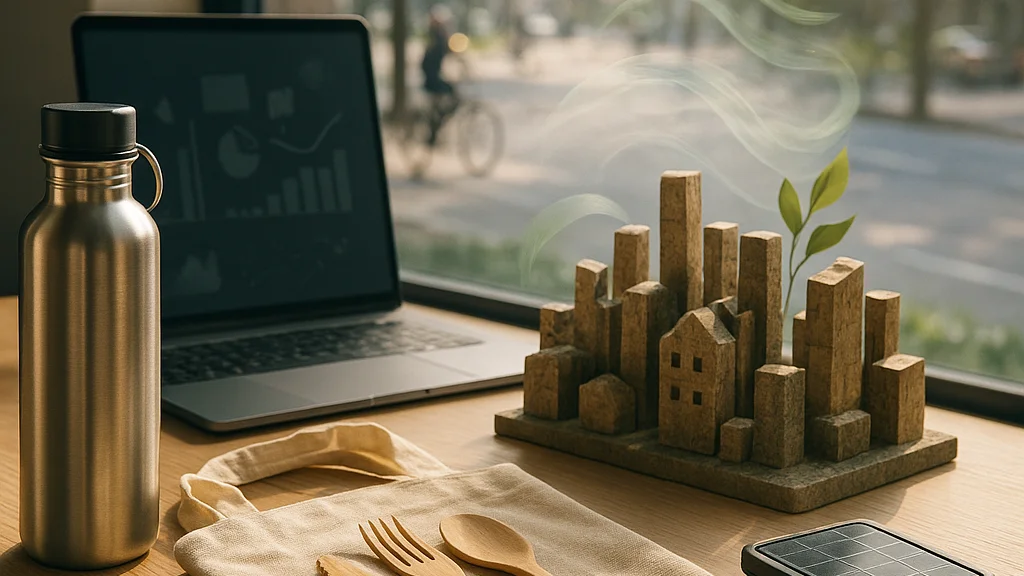
The most effective waste is the waste never created. Saying no to unnecessary items—single-use plastics, promotional freebies, excess packaging—is foundational. This requires mindfulness in purchases and social settings, asking whether items are truly needed. For example, carrying a reusable water bottle and coffee cup eliminates daily disposable waste. According to Statista, reusable product sales surged by 25% in 2025, reflecting growing consumer demand.
2. Reuse Creatively: Transforming Waste into Resource
Before recycling, the principle of reuse extends the lifecycle of items. Glass jars become storage containers; old clothes transform into cleaning rags; furniture is refurbished rather than discarded. This reduces demand for new goods and lessens landfill burden. Scandinavian design, with its emphasis on durability and timeless aesthetics, offers inspiration for selecting products that endure.
3. Compost: Returning Organic Matter to the Earth
Organic waste constitutes nearly 30% of household trash. Composting food scraps and yard waste recycles nutrients, enriching soils and reducing methane emissions from landfills. Home composting systems have become more accessible, with innovations such as electric composters that accelerate decomposition. Cities like Stockholm provide community compost sites, supporting residents in this practice.
4. Opt for Bulk and Package-Free Shopping
Buying in bulk reduces packaging waste and often saves money. Zero waste stores and markets offering package-free goods are spreading globally, supported by consumer preference for sustainability. Using personal containers and bags minimizes exposure to disposable materials. The zero waste market is projected to grow 15% annually, signaling increasing infrastructure and options.
5. Choose Sustainable, Repairable Products
Durability and repairability counter the throwaway culture. Opting for products with replaceable parts or that can be serviced extends their useful life. Many brands now offer repair kits and service programs, aligning with circular economy principles. This approach intersects with minimalist living, emphasizing quality over quantity.
6. Educate and Influence Your Community
Sharing knowledge multiplies impact. Hosting workshops, engaging on social media, or simply discussing zero waste practices encourages wider adoption. Community-based initiatives, such as tool libraries or swap events, foster collective action and reduce consumption.
“Zero waste is as much about community as it is about the individual. Our habits shape social norms.” — Environmental Sociologist Dr. Elina Nordström
Each step interlocks with the others, creating a holistic approach that beginners can tailor to their lifestyle and environment.
Current Developments in 2026: Innovations and Policy Shifts
The zero waste movement is accelerating in 2026, powered by technological advances and shifting policy landscapes. Governments worldwide are embracing extended producer responsibility (EPR) laws, mandating manufacturers to manage product end-of-life. The European Union, for example, expanded its Circular Economy Action Plan in early 2026, imposing stricter packaging waste reduction targets.
On the innovation front, biodegradable materials have advanced markedly. New compostable bioplastics derived from seaweed and agricultural residues are entering mainstream markets, reducing reliance on fossil-fuel plastics. Startups like Nordic BioPack lead this wave, combining Scandinavian design philosophy with cutting-edge sustainable materials.
Digital platforms facilitating zero waste lifestyles have also flourished. Apps that map local zero waste stores, provide bulk shopping guides, and connect users for swapping or sharing resources are increasingly popular. This digital infrastructure supports beginners by making sustainable choices more visible and accessible.
- Policy highlights: Over 30 countries have adopted EPR policies by mid-2026, increasing accountability in product lifecycle management.
- Material innovation: Bioplastics market expected to reach $15 billion globally by 2030, driven by eco-conscious demand.
- Community engagement: Online zero waste communities have grown by 40% since 2024, enhancing peer support.
These developments illustrate a convergence of technology, governance, and culture, creating fertile ground for zero waste adoption, especially for those just starting.
Case Studies: Practical Examples from Around the Globe
Real-world examples provide valuable lessons on zero waste implementation. In Copenhagen, the city’s commitment to becoming carbon neutral by 2025 included extensive zero waste initiatives. Local markets offer package-free options, and public composting programs divert thousands of tons of organic waste annually. Residents are encouraged to participate through incentives and education campaigns.
Closer to home, Stockholm’s zero waste cafes have embraced reusable container schemes, eliminating disposable cups and packaging. One notable example is the café chain 'Grön Kopp,' which reported a 60% reduction in waste after introducing a deposit system for cups and containers.
On an individual level, Swedish sustainability advocate Lena Svensson shared her journey starting with simple swaps like reusable produce bags and bulk shopping, gradually moving towards home composting and DIY household products. Her story highlights the lagom principle—adopting balanced, achievable changes rather than drastic measures.
“Small actions, when multiplied, create a wave of change that reshapes our relationship with waste.” — Lena Svensson, Zero Waste Advocate
These cases underscore the importance of community infrastructure, policy support, and personal commitment in successfully adopting zero waste habits.
Looking Ahead: What to Watch and Takeaways for Beginners
As we peer into the future, several trends promise to deepen and broaden zero waste practice. Firstly, the integration of green technology with everyday life will continue to evolve. Smart home systems that monitor waste production and suggest reduction strategies are emerging. Additionally, circular business models will expand, with companies leasing rather than selling products to ensure materials remain in use.
Education remains critical. Schools and workplaces are increasingly incorporating sustainability curricula, fostering early awareness and lifelong habits. For beginners, this means a growing supportive ecosystem, where sustainable choices become the norm rather than the exception.
- Embrace incremental change: Start with manageable steps; even refusing single-use items can cascade into broader behaviors.
- Build community ties: Connect with local zero waste groups or online forums for motivation and resources.
- Stay informed: Follow developments in green tech and policies to leverage new tools and support.
Ultimately, zero waste living is a journey of mindfulness and respect for resources, echoing the wisdom of Scandinavian traditions. As Greta Thunberg once emphasized, “No one is too small to make a difference.” By embracing these six tips, beginners can confidently step into a lifestyle that honors both the planet and our shared future.
For more practical guidance, readers can explore Zero Waste Lifestyle Tips for Beginners: Practical Steps to Sustainable Living and Zero Waste Lifestyle Tips for Beginners: Sustainable Living in 2026 on WriteUpCafe, where detailed strategies and community stories enrich the path towards zero waste.


































Sign in to leave a comment.