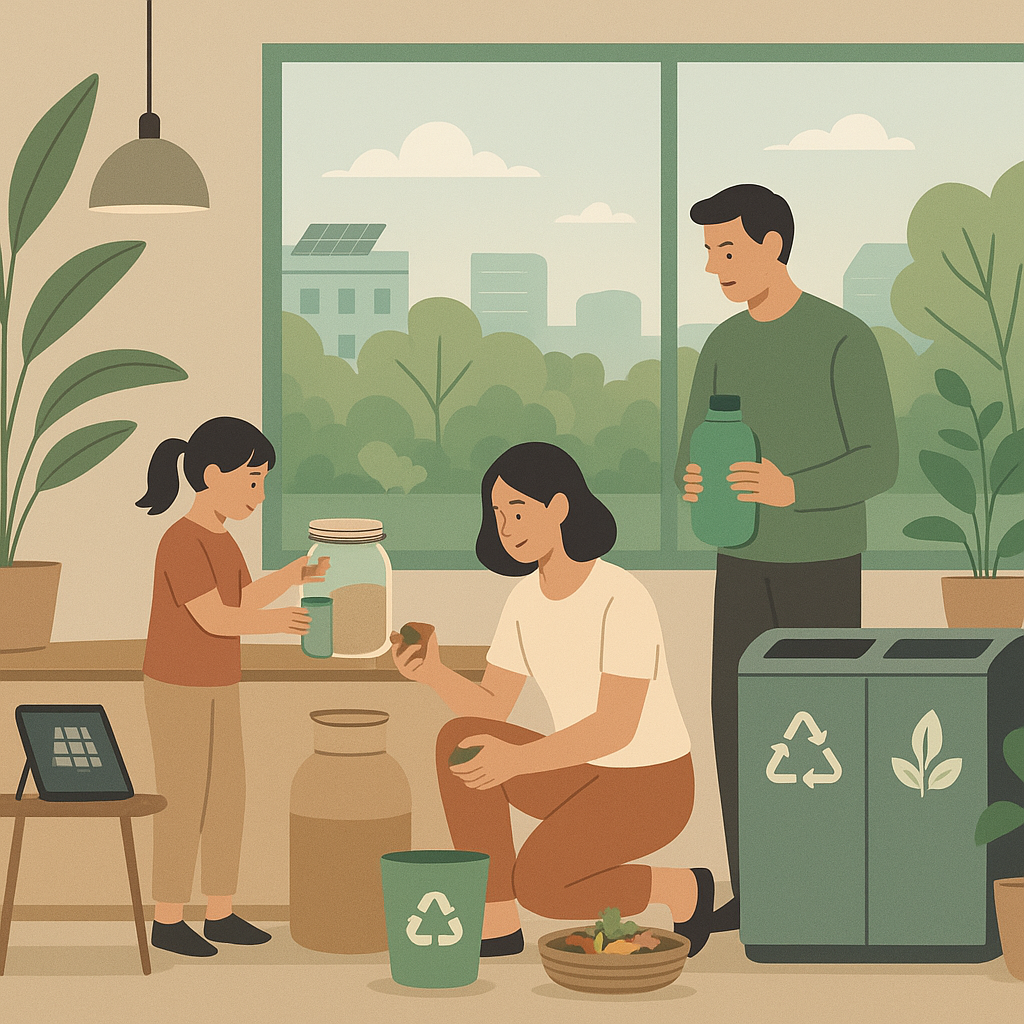

Beginning with a Vision: The Urgency of Zero Waste Living
Imagine standing in a city park, surrounded by overflowing bins, single-use packaging littering the ground, and the faint smell of landfill in the air. This scene might sound familiar in many urban centers globally, yet it starkly contrasts with the vision of a zero waste lifestyle embraced by millions in 2026. According to the Global Waste Management Outlook 2025, urban waste generation has surged to over 3.7 billion tonnes annually worldwide, with less than 20% being effectively recycled or reused. This mounting environmental challenge has propelled sustainable living movements into mainstream consciousness.
Zero waste is more than a buzzword; it is an actionable lifestyle designed to eliminate waste production by rethinking consumption and disposal. For beginners, the transition can seem daunting, but the rewards—a cleaner environment, reduced carbon footprint, and economic savings—are compelling. As environmental journalist Emma Clarke notes, "Small changes at the individual level create ripples that can transform communities," an insight echoed by many sustainability experts.
"Adopting zero waste principles is a journey, not a destination. Every effort counts towards building a sustainable future." — Dr. Helen Garcia, Environmental Scientist
The Roots of the Movement: Historical and Environmental Context
The zero waste philosophy finds its origins in the 1970s, inspired by the emerging environmentalism that challenged the throwaway culture propelled by post-war industrial growth. Early initiatives focused on recycling and reducing landfill use, but as ecological data accumulated, it became clear that recycling alone was insufficient.
The 21st century marked a turning point with the publication of the Zero Waste International Alliance’s framework, emphasizing redesigning resource life cycles so that all products are reused. The climate crisis, plastic pollution in oceans, and overflowing landfills have only intensified calls for systemic change. Today’s zero waste movement integrates principles of circular economy and sustainability science, advocating that waste is a design flaw rather than an inevitable outcome.
In 2026, the environmental stakes are higher than ever. The UN Environment Programme reports that plastic waste is projected to reach 600 million tonnes annually by 2030 if current trends persist. This alarming projection has galvanized governments, corporations, and individuals alike to adopt zero waste strategies, from policy level bans on single-use plastics to grassroots community composting programs.
Practical Zero Waste Tips for Beginners: Building Habits That Last
Embarking on a zero waste lifestyle can seem overwhelming, but a structured approach helps beginners integrate sustainable habits effectively. The following core strategies have been validated by environmental experts and communities practicing zero waste living:
- Conduct a Waste Audit: Track your household waste for a week to identify common disposable items. This step reveals opportunities for reduction.
- Prioritize Refusing and Reducing: Avoid single-use items by saying no to plastic straws, disposable cutlery, and packages. Choose products with minimal or no packaging.
- Embrace Reusable Alternatives: Invest in reusable bags, bottles, coffee cups, and food containers. Brands like EcoWare and GreenNest have expanded affordable options in 2026.
- Compost Organic Waste: Set up a home compost bin or participate in local composting initiatives to divert food scraps from landfills.
- Shop Mindfully: Buy in bulk, support zero waste stores, and prefer local, seasonal produce to reduce packaging and transportation emissions.
- Repair and Repurpose: Extend the life of products by repairing clothes, electronics, and furniture instead of discarding them.
- Recycle Responsibly: Familiarize yourself with local recycling rules to avoid contamination and maximize recycling effectiveness.
These steps align closely with expert advice from sources like MSN, which emphasizes that "small changes can lead to a zero-waste lifestyle". The incremental nature of this journey allows individuals to build sustainable habits without feeling overwhelmed.
"The key to adopting zero waste is to start small and gradually incorporate more practices as you learn." — Sustainable Living Advocate, Maya Chen
2026 Innovations and Trends Driving Zero Waste Adoption
The zero waste lifestyle has evolved significantly with technological advancements and innovative business models in 2026. Several key developments are accelerating adoption and making sustainable living more accessible:
- Digital Waste Tracking Apps: Apps like WasteNot and EcoTrack enable users to monitor their waste generation in real time, providing personalized tips and community challenges.
- Zero Waste Retail Expansion: The number of zero waste stores worldwide has grown by 40% since 2023, offering package-free goods, refills, and sustainable alternatives.
- Corporate Zero Waste Goals: Major companies, from FMCG giants to tech firms, have committed to zero waste operations by 2030, driving innovation in packaging and supply chains. For deeper insights, see WriteUpCafe’s article on Corporate Zero Waste Goals.
- Community Sharing Platforms: Online platforms facilitate sharing and borrowing of tools, appliances, and clothing, reducing the need for new purchases.
- Advanced Recycling Technologies: Chemical recycling and bioplastics are becoming commercially viable, offering better end-of-life options for materials.
These trends have lowered barriers for beginners and contributed to a cultural shift where zero waste is increasingly normalized rather than niche. Cities like Copenhagen and San Francisco serve as models with integrated policies and infrastructure supporting sustainable lifestyles.
Case Studies: Real-World Success in Zero Waste Living
Examining practical examples helps illustrate how zero waste principles translate into daily life. In Portland, Oregon, a community initiative called "Zero Waste Neighbors" has engaged over 5,000 residents since 2024, resulting in a 30% reduction in landfill waste citywide. Their approach combines education workshops, waste audits, and local bulk-buying clubs.
Another compelling example is the startup LoopCycle, which partners with retailers to provide reusable packaging with a deposit-return system. Since launching in 2025, LoopCycle reports diverting over 150 tonnes of single-use plastic from landfills in its pilot cities.
On the business side, small enterprises adopting zero waste strategies often benefit from cost savings and customer loyalty. For instance, WriteUpCafe’s guide on Zero Waste Recycling Solutions for Small Businesses highlights case studies where waste reduction improved margins and brand reputation.
"Zero waste is not just an environmental imperative but a business opportunity that can drive innovation and community engagement." — James O’Neill, Sustainability Consultant
Looking Ahead: Future Directions and Takeaways for Beginners
As 2026 unfolds, the zero waste movement continues to gain momentum, fueled by greater environmental awareness, technological progress, and policy support. For beginners, the pathway to zero waste living is clearer and more achievable than ever. Key future considerations include:
- Scaling Community Efforts: Collective action amplifies impact; beginners should seek or create local zero waste groups.
- Leveraging Technology: Using apps and digital tools can simplify tracking and motivate sustained behavior change.
- Advocating for Policy: Supporting legislation that reduces waste generation and improves recycling infrastructure helps institutionalize zero waste principles.
- Continuous Learning: Staying informed about innovations and best practices maintains momentum and adapts habits.
- Sharing Success Stories: Communicating personal and community achievements inspires others and builds a supportive culture.
Zero waste living is evolving from an idealistic goal to a pragmatic lifestyle. As environmental journalist Lucas Thorne reports, "The shift toward zero waste reflects a fundamental reimagining of how society values resources and waste." For readers interested in the interplay of technology and sustainability, exploring topics such as digital waste management can provide further insights.
Ultimately, the transition requires commitment but promises tangible benefits for individuals and the planet. Embracing zero waste in 2026 means joining a global movement toward a resilient, equitable, and environmentally sound future.





























Sign in to leave a comment.